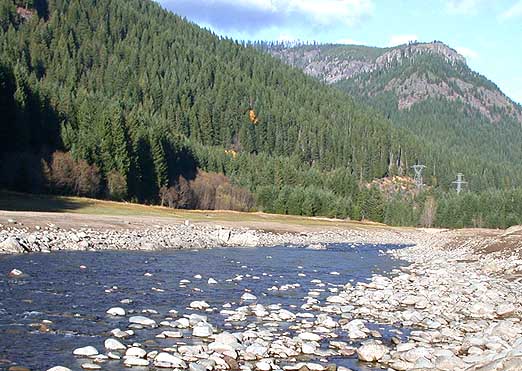
The Willamette National Forest is a sprawling playground of nearly 1.7 million acres, offering a diverse array of landscapes from jagged volcanic peaks to ancient, moss-draped forests. Whether you are looking for a strenuous summit hike, a relaxing soak in a natural hot spring, or a scenic drive through the heart of the Cascades, this region delivers quintessential Oregon beauty. The sheer variety of activities makes it a premier destination for families, solo adventurers, and photography enthusiasts alike.
Hiking the McKenzie River Trail
One of the most celebrated things to do in Willamette National Forest is exploring the McKenzie River Trail. This 26-mile path follows the crystal-clear McKenzie River through old-growth forests and across ancient lava flows. The trail is famous for its stunning geological features, most notably Tamolitch Falls, also known as Blue Pool. Here, the river emerges from an underground lava tube into a pool so intensely blue and clear that it looks like a shimmering sapphire. While the water is incredibly cold, the hike to the overlook is a must-see for any visitor.
Further along the trail, you will encounter Sahalie and Koosah Falls. These massive waterfalls are easily accessible via a short loop trail and offer accessible viewing platforms. The mist from the falls keeps the surrounding foliage vibrant year-round. The McKenzie River Trail is also a world-class destination for mountain bikers, offering a technical but rewarding ride through some of the most scenic terrain in the Pacific Northwest. Be sure to check trail conditions and bridge status on the Forest Service website before heading out.

Soaking in Natural Hot Springs
The volcanic nature of the Cascade Range has blessed the Willamette National Forest with several natural geothermal springs. Terwilliger Hot Springs, often called Cougar Hot Springs, is perhaps the most famous. It features a series of four rock-walled pools that terrace down a hillside, each slightly cooler than the one above it. The pools are surrounded by towering trees, providing a serene and immersive nature experience. A small fee is typically required for entry, and the site is managed to prevent overcrowding.
For a more rustic and primitive experience, McCredie Hot Springs near Oakridge offers pools located right along the banks of Salt Creek. These springs are highly variable in temperature depending on the river level, so caution is advised. Remember that these areas are fragile ecosystems; visitors are encouraged to follow all posted rules regarding clothing and glass containers. Soaking in these warm waters after a long day of hiking is a classic Oregon tradition that helps melt away the soreness of the trail while you enjoy the sights and sounds of the forest.
Scenic Drives and Volcanic Vistas
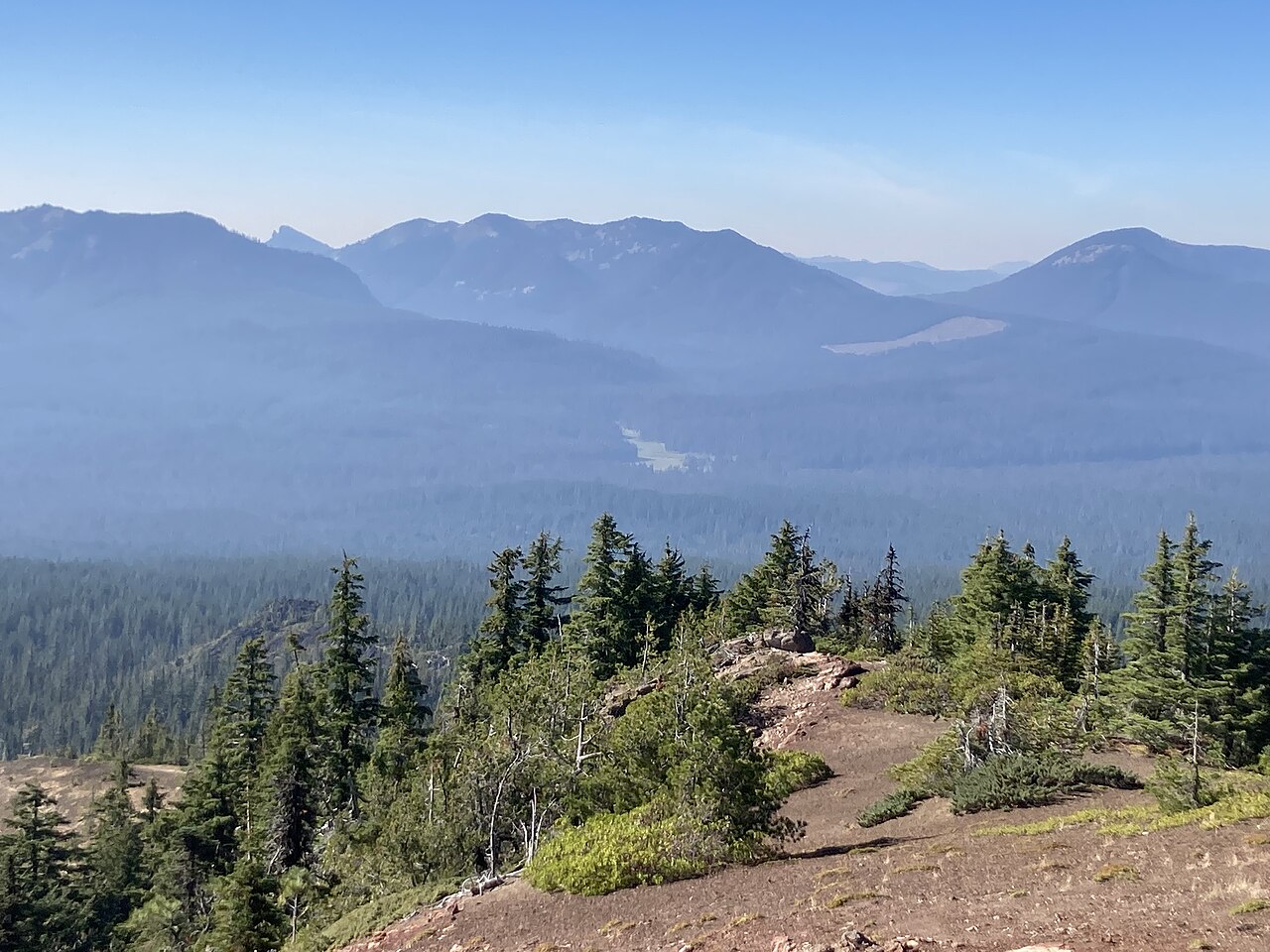
If you prefer to see the sights from the comfort of your vehicle, the McKenzie-Santiam Pass Scenic Byway is one of the most beautiful drives in the United States. This 82-mile loop takes you through a landscape shaped by recent volcanic activity. The highlight of the drive is the Dee Wright Observatory, a structure built entirely from vesicular basalt lava rock by the Civilian Conservation Corps. From the top, you can see a 360-degree view of the surrounding peaks, including Mount Washington, the Three Sisters, and Mount Jefferson.
The observatory sits in the middle of a massive 65-square-mile lava flow that looks like a black, jagged sea. Interpretive signs along the paved lava walk explain the geological history of the region. The road itself, Highway 242, is narrow and winding, with tight switchbacks that are closed to vehicles over 35 feet long. It is also closed during the winter months due to snow, typically only opening from mid-June through October. This drive offers an incredible perspective on the raw power of the volcanoes that formed the Cascade Range.
Water Sports on High Cascade Lakes
For those who love the water, Waldo Lake is a crown jewel of the forest. Known as one of the purest lakes in the world, Waldo Lake has no permanent inlets and is filled primarily by snowmelt and rain. The clarity of the water is astounding, often allowing you to see 100 feet below the surface. Because gasoline motors are prohibited, the lake is a sanctuary for kayakers, canoeists, and stand-up paddleboarders seeking peace and quiet. The 13-mile Shoreline Trail also offers excellent hiking and mountain biking opportunities around the perimeter.
Detroit Lake is another popular destination, offering a different vibe with more focus on motorized boating, fishing, and water skiing. It is a large reservoir that serves as a hub for summer recreation, featuring several developed campgrounds and marinas. Whether you are looking for the mirror-like stillness of Waldo Lake or the active summer energy of Detroit Lake, the Willamette National Forest provides ample opportunities to cool off during the warm summer months. Always check for current water levels and any potential blue-green algae advisories on the official state and forest websites.
Family-Friendly Activities and Rainy Days
Traveling with kids offers plenty of opportunities for education and gentle adventure. The Salt Creek Falls observation site is perfect for families, featuring Oregon's second-highest waterfall with an easy paved path to the viewing platform. There is also a wonderful picnic area nearby. For a rainy day activity, visiting the fish hatcheries along the McKenzie or Willamette Rivers can be a fascinating experience for all ages. These facilities play a crucial role in maintaining the local salmon and trout populations and often have viewing windows or interpretive displays.
Another great rainy day option is exploring the small gateway communities like McKenzie Bridge or Oakridge. These towns have local visitor centers and small museums that detail the logging and pioneer history of the region. You can also find cozy lodges with fireplaces where you can relax with a book while watching the rain fall on the evergreen canopy. Don't let a little Northwest drizzle stop you; the forest often looks its most magical when shrouded in mist, and the waterfalls are at their most impressive during or after a rainstorm.