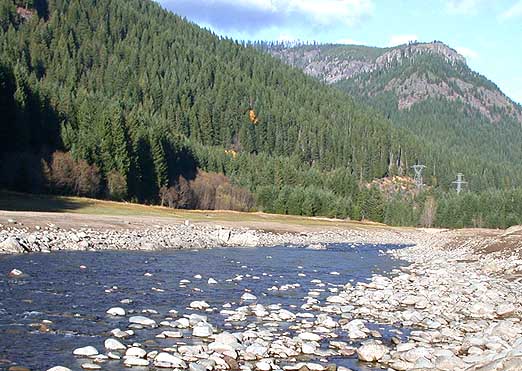
Exploring the heart of the Oregon Cascades requires a bit of planning to cover the vast distances between volcanic wonders and lush river valleys. This three-day Willamette National Forest itinerary is designed to start from Eugene, the closest major gateway, and take you through the highlights of the McKenzie River corridor and the high-alpine passes. You will experience world-class hiking, stunning waterfalls, and unique geological formations, all while moving at a pace that allows you to soak in the natural beauty.
Day 1: The McKenzie River Corridor
Begin your journey by flying into Eugene Airport (EUG) and picking up a rental vehicle. From Eugene, it is a scenic 65-mile drive east on Highway 126 to reach the heart of the McKenzie River area. Your first stop should be the McKenzie River Ranger Station to pick up maps and check for any trail closures. Head straight to the Sahalie and Koosah Falls trailhead. These two massive waterfalls are connected by a short, easy loop trail that offers multiple vantage points of the thundering white water and the deep turquoise pools below.
After lunch, prepare for the hike to Tamolitch Blue Pool. This 4.2-mile round-trip hike is relatively flat but crosses through diverse forest terrain and old lava flows. The sight of the river emerging into the brilliant blue basin is a highlight of the forest. Spend your evening at a campground along the river or in a cozy cabin in the town of McKenzie Bridge. The sound of the rushing water provides a perfect soundtrack for your first night in the Cascades. Remember to pack plenty of water and snacks, as services are limited once you enter the forest boundaries.
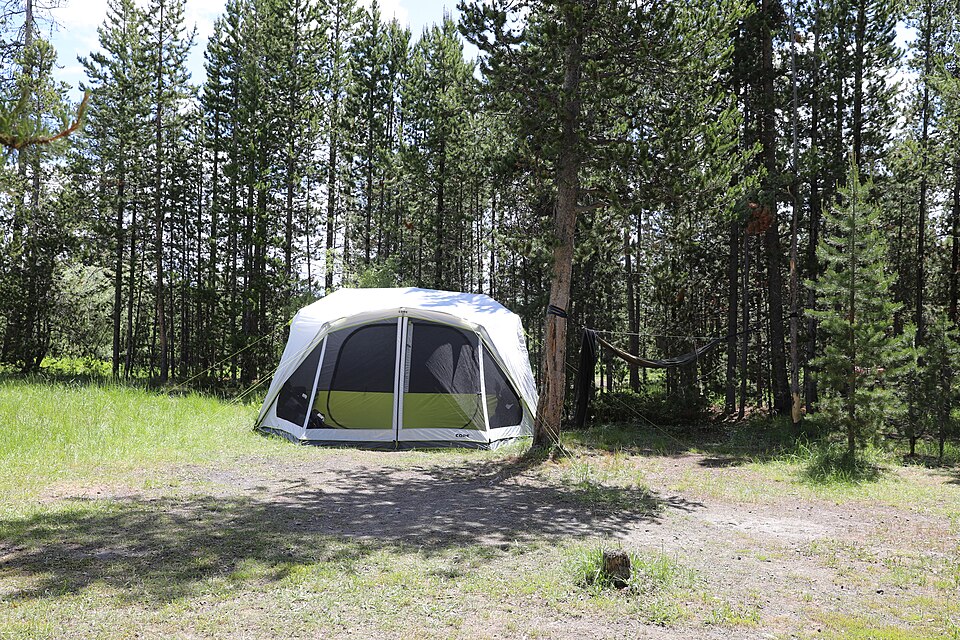
Day 2: Volcanic Peaks and Scenic Vistas
On your second day, head up the McKenzie Pass (Highway 242). This road is a destination in itself, winding through dense forests before emerging into a massive, stark lava field. Make your primary stop at the Dee Wright Observatory. Take the short 'Lava River Way' paved walk to learn about the volcanic history of the area and climb to the top of the observatory for breathtaking views of the Three Sisters and Mount Washington. The contrast between the black basalt and the blue sky is spectacular.
In the afternoon, continue over the pass toward the town of Sisters, then loop back via Highway 20 through the Santiam Pass. If you have the energy, consider a short hike to Clear Lake. You can rent a rowboat here to see the 'underwater forest'âancient trees preserved in the cold, clear depths of the lake by a volcanic eruption thousands of years ago. The water is so transparent that the boats appear to be floating in air. End your day by heading south toward the town of Oakridge, which is a famous hub for mountain biking and offers a variety of dining and lodging options.
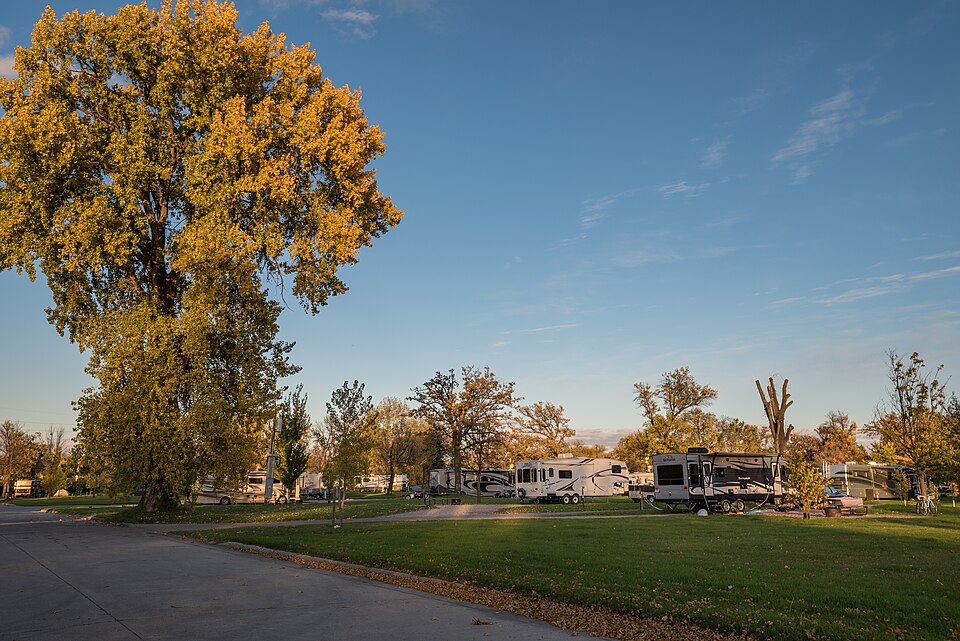
Day 3: Waterfalls and Hot Springs
Spend your final day exploring the southern portion of the forest near Oakridge. Your first destination is Salt Creek Falls, one of Oregon's most powerful plunges. The viewing platform is just a short walk from the parking lot, but if you're feeling adventurous, take the trail down to the base of the falls to feel the immense power and mist. From here, you can also hike the Diamond Creek Falls loop, which offers a more intimate look at several smaller but equally beautiful waterfalls hidden in the woods.
To wrap up your trip, head to McCredie Hot Springs for a relaxing soak. Located right off Highway 58, these natural pools vary in temperature and offer a rustic way to unwind after three days of exploration. Afterward, begin the drive back to Eugene, which takes about an hour. If you have extra time, stop at a local roadside stand for some famous Oregon berries or a quick meal in one of the small timber towns along the way. This itinerary covers the essential highlights, but always check the official Forest Service website for current road conditions and permit requirements before you depart.
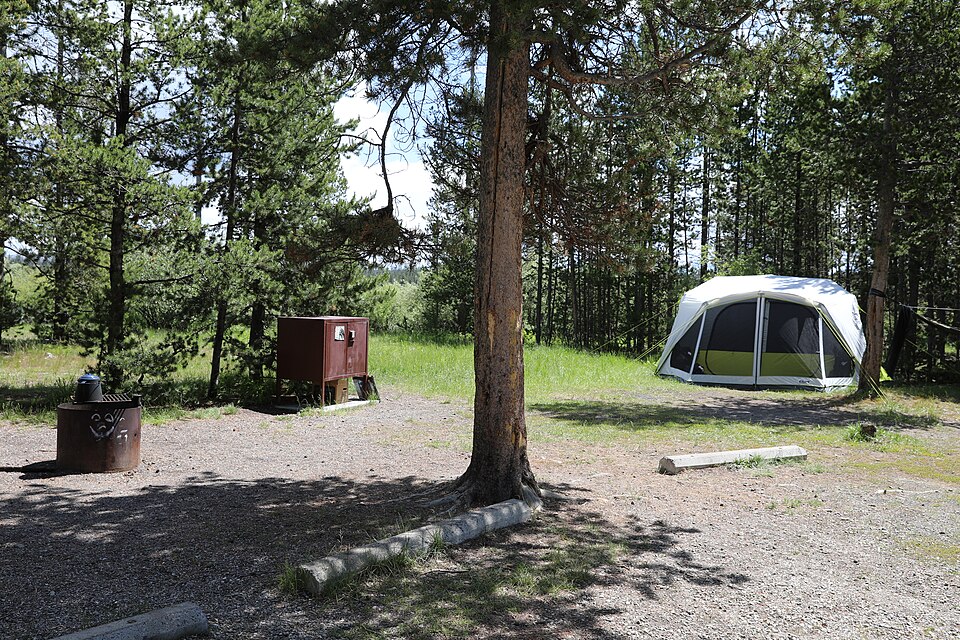
Where to sleep
Harvest Hosts stays on the way to Willamette National Forest
Partner link · Harvest Hosts
Travel Tips and Logistics
Navigating the Willamette National Forest requires some preparation regarding fuel and connectivity. Cell service is extremely spotty once you leave the gateway cities of Eugene or Bend, so downloading offline maps is a necessity. Likewise, gas stations are few and far between; always top off your tank in Eugene, Oakridge, or Sisters before heading into the mountain passes. The drive from Eugene to the central forest area takes about 100 to 120 minutes depending on your specific destination and traffic.
Budgeting for your trip is also important. While access to the forest itself is generally covered by a standard Northwest Forest Pass or a national parks pass, you should estimate a daily budget of around $140 per person. This includes mid-range lodging or camping fees, fuel, food, and potential equipment rentals like kayaks or mountain bikes. Bringing a cooler with groceries can save money and time, as dining options within the forest are limited to a few small mountain lodges and general stores. Always check the weather forecast, as mountain conditions can vary significantly from the valley weather in Eugene.
Permits and Environmental Stewardship
A critical part of your itinerary is securing the necessary permits. As of recent years, the Central Cascades Wilderness Permit System requires reservations for many of the most popular day-use and overnight areas between June and September. This includes areas like the Three Sisters and Mount Jefferson Wilderness. You can book these through the official government reservation website, but they often sell out months in advance. Always have a backup plan in case your first-choice hike is unavailable, as there are hundreds of miles of non-permitted trails that are just as beautiful.
Finally, please practice Leave No Trace principles to keep the Willamette National Forest pristine for future visitors. This means packing out all trash, staying on designated trails to protect fragile alpine vegetation, and being mindful of fire restrictions, which are common during the dry summer months. The volcanic soil is surprisingly delicate, and the high-altitude ecosystem takes a long time to recover from damage. By planning ahead and respecting the land, you ensure that iconic spots like Blue Pool and the McKenzie River remain breathtaking for generations to come.

More ways to book Willamette National Forest
 Illustrative · Diego Angel
Sprinter Adventure Van
Small enough to park at the trailhead, comfy enough to sleep in.
$189/day (estimate)
Direct link · RVshare