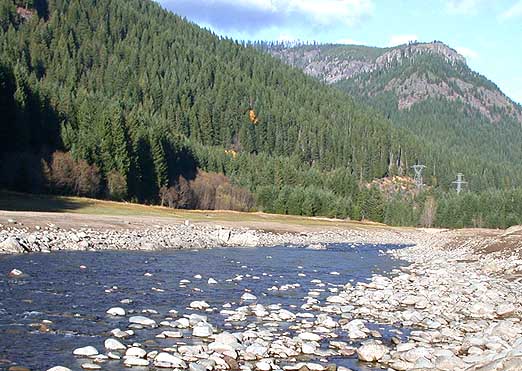
For those who love the idea of sleeping under the stars but prefer a comfortable mattress and a hot shower, Willamette National Forest glamping offers the perfect middle ground. This region of the Oregon Cascades has seen a rise in elevated outdoor accommodations, ranging from luxury wall tents nestled in old-growth groves to refurbished vintage trailers and high-end mountain cabins. It allows you to immerse yourself in the volcanic landscape without the hassle of pitching a tent or sleeping on the hard ground.
What Glamping Looks Like Here
In the Willamette National Forest area, glamping is characterized by a deep connection to the environment. Instead of large, commercial resorts, you will find smaller, more intimate setups. Many sites feature large canvas safari-style tents built on wooden platforms. These often come equipped with real beds, plush linens, and even wood-burning stoves for chilly mountain nights. You might find a private deck where you can enjoy your morning coffee while listening to the McKenzie River rush by nearby.
Other glamping options include geodesic domes that offer sky-watching opportunities from the comfort of your bed, or modern A-frame cabins that blend minimalist design with the rugged aesthetics of the Pacific Northwest. Most glamping hosts in this region focus on sustainability, using solar power or locally sourced materials. The goal is to provide a 'slow travel' experience where the amenities enhance the natural beauty rather than distracting from it. You can expect to pay a bit more than a standard campsite, but the convenience and comfort make it a popular choice for romantic getaways or first-time campers.
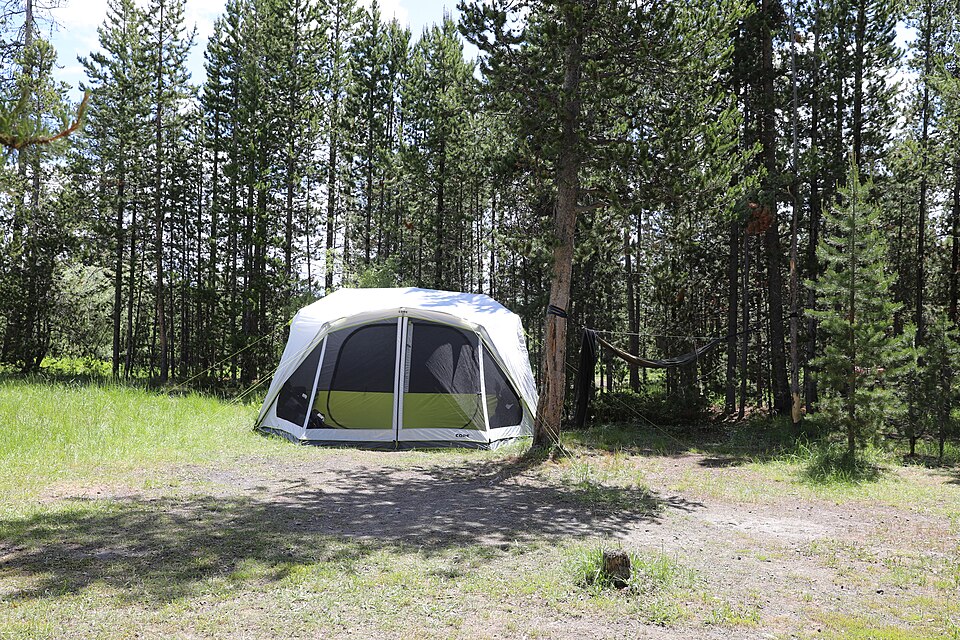
Top Gateway Areas for Glamping
The best glamping opportunities are generally found in the gateway communities surrounding the forest rather than deep within the wilderness areas. The McKenzie Bridge area is a prime location, offering several spots located along the river. Here, you are just minutes away from Sahalie Falls and the Blue Pool trailhead. The lush, mossy environment of the McKenzie Valley provides a stunning backdrop for luxury tents and riverside cabins. It's an ideal basecamp for those who want easy access to the forest's most famous water features.
Another excellent area is Oakridge, located to the south. Known as the mountain biking capital of the Northwest, Oakridge has a variety of unique stays, including converted vintage trailers and rustic-chic lodges. This area is perfect if you plan to explore Salt Creek Falls or Waldo Lake. To the east, near the town of Sisters, you can find high-desert glamping options that offer a different landscape of ponderosa pines and wide-open views of the Three Sisters peaks. Each gateway town offers a unique flavor, so consider what activities are top of your list when choosing your glamping home base.
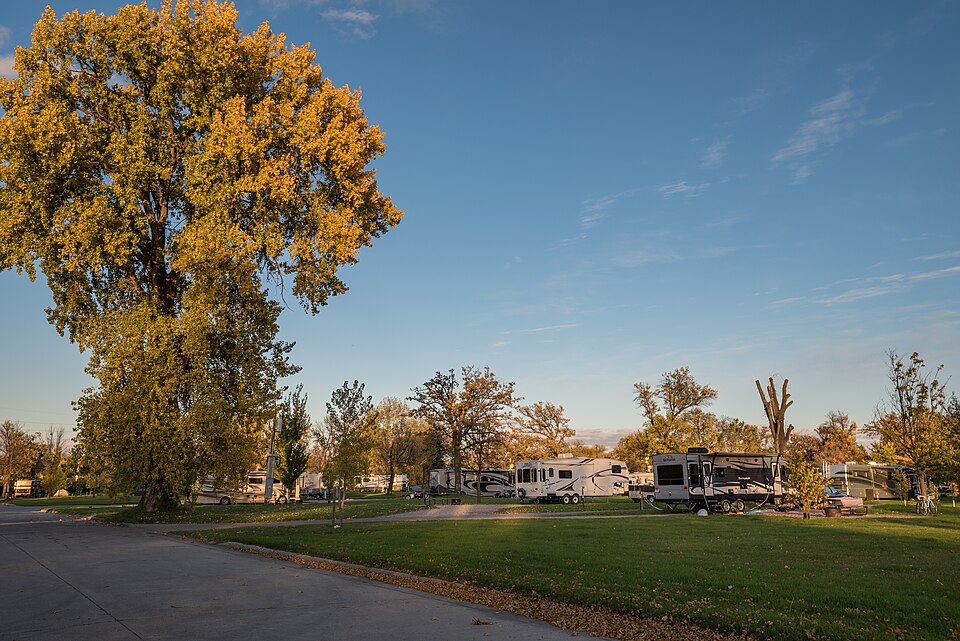
Seasonal Considerations for Luxury Stays
Because most glamping structures in the Willamette National Forest are semi-permanent tents or uninsulated cabins, the season is an important factor. The primary glamping season runs from late May through September. During these months, the weather is warm enough to enjoy outdoor decks and fire pits, though you should still expect cool mountain evenings. Some high-end cabins and yurts are available year-round, offering a cozy retreat during the snowy winter months, but canvas tent options usually close by October.
Booking in advance is highly recommended, especially for weekends in July and August. These unique accommodations are in high demand and often have limited availability due to their small-scale nature. If you are looking for a quieter experience, consider booking a glamping stay in the 'shoulder seasons' of early June or late September. During these times, you might get a bit more rain, but the forest is incredibly vibrant, and the lower temperatures make the indoor amenities like heated blankets or wood stoves even more enjoyable. Always check the specific amenities of your stay, as some 'glamping' sites are more primitive than others.
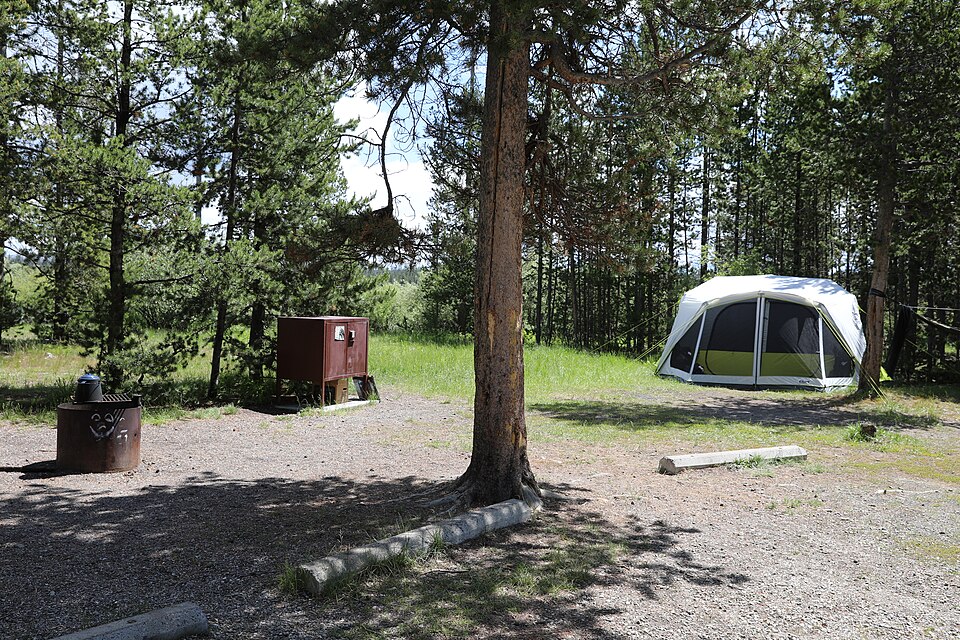
Where to sleep
Harvest Hosts stays on the way to Willamette National Forest
Partner link · Harvest Hosts
Glamping vs. Traditional Camping vs. RVs
Choosing between glamping, traditional camping, and RVing depends on your desired level of comfort and mobility. Traditional camping in one of the many Forest Service campgrounds offers the most authentic and budget-friendly experience, but it requires you to bring all your own gear and manage your own meals. RVing is a great middle-ground for families, providing a mobile kitchen and bathroom, though many forest roads are narrow and winding, which can be challenging for larger rigs. Waldo Lake and Detroit Lake have excellent facilities for RVs, but reservations are essential.
Glamping stands out by removing the logistical hurdles of outdoor living. You don't need to pack a stove, a tent, or a sleeping bag. This makes it an excellent option for travelers flying into Eugene who don't want to check bulky camping gear. It also provides a level of 'reset' that traditional camping might not; after a grueling 10-mile hike through lava fields, returning to a hot shower and a designer mattress can feel like a true luxury. While it is the most expensive of the three options, the time saved and the quality of sleep often make it worth the investment for a 3-5 day trip.
Planning Your Glamping Retreat
When planning your Willamette National Forest glamping trip, start by deciding which part of the forest you want to explore most. If waterfalls and the McKenzie River are your priority, focus your search on the Highway 126 corridor. If you prefer high-alpine lakes and mountain biking, look near Highway 58 and Oakridge. Most glamping sites can be found through popular vacation rental platforms or by searching for local boutique lodges in these gateway towns. Be sure to read reviews to understand exactly what is included, as some sites may offer communal kitchens or shared bathroom facilities.
Don't forget to check the official Forest Service website for information on fire restrictions before you arrive. Many glamping sites feature beautiful fire pits, but during the peak of summer, wood fires may be prohibited due to wildfire risk. Your host will usually provide updates, but being informed helps you plan your evenings. Whether you choose a luxury yurt, a safari tent, or a modern cabin, glamping provides a unique way to experience the raw, volcanic beauty of the Willamette National Forest with all the comforts of home. It is a growing trend that allows more people to connect with the Oregon wilderness in a meaningful and comfortable way.