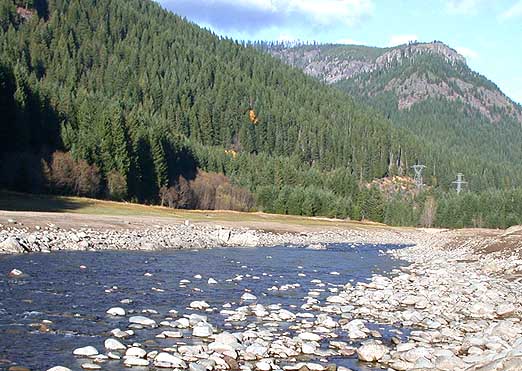
Timing a trip to the Willamette National Forest requires balancing the desire for sunshine with the reality of high-altitude snowpack in the Central Cascades. While the forest is technically open year-round, the experience changes dramatically between the lush, rainy winters and the high-alpine clarity of late summer. Most visitors find that the window from July through September offers the most reliable access to the spectacular volcanic peaks and turquoise lakes that define this iconic Oregon landscape.
Summer High Season
July and August represent the peak window for exploring the high country. By mid-July, most of the snow has melted off the higher elevation trails, such as those leading into the Three Sisters Wilderness or up toward the summit of Mount Washington. This is the prime time for wildflower blooms in the alpine meadows, where you might see lupine and Indian paintbrush carpeting the slopes.
Because this is the most popular time to visit, you should be prepared for more company on the trails and at popular spots like Blue Pool. The weather is generally warm and dry, with daytime temperatures often reaching the 80s, though evenings in the mountains remain cool. Due to the high demand for summer access, several popular trailheads now require advance permits through the Central Cascades Wilderness Permit System. Planning your visit for mid-week can help you find a bit more solitude while still enjoying the best weather conditions the Pacific Northwest has to offer.
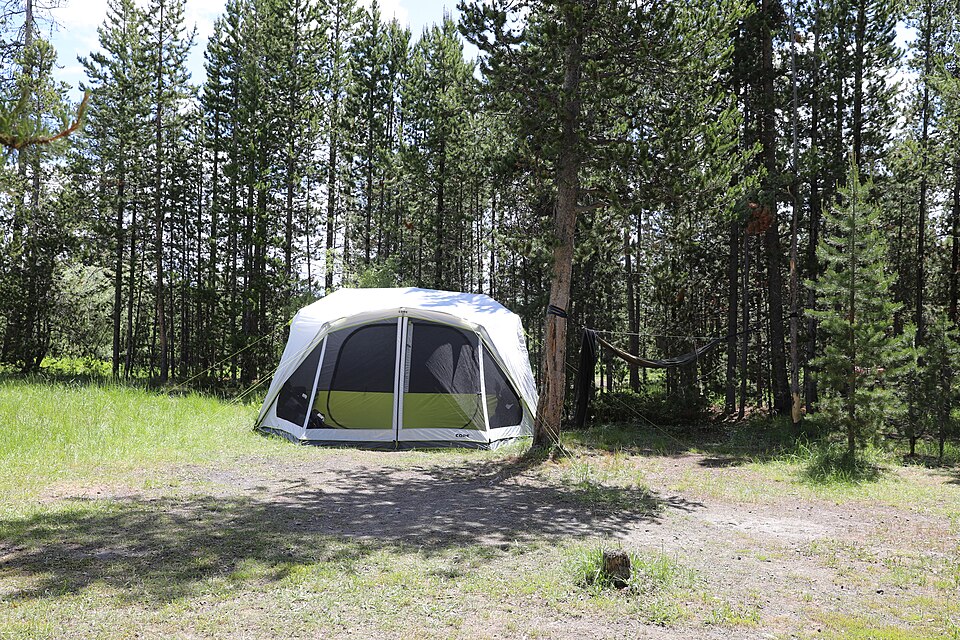
Lock in a stay for this season
RV parks near Willamette National Forest on RoverPass
Partner link · RoverPass
Fall Colors and Crisp Air
September and early October are arguably the hidden gems of the Oregon Cascades. As the summer crowds dissipate and the kids return to school, the forest takes on a quieter, more contemplative atmosphere. This is the best time for photography, as the vine maples turn brilliant shades of orange and red against the dark green backdrop of Douglas firs and western red cedars. The air becomes crisp, and the morning mist often hangs low over the McKenzie River.
During this transition period, daytime temperatures are perfect for long-distance hiking without the summer heat. However, visitors must be prepared for the first dusting of snow at higher elevations, which can occur as early as late September. Many of the forest service campgrounds begin to close for the season in late September, so self-sufficiency becomes more important. Always check the official NPS or Forest Service sites for the most current information on seasonal road closures and trail accessibility as the autumn weather moves in.
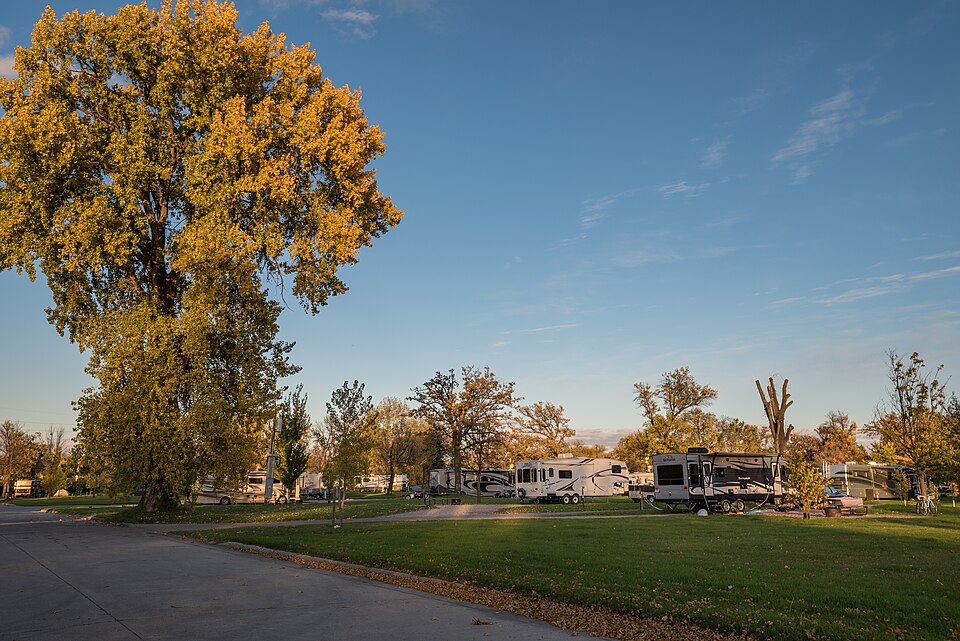
Lock in a stay for this season
Campsites near Willamette National Forest on Campspot
Partner link · Campspot
Winter Snow and Hot Springs
Winter in the Willamette National Forest is a time of deep snow and quiet isolation. From November through March, much of the forest is inaccessible by standard vehicle, as heavy snow blankets the Cascade Range. However, this is the ideal season for those seeking a classic Oregon hot springs experience. Soaking in natural geothermal pools while snow falls silently around you is a quintessential Pacific Northwest activity. Popular spots like McCredie or Terwilliger (Cougar) Hot Springs remain accessible, though the forest roads leading to them can be icy and require traction tires or chains.
For outdoor enthusiasts, the winter months transform the forest into a playground for snowshoeing and cross-country skiing. The Santiam Pass and Willamette Pass areas offer designated sno-parks where you can explore groomed and ungroomed trails. It is crucial to remember that winter weather in the Cascades can change rapidly, and many mountain passes may close temporarily during heavy storms. Always verify road conditions through local transportation departments before heading out into the backcountry.
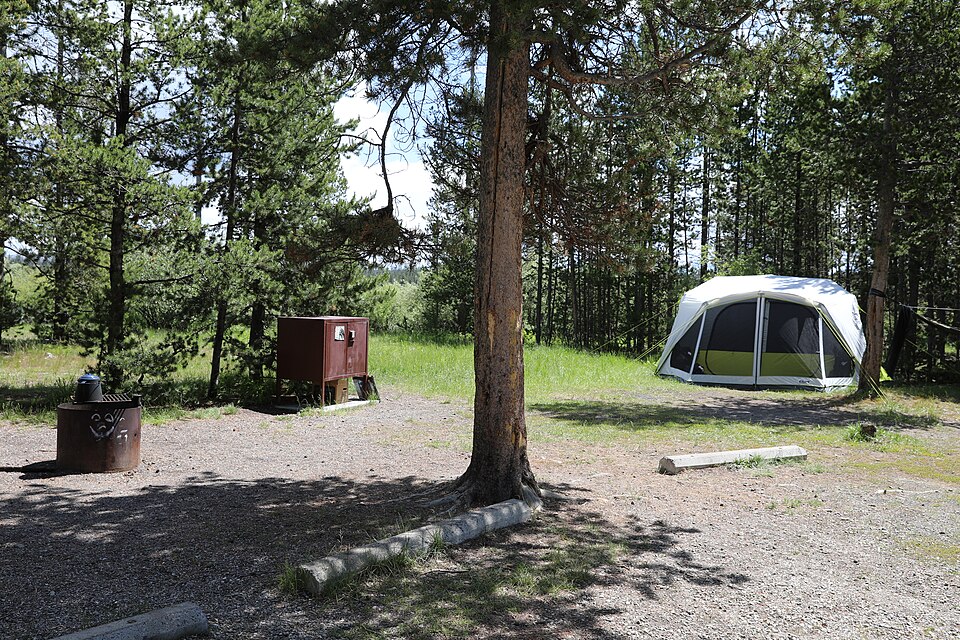
Lock in a stay for this season
Harvest Hosts stays on the way to Willamette National Forest
Partner link · Harvest Hosts
Spring Runoff and Waterfalls
Spring arrives slowly in the high Cascades, typically lasting from April through June. While the higher peaks remain under several feet of snow, the lower elevations near the McKenzie and Willamette Rivers begin to wake up. This is the absolute best time for waterfall viewing. As the winter snowpack begins to melt, legendary falls like Sahalie and Koosah reach their maximum volume, creating thunderous displays of power and mist. The surrounding forest floors become incredibly lush, with vibrant green mosses and the emergence of early wildflowers like trillium.
Hiking in the spring often means navigating muddy trails and potentially encountering downed trees from winter storms. It is also the season of unpredictable rainfall, so high-quality waterproof gear is a necessity. While you might not be able to reach the high-elevation wilderness areas yet, the lower-elevation river trails offer stunning scenery and much smaller crowds than the summer months. Be sure to check the Forest Service website for updates on which trails have been cleared and are safe for early-season exploration.
Navigating Permits and Reservations
To ensure you have the best possible experience, understanding the permit cycles is essential. For the most popular wilderness areas, permits are released in two phases: a large portion in early spring and the remainder on a rolling basis during the summer. If you are planning a trip for the best time to visit Willamette National Forest in July or August, you should ideally be looking at the reservation portal as early as April. This applies to both day-use permits for iconic hikes and overnight permits for backpacking trips.
Campground reservations follow a similar pattern, with popular sites near the McKenzie River or Waldo Lake often booking up six months in advance. If you find yourself planning a last-minute trip, look for first-come, first-served campgrounds or consider dispersed camping in permitted areas of the forest. Regardless of when you visit, always practice Leave No Trace principles to protect these fragile volcanic ecosystems. The high demand for this region means that staying informed about current regulations and environmental conditions is the best way to ensure a smooth and enjoyable mountain adventure.
More ways to book Willamette National Forest
 Illustrative · Mattsjc
Tamolitch Blue Pool
One of the classic ways to experience Willamette National Forest.
Varies (estimate)
Partner link · Viator