
Red Rock Canyon National Conservation Area is a playground for outdoor enthusiasts, offering a stark and beautiful contrast to the nearby neon of Las Vegas. Whether you are looking for a grueling backcountry hike, a world-class rock climbing route, or a relaxing drive through ancient geological formations, this Mojave Desert treasure has something for everyone. From the vibrant Calico Hills to the hidden seasonal waterfalls, every corner of the park reveals the power of nature and time.
Cruising the 13-Mile Scenic Drive
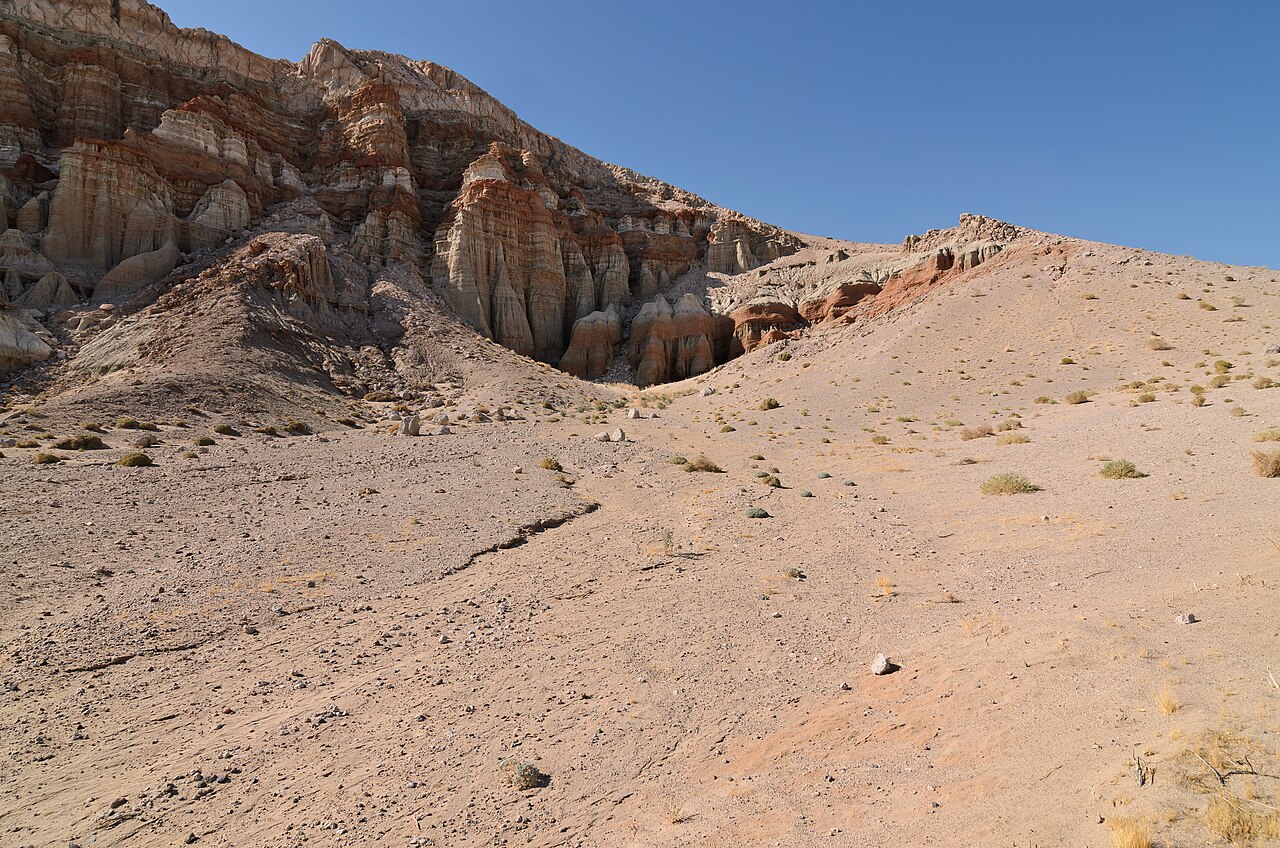
The primary way to experience the park is via the 13-Mile Scenic Drive. This one-way loop road provides access to the most popular trailheads and overlooks in the conservation area. As you wind through the canyon, you will witness the dramatic transition from the red Aztec Sandstone to the gray limestone of the Keystone Thrust. There are numerous pullouts along the way, each offering a different perspective of the towering cliffs and wide valley floors.
The drive is perfect for those who have limited time or prefer to see the sights from their vehicle. The High Point Overlook is a mandatory stop, sitting at nearly 4,800 feet above sea level and offering a panoramic view that stretches all the way to the Las Vegas Strip. Along the route, you'll find interpretive signs that explain the complex geology and history of the area. Even if you aren't a hiker, the drive itself is a world-class experience that showcases the scale and color of the Nevada desert. Remember that this is a one-way road, so if you miss a turn-off, you'll have to complete the loop to get back.
Hiking the Vibrant Calico Hills
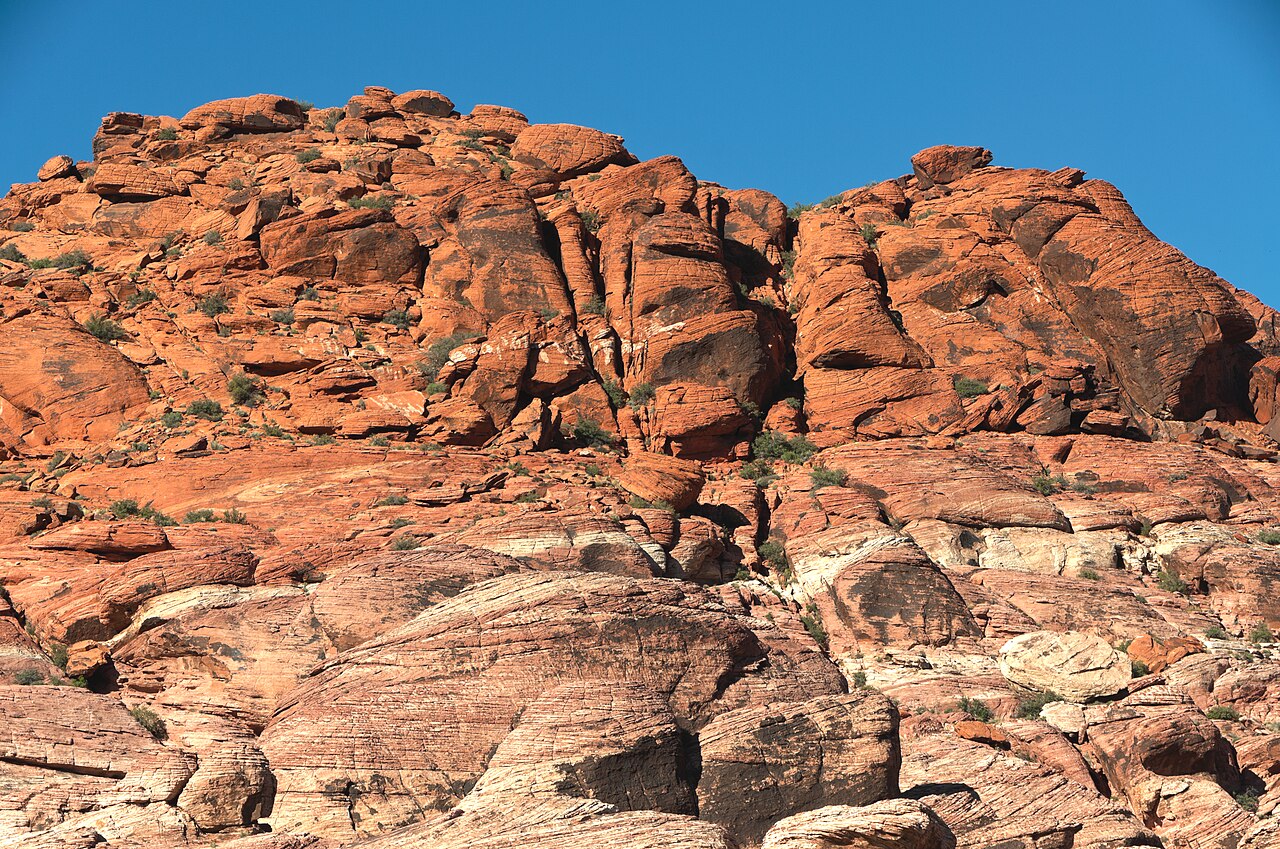
For many, the Calico Hills are the star of the show. These brilliant red mounds of sandstone offer a variety of hiking opportunities ranging from easy walks to challenging scrambles. The Calico Hills Trail runs along the base of the rocks, connecting several parking areas and allowing you to customize your distance. If you are feeling adventurous, you can venture off the maintained trails and scramble directly onto the rocks, where you'll find hidden alcoves, small caves, and unique 'tinajas'ânatural depressions that hold rainwater.
This area is particularly popular with families and photographers because of the intense color contrast between the red rocks and the blue sky. The terrain can be uneven, so sturdy footwear is a must even for short explorations. As you hike, look for the 'desert varnish'âa dark coating on the rocks created by microbes over thousands of years. The Calico Hills provide a tactile way to experience the geology of Red Rock, where you can literally touch the ancient sand dunes that have been compressed into stone over millions of years.
World-Class Rock Climbing
Red Rock Canyon is internationally renowned as one of the premier rock climbing destinations in the United States. The sandstone here is famous for its friction and variety, offering everything from short sport routes to massive multi-pitch traditional climbs that rise over a thousand feet. Areas like the Gallery and the Panty Wall are popular for those looking for accessible sport climbing, while the deep canyons like Pine Creek and Icebox offer cooler temperatures and epic trad lines.
Climbers come from all over the world to test their skills on the unique features of the Aztec Sandstone. Because the rock is porous, it is extremely important to follow local ethics: never climb on the sandstone for at least 24 to 48 hours after it rains, as the moisture makes the rock fragile and prone to breaking. Whether you are a seasoned pro or a beginner taking a guided lesson, the sheer volume of routes ensures that you can spend weeks here and never climb the same line twice. The climbing community is active and welcoming, often gathering at the local campgrounds to share stories after a day on the walls.
Book this experience
Rock Climbing at The Kraft Boulders
Varies (estimate) · Partner link · Viator
Searching for Desert Wildlife
While the desert might look barren at first glance, it is actually home to a diverse array of wildlife adapted to the harsh environment. The most famous resident is the Mojave Desert Tortoise, a threatened species that can live for over 50 years. These quiet creatures are most active in the spring and early fall, and if you are lucky enough to spot one, remember to keep your distance and never touch them. Bighorn sheep are another common sight, often seen perched precariously on the steep limestone cliffs near the back of the scenic loop.
Birdwatchers will find plenty to enjoy as well, with golden eagles, red-tailed hawks, and the charismatic roadrunner all making appearances. In the cooler, shaded canyons, you might even find amphibians near the seasonal pools. To increase your chances of wildlife sightings, visit during the early morning or late evening when the temperatures are lower and animals are more active. Bring a pair of binoculars and keep a quiet profile; the desert rewards those who take the time to sit still and observe the subtle movements among the scrub brush and cacti.
Family Activities and Rainy Day Options
Red Rock is an excellent destination for families with children. The Visitor Center is a great first stop, featuring indoor and outdoor exhibits that teach kids about the local flora, fauna, and geology. The 'Tortoise Habitat' at the visitor center allows children to see the park's mascots in a safe environment. For a kid-friendly hike, the Lost Creek Childrenâs Discovery Trail is a short loop that features interpretive signs, desert plants, and even a small seasonal waterfall that is a huge hit with younger explorers.
If the weather turns sour and rain begins to fall, your options within the park become more limited due to the risk of flash floods and the fragility of the sandstone. However, a rainy day is a perfect time to focus on the Visitor Center's museum and bookstore, or to take a slow drive along the scenic loop to watch the mist roll over the peaks. The colors of the rocks often deepen and become more vibrant when wet, providing a unique aesthetic for car-based sightseeing. Just remember to stay out of the washes and avoid any hiking until the ground has had a chance to dry out.