
Located just 20 miles from the Las Vegas Strip, Red Rock Canyon is the perfect escape for those seeking natural beauty and outdoor physical activity. While many visitors only spend a few hours driving the loop, a multi-day itinerary allows you to truly immerse yourself in the canyons, peaks, and history of the Mojave Desert. This guide assumes you are flying into Harry Reid International Airport (LAS) and staying in the nearby Summerlin area or camping within the conservation area itself.
Day 1: Introduction to the Crimson Cliffs
Start your first day early to beat the crowds at the entrance. Your first stop should be the Visitor Center to pick up a map and check for any trail closures or wildlife sightings. After the Visitor Center, drive to the first few pullouts of the 13-mile loop. Spend your morning at the Calico Hills. Park at the first overlook and hike the Calico Hills Trail toward Sandstone Quarry. This area is the quintessential Red Rock experience, with vibrant red boulders and plenty of spots for light scrambling.
In the afternoon, continue along the scenic drive to the Sandstone Quarry parking area. From here, hike to the Calico Tanks. This 2.5-mile round-trip trail leads you through a hidden canyon to a natural water catchment (a tank) with a spectacular hidden view of the Las Vegas skyline framed by red rocks. Itâs a moderate hike that involves some rocky steps but is highly rewarding. End your day by finishing the scenic loop and heading back to your base for a hearty dinner, keeping in mind that the sun sets quickly behind the Spring Mountains, bringing an early cool to the desert air.
Day 2: Deep Canyons and High Points
On your second day, focus on the dramatic verticality of the canyons located on the west side of the loop. Begin with a hike into Icebox Canyon. This trail takes you deep into a shaded canyon where the temperature is significantly lower than the surrounding desert. The hike requires some boulder hopping, but the reward is the towering walls that block out the sun and, depending on the season, a seasonal waterfall at the end. It is a stark contrast to the sun-drenched hills of Day 1.
After emerging from the canyon, drive to the High Point Overlook, the highest accessible point on the road. This is the best spot for a picnic lunch with a view. In the afternoon, head to Pine Creek Canyon. This trail is famous for the ruins of an old homestead and the lush vegetation, including large Ponderosa pines that seem out of place in the desert. The trail is relatively flat and offers a relaxing way to spend the afternoon while looking up at the massive technical climbing routes on the peaks above. This day showcases the ecological diversity of the park beyond just the red rocks.
Day 3: History and Hidden Gems
For your final day, explore the southern end of the conservation area and some of its historical sites. Start at the Willow Springs Picnic Area and walk the Petroglyph Wall Trail. This is a very short, easy walk that leads to a cliff face covered in ancient Native American rock art. Itâs a powerful reminder of the people who have called this desert home for thousands of years. Nearby, you can explore the Lost Creek Childrenâs Discovery Trail, which offers a great look at desert plants and a small waterfall.
If you have the energy for one last challenge, consider the Keystone Thrust hike. This trail leads you to the geological point where older limestone was pushed over younger sandstoneâa fascinating site for anyone interested in how these mountains were formed. Alternatively, if you prefer a more laid-back final afternoon, you can head outside the main scenic loop to the Red Spring Boardwalk in Calico Basin. This area features lush meadows fed by natural springs and is a great spot for birdwatching and photography without the need for a timed entry reservation. Itâs a peaceful way to wrap up your desert adventure before heading back to the city.
Transportation and Logistics
Getting to Red Rock Canyon is straightforward, as it is located about a 30-minute drive from the heart of Las Vegas. Most visitors rent a car at Harry Reid International Airport, which is the most convenient way to navigate the area. There is no public transportation that goes directly into the park, and ride-sharing services can be unreliable for the return trip since cell service is extremely spotty once you enter the scenic loop. Make sure your vehicle has a full tank of gas, as there are no fuel stations inside the park.
Budgeting for your trip should include the per-vehicle entry fee and any rental costs. If you plan to visit multiple National Parks or BLM sites within a year, consider using an annual pass which is accepted here. Food options within the park are non-existent, so you will need to pack plenty of water and snacks. The nearby suburb of Summerlin offers a wide range of grocery stores and restaurants where you can stock up before heading into the canyon. Planning these logistics ahead of time ensures you spend more time on the trails and less time worrying about supplies.
Travel Tips for a Smooth Journey
To make the most of your Red Rock Canyon itinerary, keep a few desert-specific tips in mind. First, always carry more water than you think you need; the dry air dehydrates you faster than you realize, even in cool weather. A good rule of thumb is at least one gallon per person per day. Second, be aware that cell service is almost non-existent inside the scenic loop. Download your maps for offline use or bring a physical map from the Visitor Center to ensure you stay on course.
Check the official NPS or BLM website the morning of your visit for the most current weather conditions and any potential trail closures. The weather can change rapidly, and being informed is your best safety measure. Finally, respect the 'Leave No Trace' principles. The desert ecosystem is incredibly fragileâbiological soil crusts can take decades to recover from a single footstep, and the sandstone is easily damaged. Stay on marked trails, pack out all your trash, and leave the rocks and artifacts as you found them so that future generations can enjoy the same pristine beauty.
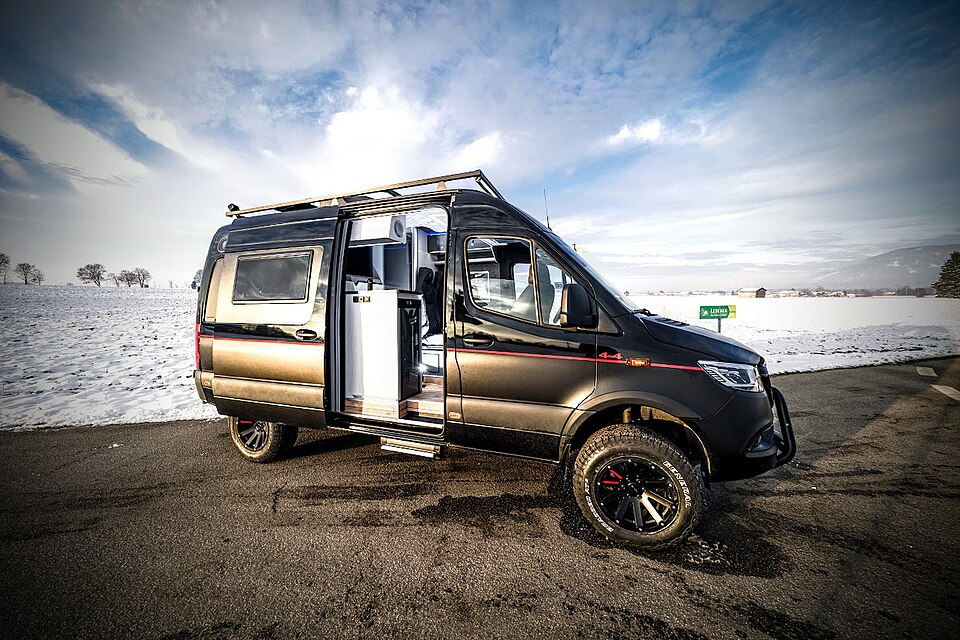
More ways to book Red Rock Canyon
 Illustrative · Diego Angel
Sprinter Adventure Van
Small enough to park at the trailhead, comfy enough to sleep in.
$189/day (estimate)
Direct link · RVshare