
For those who want to experience the rugged beauty of the Mojave Desert without sacrificing the comforts of a plush bed and modern amenities, glamping near Red Rock Canyon is the perfect solution. While the National Conservation Area itself offers traditional primitive camping, the surrounding valleys and nearby gateway communities have seen a rise in luxury outdoor stays. Imagine watching the sunset turn the sandstone cliffs to fire while sitting on a private deck, then retreating to a climate-controlled tent or a stylishly renovated vintage trailer.
What to Expect from Desert Glamping
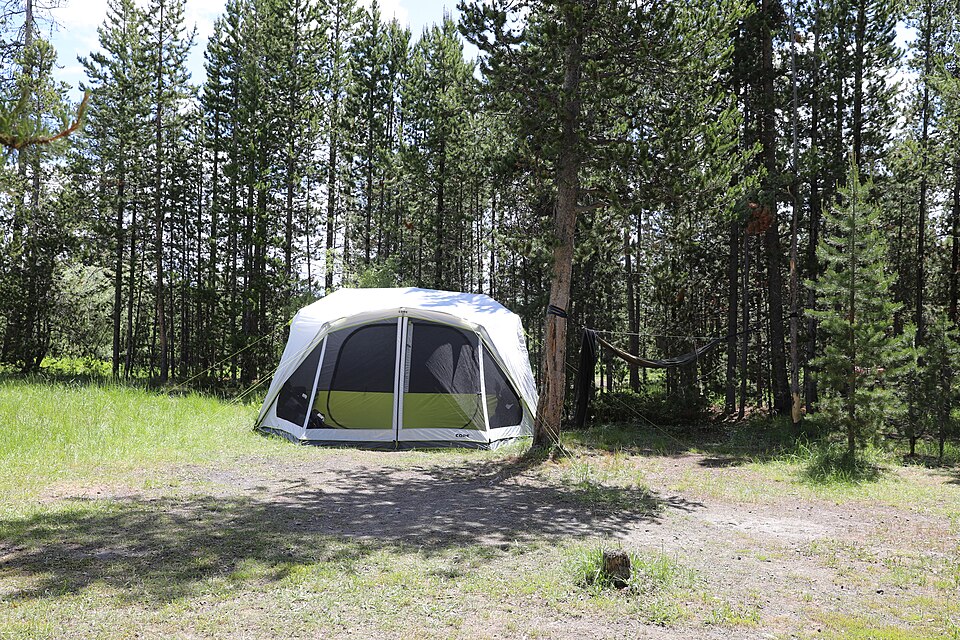
Glamping in the Red Rock region typically involves high-end canvas wall tents, geodesic domes, or refurbished Airstreams located on private land just outside the park boundaries. Unlike traditional camping, these accommodations often feature real mattresses, fine linens, and sometimes even en-suite bathrooms or outdoor soaking tubs. The goal is to provide a seamless connection with nature while maintaining the comforts of a boutique hotel. Many sites are designed to maximize the views of the Spring Mountains and the wide-open desert sky.
You can expect amenities like solar-powered lighting, fire pits for evening gatherings, and locally sourced breakfast baskets. Because the desert gets quite cold at night, most glamping setups include high-quality heaters or heavy wool blankets to keep you cozy. It is a way to experience the 'wild' side of Nevadaâcomplete with howling coyotes and brilliant stargazingâwithout the hassle of pitching a tent or sleeping on the hard ground. It appeals to couples looking for a romantic getaway and travelers who want a unique, Instagram-worthy basecamp for their hiking adventures.
Gateway Areas for Luxury Stays
Since glamping is not permitted within the official Bureau of Land Management campground inside Red Rock Canyon, you will find these experiences in the nearby gateway areas. The Calico Basin area, which sits just outside the main scenic loop entrance, often has private property listings for unique outdoor stays. Further out, the town of Blue Diamond offers a quaint, rustic atmosphere where you might find eclectic glamping options tucked away near mountain biking trails.
Another popular area for these types of accommodations is the Pahrump Valley or the outskirts of Sandy Valley, which are a bit further of a drive but offer true desert isolation and stunning vistas. These locations allow you to enjoy the quiet of the desert at night while remaining within a 30 to 45-minute drive of the Red Rock trailheads. When searching for a place to stay, look for properties that emphasize their proximity to the conservation area while offering unobstructed views of the desert horizon. These gateway communities provide a perfect middle ground between the chaos of the city and the total wilderness of the backcountry.
Seasonal Considerations for Glampers
Timing your glamping trip is crucial for maximum comfort. The best seasons for a luxury outdoor stay are spring and fall. During these months, the daytime temperatures are pleasant for lounging outdoors, and the nighttime temperatures are cool enough to enjoy a campfire without being uncomfortably cold. Spring glamping offers the added bonus of seeing the desert in bloom, while fall provides the clearest skies for stargazing.
Winter glamping is possible but requires a site with reliable heating, as desert temperatures can drop below freezing once the sun goes down. Most glamping operators will provide detailed information about their heating systems and the type of gear you should bring. Summer, however, can be a challenge. Even the most luxurious canvas tent can become quite hot during a 110-degree Nevada afternoon. If you plan to glamp in the summer, ensure your accommodation has air conditioning or evaporative cooling, and plan to spend the hottest part of the day exploring the air-conditioned sights in nearby Summerlin or Las Vegas.
Glamping vs. Traditional Camping and RVs
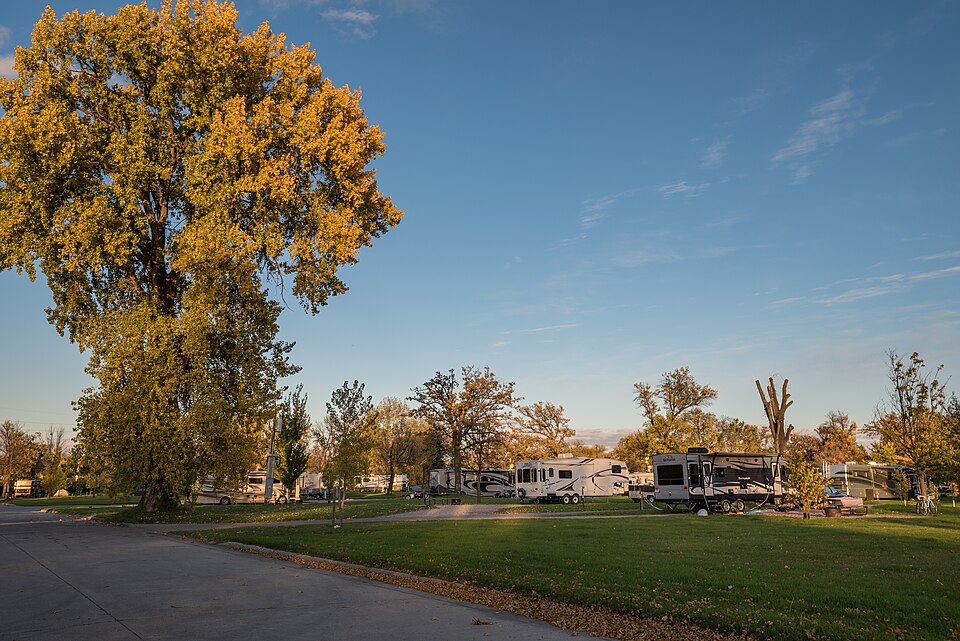
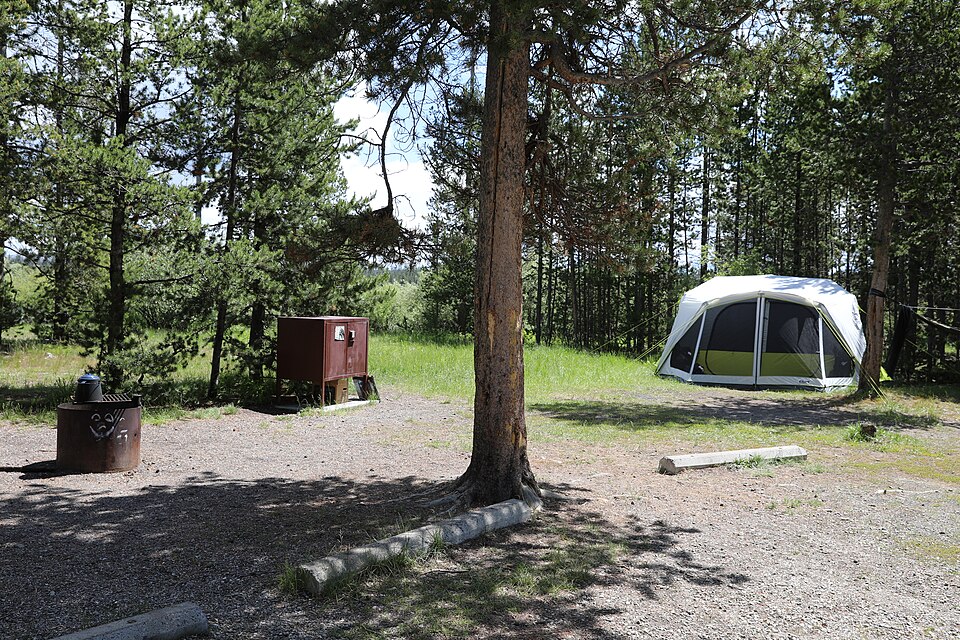
Choosing between glamping, traditional camping, and an RV depends on the level of immersion and comfort you desire. The Red Rock Canyon Campground offers traditional primitive sites which are perfect for those who want to be as close to the trails as possible and don't mind pit toilets and no running water. Traditional camping is much more affordable but requires you to bring all your own gear, including shade structures and plenty of water.
RVs offer a middle ground, providing a hard roof and private kitchen, but there are no hookups within the park's official campground, meaning you must be prepared for 'dry camping.' Glamping stands out by removing the logistical burden entirely. You don't need to haul a trailer or pack a sleeping bag; you simply show up. For many, the higher cost of glamping is justified by the time saved and the quality of sleep, allowing them to be fully rested for long hikes the next day. Itâs the ideal choice for those who love the idea of the desert but prefer the reality of a soft pillow.
Planning and Budgeting for Your Stay
Glamping is a premium experience, and the costs reflect the amenities provided. Prices for a luxury tent or dome can range significantly depending on the season and the level of luxury, often rivaling the rates of mid-range hotels in Las Vegas. When budgeting, consider that you are paying for the location, the view, and the unique atmosphere that a standard hotel room simply cannot provide. Many glamping sites also offer add-ons like guided hikes, yoga sessions, or stargazing tours, which can add to the overall cost but enhance the experience.
It is essential to book your glamping stay well in advance, especially during the peak spring and fall months, as these unique properties often have limited capacity and fill up quickly. Always check the cancellation policy and read descriptions carefully to understand what is includedâsome sites may be completely off-grid with limited electricity, while others offer full modern connectivity. For the most up-to-date information on park access and any restrictions that might affect your stay, always consult the official Red Rock Canyon National Conservation Area website before you arrive.