
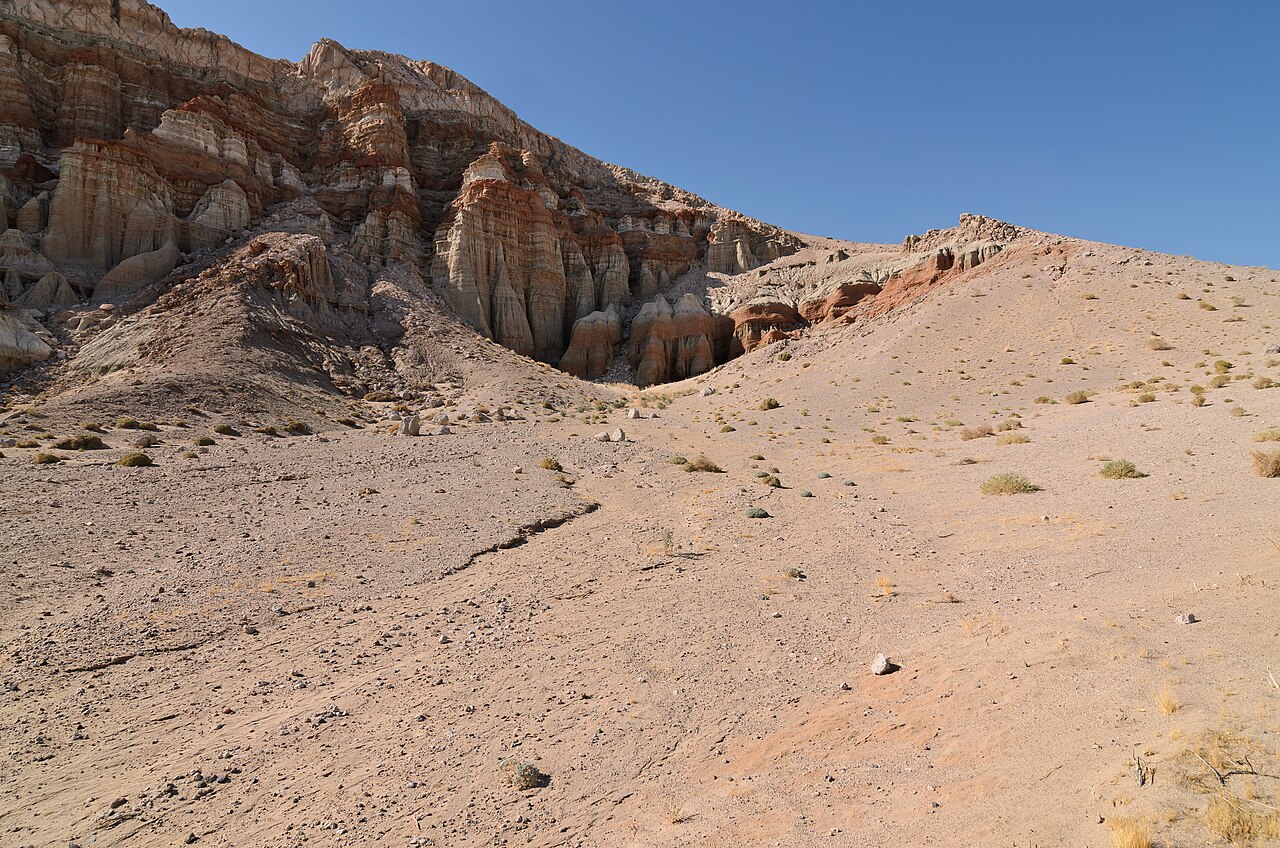
Red Rock Canyon National Conservation Area offers a dramatic Mojave Desert landscape just a short drive from the bright lights of the Las Vegas Strip. Finding the right time to visit is essential, as the high desert environment swings between extreme heat and surprising winter chills. Most visitors aim for the temperate transitions of spring and fall, when the Aztec Sandstone is comfortable to touch and the desert wildflowers begin their brief, vibrant displays across the valley floor.
Spring Blooms and Pleasant Trails
Spring is widely considered the absolute best time to visit Red Rock Canyon. From March through May, the temperatures are typically mild, ranging from the mid-60s to the low 80s, making it the perfect window for long-distance hiking on the Keystone Thrust or Calico Tanks trails. During these months, the desert comes alive with greenery and bursts of color from globemallow, desert marigolds, and the iconic Joshua trees.
Because the weather is so reliable, this is also the busiest season for rock climbers who flock to the world-class sandstone walls. If you plan to visit during spring, be aware that you will be sharing the 13-mile scenic drive with many other sightseers. The wildlife is particularly active now, so keep your eyes peeled for desert tortoises emerging from their burrows or bighorn sheep grazing near the rocky outcrops. It is a time of renewal and the most comfortable atmosphere for those who want to spend the entire day outdoors without the burden of intense desert heat.
Lock in a stay for this season
RV parks near Red Rock Canyon on RoverPass
Partner link · RoverPass
Navigating the Intense Summer Heat
Summer in the Mojave Desert is a test of endurance and requires careful planning. From June through August, daily high temperatures frequently soar above 100 degrees Fahrenheit. During this period, the canyon acts like a heat sink, radiating warmth off the red rocks even after the sun begins to set. For those who choose to visit in summer, the golden rule is to start as early as possibleâideally right at dawnâand finish all strenuous activity by 10:00 AM.
While the heat is formidable, summer visitors often enjoy much thinner crowds and a sense of solitude that is hard to find in the spring. If you are exploring during the summer, focus on the scenic drive from the comfort of an air-conditioned vehicle, stopping only at overlooks for quick photographs. Sudden afternoon monsoon thunderstorms are common in late summer, which can cause flash flooding in the washes. Always check the official weather forecasts and park alerts before heading out, as these storms can be as dangerous as the heat itself.
Lock in a stay for this season
Campsites near Red Rock Canyon on Campspot
Partner link · Campspot
Fall: The Return of Ideal Conditions
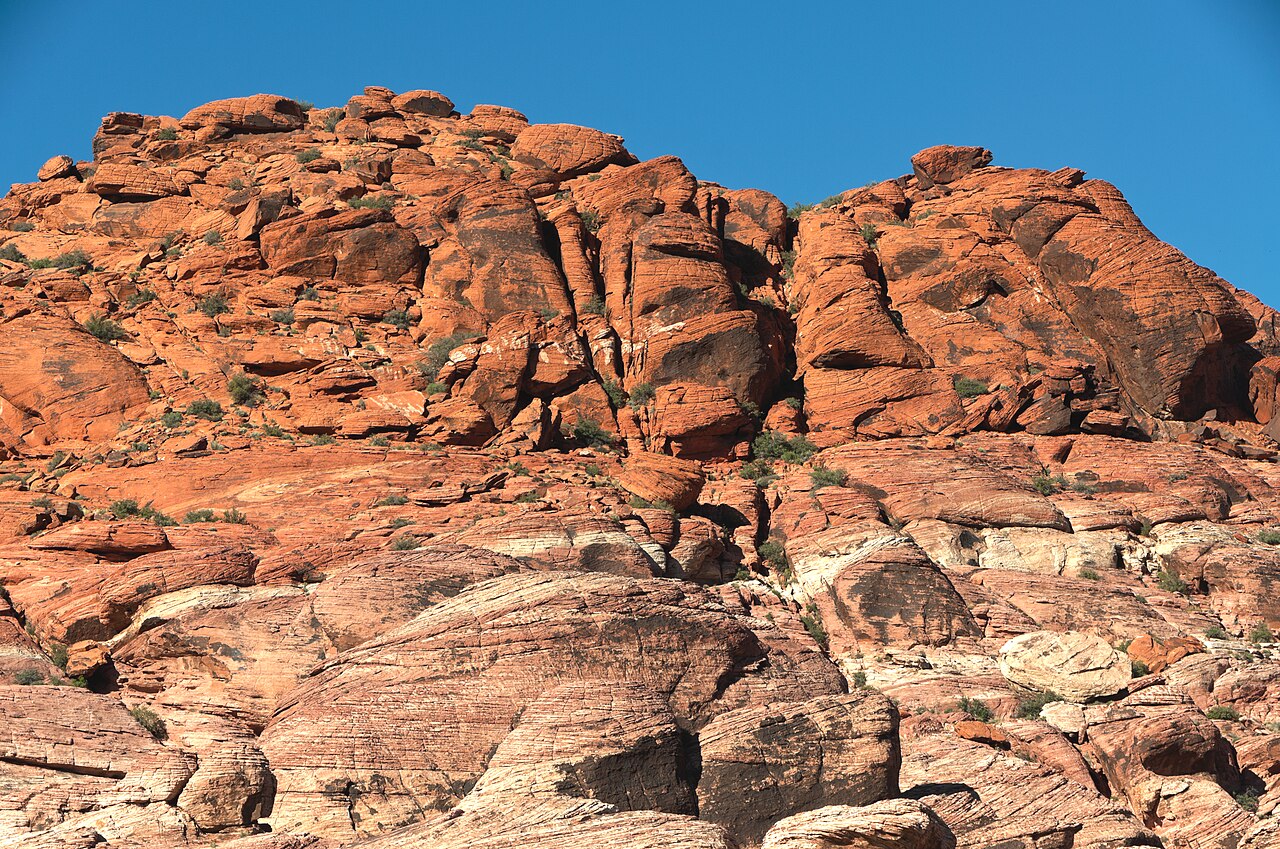
As the summer heat wanes in late September and October, Red Rock Canyon enters its second peak season. Fall offers stable, dry weather and crisp air that provides incredible visibility across the Las Vegas Valley. This is a favorite time for photographers, as the lower angle of the sun deepens the red and orange hues of the sandstone cliffs, creating a spectacular contrast against the deep blue Nevada sky. The temperatures return to a comfortable range, similar to spring, allowing for full-day excursions without the risk of heat exhaustion.
Fall is also a prime time for mountain biking and technical climbing. The lack of spring wind makes it particularly favorable for those looking to scale the massive walls of the Icebox Canyon or Pine Creek Canyon. However, because the days are getting shorter, you must plan your hikes to ensure you are back at the trailhead before dusk. Like spring, the popular trailheads can fill up quickly on weekends, so arriving early remains a top priority for any fall itinerary.
Lock in a stay for this season
Harvest Hosts stays on the way to Red Rock Canyon
Partner link · Harvest Hosts
Winter Solitude and Snow-Capped Peaks
Winter at Red Rock Canyon, spanning December through February, is a hidden gem for those who don't mind a bit of a chill. While the desert is often associated with heat, winter temperatures can drop into the 30s at night, and daytime highs often hover around the 50s. It is not uncommon to see a light dusting of snow on the highest peaks of the Spring Mountains, which provides a stunning backdrop to the red sandstone below. Hiking in winter is actually quite pleasant as long as you dress in layers to manage the fluctuating temperatures.
Crowds are significantly thinner during the weekdays in winter, though holidays can still bring in large groups. One major advantage of a winter visit is the clarity of the air, which makes the panoramic views from the High Point Overlook even more impressive. You should be prepared for occasional rain or icy patches on shaded trails, especially in deep canyons like Icebox Canyon where the sun rarely reaches the floor. It is a quiet, contemplative time to experience the desert's stark beauty.
Understanding the Reservation System
Due to its immense popularity and proximity to a major metropolitan area, Red Rock Canyon implemented a timed entry reservation system for the Scenic Drive. This system typically runs from late autumn through spring to manage the high volume of traffic and protect the fragile desert ecosystem. It is vital to check the official National Conservation Area website or the Bureau of Land Management pages well in advance of your trip to secure a time slot. Without a reservation, you may find yourself turned away at the gate during peak hours.
Planning your entry time is just as important as choosing the season. Early morning slots are the most coveted, as they allow you to beat both the heat and the midday rush. If you miss out on a morning slot, late afternoon entries can offer beautiful sunset views, though you will have less time for hiking. Budgeting for the entry fee is also necessary; costs are generally modest per vehicle, but they contribute directly to the maintenance of the trails and facilities. Always have a digital or printed copy of your reservation ready for the rangers at the entrance station.
More ways to book Red Rock Canyon
 Illustrative · Sixflashphoto
Rock Climbing at The Kraft Boulders
One of the classic ways to experience Red Rock Canyon.
Varies (estimate)
Partner link · Viator