
Organ Pipe Cactus National Monument is a treasure trove of Sonoran Desert biodiversity, offering visitors a chance to see rare plants and rugged landscapes found nowhere else in the United States. Whether you are an avid hiker, a photography enthusiast, or a road tripper looking for scenic vistas, the monument provides a diverse range of activities. From the towering volcanic peaks to the hidden desert oases, there is something here for every level of adventurer.
Scenic Drives: Ajo Mountain and Puerto Blanco
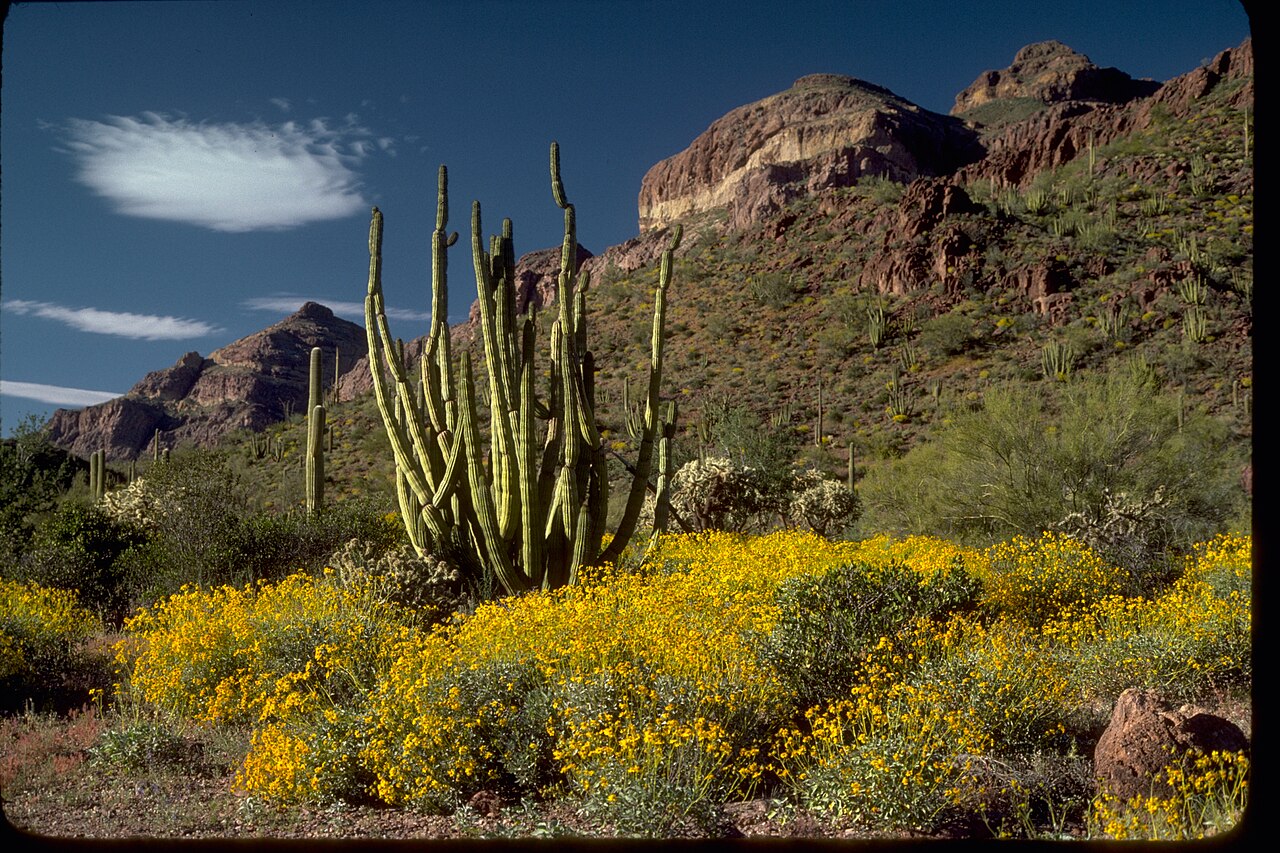
One of the most popular ways to experience the park is by taking a scenic drive. The Ajo Mountain Drive is a 21-mile, one-way loop that winds through the foothills of the Ajo Range. This graded dirt road is generally accessible to most passenger vehicles and offers spectacular views of massive organ pipe and saguaro cacti framed by jagged rock formations. Along the way, there are numerous pullouts where you can stop to read interpretive signs about the local ecology or take short walks to see features like the Arch Canyon.
For those with more time and a sturdy vehicle, the North and South Puerto Blanco Drives offer a more remote experience. These roads trace the western side of the park and provide access to the historic Quitobaquito Springs. While the North Puerto Blanco Drive is mostly accessible, the South portion often requires high-clearance vehicles. These drives allow you to see the transition between different desert microclimates and provide a sense of the vast, untouched scale of the Arizona-Sonora borderlands.
Hiking the Desert Trails
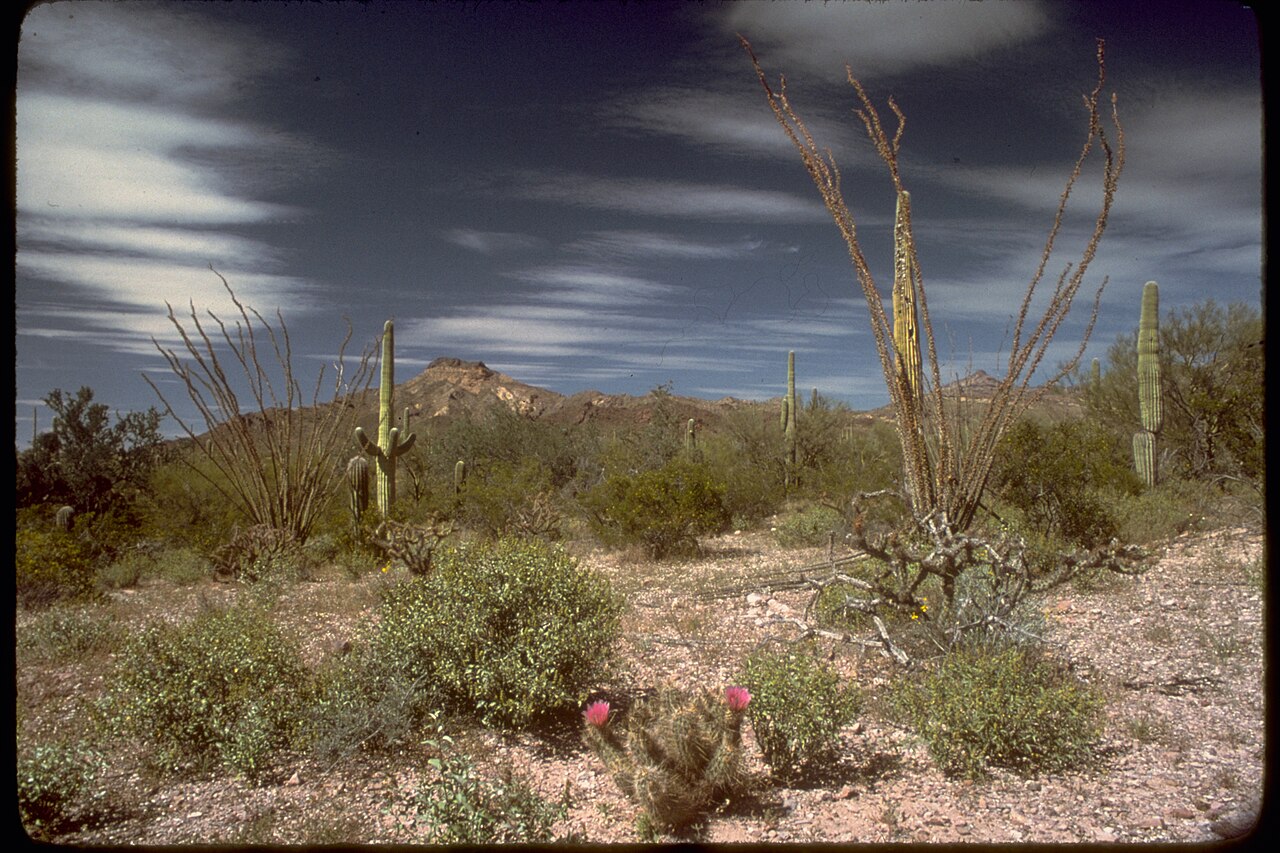
Hiking is the best way to get up close to the unique flora of the monument. The Desert View Trail is a gentle, 1.2-mile loop near the campground that is perfect for families and offers beautiful sunset views. For a more challenging trek, the Bull Pasture Trail climbs steeply into the Ajo Mountains. This 3.5-mile round-trip hike rewards you with panoramic vistas of the surrounding desert and the mountains of Mexico in the distance. The trail is rocky and requires good footwear, but the views of the sheer cliffs and hidden valleys are unparalleled.
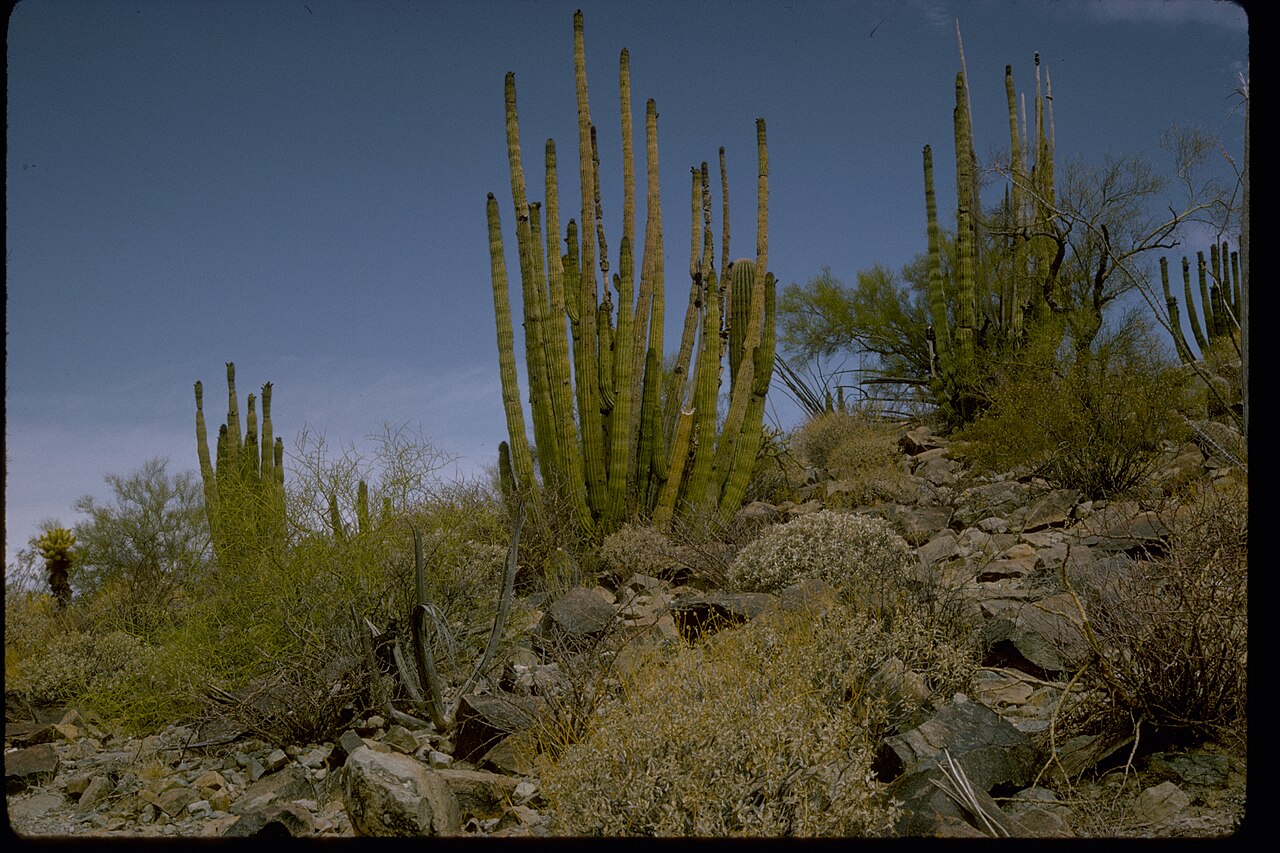
Another excellent option is the Victoria Mine Trail, which leads you to the site of one of the oldest silver and gold mines in the region. This 4.4-mile hike is relatively flat and takes you through dense stands of cacti, providing plenty of opportunities to see the rare organ pipe cactus, which is distinguished by its multiple stems rising from a single base. Always remember to carry at least one gallon of water per person when hiking in the desert, even during the cooler months, as the dry air can lead to rapid dehydration.
Wildlife Viewing and Birdwatching
Despite its harsh appearance, the monument is home to a surprising array of wildlife. Birdwatchers flock here to spot species such as the Gila woodpecker, Gambel’s quail, and the cactus wren, which often builds its nests among the protective thorns of the cholla cactus. In the early morning or late evening, you might be lucky enough to see javelinasâpig-like mammalsâforaging for prickly pear fruit, or a coyote trotting through the brush. The park is also home to the endangered Sonoran pronghorn, though they are elusive and rarely seen near the main roads.
Reptiles are also common, including various species of rattlesnakes and the colorful Gila monster. While these animals should be admired from a distance, seeing them in their natural habitat is a highlight of any trip. The presence of water at Quitobaquito Springs attracts even more wildlife, including the endangered desert pupfish and the Sonoran mud turtle. These tiny creatures survive in a delicate balance within the spring-fed pond, representing a fascinating example of desert adaptation that has persisted for thousands of years.
Exploring History at Quitobaquito Springs
Located in the southwestern corner of the monument, Quitobaquito Springs is a rare desert oasis with a long history of human use. For centuries, the O'odham people and earlier inhabitants relied on these springs as a vital water source in an otherwise arid landscape. Today, the area features a small pond surrounded by cottonwood and willow trees, creating a lush contrast to the surrounding cactus forest. A short, accessible trail loops around the pond, offering a peaceful place for reflection and nature study.
Because of its proximity to the international border, access to Quitobaquito can occasionally be restricted, so it is important to check the current status at the Kris Eggle Visitor Center before heading out. The springs are not just a historical site but a critical ecological refuge. The water here supports plants and animals that could not survive elsewhere in the park. Visiting this site provides a deeper understanding of the cultural heritage of the Sonoran Desert and the importance of preserving these rare water sources for future generations.
Night Skies and Stargazing
One of the most overlooked activities at Organ Pipe Cactus National Monument is looking up after the sun goes down. The park is a certified International Dark Sky Park, meaning it has some of the clearest and darkest skies in the lower 48 states. Far from the light pollution of major cities like Tucson or Phoenix, the Milky Way is often visible to the naked eye, stretching across the horizon in a brilliant band of light.
During the winter months, rangers often host night sky programs, providing telescopes and expert guidance on identifying constellations and planets. Even without a formal program, simply sitting outside your tent or RV at the Twin Peaks Campground offers a celestial show that is hard to beat. The silence of the desert night, punctuated only by the occasional call of an owl or the rustle of a kangaroo rat, creates a profound sense of connection to the universe. Be sure to bring a red-light flashlight to preserve your night vision while you explore the park under the stars.