
Located in the heart of the Sonoran Desert, Organ Pipe Cactus National Monument is a land of extremes where timing defines your entire experience. Unlike the high-altitude parks of the north, this monument thrives when most of the country is shivering, offering a warm refuge under the Arizona sun. Understanding the nuances of the desert seasons will help you catch the rare cactus blooms or avoid the intense heat of the summer months.
Winter: The Peak Season for Desert Exploration
Winter, spanning from November through February, is widely considered the best time to visit Organ Pipe Cactus National Monument. During these months, daytime temperatures typically hover in the comfortable 60s and 70s, providing perfect conditions for long hikes through the Ajo Range or scenic drives along Ajo Mountain Drive. The sun is bright but lacks the punishing intensity of the summer months, allowing for full days of outdoor activity.
Because this is the peak season, the Twin Peaks Campground often reaches capacity, particularly in January and February. You should anticipate a busier atmosphere at popular trailheads, though the park remains far less crowded than Arizona’s larger national parks. Nighttime temperatures can drop significantly, sometimes reaching near freezing, so packing layers is essential for those planning to stargaze or camp under the clear desert skies. This is also the best time for birdwatching, as many species migrate through the lush desert washes during the cooler months.
Lock in a stay for this season
RV parks near Organ Pipe Cactus National Monument on RoverPass
Partner link · RoverPass
Spring: The Season of Wildflowers and Blooms
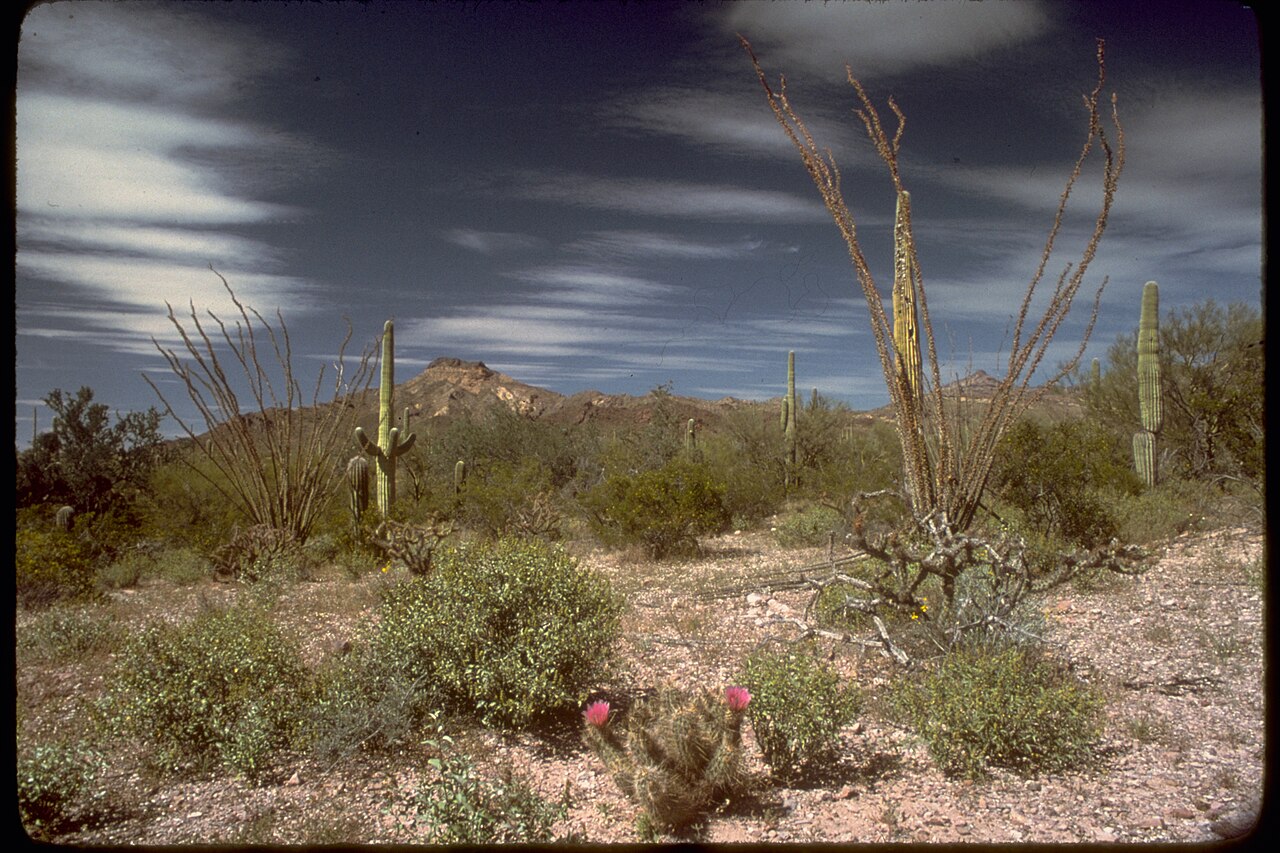
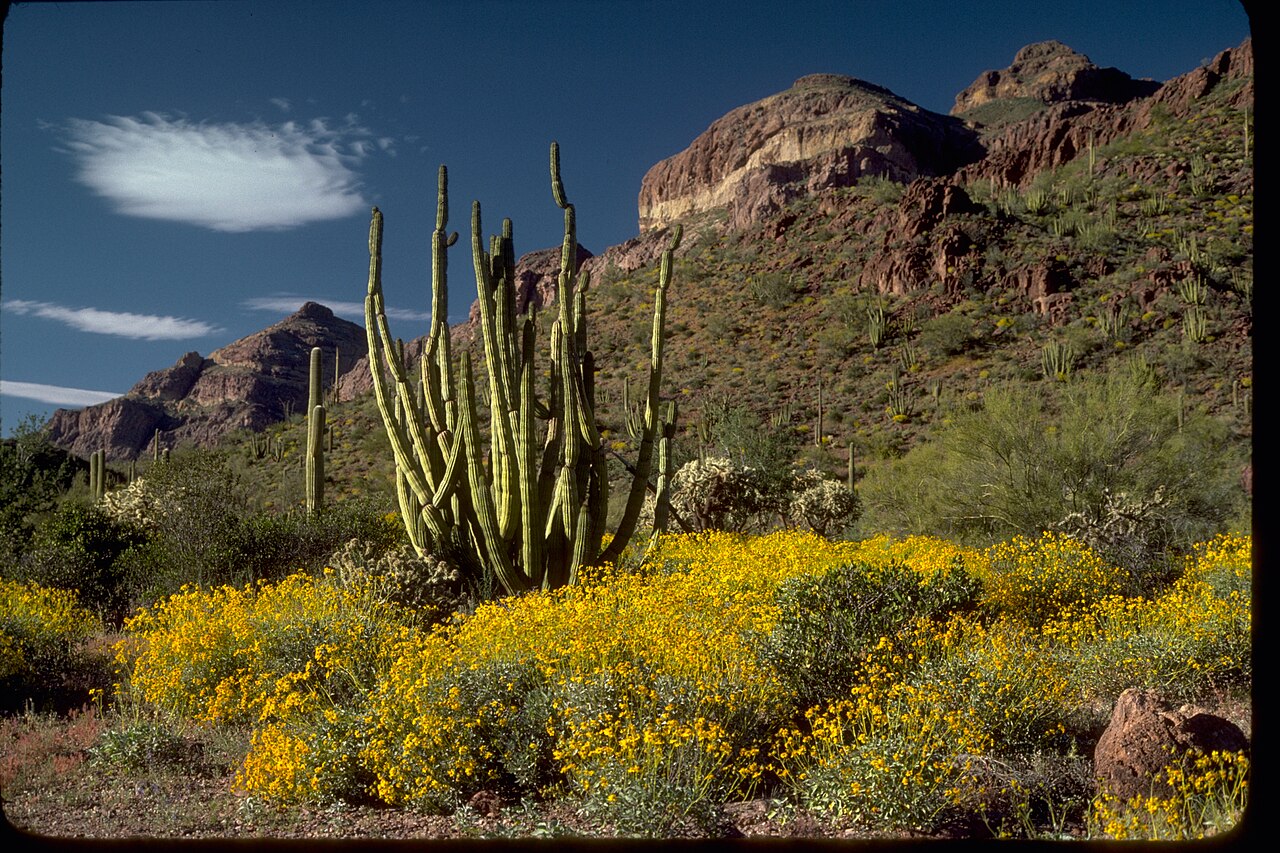
Spring is a magical transition period in the Sonoran Desert, typically occurring from March through April. This is when the desert floor comes alive with color, especially if the region received adequate winter rainfall. While the iconic organ pipe and saguaro cacti usually bloom later in the season, the early spring brings a carpet of Mexican gold poppies, lupine, and owl’s clover. The sight of the rugged volcanic landscape draped in vibrant yellows and purples is a highlight for many visitors.
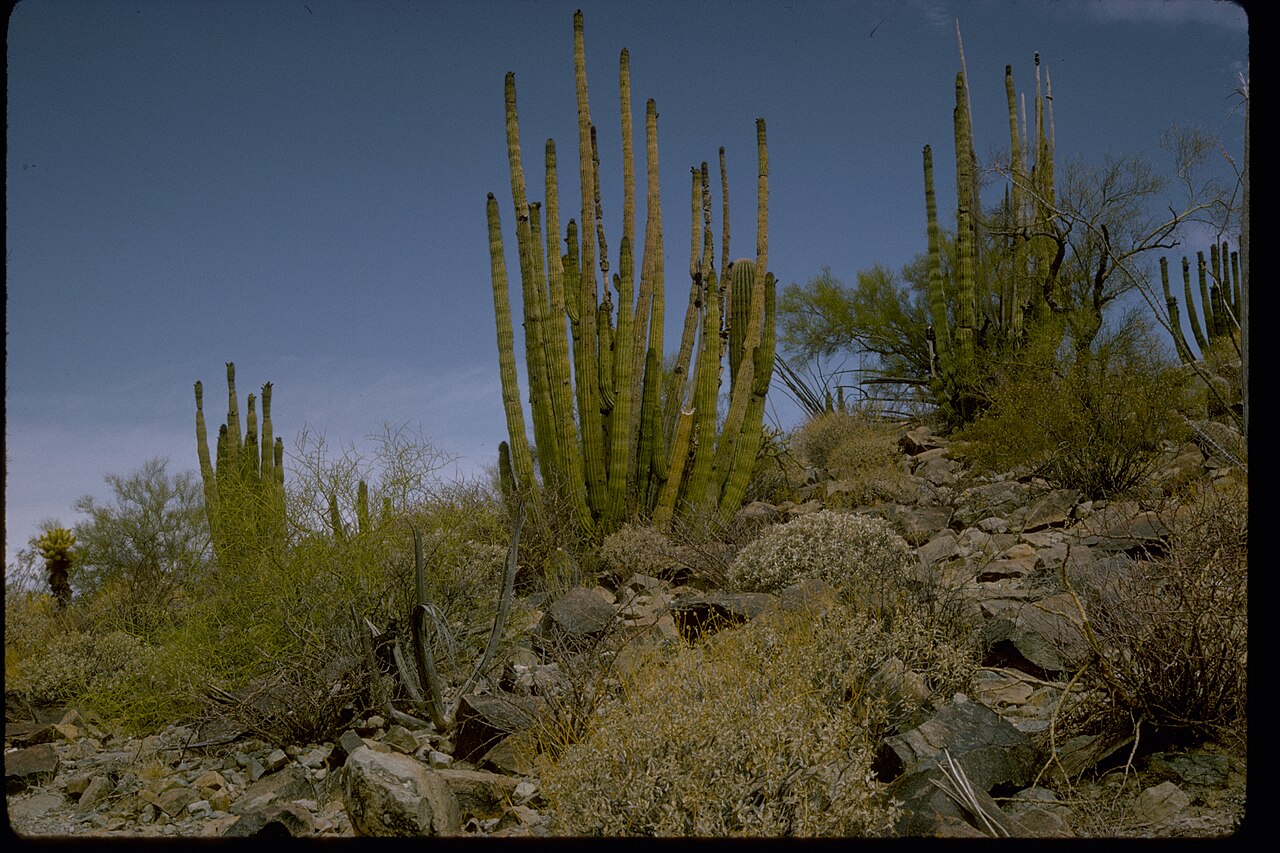
Temperatures in the spring begin to climb, often reaching the 80s or low 90s by late April. This makes early morning excursions vital. If you plan to visit during this window, you should check the official park site for bloom updates, as the peak flower display can vary by several weeks each year. This is also a popular time for photography, as the soft morning light against the green cactus stalks and colorful blossoms creates stunning compositions that are unique to this international biosphere reserve.
Lock in a stay for this season
Campsites near Organ Pipe Cactus National Monument on Campspot
Partner link · Campspot
Summer: Navigating the Intense Sonoran Heat
Summer in Southern Arizona is not for the faint of heart, with temperatures frequently soaring above 100 degrees Fahrenheit from May through September. During this time, the park experiences a significant drop in visitation, offering a sense of profound solitude for those who brave the heat. However, outdoor activities are strictly limited to the very early morning hours. By noon, the heat can be dangerous, making air-conditioned drives the only viable way to see the park.
The late summer also marks the arrival of the monsoon season. High-intensity thunderstorms can roll in rapidly, bringing dramatic lightning displays and much-needed rain to the parched landscape. These storms can cause flash flooding in desert washes and may lead to temporary road closures. If you visit in summer, always monitor the forecast for storm warnings. The benefit of a summer visit is seeing the cacti fully hydrated and green, often sprouting their fruit, which provides a vital food source for local wildlife like the white-winged dove.
Lock in a stay for this season
Harvest Hosts stays on the way to Organ Pipe Cactus National Monument
Partner link · Harvest Hosts
Fall: A Quiet Return to Comfortable Weather
As October arrives, the blistering heat begins to wane, and the park transitions into fall. This shoulder season is an excellent time for visitors who prefer a quieter experience before the winter crowds arrive. Daytime temperatures return to the 80s, and the evenings become crisp and refreshing. The desert vegetation, invigorated by the summer rains, often retains a deep green hue during these months, contrasting beautifully with the red and brown volcanic rocks.
Fall is a great time for backcountry hiking and exploring the more remote corners of the monument, such as the Victoria Mine Trail or the Senita Basin. Because the sun still sets relatively early, you can enjoy spectacular sunsets followed by mild nights that are perfect for campfire conversations. While you won't see the spring wildflowers, the clarity of the air in the fall makes for some of the best long-range visibility across the border into the mountains of Mexico. It is a season of stillness and preparation as the desert life slows down for the coming winter.
Crowds, Reservations, and Planning Tips
Planning ahead is crucial for a successful trip to Organ Pipe Cactus National Monument, especially during the busy winter months. The Twin Peaks Campground is the primary spot for overnight stays within the park, and reservations are highly recommended, as spots for larger RVs fill up well in advance. If you are looking for a more secluded experience, the primitive Alamo Canyon Campground offers a handful of tent sites, but these are first-come, first-served and do not allow RVs or generators.
To avoid the largest crowds, consider visiting mid-week rather than on weekends or during holiday periods like Presidents' Day or Spring Break. Always check the official NPS website before your arrival for current conditions, as trail accessibility and ranger programs can change based on weather or staffing. Budgeting for your trip should include a rough estimate for park entrance fees and camping costs, which are standard for most national monuments. By choosing your timing wisely, you ensure that your encounter with this rare desert ecosystem is both comfortable and memorable.
More ways to book Organ Pipe Cactus National Monument
 Illustrative · National Park Service Digital Image Archives
Desert View Trail
One of the classic ways to experience Organ Pipe Cactus National Monument.
Varies (estimate)
Partner link · Viator