
While Organ Pipe Cactus National Monument is celebrated for its rugged backcountry and traditional campgrounds, a new way to experience the Sonoran Desert is emerging. Glamping near the monument allows you to immerse yourself in the desert's silence and starry nights without sacrificing the comforts of a comfortable bed and basic amenities. Whether you are looking for a refurbished vintage trailer or a luxury tent, the areas surrounding the park offer unique stays that blend adventure with relaxation.
The Glamping Experience in the Sonoran Desert
Glamping near Organ Pipe Cactus National Monument typically focuses on the stunning natural environment. Unlike high-end resorts, desert glamping often involves stay-in accommodations like yurt-style tents, boutique Airstreams, or eco-cabins that utilize solar power. The goal is to provide a 'soft' landing in a 'hard' landscape. You can expect features like comfortable linens, private outdoor seating areas for stargazing, and often a small kitchenette or fire pit. This style of lodging is perfect for travelers who want to feel the desert breeze and hear the nighttime sounds of the wash without sleeping on the ground.
Most glamping sites are located in the gateway communities or on private land just outside the park boundaries. These locations offer a strategic home base, allowing you to spend your days hiking the Ajo Mountain trails and your evenings enjoying a glass of wine under the Milky Way. It bridges the gap between the total immersion of camping and the traditional hotel experience found in larger cities like Tucson, providing a curated way to connect with the unique ecology of the Arizona-Mexico borderlands.
Where to sleep
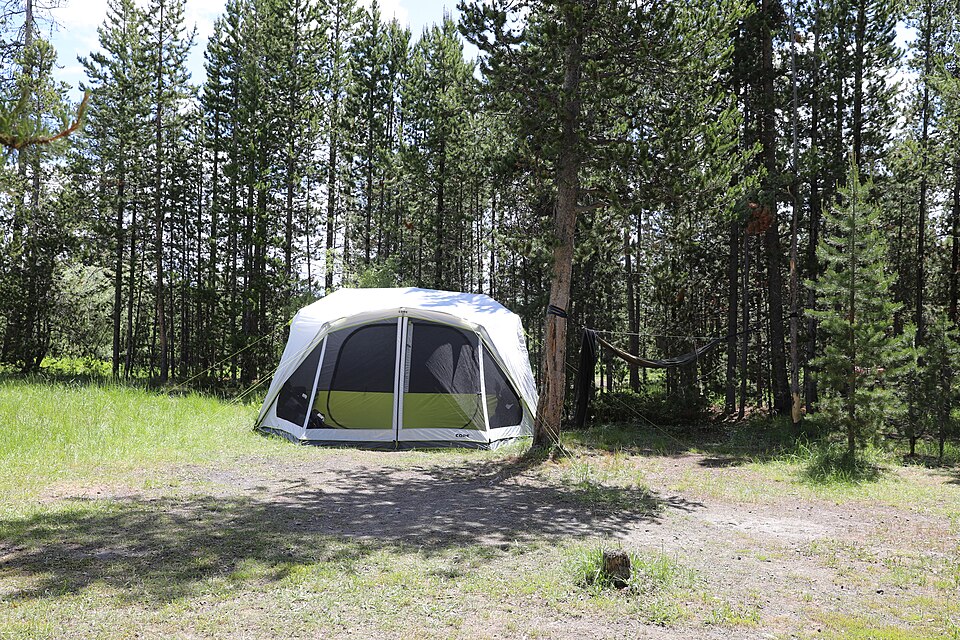
RV parks near Organ Pipe Cactus National Monument on RoverPass
Partner link · RoverPass
Gateway Cities: Ajo and Lukeville
The town of Ajo, located about 15 miles north of the monument entrance, is the primary hub for those seeking unique lodging. Once a thriving copper mining town, Ajo has reinvented itself as an artsy gateway community. Here, you can find historic buildings that have been converted into boutique stays, along with private rentals that offer glamping-style amenities like outdoor showers and desert gardens. Staying in Ajo gives you the benefit of being close to local cafes and galleries while remaining just a short drive from the park’s main gates.
Lukeville is the immediate border town south of the park, though it is much smaller and offers fewer traditional glamping options. Most visitors prefer Ajo for its character and range of services. When looking for a place to stay, search for 'eco-lodges' or 'boutique desert stays' in the Ajo area. These properties often emphasize sustainability and local heritage, providing a more authentic Arizona experience than a standard chain motel. The proximity to the park means you can still be at the visitor center for a sunrise hike without a long morning commute.
Where to sleep
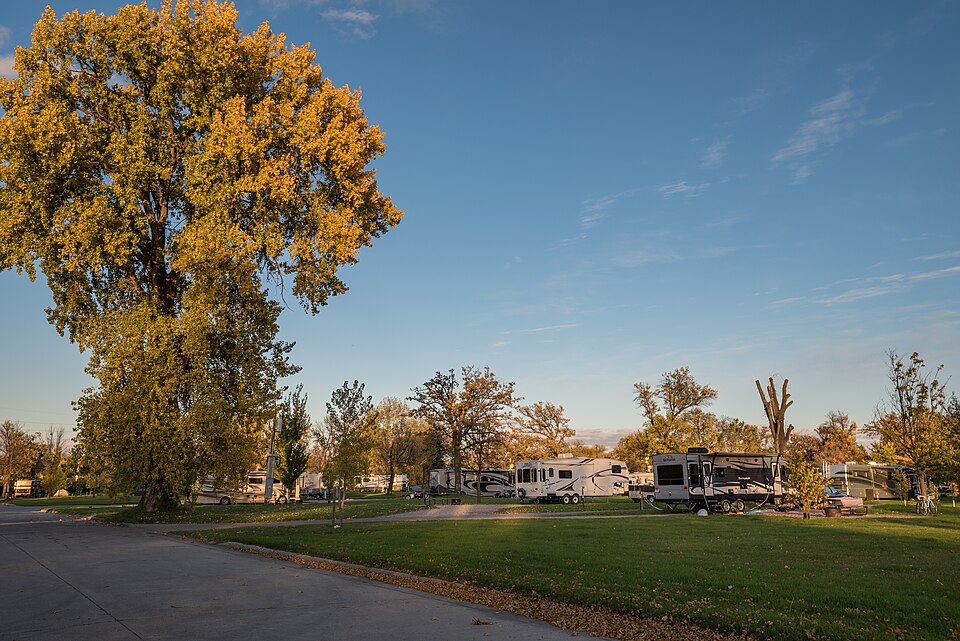
Campsites near Organ Pipe Cactus National Monument on Campspot
Partner link · Campspot
Comparing Camping, RVs, and Glamping
Deciding between camping, RVing, and glamping depends on your desired level of comfort and preparation. The Twin Peaks Campground inside the park is excellent for traditional tent campers and RVers, offering clean restrooms and solar showers, but it lacks the luxury touches of glamping. RV travel is extremely popular in this region, as it provides a mobile home base with climate control, which can be vital during warmer months. However, RVing requires more logistical planning regarding hookups and tank management.
Glamping offers a middle ground, particularly for those who may not own camping gear or an RV. It removes the need to pack a tent, sleeping bag, and cooking equipment, making it a great option for fly-in visitors coming from Tucson International Airport. While glamping is generally the most expensive of the three options, it provides a level of convenience and aesthetic appeal that many modern travelers prefer. It allows you to focus entirely on the experience of the desert rather than the chores of camp setup and breakdown.
Where to sleep
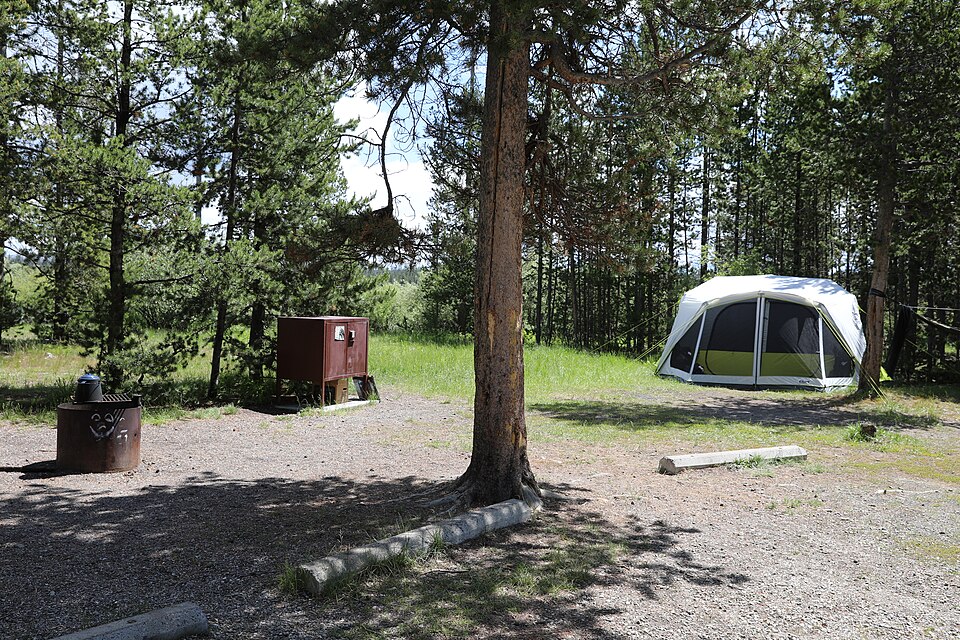
Harvest Hosts stays on the way to Organ Pipe Cactus National Monument
Partner link · Harvest Hosts
Best Seasons for a Comfortable Stay
The best time for glamping near Organ Pipe Cactus National Monument mirrors the park’s peak season: late autumn through early spring. From November to March, the desert air is crisp and the temperatures are ideal for enjoying outdoor glamping features like fire pits and patios. During these months, the daytime highs in the 70s make the desert inviting, while the cool nights make a cozy bed in a yurt or cabin feel especially luxurious. You will want to check if your chosen site offers heating, as desert temperatures can plummet after dark.
Conversely, glamping in the height of summer can be challenging. Many glamping structures are designed to be breathable and connected to nature, which can make them difficult to cool when temperatures exceed 100 degrees. If you plan to visit between June and September, ensure your accommodation has reliable air conditioning. Late spring is also a beautiful time for a stay, as you can witness the desert bloom right from your doorstep, though you should be prepared for the increasing presence of desert insects and warmer midday sun.
Booking Tips and Practical Advice
When booking a glamping experience, it is important to read the descriptions carefully. Some sites may be 'off-grid,' meaning they rely on solar power and composting toilets, which adds to the adventure but requires a bit of an adjustment. Others may be fully equipped with modern plumbing and high-speed internet. Prices for these unique stays are rough estimates and can vary significantly based on the season and level of luxury. It is always a good idea to book well in advance, especially for travel during the winter wildflower season or holiday weekends.
Before your trip, check the official park or NPS site for any travel alerts or entry requirements. Remember that while you are staying in comfort, you are still in a wild desert environment. Always keep your food secured to avoid attracting local wildlife like javelinas or ravens. Bring sturdy walking shoes for exploring the grounds, and don't forget a headlamp for navigating between your unit and outdoor areas at night. By choosing a glamping stay, you support local gateway economies and enjoy a uniquely curated window into the breathtaking beauty of the Sonoran Desert.