
Embarking on a journey to Organ Pipe Cactus National Monument requires a bit of planning, as its remote location on the Arizona-Mexico border makes it a true destination getaway. Most visitors arrive via a scenic drive from Tucson, which takes about three hours. This three-day itinerary is designed to help you experience the best of the park’s rugged beauty, from its iconic cactus forests to its historic mining sites and starlit nights.
Day 1: Arrival and the Ajo Mountain Loop
Begin your adventure by flying into Tucson International Airport (TUS) and picking up a rental vehicle. The 143-mile drive to the monument takes you through the scenic Tohono O'odham Nation, offering your first glimpses of the towering saguaros. Aim to arrive at the Kris Eggle Visitor Center by early afternoon to pick up maps and check on trail conditions. After getting oriented, head out for the 21-mile Ajo Mountain Drive. This loop is best experienced in the late afternoon when the sun begins to dip, casting long shadows across the valley floor.
Stop at the Arch Canyon trailhead for a short walk to see the natural rock arch carved into the mountainside. As you continue the drive, keep an eye out for dense clusters of organ pipe cacti, which grow primarily on the south-facing slopes to capture the winter warmth. End your day by settling into the Twin Peaks Campground. Prepare a simple meal and enjoy the transition from a vibrant desert sunset to a brilliant star-filled sky, perhaps taking the short Desert View Trail for a final look at the silhouettes of the cacti against the twilight.
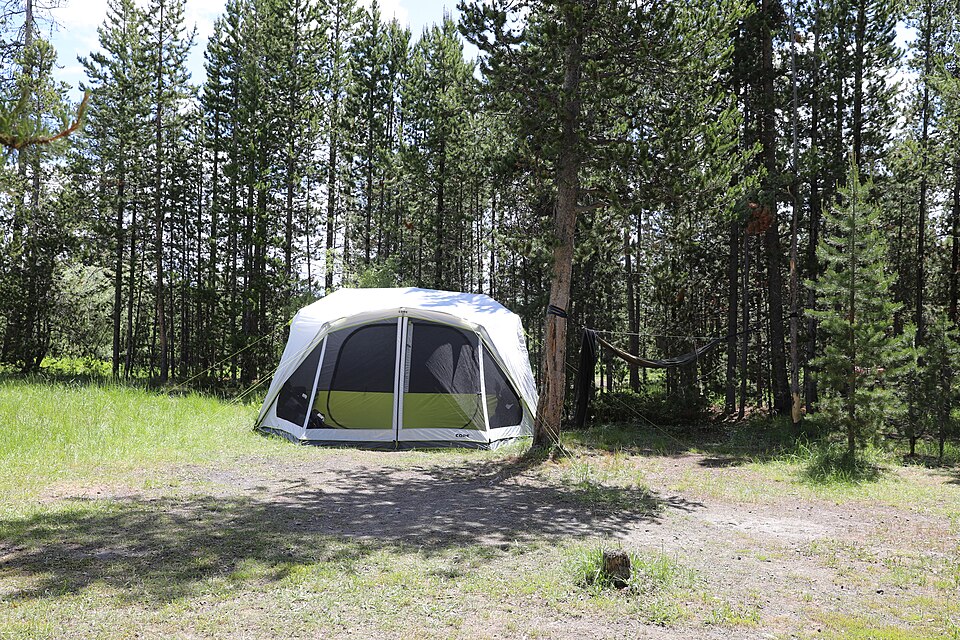
Where to sleep
RV parks near Organ Pipe Cactus National Monument on RoverPass
Partner link · RoverPass
Day 2: Hikes and Historic Oases
Start your second day early to beat the heat. If you are feeling energetic, tackle the Bull Pasture Trail. This hike involves a steady climb but offers the most rewarding views in the park. You will look down over the vast Sonoran Desert and see the distinct green veins of the washes winding through the landscape. After your hike, return to the visitor center area for a picnic lunch in the shade. In the afternoon, make the drive out to Quitobaquito Springs. This historic site is a peaceful contrast to the rugged mountains, with its quiet pond and rare pupfish.
Spend some time walking the loop around the springs and learning about the O'odham history of the region. On your way back toward the main park area, consider stopping at the Gila Monster picnic area for some wildlife spotting. As evening approaches, you might want to join a ranger-led program if one is scheduled, or simply relax at your campsite. The second night is a great time to practice your night photography, using the iconic saguaros and organ pipes as foreground elements for shots of the Milky Way.
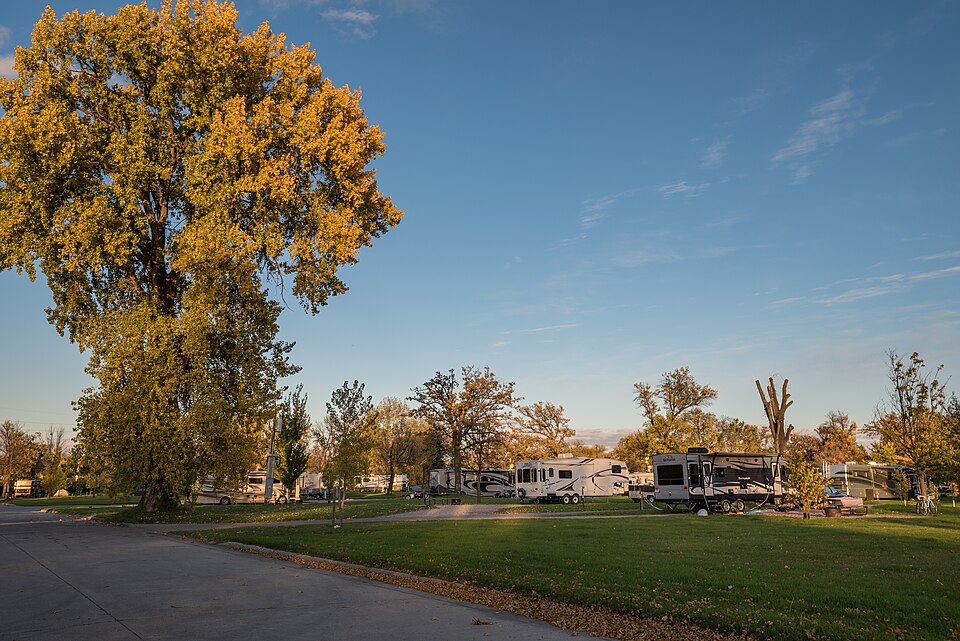
Where to sleep
Campsites near Organ Pipe Cactus National Monument on Campspot
Partner link · Campspot
Day 3: Mining History and Departure
On your final morning, explore the human history of the park by hiking the Victoria Mine Trail. This 4.4-mile round trip takes you to the ruins of a historic silver and gold mine. The trail is relatively flat and winds through some of the park's most impressive cactus gardens. You can see the remains of stone structures and old mining equipment, providing a glimpse into the rugged lives of the miners who once worked this harsh terrain. It is a poignant reminder of the various ways people have interacted with this landscape over the centuries.
After your hike, pack up your gear and begin the return journey toward Tucson or your next destination. If you have extra time, consider stopping in the gateway town of Ajo. This historic copper mining town features a beautiful Spanish Colonial-style plaza and several local galleries and cafes. It is a great place to grab a final Sonoran-style meal before heading back to the airport. Reflect on the quiet beauty and unique biodiversity of the monument as you leave the saguaros behind and return to the bustle of the city.
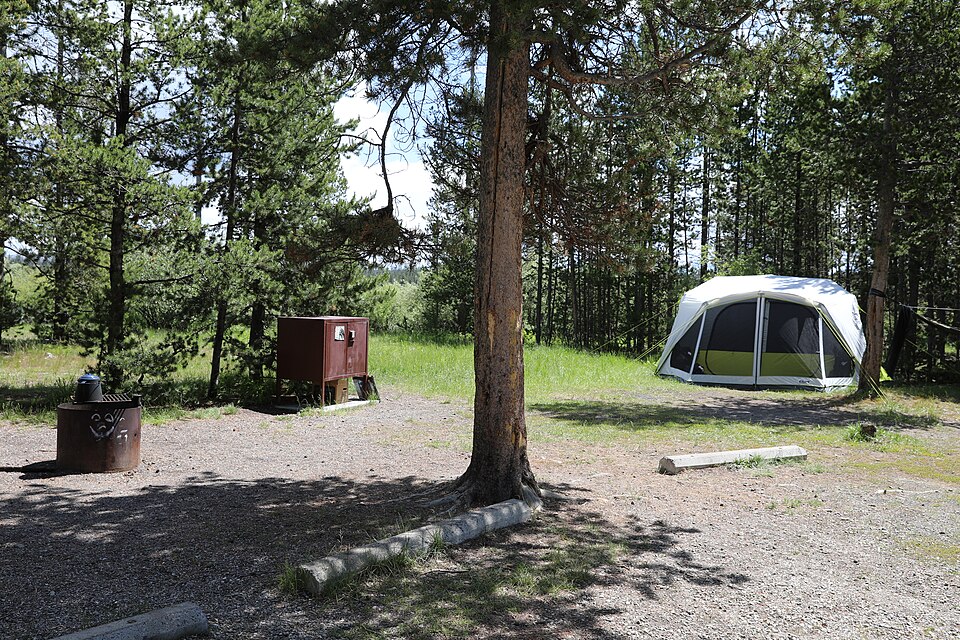
Where to sleep
Harvest Hosts stays on the way to Organ Pipe Cactus National Monument
Partner link · Harvest Hosts
Travel Tips for a Smooth Trip
To make the most of your three days, come prepared for a remote environment. There are no gas stations or grocery stores inside the monument, so fill up your tank and stock up on supplies in Ajo or Tucson before you arrive. Water is available at the visitor center and the campground, but it is always wise to have a backup supply in your vehicle. Cell service can be spotty or non-existent in many parts of the park, so downloading offline maps is a must for navigation.
Regarding your budget, you should estimate roughly $110 per day to cover your car rental, fuel, park entrance fees, camping, and food. This figure can vary depending on your choice of vehicle and how much you prepare your own meals. Also, keep in mind the park's proximity to the border. You may encounter Border Patrol checkpoints on the roads leading to and from the monument. These are routine, but it is helpful to have your identification ready to ensure a quick passage.
Important Planning Considerations
Before you set out, always check the official NPS site for the most current information regarding road closures or safety alerts. While the monument is generally very safe, the desert environment itself requires respect. Be mindful of the weather, as sudden heatwaves or flash floods can alter your plans. Reservations for the Twin Peaks Campground should be made as far in advance as possible, especially if you are traveling during the peak winter months when snowbirds flock to the region.
Lastly, remember the principles of 'Leave No Trace.' The desert ecosystem is incredibly fragile; a single footstep off-trail can damage biological soil crusts that take decades to recover. Stay on designated paths, pack out all your trash, and leave all plants, rocks, and artifacts exactly where you found them. By traveling responsibly, you help ensure that the unique organ pipe cacti and the stunning Sonoran landscapes remain pristine for the next generation of desert explorers.

More ways to book Organ Pipe Cactus National Monument
 Illustrative · Diego Angel
Sprinter Adventure Van
Small enough to park at the trailhead, comfy enough to sleep in.
$189/day (estimate)
Direct link · RVshare