
The Oregon Coast is a road-trip destination where the stops matter more than the mileage: broad beaches, forested headlands, working harbors, and small towns all compete for your time. You can build a satisfying two- to four-day visit around just one coastal section. Start with a few anchor experiences, then leave space for tide timing, changing weather, and an unhurried beach walk.
Start With Beaches and Signature Coastal Views
Cannon Beach is an easy introduction to the north coast, with Haystack Rock rising offshore and a broad beach for walking. Visit the intertidal area only when conditions allow, follow posted protections, and give nesting birds and marine life space. Nearby Ecola State Park offers coastal viewpoints and forest trails; check the official park page because access and trail conditions can change.
Farther south, Cape Kiwanda near Pacific City combines a sandstone headland with wide ocean views. Stay behind barriers and on permitted routes rather than approaching unstable cliff edges. Around Bandon, offshore rocks and expansive beaches create another distinctive stretch of coast, but it belongs on a southern-coast itinerary rather than a quick detour from Cannon Beach. Choose one area for a longer walk instead of collecting distant viewpoints. Parking, beach access, and unplanned stops can consume more time than the map suggests.
Hike Forested Headlands and Drive Short Scenic Loops
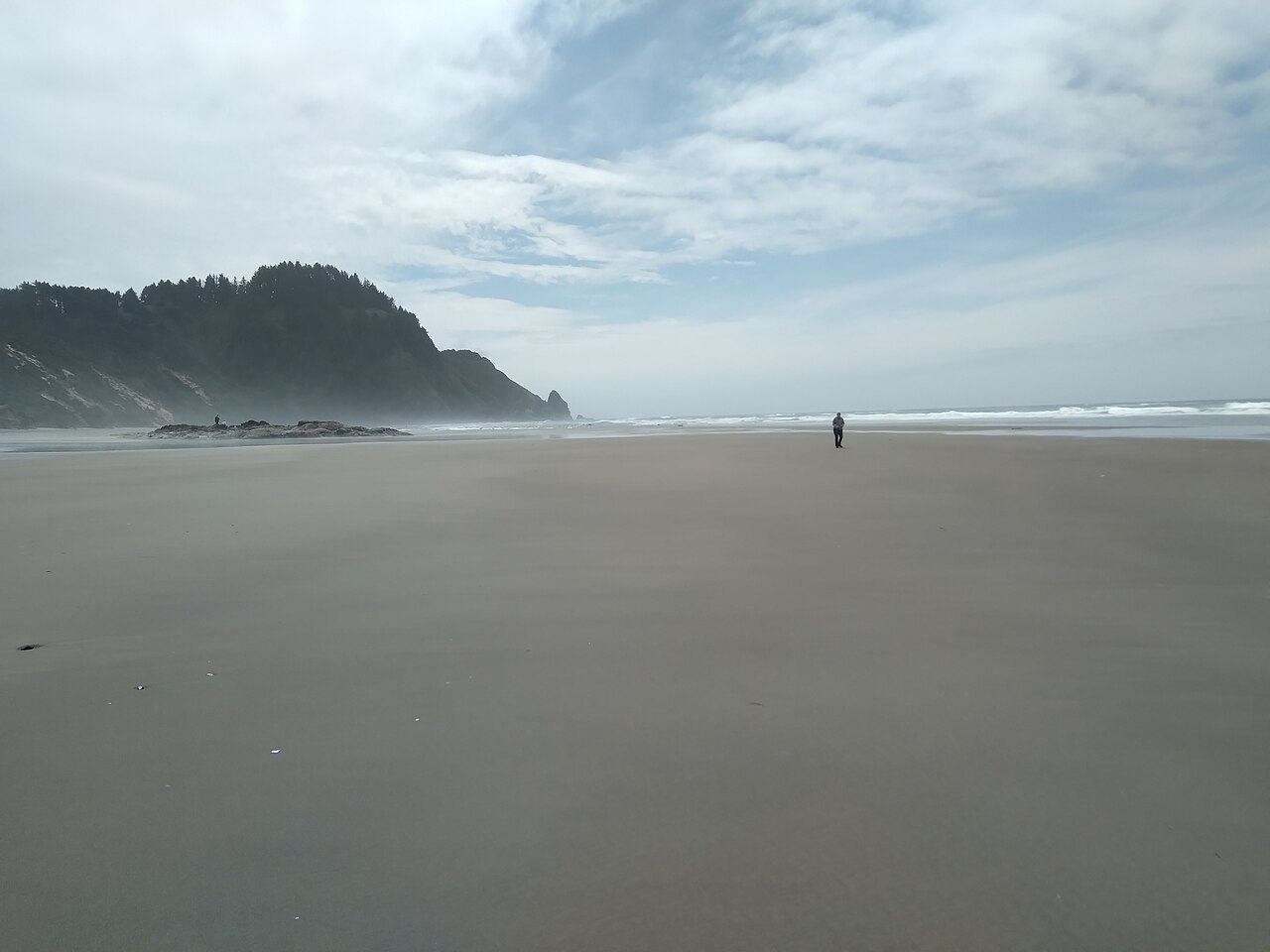
For a north-coast hike, consider the forest approach to Short Sand Beach in Oswald West State Park. It offers a satisfying change from roadside viewpoints, with coastal forest leading toward a sheltered-looking cove. Ocean conditions still require caution, and trail surfaces can be slick after rain. Check current trail information before choosing a route or bringing a stroller.
On the central coast, Cape Perpetua combines forest trails, rocky shoreline features, and elevated ocean views near Yachats. Pick a hike suited to your group rather than trying to cover the whole area in one stop. U.S. Highway 101 is the main coastal route, while the Three Capes area near Tillamook offers opportunities for a more localized scenic drive. Confirm road access before following a loop. Leave room for viewpoints and walking breaks, and avoid treating a coastal drive like uninterrupted highway mileage.
Explore Tide Pools and Look for Wildlife
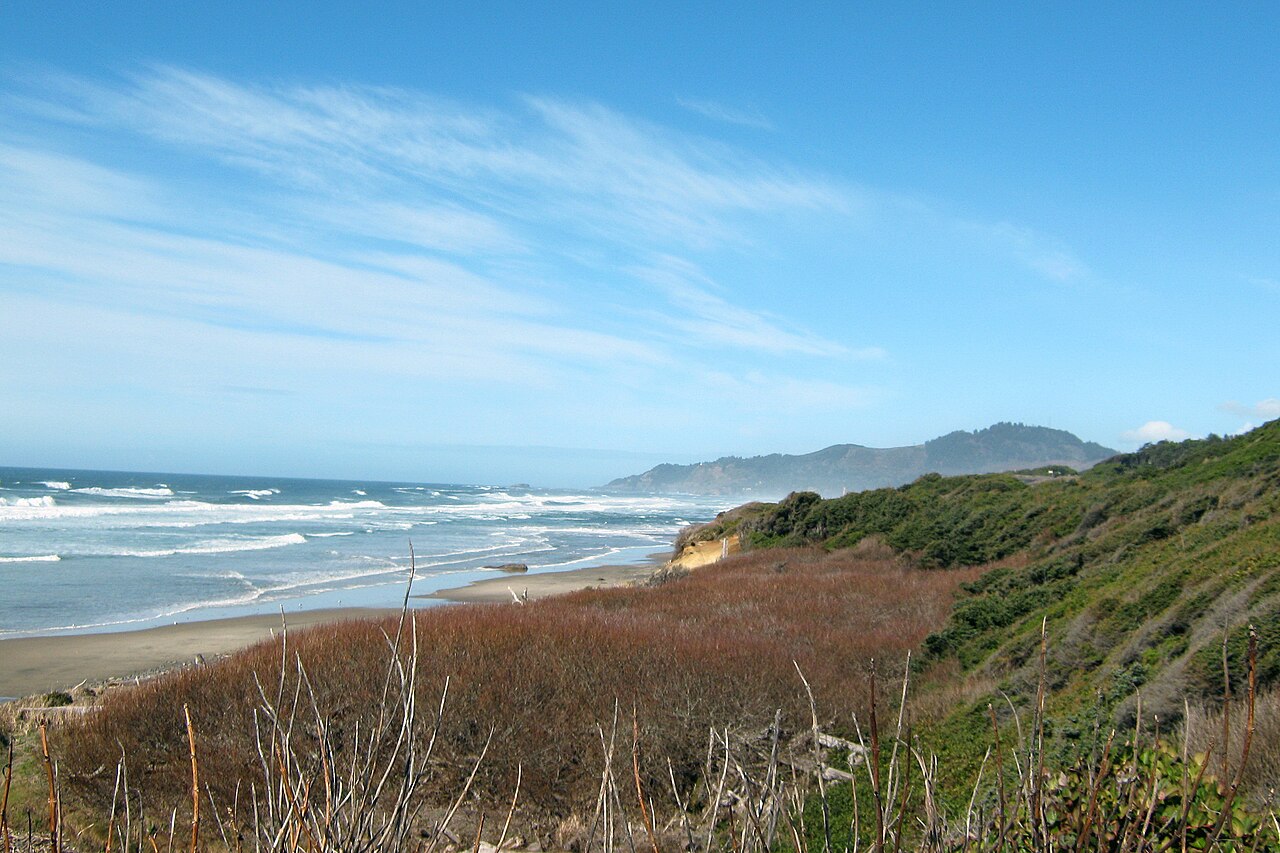
Tide pooling adds detail to a beach day: anemones, mussels, and sea stars can turn a small rocky area into a long stop. Yaquina Head Outstanding Natural Area near Newport is a well-known place to explore the shoreline and watch seabirds. It is managed by the Bureau of Land Management, so check its official site for access information, tide-pool guidance, and current restrictions.
Use a local tide table and aim for an appropriate low tide, while remembering that swell can make exposed areas unsuitable even then. Walk carefully, leave animals attached to rocks, and never turn your back on incoming water. For whale watching, scan from established overlooks around Depoe Bay or other headlands; binoculars help, but sightings are unpredictable. Guided water outings depend on marine conditions and operator schedules. Keep a land-based alternative ready if a boat trip is canceled or does not suit your group.
Build a Beach Day That Works With Kids
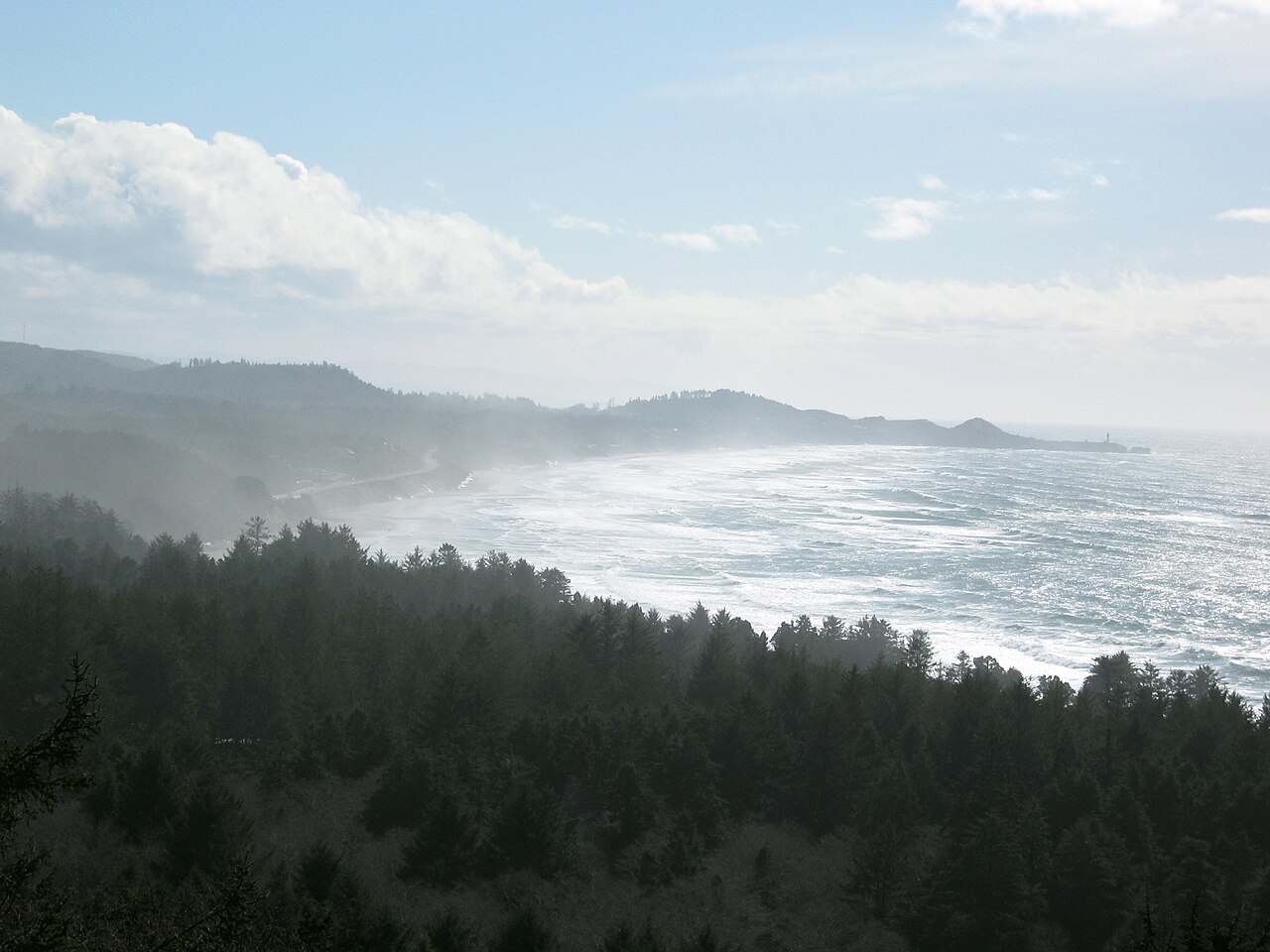
With children, a compact day often beats a long list of highlights. Choose one beach access point near your lodging, bring dry layers and snacks, and allow time for sand play away from the active surf. Oregon's ocean water is cold, and rough conditions can develop even on a bright day. Keep children close, avoid driftwood near the water, and use overlooks when surf is high.
Newport makes a practical family base because beach outings can be paired with the Oregon Coast Aquarium or a walk along the working bayfront. Watch harbor activity from public areas without blocking docks or approaching wildlife. Near Florence, dune scenery offers a different landscape, but activities vary by designated area and some zones allow motorized recreation. Check official maps before choosing a walk. For stroller users, confirm surfaces and beach access rather than assuming a short trail is paved.
Keep a Rainy-Day Plan in Your Back Pocket
Rain does not have to turn the trip into a day in the car. In Astoria, the Columbia River Maritime Museum provides context for the river mouth, shipping, and the region's maritime history. In Newport, the Oregon Coast Aquarium offers an alternative to an exposed headland hike, though parts of a visit may still involve outdoor walking. Check each attraction's official website for current hours, tickets, and accessibility information.
A town-focused day can also include a slow meal, browsing local shops, and a short waterfront walk between showers. Keep wet-weather outings geographically close so you are not driving several hours for a single indoor stop. For storm watching, use established viewpoints with appropriate separation from the surf and follow closures. Review official park or land-manager alerts before heading out; heavy rain and wind can affect roads, trees, trails, and beach access.