
The best time to visit the Oregon Coast depends on whether you want long beach days, quieter trails, or a storm-watching getaway with a warm room nearby. Summer usually offers the driest conditions, while spring and fall reward flexible travelers with fewer crowds. For a two- to four-day trip, choose one stretch of coastline rather than trying to cover the entire state.
Spring: Wildflowers, Whale Watching, and Changeable Skies
Spring brings greener headlands, wildflowers, and a mix of bright breaks and passing rain. March through May can work well for a coastal road trip if your plans include both outdoor stops and indoor alternatives. Gray whales migrate north along the coast in spring, making established viewpoints around Depoe Bay useful places to scan the ocean, although sightings are never certain.
Base yourself near Newport or Cannon Beach so you can adjust your day without moving camp every night. Pack a waterproof outer layer and shoes that can handle muddy trails; exposed headlands often feel colder than sheltered streets. Spring break can create busy pockets even when the broader season feels quiet. Reserve weekend lodging once your dates are settled, and check official Oregon State Parks information for campground availability, trail conditions, and any seasonal facility changes.
Summer: Drier Weather and the Biggest Crowds
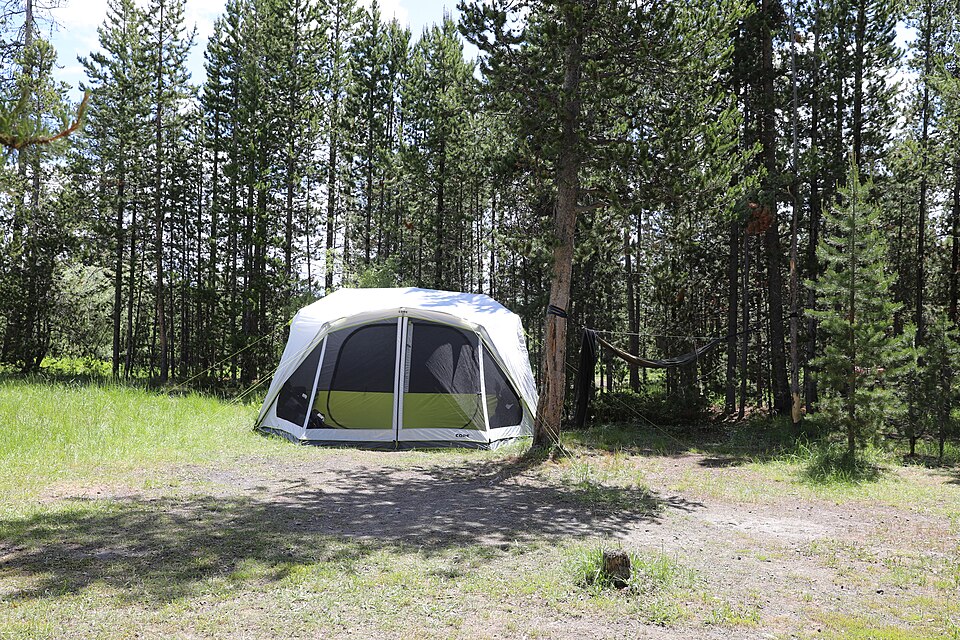
Summer is the simplest choice for travelers prioritizing camping, long daylight hours, and a packed outdoor itinerary. July and August are generally drier than the cooler months, but the coast is not reliably hot. Fog, low clouds, and afternoon wind can turn a sunny forecast into sweatshirt weather, especially on exposed beaches and headlands.
Popular stops such as Cannon Beach, Cape Kiwanda, and Newport attract substantial weekend traffic. Arrive at beach access lots earlier in the day, then save town walks or meals for busier afternoon hours. Book campsites, yurts, and cabins as soon as the official reservation window allows, particularly for holiday weekends. A quieter base outside a major town can reduce congestion around your lodging, but it will not eliminate traffic on U.S. Highway 101. Keep your daily route compact rather than counting on fast coastal travel.
Fall: A Flexible Road Trip Season
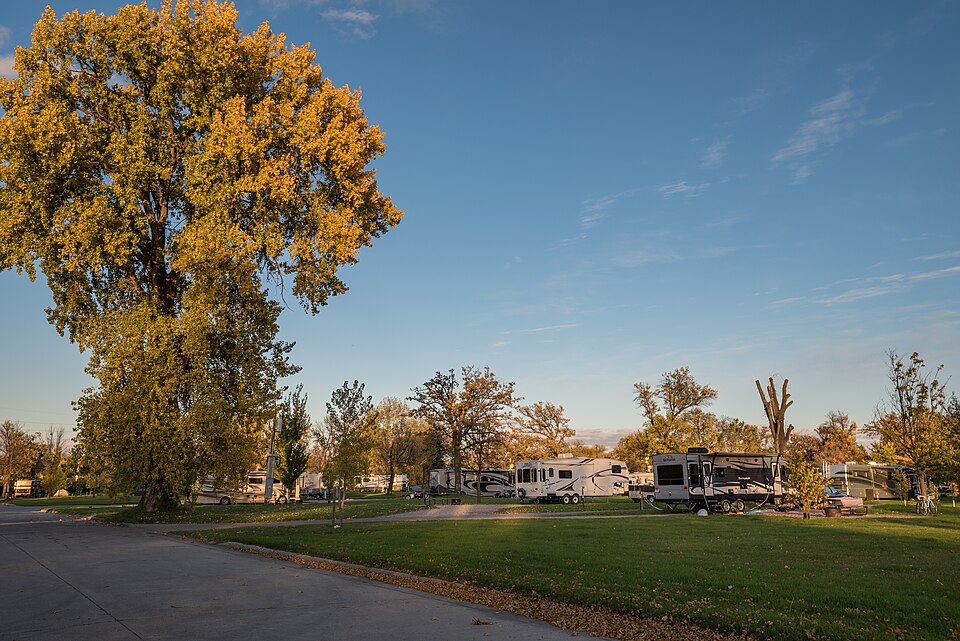
Early fall can be a rewarding compromise between summer access and a quieter atmosphere. September often still supports beach walks, headland hikes, and campground stays, while school schedules reduce some family travel. Good weather is possible into October, but storms become more likely as the season progresses, so treat a sunny forecast as an opportunity rather than a promise.
This is a useful season for combining Cape Perpetua, Yachats, and Newport without planning every hour around peak crowds. Bring layers for cool mornings and leave room to swap a hike for an aquarium or museum visit. Weekends can remain busy in popular towns, and desirable cabins or yurts still merit advance reservations. Before leaving, review official park alerts for trail closures, campground changes, and coastal weather impacts. Do not assume that a late-season campsite offers every service available during summer.
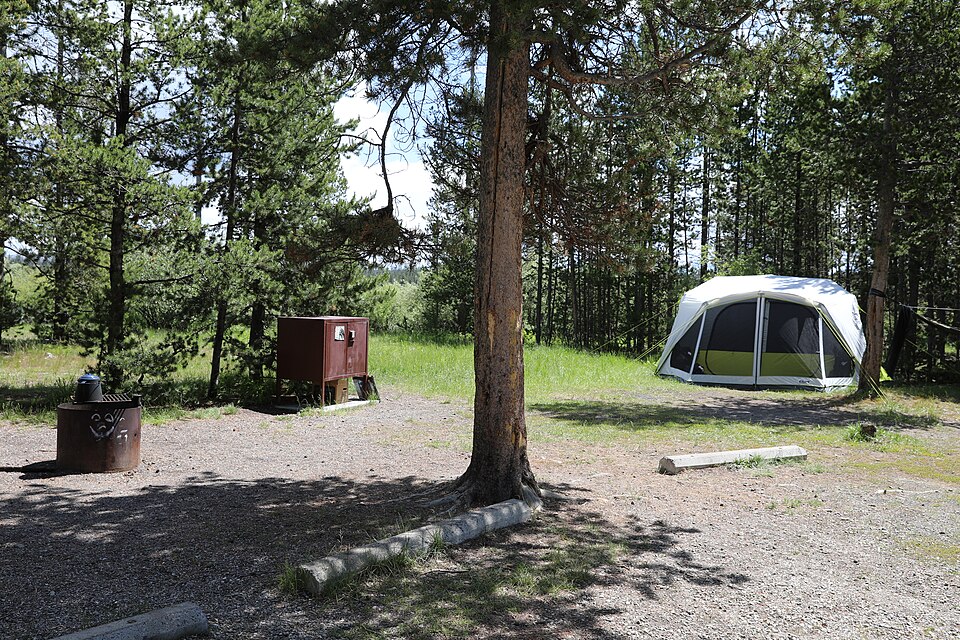
Lock in a stay for this season
Harvest Hosts stays on the way to Oregon Coast
Partner link · Harvest Hosts
Winter: Storm Views and Shorter Outdoor Windows
Winter suits travelers who enjoy dramatic ocean views and do not need a full day outside. Rain, strong winds, and short daylight hours make a cabin or hotel base more practical than an ambitious moving campsite itinerary. Newport, Yachats, and Astoria offer town-based options when the weather limits beach time. Gray whale migration can also draw visitors to established viewpoints in winter, but conditions and visibility vary.
Watch rough surf from designated overlooks well back from the water, not from jetties, driftwood, or exposed rocks. Sneaker waves can reach unexpectedly high on the beach, and waterlogged logs can move. Build in flexibility for road disruptions and skip exposed hikes during severe weather. Some campgrounds or facilities may have reduced availability. Check official park notices and Oregon road conditions before departure, then again before committing to a longer coastal drive.
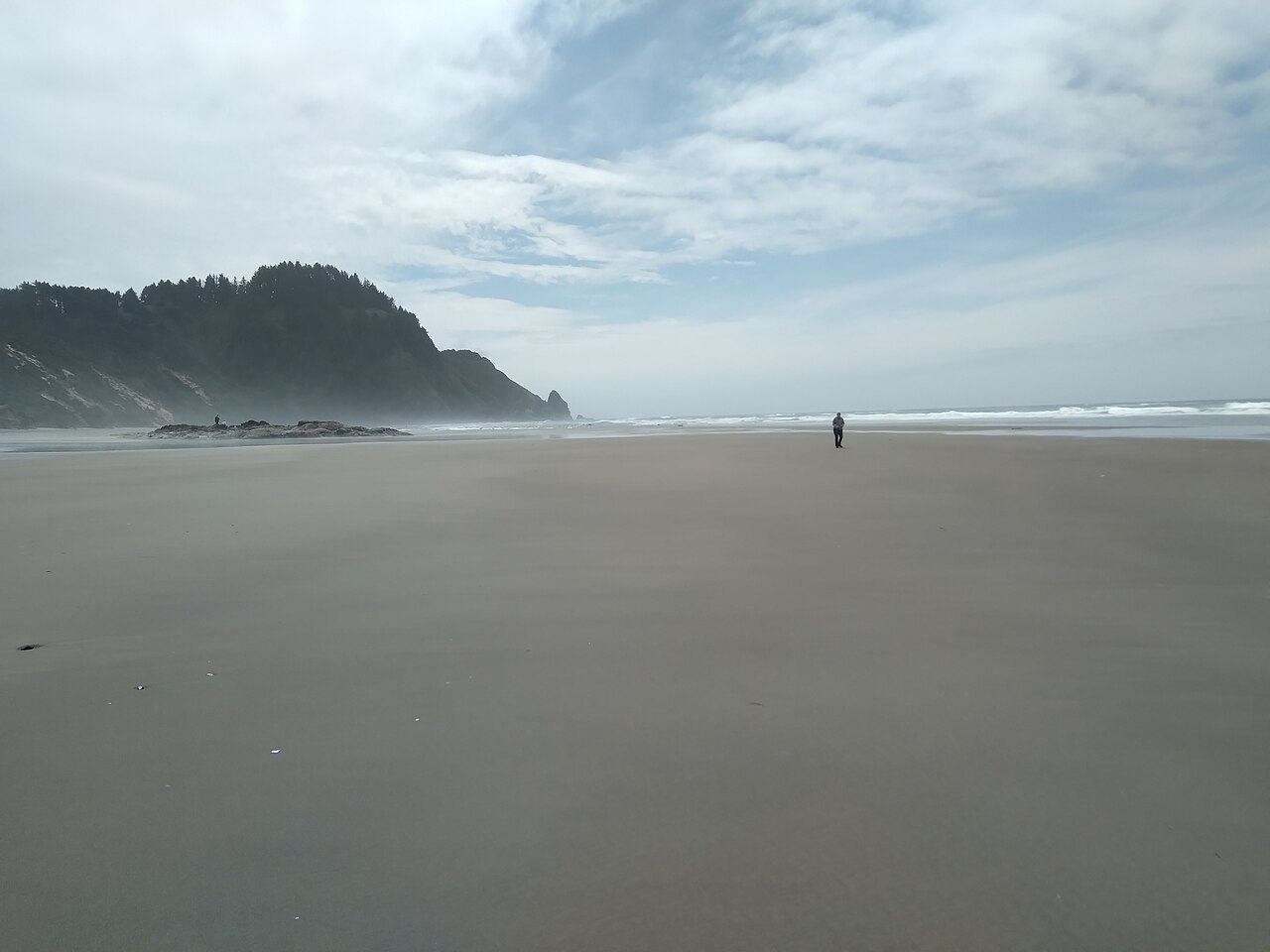
Match Your Dates to Reservations, Tides, and Daylight
For a first visit, start by deciding what matters most: summer camping, spring whale watching, early-fall hiking, or winter ocean views. Then choose a manageable coastal section. The north coast pairs well with Cannon Beach and nearby state parks; the central coast offers Newport, Cape Perpetua, and Florence. A two- to four-day trip usually works better with one or two overnight bases.
Reserve overnight stays before building a detailed activity schedule. Oregon State Parks publishes current booking rules and reservation windows, which can change; private properties set their own policies. Check local tide predictions if tide pools are a priority, and schedule that outing around an appropriate low tide rather than a fixed lunch stop. Recheck official park websites shortly before travel for access restrictions and current conditions. Weather, surf, and daylight should shape the final plan, even when reservations are already made.
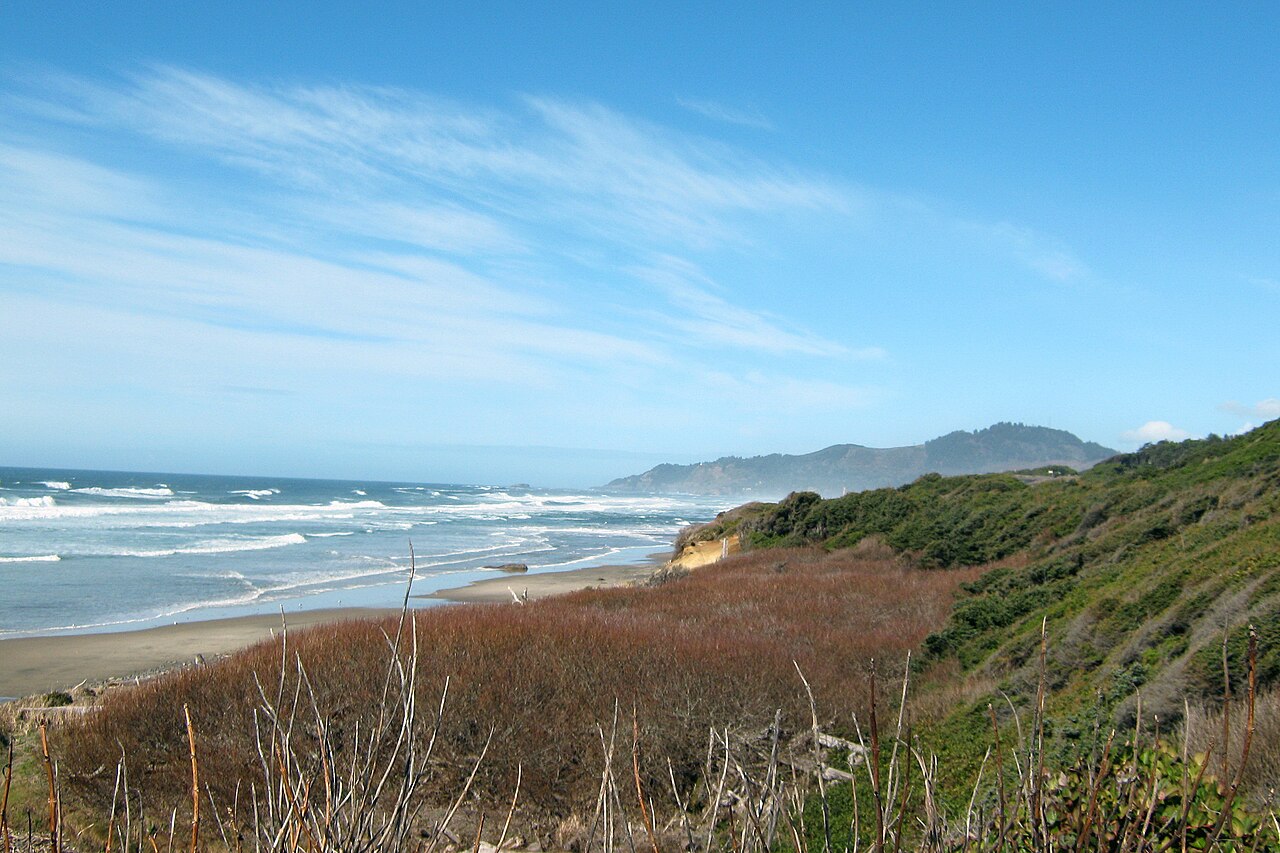
More ways to book Oregon Coast
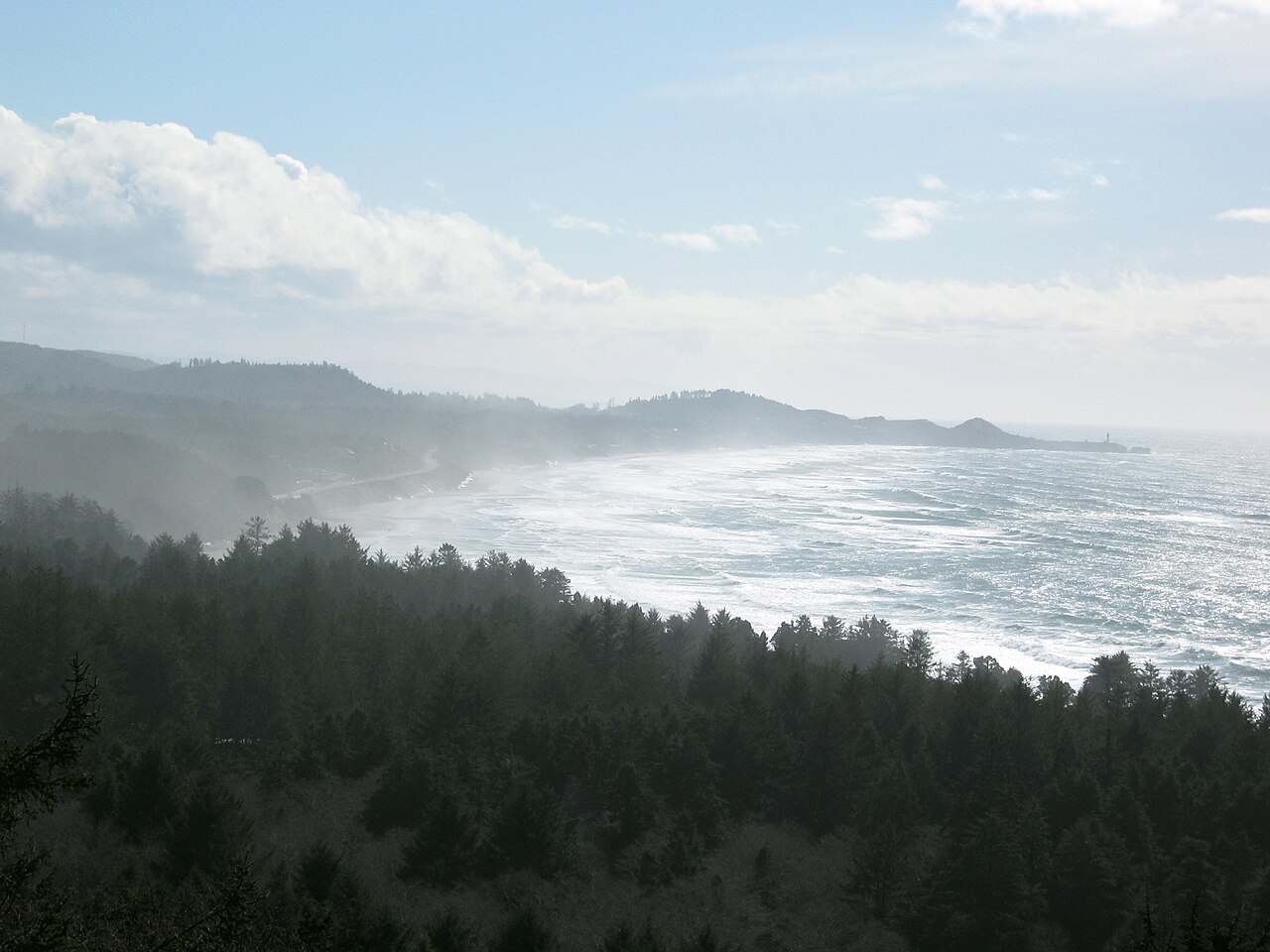 Illustrative · pdxjeff
Oregon Dunes Exploring
One of the classic ways to experience Oregon Coast.
Varies (estimate)
Partner link · Viator