
Oregon Coast glamping often means a park yurt or simple cabin rather than a luxury tent overlooking the surf. These stays can make a coastal trip easier by reducing tent setup and providing a sturdier shelter from wind and rain. Comfort levels vary widely, so choose by the actual sleeping arrangement, bathroom access, and cooking rules—not by the word glamping alone.
What Coastal Glamping Actually Looks Like
Oregon State Parks offers yurts and cabins at selected campgrounds, making park-based stays a practical starting point. A basic yurt is usually closer to a furnished camping shelter than a hotel room. Expect to verify bedding requirements, heating, electricity, bathroom locations, and permitted cooking arrangements before booking. Some units have more amenities than others, and photographs may not show the distance to shared facilities.
Private glamping options can include furnished tents, cabins, and other small structures, but offerings change and oceanfront access should never be assumed. Read the specific unit description rather than a property's general marketing. For any stay, ask whether parking is adjacent, whether paths are paved, and whether pets are permitted in that unit. Check the official Oregon State Parks reservation listing for park accommodations and current conditions. Pack rain layers even when your sleeping space is enclosed and heated.
North Coast: Astoria, Cannon Beach, and Tillamook Areas
The north coast works well if your priorities include Cannon Beach, forested headlands, and a manageable cluster of sightseeing stops. Look around Astoria and Warrenton for access to Fort Stevens State Park, where campground-based accommodations can place you near beaches and historic features. Farther south, the Cannon Beach and Manzanita areas are useful search zones for exploring Ecola and Oswald West state parks.
Around Tillamook, Cape Lookout State Park is another established place to investigate for park accommodations. These areas are alternatives, not interchangeable neighborhoods: choosing a base far from your main activities adds driving on Highway 101. Compare the actual route to beach access, groceries, and shared bathrooms before reserving. A forested campground setting can be appealing, but it does not necessarily provide an ocean view. Check official park listings for the available accommodation types, accessibility details, reservation rules, and any closures affecting your dates.
Central and Southern Bases: Newport to Bandon
For a central-coast stay, Newport puts beaches, the bayfront, and indoor attractions within a relatively compact area. South Beach State Park is an established campground to check for yurt stays. Near Yachats, investigate Beachside State Recreation Site and its current accommodation listings if your focus is Cape Perpetua and shoreline walks. Florence offers another base near the Oregon Dunes, where choosing the right recreation area matters because motorized and nonmotorized uses differ.
On the southern coast, Bandon and nearby Bullards Beach State Park make a useful starting point for beach walks and offshore rock scenery. Do not book there as a convenient base for Cannon Beach or Newport; the coast is too extensive for that to be a relaxed daily commute. Choose a northern, central, or southern cluster first. Then confirm the unit's amenities, current park access, and distance from your preferred trailheads or beaches.
Choose a Season and Reserve With Realistic Expectations
Summer is generally the easiest season for outdoor meals, longer evenings, and beach-centered plans, but popular yurts and cabins can book well ahead. Use the official reservation system to confirm the current booking window rather than assuming all parks release dates the same way. For private stays, review cancellation terms and any minimum-night requirements before committing to your route.
Spring and early fall can suit travelers who want a quieter campground atmosphere and can adapt to rain. Winter requires closer attention to heating, wet-gear storage, and the walk to shared bathrooms. A roof does not remove exposure during cooking or shower trips. Costs vary by unit, season, and amenities; basic park shelters generally sit between tent camping and more fully equipped private lodging, though exceptions are common. Compare the estimated total rather than a headline rate, and check official park alerts for storm damage or facility closures.
Glamping vs. Tent Camping vs. an RV
Choose a yurt or cabin when avoiding tent setup matters more than having a private bathroom or kitchen. It can simplify a short trip, especially if you are moving only once, but you may still need sleeping bags, towels, and a complete outdoor cooking kit. Confirm what is supplied before deciding that glamping saves packing space or total cost.
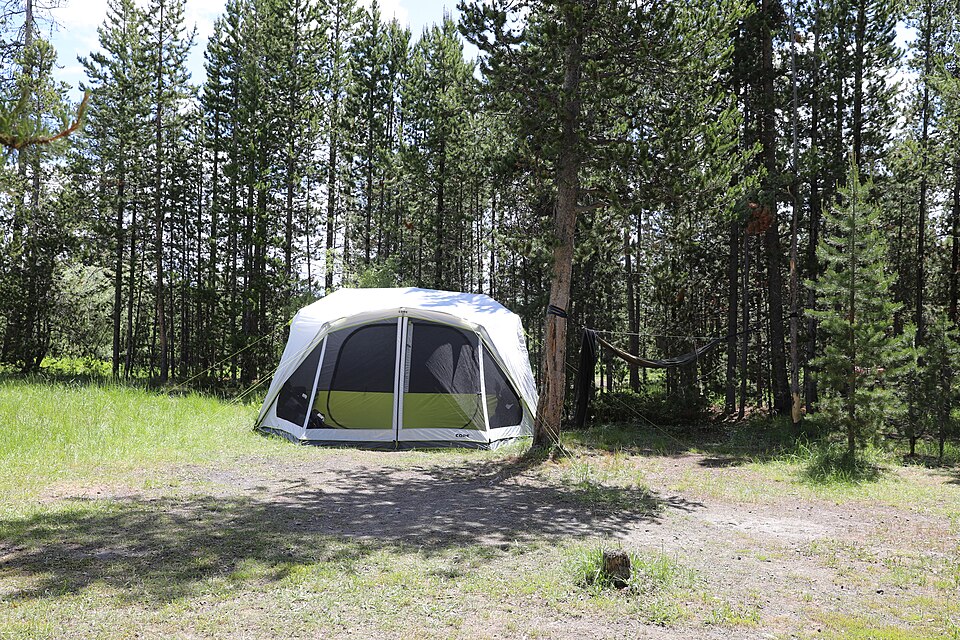
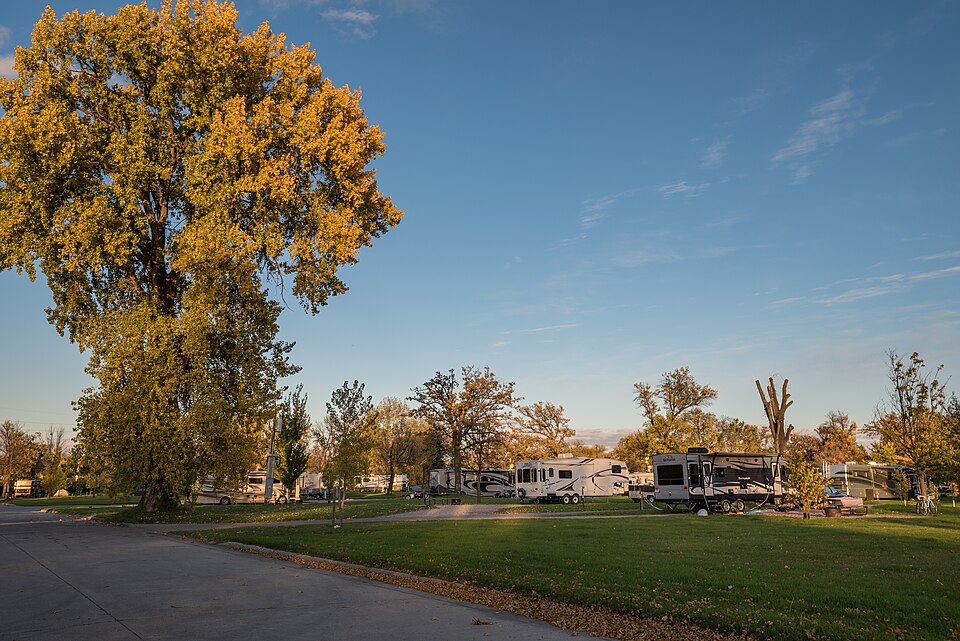
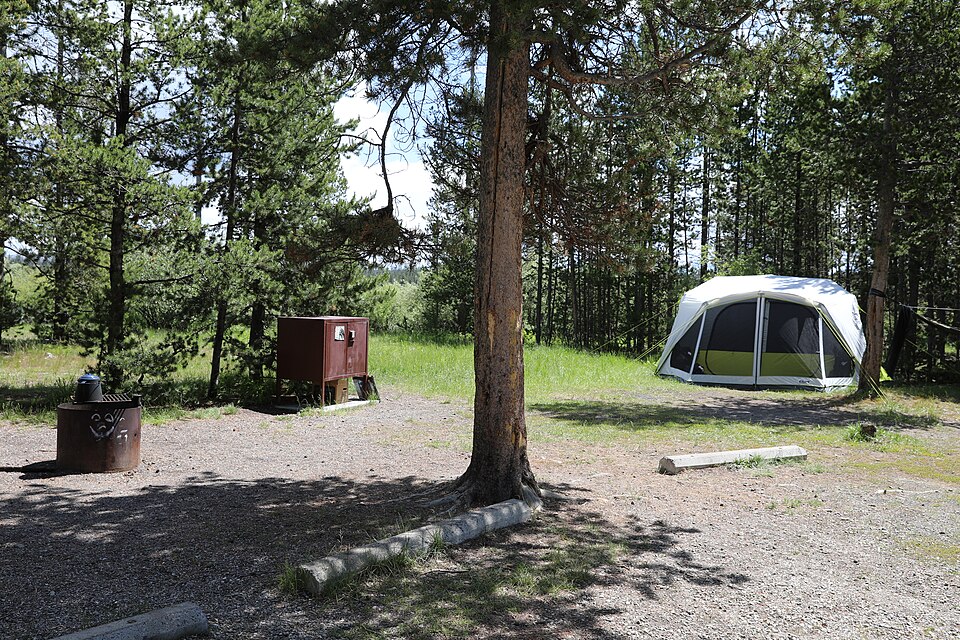
Tent camping offers more control over your setup and is often the lower-cost starting point, but coastal rain and wind reward a reliable shelter and a plan for drying gear. An RV can provide more indoor living space, yet rentals, fuel, campsite dimensions, hookups, and maneuvering introduce different trade-offs. Verify campground vehicle limits and services through the official booking page. For a two- to four-day visit, staying at one well-located site often matters more than the accommodation label. Pick the option that supports your preferred coastal activities with the least daily repacking.