
Minnesota’s North Shore is a string of experiences rather than a single attraction: rivers dropping toward Lake Superior, rocky beaches, forested ridges, and harbor towns connected by Highway 61. The most satisfying trips mix a few signature stops with unhurried time beside the water. With two to four days, focus on one or two lodging bases instead of trying to see every park between Duluth and the Canadian border.
Start with Waterfalls and Shoreline State Parks
Gooseberry Falls State Park is a classic introduction to the North Shore’s river scenery. Established paths lead to waterfall viewpoints, and the park also reaches the Lake Superior shoreline. Choose your route according to current conditions rather than assuming every path is short, dry, or stair-free.
Farther northeast, Tettegouche State Park combines the Baptism River with dramatic coastal scenery. Its waterfall hikes and shoreline viewpoints are distinct outings, so check the park map before choosing a parking area. Temperance River State Park offers a different perspective, with the river cutting through a narrow rock gorge near the lake.
These parks reward a slower visit. Pick one principal walk, carry lunch, and leave time for viewpoints rather than collecting hurried photo stops. Stay behind barriers and away from wet rock near fast water. Consult official Minnesota DNR pages for current access, vehicle permit requirements, and closures.
Drive Highway 61 and Add a Ridge Hike
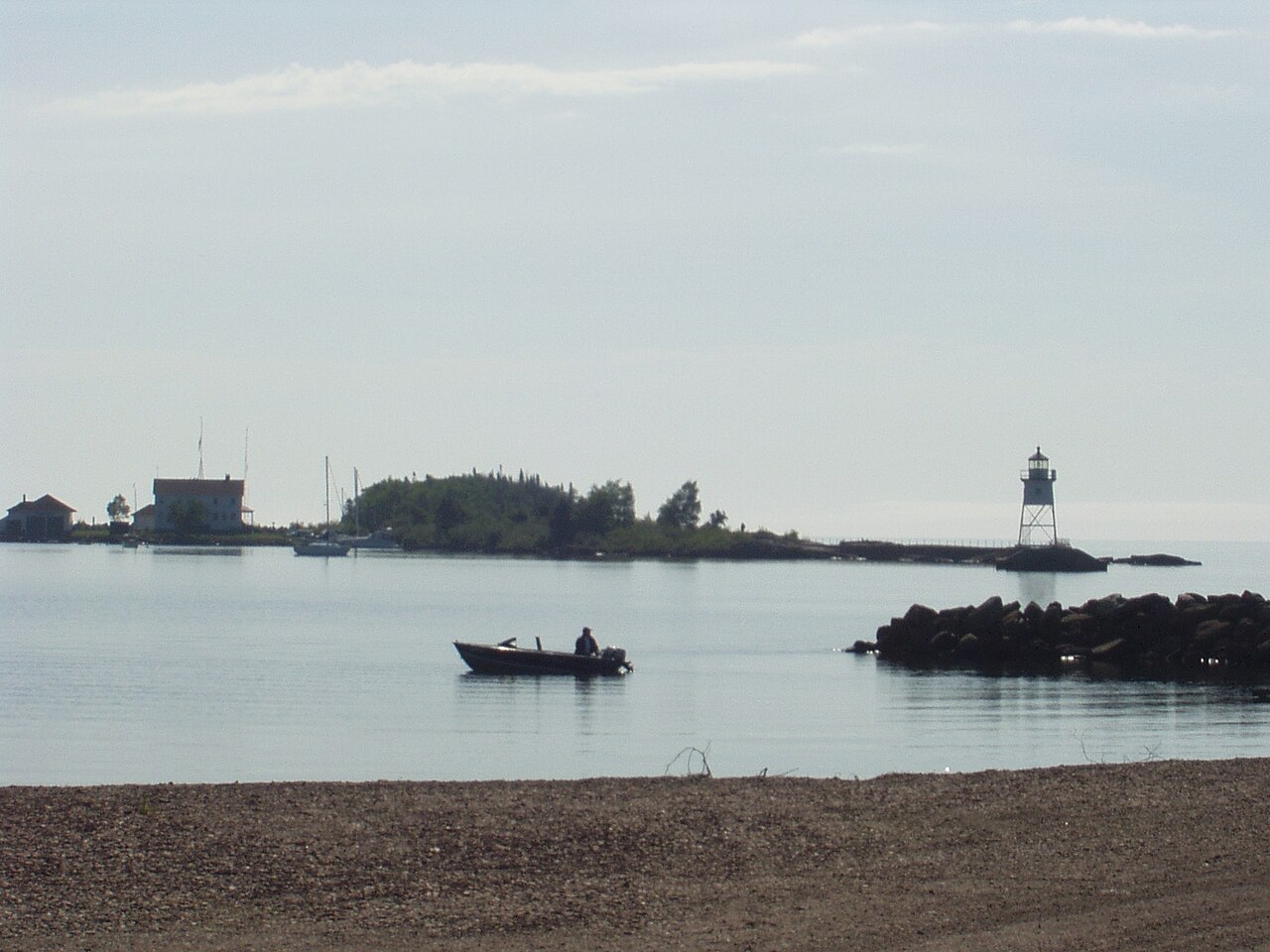
Highway 61 connects the North Shore’s towns, parks, and many scenic stops. Treat it as the backbone of your trip, not as a checklist to finish in one uninterrupted drive. Plan clusters of nearby stops and use designated parking areas rather than pulling onto narrow shoulders for a lake photograph.
For an elevated view, consider Oberg Mountain near Lutsen. Its loop is known for overlooks across forest, inland water, and the Lake Superior landscape. Roots, slopes, and muddy sections can make it more demanding than a casual waterfront stroll, so wear suitable shoes and check trail conditions.
The Superior Hiking Trail provides many additional day-hike possibilities along the region’s ridges. Select a specific segment using current maps, and confirm whether your route is an out-and-back or requires a shuttle. Do not assume the trail follows the water’s edge; much of its character comes from the wooded terrain above the shore.
Spend Time on the Water’s Edge
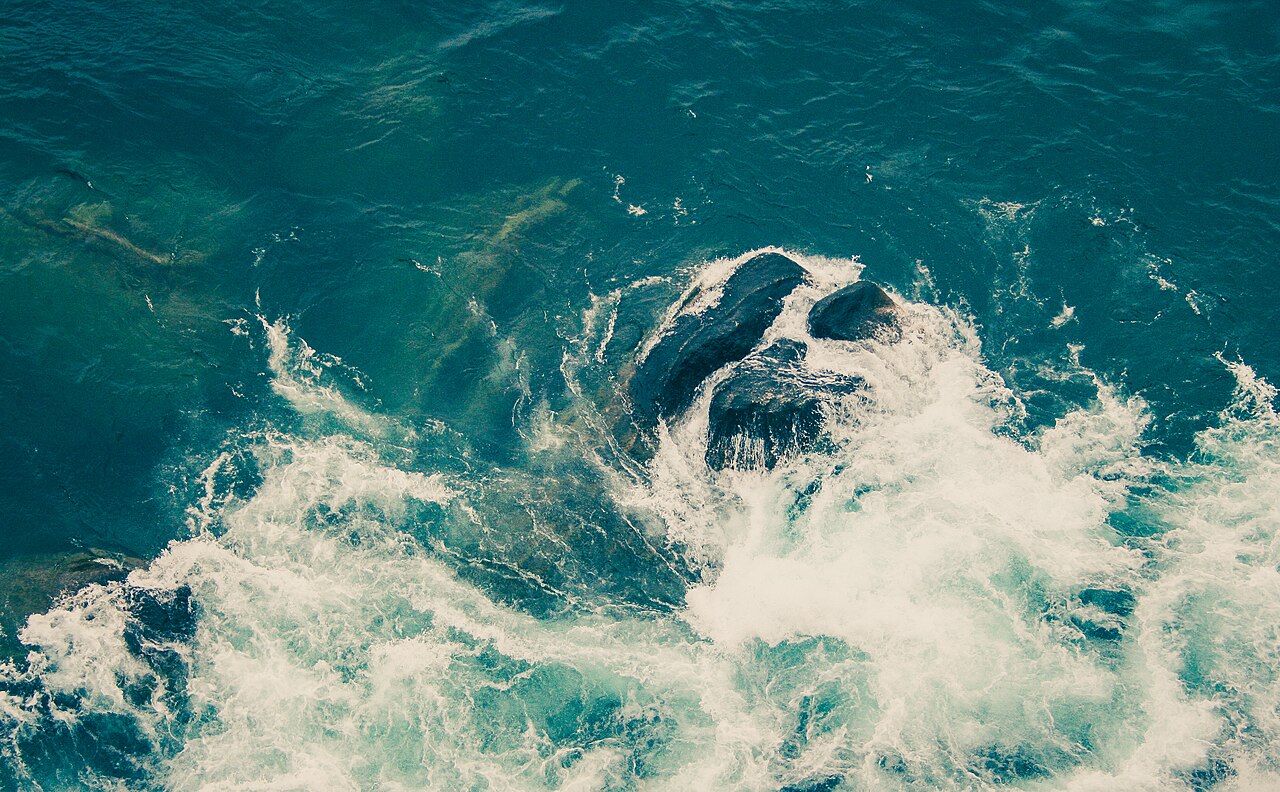
Lake Superior deserves time without a scheduled attraction. Walk a designated shoreline path, watch waves from an established overlook, or sit near a harbor and notice how quickly light and visibility change. Grand Marais is particularly convenient for combining waterfront time with food and a walk around town.
Birdwatching adds another layer to a shoreline visit. Look for gulls and other waterbirds around harbors, and watch for migrating birds during spring and fall. Carry binoculars, keep your distance, and avoid approaching nests or feeding wildlife. Sightings vary with season and conditions, so treat them as a possibility rather than a promised feature.
For paddling, Lake Superior requires more preparation than a sheltered inland lake. Cold water, wind, and waves can overwhelm an outing planned around a calm forecast. Consider a qualified local guide, ask about suitable equipment and experience requirements, and accept weather cancellations. Inland-water alternatives also need their own access and conditions checks.
Choose Flexible Stops with Kids
A family-friendly North Shore day usually works better with one main destination and several optional breaks. Gooseberry Falls can provide a memorable waterfall visit without committing the entire day to a long hike, though route choice matters for stairs, slopes, and stroller use. Check the official accessibility information before promising an easy walk.
Split Rock Lighthouse offers a recognizable landmark and a chance to connect the landscape with Great Lakes shipping history. The historic site and surrounding state park have different visitor arrangements, so check both official sources when planning tours, trails, and parking.
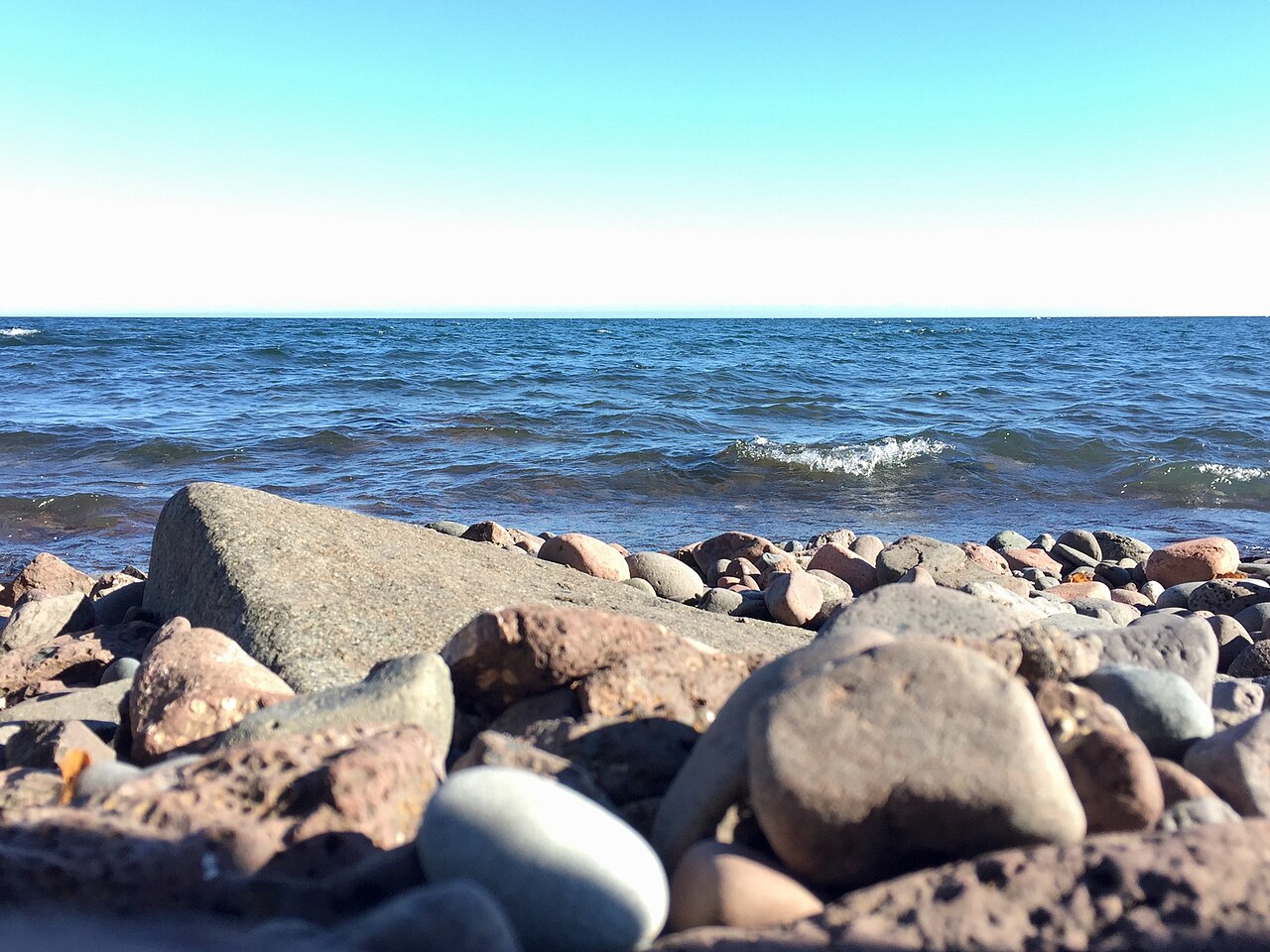
Balance structured stops with a picnic or a brief shoreline visit where access is permitted. Rocky beaches can be uneven, and surf may make the water’s edge unsuitable for play. Bring extra layers, snacks, and dry clothing. In Grand Marais or Two Harbors, a short town break can reset the day without another substantial trail commitment.
Keep a Rainy-Day Plan Ready
Rain does not have to cancel the trip, but it should change which activities you choose. In Duluth, the Great Lakes Aquarium offers an indoor alternative focused on aquatic environments, while the Lake Superior Maritime Visitor Center connects Canal Park with the region’s shipping story. Check their official websites for current access and visitor information.
Farther along the shore, Grand Marais makes a practical base for browsing galleries and local shops between showers. Do not assume every small business operates daily outside summer. A relaxed meal, a short harbor walk during a weather break, and time reviewing the next day’s trail map can fill an afternoon without excessive driving.
Waterfalls may be impressive after rain, but slick rock and swollen rivers call for extra distance from edges. Avoid turning a rainy day into a scramble along a gorge. Use maintained viewpoints only when open, and check official park alerts before leaving your lodging.