
The best time to visit North Shore Lake Superior depends on whether you want rushing waterfalls, long hiking days, or colorful forests above the lake. Summer offers the easiest mix of sightseeing and outdoor time, while spring and fall bring distinctive scenery with more variable conditions. For a two- to four-day trip, choose a compact stretch of shoreline and leave room to adjust your plans around wind, rain, and fog.
Spring: Waterfalls and a Gradual Thaw
Spring is waterfall season along Minnesota’s North Shore, especially as melting snow feeds rivers descending toward Lake Superior. Gooseberry Falls State Park is a natural starting point, while the Baptism River at Tettegouche State Park offers another memorable waterfall outing. Flow varies with snowpack and recent precipitation, so do not expect the same conditions every year.
The shoreline often feels colder than inland Minnesota because the lake warms slowly. Snow, ice, and muddy tread can linger on forest trails after roads and town sidewalks have cleared. Bring waterproof footwear and insulating layers, and avoid trails that parks close to protect soft ground.
Spring generally has fewer visitors than summer, but it is not uniformly quiet. Weekends with pleasant forecasts draw travelers from around the region. Check official Minnesota state park pages for trail conditions, facility availability, and any seasonal closures before committing to a hike.
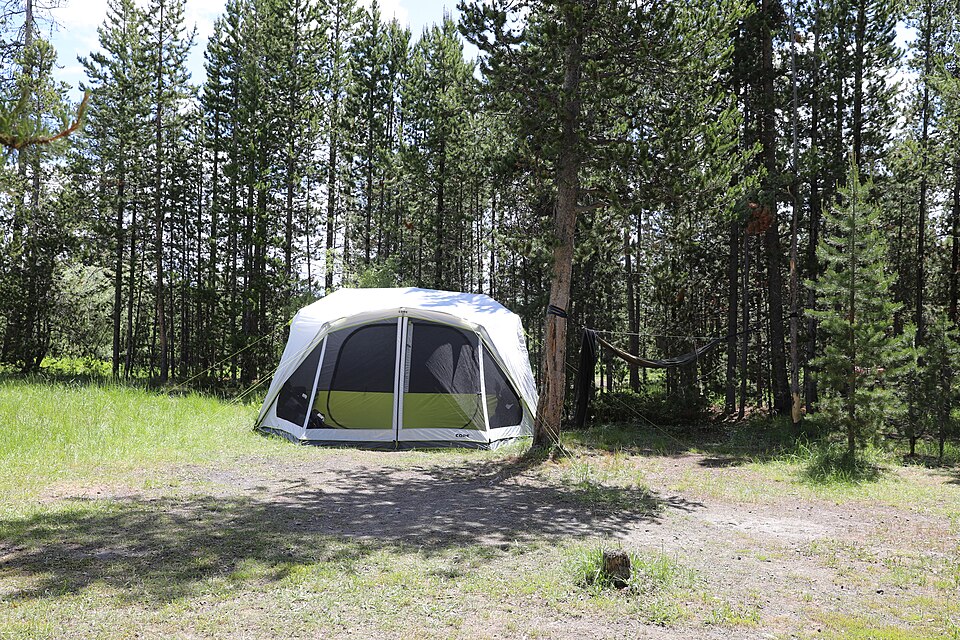
Lock in a stay for this season
RV parks near North Shore Lake Superior on RoverPass
Partner link · RoverPass
Summer: Long Days and the Widest Range of Activities
Summer is the most straightforward choice for a first visit. Long daylight hours make it easier to combine a waterfall walk, a harbor stop, and time on a cobble beach without rushing. Grand Marais, Two Harbors, and the state parks along Highway 61 become useful bases for travelers who want several short outings rather than one demanding hike.
Expect changeable lakeside weather even during warm periods. A sunny inland trail can feel very different from a windy overlook, and fog may obscure views across the water. Pack a light insulating layer and rain shell every day. Lake Superior remains cold, so treat swimming and paddling as separate activities that require appropriate preparation.
Summer weekends bring busy parking areas and strong lodging demand. Reserve accommodations and campsites once your dates are firm, especially for holiday trips. Start popular park visits early and keep an alternate stop in mind if parking is full.
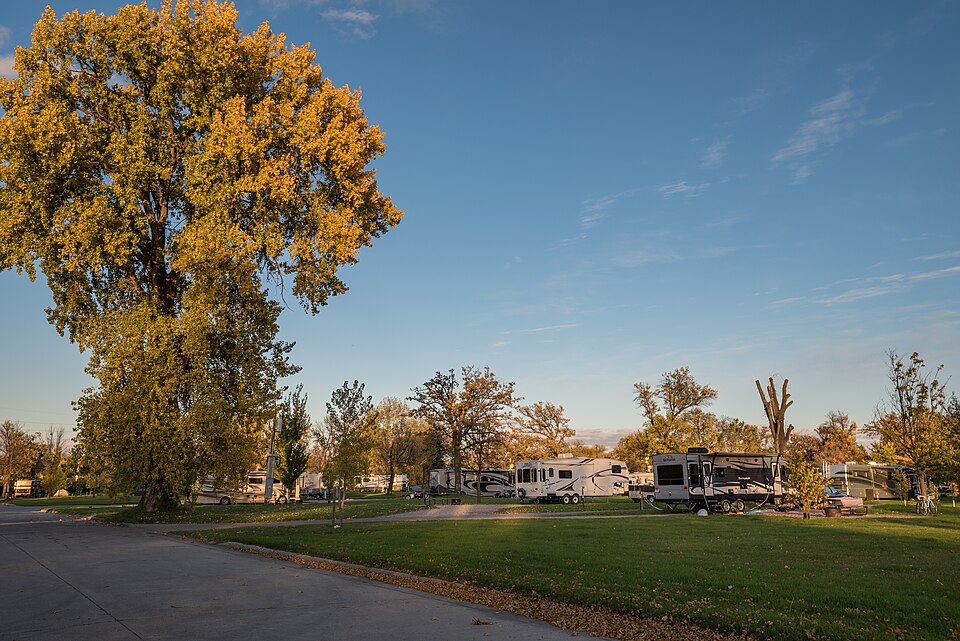
Lock in a stay for this season
Campsites near North Shore Lake Superior on Campspot
Partner link · Campspot
Fall: Colorful Ridges and Crisp Shoreline Walks
Fall combines forest color with cooler hiking weather, making it a rewarding season for ridge walks and scenic drives. The higher terrain inland from Lake Superior can change color differently from the immediate shoreline. Rather than selecting one supposedly perfect date, use Minnesota’s official fall color reports as your trip approaches and remain flexible about which area you explore.
Hikes near Lutsen and the Sawtooth Mountains offer views over forested slopes, while shoreline parks provide shorter options when wind or rain makes exposed viewpoints less appealing. Daylight decreases through the season, so begin longer hikes earlier and carry a headlamp rather than relying on a late return.
Fall color weekends can be as competitive for lodging as summer dates. Book ahead if your schedule is fixed, particularly around popular foliage periods. Later fall usually feels quieter, but some visitor services become seasonal and trails may develop icy patches.
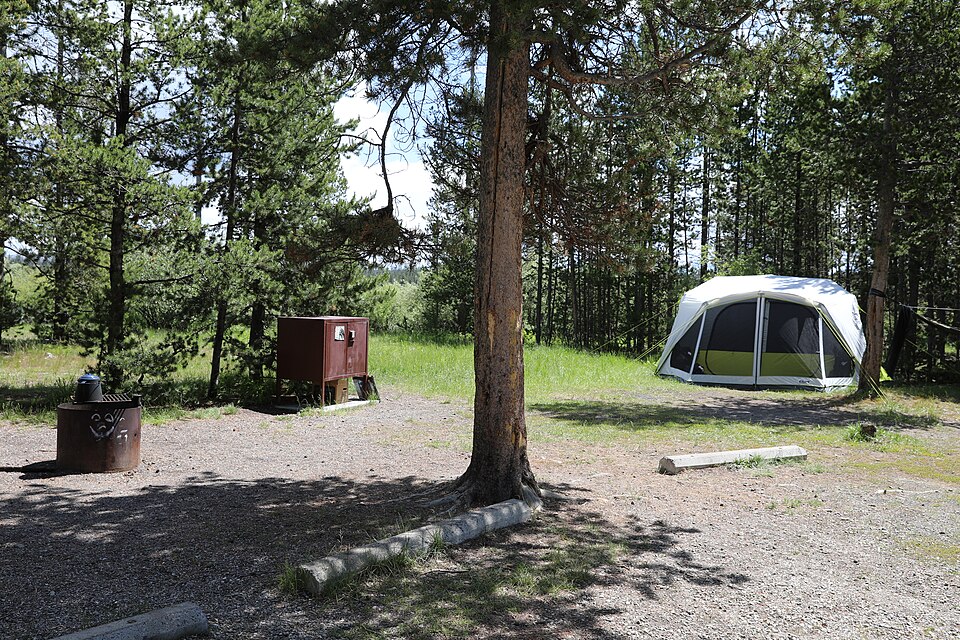
Lock in a stay for this season
Harvest Hosts stays on the way to North Shore Lake Superior
Partner link · Harvest Hosts
Winter: A Different Kind of North Shore Trip
Although spring through fall suits the broadest range of road trips, winter has its own appeal. Snow-covered forests, frozen shoreline formations, and cross-country skiing draw visitors who are comfortable planning around cold weather. The Lutsen area is associated with downhill skiing, while other parts of the region offer groomed ski trails and snowshoe routes when conditions allow.
Winter is not simply summer sightseeing with an extra jacket. Driving can be affected by snow and ice, daylight is limited, and ordinary hiking paths may require different equipment or be unsuitable for your plans. Check Minnesota road conditions alongside official park reports before setting out.
Admire shoreline ice from established, open viewing areas; waves and changing temperatures can create unstable conditions near the water. Choose lodging with dependable heat, confirm winter access, and build a short daily schedule. Holiday periods and ski weekends may still require advance reservations.
How to Match Your Dates to Crowds and Reservations
For a balanced first trip, consider a summer weekday stay or a fall visit with flexible sightseeing plans. Spring works especially well when waterfalls matter more than warm afternoons. No season guarantees clear lake views, dry trails, or solitude, so prioritize the experiences you most want and plan alternatives nearby.
Reserve lodging before filling the calendar with activities. The North Shore is a long corridor, and a room far from your intended hikes can add substantial driving. Two Harbors suits the southern shore, while Lutsen and Grand Marais put you closer to northern trailheads and scenic stops.
For camping, consult the official Minnesota DNR reservation system for current booking windows and availability. Check individual park pages again shortly before departure for closures, vehicle permit requirements, and trail updates. If a trip includes the Grand Portage National Monument area, use the official NPS site for current visitor information.
More ways to book North Shore Lake Superior
 Illustrative · Northfielder
North Shore Scenic Drive
One of the classic ways to experience North Shore Lake Superior.
Varies (estimate)
Partner link · Viator