
North Shore Lake Superior glamping can mean a furnished tent, a yurt-style stay, or a small cabin that keeps you close to the woods without requiring a full camping setup. The label is broad, so the details matter more than the photos. For a two- to four-day trip, choose your location around the parks you want to visit and verify heating, bathrooms, cooking facilities, and actual access to the lake.
What Glamping Looks Like on the North Shore
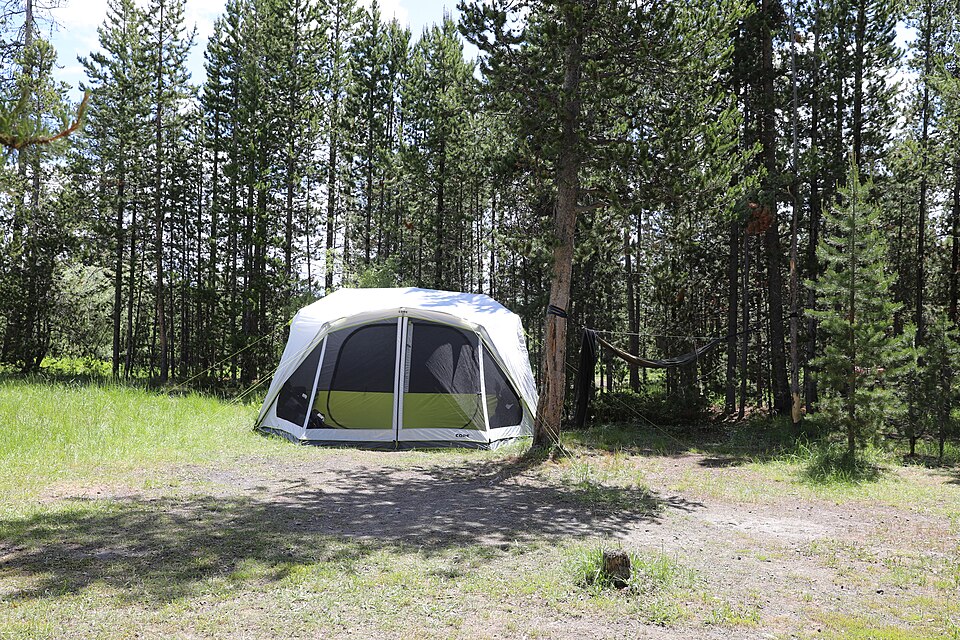
Along the North Shore, glamping is best understood as a comfort level rather than a standardized accommodation category. You may encounter furnished outdoor structures, compact cabins, or other nature-focused rentals marketed under the same label. A bed and a roof do not necessarily include running water, a private bathroom, or reliable heat.
Read the amenity list carefully. Ask whether bedding is supplied, how far the bathroom is from the sleeping space, and whether showers are shared. Confirm electricity, drinking water, food storage, and cooking equipment rather than assuming a kitchenette comes with every cabin-like stay.
Lakefront descriptions also deserve scrutiny. A property may overlook Superior from above without providing a walkable beach, and a woodland site may require a drive to public shoreline access. Choose the experience you actually want: waves outside the window, a quiet forest setting, or a convenient base for day hikes.
Where to Base Yourself Along the Shore
The Two Harbors area works well for a shorter trip centered on Gooseberry Falls and Split Rock Lighthouse. It keeps the southern shore’s major stops within a manageable sightseeing area and reduces the need to relocate every night. Properties can sit inland as well as along Highway 61, so inspect the map before reserving.
Silver Bay and the surrounding middle shore are useful for travelers prioritizing Tettegouche and nearby hiking. Farther northeast, Tofte and Lutsen put you near Temperance River, forest trails, and ridge viewpoints. These areas suit a stay built around one main outdoor outing each day.
Grand Marais offers the strongest fit when harbor time, town services, and northern shore exploration matter most. Inland accommodations can feel more secluded but add driving to lakefront activities. Do not treat all North Shore locations as interchangeable; a cheaper-looking nightly rate may come with considerably more road time.
Choose the Season and Structure Together
Summer is generally the simplest season for a tent-based glamping stay, but lakeside evenings can still be cool and damp. Look for effective insect screening, ventilation, and a place to dry rain gear. A furnished tent may feel cozy in fair weather yet offer little room for spending a wet afternoon indoors.
Spring and fall make heating more important. Confirm whether the accommodation has a fixed heating system or relies on a stove, and ask what fuel and instructions are provided. Do not assume a listing described as three-season is comfortable for every spring or autumn forecast.
For winter, book only accommodations explicitly offered for that season and verify plowed access, water availability, and bathroom arrangements. Across all seasons, read weather-related cancellation terms before paying. Bring layers and suitable footwear even when the stay includes bedding, and check official park conditions before planning nearby hikes.
Where to sleep
Harvest Hosts stays on the way to North Shore Lake Superior
Partner link · Harvest Hosts
Glamping Versus Tent Camping and RV Travel
Glamping reduces the amount of gear you must transport, which can be especially helpful if you fly into Duluth and rent a car. The trade-off is that nightly costs are often closer to cabin lodging than to a basic campsite. Treat any budget as a rough estimate until you review taxes, cleaning charges, and required minimum stays.
Tent camping gives you more control over your equipment and often a simpler accommodation bill, but you handle setup, wet gear, cooking, and overnight temperatures yourself. State park camping also requires checking the official reservation system and the facilities available at your chosen campground.
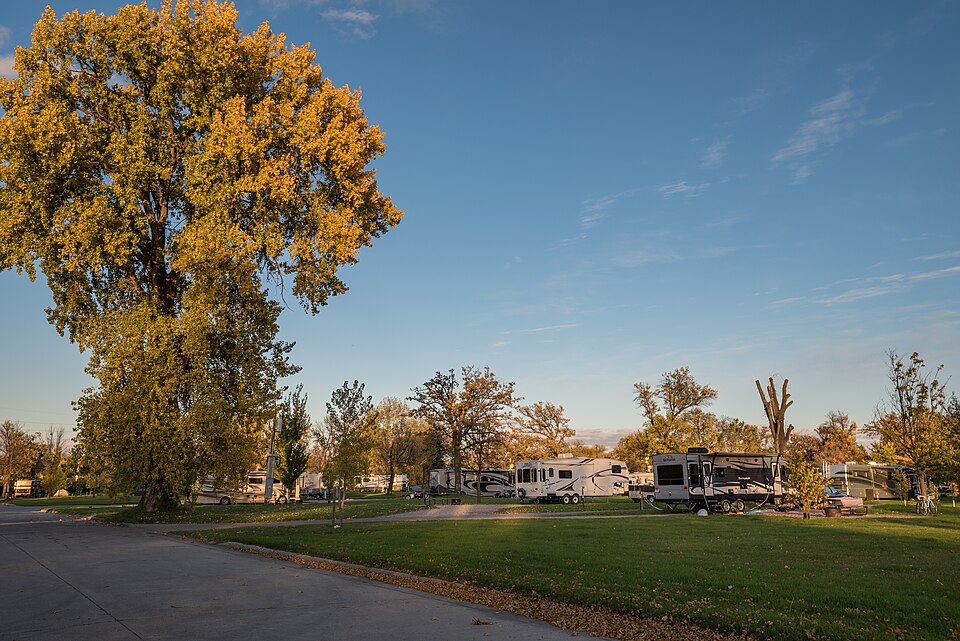
RV travel provides a familiar sleeping and cooking space, but parking, site dimensions, hookups, and dump facilities become part of the plan. A glamping structure may simplify arrival without offering an RV’s private bathroom. Compare complete amenities and total trip costs, not just the names of the lodging categories.
Booking Checklist for a Comfortable Stay
Before reserving, confirm the exact location, parking arrangement, and distance you must carry luggage. A walk-in structure can be appealing, but it changes how you pack groceries and rain gear. Check pet rules, occupancy limits, accessibility details, and whether children are permitted in the accommodation you are considering.
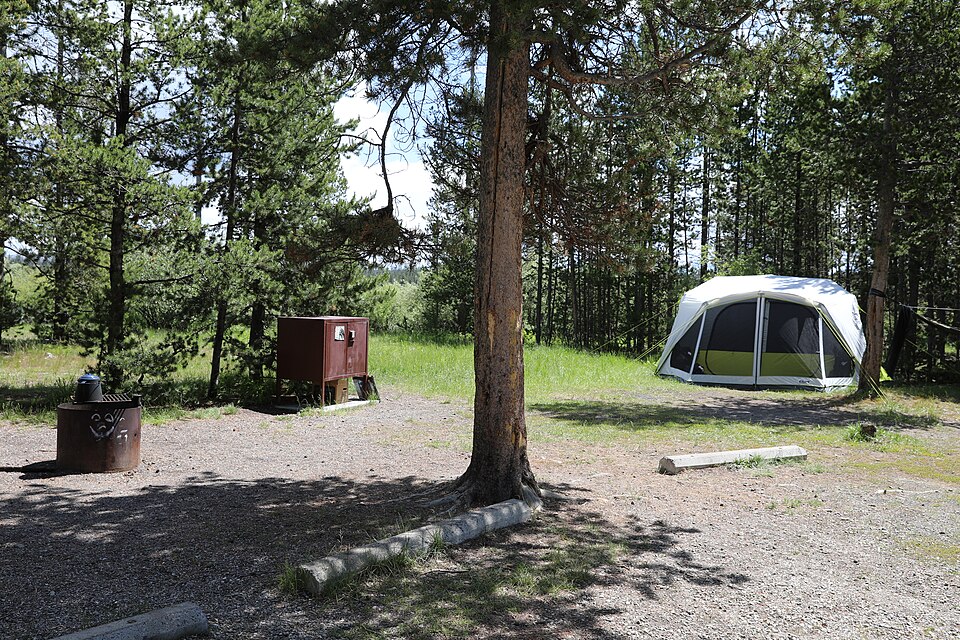
Ask about potable water, refrigeration, trash disposal, and secure food storage. Verify whether a fire ring or grill is available, then check current fire restrictions before planning meals around it. Use approved local firewood sources and follow Minnesota guidance intended to limit the movement of invasive pests.
Reserve early once your summer or fall weekend dates are set, without assuming every property follows the same booking calendar. Save arrival instructions in case cell service is inconsistent. Finally, check official Minnesota DNR park pages for nearby trail conditions and reservations; a comfortable place to sleep does not eliminate the need for flexible outdoor plans.