
This North Shore Lake Superior itinerary follows Highway 61 northeast from Duluth, pairing major sights with enough breathing room for weather and short walks. Duluth International Airport is a practical arrival option for a driving trip, but flight schedules and ground transportation should be checked before booking. Use the four-day route as a framework, then shorten it by staying on the southern shore or spending less time beyond Grand Marais.
Day 1: Duluth, Two Harbors, and Gooseberry Falls
Begin in Duluth with a brief Canal Park walk if your arrival leaves enough time. Watch the harbor activity from public viewing areas, then head northeast on Highway 61 toward Two Harbors. Avoid packing a long hike into an arrival day, especially if you still need to collect a rental car or groceries.
Make Gooseberry Falls State Park your main outdoor stop. Choose a waterfall walk that matches your energy and current trail conditions, with a shoreline visit as an optional addition. The falls and lakefront are separate parts of the experience, so use the park map rather than expecting everything beside one viewpoint.
Stay around Two Harbors or farther up the southern shore. Buy picnic supplies and check the next day’s weather before dinner. If you arrive late, skip the Duluth sightseeing and save Gooseberry for the following morning instead of racing between stops.
Day 2: Split Rock Lighthouse and Tettegouche
Start with Split Rock Lighthouse, allowing time to appreciate both the historic setting and the Lake Superior views. Check the historic site’s official visitor information before choosing a tour, and distinguish its admission arrangements from access to the surrounding state park. You can shape this stop around history, photography, or a shoreline walk.
Continue northeast toward Tettegouche State Park for your main hike. Decide in advance whether the Baptism River waterfalls or coastal viewpoints are your priority; attempting every option can turn a comfortable day into an overfull one. Carry lunch, water, and layers, and check route access on the official park page.
For a two-day trip, this is a reasonable turnaround area before heading back toward Duluth. For a longer visit, continue toward the Lutsen or Tofte area for the night. Leave time for the transfer rather than scheduling an ambitious late-afternoon trail outing.
Day 3: Temperance River, Lutsen, and Grand Marais
Use the morning for Temperance River State Park if you are staying nearby. The river gorge provides a striking contrast with the open lake, but stay on established routes and respect barriers. After recent rain or during icy conditions, adjust your visit to whatever viewpoints remain appropriate and open.
Choose one substantial hike for the day rather than several. Oberg Mountain near Lutsen is a popular option for elevated scenery, particularly when autumn color spreads across the surrounding forest. Review the route and conditions before leaving, and allow additional time for uneven footing and viewpoint breaks.
Continue to Grand Marais for a harbor walk and an overnight stay. This is a good evening to slow down, restock snacks, and decide whether the final day should extend farther northeast. If low clouds hide ridge views, replace the hike with shorter shoreline stops and more time in town.
Where to sleep
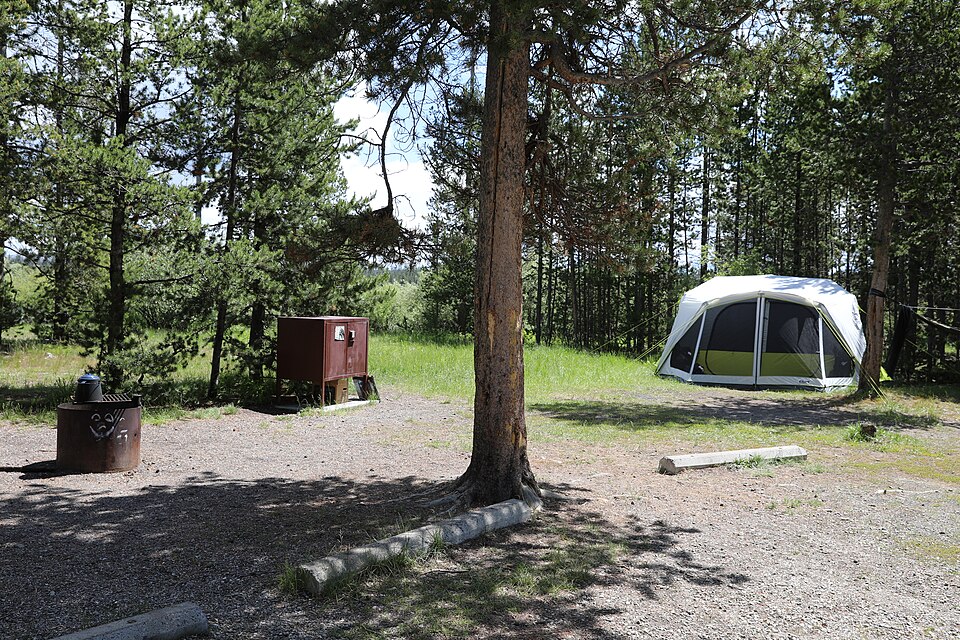
Harvest Hosts stays on the way to North Shore Lake Superior
Partner link · Harvest Hosts
Day 4: Grand Portage or a Slower Return
If you have a full day and want to continue northeast, consider Grand Portage State Park for the High Falls of the Pigeon River. This outing extends the trip toward the Canadian border, so account for the return journey before setting off. Visiting the Minnesota park does not require crossing into Canada.
Grand Portage National Monument is a separate destination focused on the region’s fur trade history and its connections with the Grand Portage Ojibwe. Check the official NPS website for current seasonal facilities, programs, and access before combining it with the waterfall visit.
Alternatively, spend the morning in Grand Marais and return south with one missed park stop. This is the better fit for an early flight or a long drive home. Do not count on squeezing the far northern shore into a departure morning; distances, construction, and weather can make a tightly planned return frustrating.
Route, Lodging, and Reservation Tips
For two days, focus on Duluth, Two Harbors, Gooseberry Falls, Split Rock, and possibly Tettegouche. Three days allow a more comfortable extension toward Lutsen and Grand Marais, while four days give you room for the Grand Portage area or a weather buffer. Each version works better when you resist adding every roadside attraction.
A rental car is generally the most practical way to connect this itinerary’s dispersed parks and towns. No airport transfer time or mileage is assumed here; map your actual arrival airport, lodging, and trailheads before booking. Highway 61 sightseeing stops can make a travel day much longer than its navigation estimate.
Reserve lodging or campsites once dates are firm, particularly for summer and fall weekends. Check official Minnesota DNR pages for permits, reservations, and conditions, and the NPS site for Grand Portage updates. Budget separately for accommodations, food, fuel, parking or admission, and optional guided activities.

More ways to book North Shore Lake Superior
 Illustrative · Diego Angel
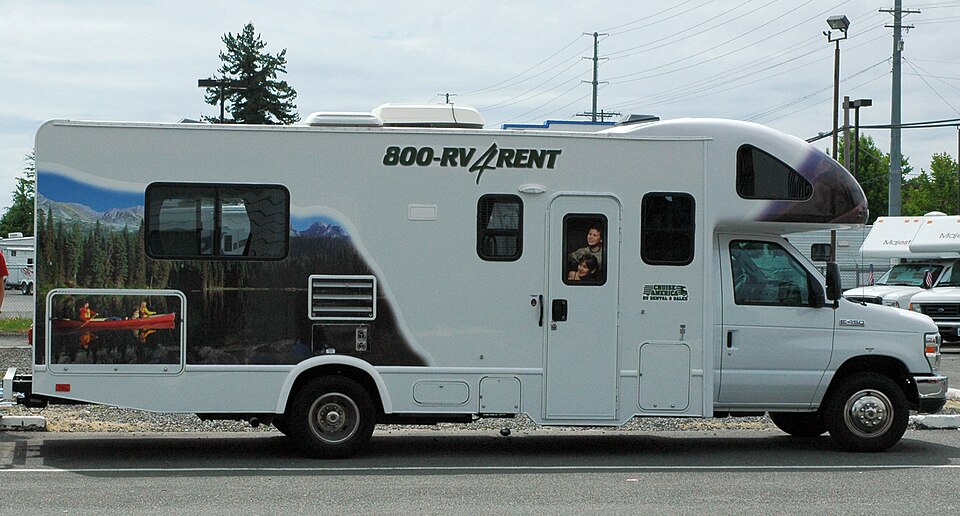
Sprinter Adventure Van
Small enough to park at the trailhead, comfy enough to sleep in.
$189/day (estimate)
Direct link · RVshare