
Mount Washington anchors a much larger outdoor playground, so you do not need to climb its summit to build a memorable trip. The surrounding notches, forests, and valley towns offer waterfall walks, mountain transportation, scenic drives, and indoor stops for unsettled weather. Match each day to your group’s experience and the mountain forecast, and leave room to trade an exposed hike for a sheltered outing when conditions change.
Reach the Summit by Road or Rail
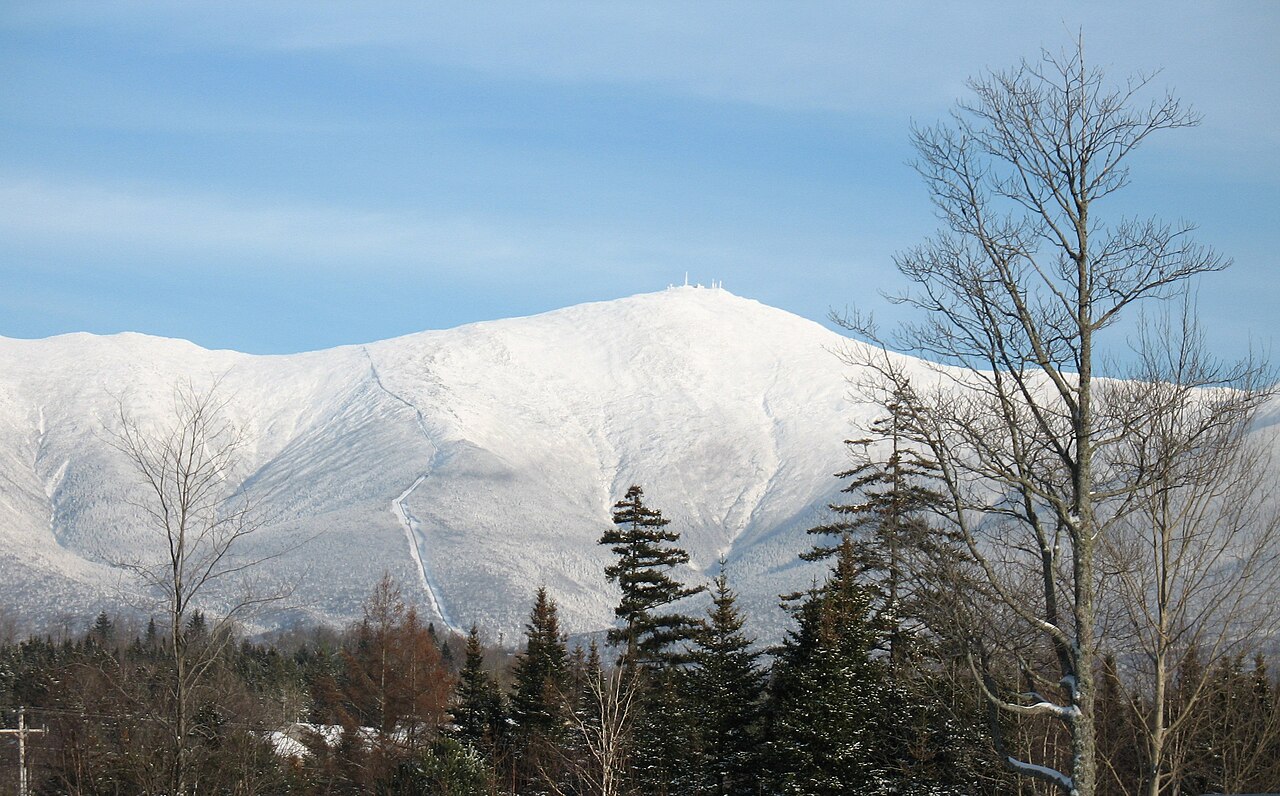
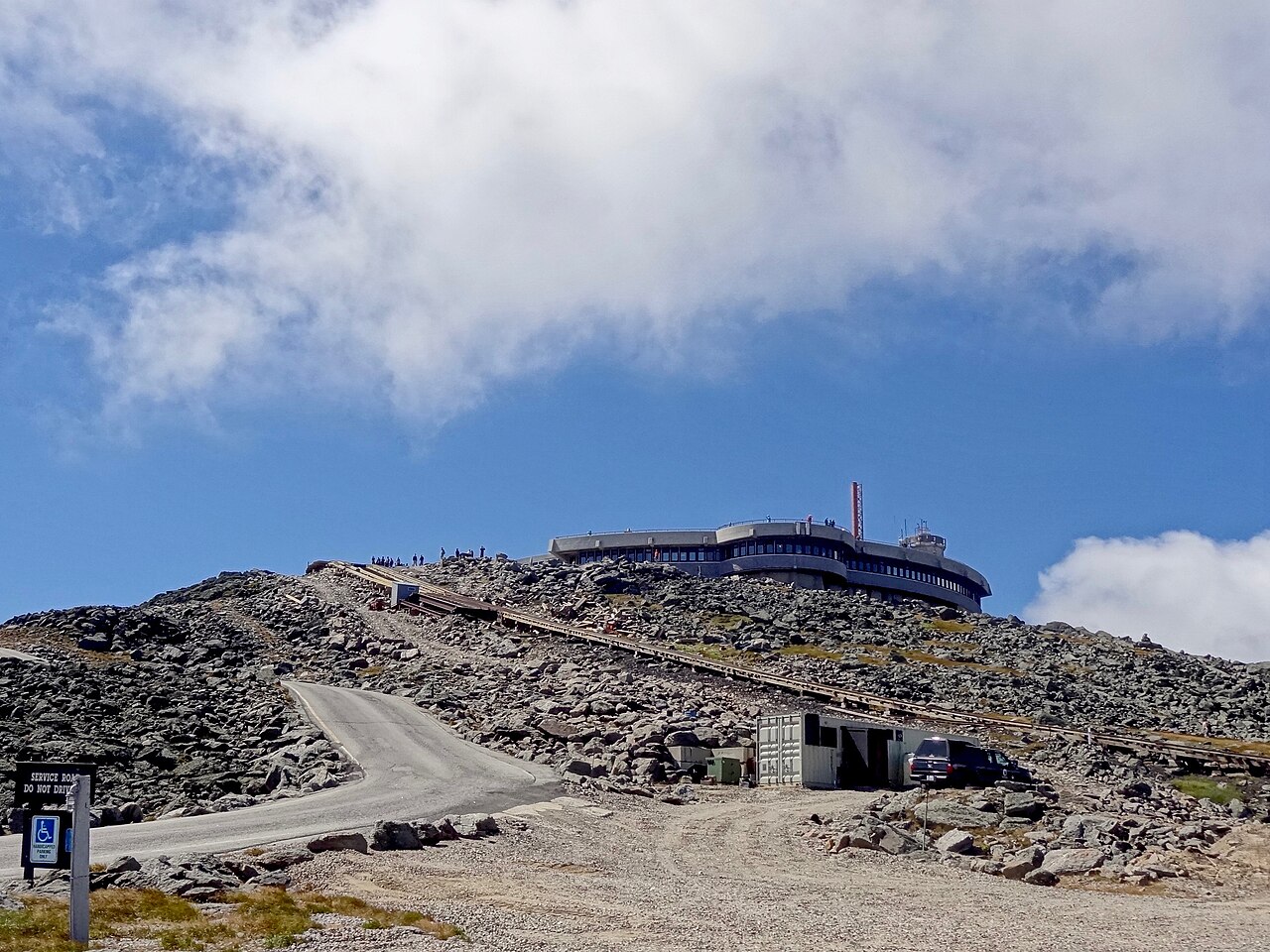
At 6,288 feet, Mount Washington is the highest peak in the northeastern United States. Two well-known ways to reach its summit without hiking are the Mount Washington Auto Road from the east and the Mount Washington Cog Railway from the west. Their starting points are on different sides of the mountain, so choose your lodging and departure plans accordingly rather than treating them as neighboring attractions.
The Auto Road is a steep mountain drive with exposed sections; review its official vehicle restrictions and driving guidance before choosing it. The railway offers a different perspective on the climb through forest and into alpine terrain. Both experiences depend on operating schedules and weather, and summit visibility is never assured. Bring warm layers even on a summer day. Check Mount Washington State Park and the official transportation websites for current access, reservations, and summit visitor services.
Choose a Hike That Fits Your Experience
Mount Washington’s summit routes are demanding mountain hikes, not casual extensions of valley walking trails. The Tuckerman Ravine Trail from Pinkham Notch is a familiar approach, but its upper terrain is steep and conditions can include lingering snow, wet rock, or ice. On the western side, the Ammonoosuc Ravine Trail climbs past water features toward Lakes of the Clouds before reaching exposed alpine terrain.
Research the full route, including the descent, before setting out. Do not count on buying a downhill ride if you become tired, since transportation access and policies vary. Carry a map, navigation backup, headlamp, extra layers, food, and water, and set a turnaround time. For a shorter outing, consider the walk to Crystal Cascade from Pinkham Notch, checking trail conditions first. Stay on marked paths above treeline, where fragile alpine plants recover slowly from foot traffic.
Explore Notches, Waterfalls, and Wildlife Habitat
The roads around Mount Washington offer rewarding scenery even when clouds hide the summit. Route 16 through Pinkham Notch passes between the Presidential Range and the Wildcat side of the valley, while Route 302 through Crawford Notch shows another dramatic mountain corridor. Combine a drive with short, established walks rather than spending the whole day moving between overlooks.
Glen Ellis Falls is a notable waterfall stop in the Pinkham Notch area, but its approach includes stairs and uneven terrain; check current access before going. Keep back from slippery edges and do not enter fast water for a photograph. Around dawn or dusk, watch for wildlife near wetlands and forest margins, especially while driving. Moose and black bears live in the White Mountains, but sightings are unpredictable. Observe from a distance, never feed animals, and secure food and scented items at camp.
Make It Work With Kids
A family visit often works better with one substantial activity each day rather than a summit ride followed by a long hike. Choose a railway outing, a short waterfall walk, or a scenic drive with picnic stops, then leave room for rest. Children who enjoy watching clouds and identifying rocks may find the summit fascinating, but cold wind and poor visibility can shorten everyone’s enthusiasm quickly.
Pack hats, warm layers, rain protection, snacks, and water for each child, even when your valley accommodation feels summery. Before choosing a trail, check elevation gain and footing as well as distance; short White Mountain walks can still involve roots, wet stone, and stairs. Pinkham Notch and Crawford Notch make useful starting areas for modest outings, depending on conditions. Avoid treating a summit photo as a required achievement, and choose a valley alternative whenever the forecast or your group’s energy calls for it.
Use Rainy Days for Valley Exploring
A rainy forecast is a good reason to separate mountain sightseeing from reaching the summit. North Conway offers shops, cafés, and railroad heritage, while Jackson and Gorham provide smaller-town bases for a relaxed meal and a walk when conditions allow. Look for regional museums or visitor-center exhibits, checking their official sites for current opening days rather than assuming every attraction operates year-round.
The Mount Washington Observatory’s forecasting and educational resources can also add context to the mountain’s famous weather, even if your summit plans change. A scenic drive may still be worthwhile in light rain, but heavy rain, flooding, or poor road visibility should change that plan. Avoid steep waterfall approaches during downpours, and never use an exposed ridge hike as the default substitute for a canceled ride. Keep your next clear day open for the mountain and enjoy the valleys without rushing.