
The best time to visit Mount Washington depends on whether you want to hike above treeline, ride to the summit, or explore the surrounding White Mountains at a gentler pace. Summer and early fall usually offer the most practical options for a first visit, but this New Hampshire peak can have winterlike conditions in any month. Plan around the mountain forecast rather than the weather outside your lodging.
Spring: Valley Walks Before Summit Hiking
Spring reaches the valleys well before it reaches Mount Washington’s upper slopes. Snow and ice can linger on mountain trails after lower roads and village sidewalks are clear, while melting snow makes stream crossings more difficult. For a casual outdoor trip, treat spring primarily as a season for lower-elevation walks, waterfall viewing, and exploring Pinkham Notch or the Mount Washington Valley.
Tuckerman Ravine draws experienced spring skiers, but its popularity should not be mistaken for easy access or ordinary hiking conditions. Avalanche hazards, falling ice, and steep snow require specialized judgment and equipment. Check the Mount Washington Avalanche Center when relevant, along with official trail and road updates. Summit transportation operates on seasonal schedules that depend on conditions; do not assume the Auto Road or railway offers its summer service. Flexible lodging and a valley-based backup plan matter especially now.
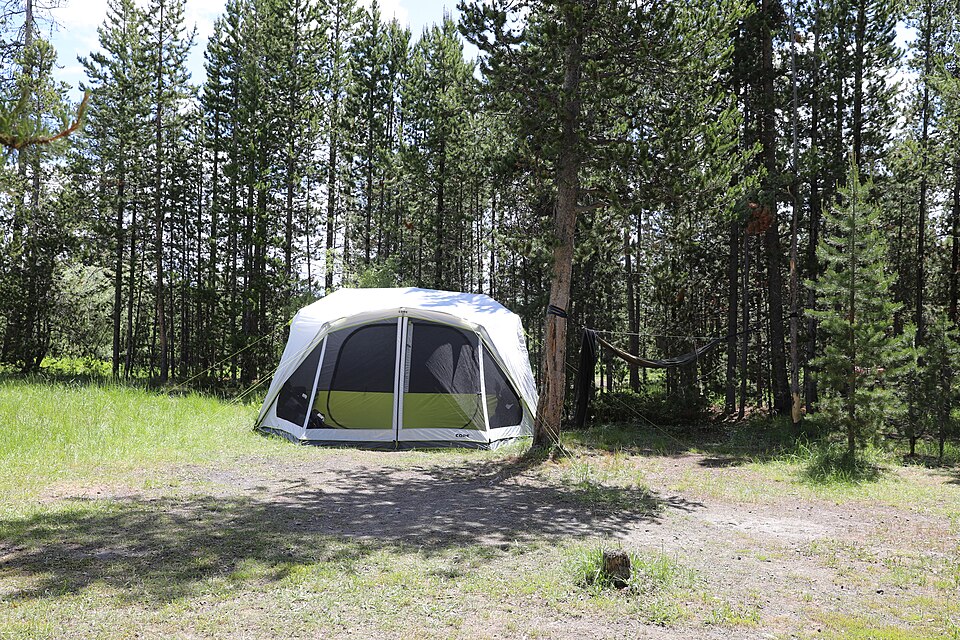
Lock in a stay for this season
RV parks near Mount Washington on RoverPass
Partner link · RoverPass
Summer: The Broadest Range of Options
Summer is usually the simplest season for combining summit transportation, established hiking routes, and family activities around the mountain. Long daylight hours help with planning, and more visitor services are generally operating. That does not make the summit a warm-weather destination: strong winds, fog, cold rain, and sudden temperature drops remain possible even when the valleys feel hot.
Start strenuous hikes early, but choose the day based on the higher-summits forecast rather than a fixed vacation schedule. Afternoon thunderstorms are a reason to avoid exposed terrain, not merely to pack a rain jacket. Carry insulating layers, waterproof outerwear, navigation tools, food, and water. Summer weekends bring heavier demand for lodging, railway departures, and popular trailhead parking. If your trip falls on a holiday or requires a specific summit ride, make reservations once your dates are firm and review cancellation terms.
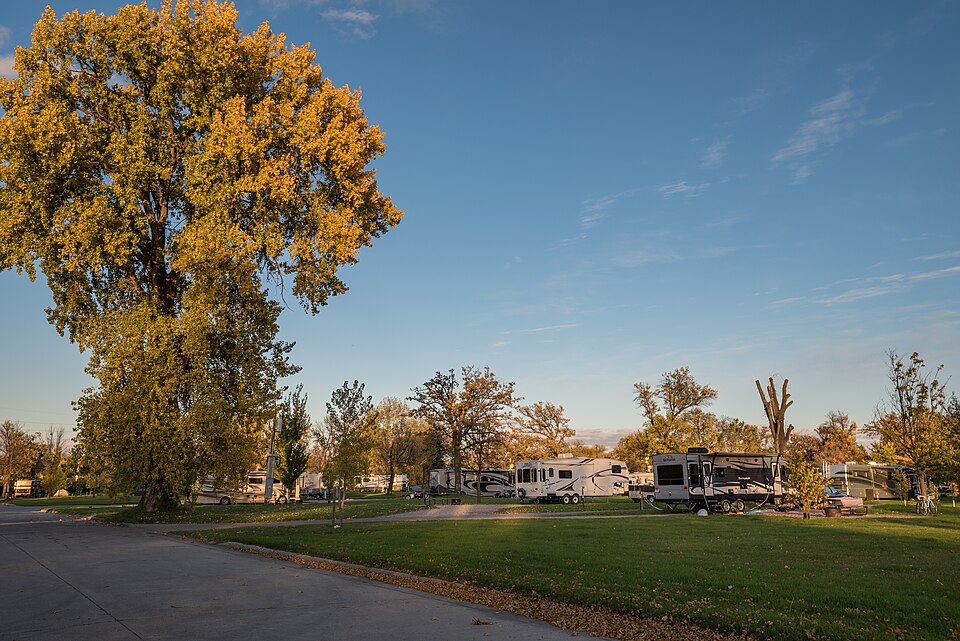
Lock in a stay for this season
Campsites near Mount Washington on Campspot
Partner link · Campspot
Fall: Foliage Below, Winter Possibilities Above
Fall pairs colorful valley forests with crisp mountain views, making it a rewarding time for travelers who want scenic drives as well as hiking. Foliage timing varies with elevation and weather, so avoid building the entire trip around one predicted peak-color date. A loop through Pinkham Notch and Crawford Notch offers different elevations and perspectives without requiring a summit attempt.
At higher elevations, shortening days and early snow or ice make hiking more demanding. A pleasant afternoon in North Conway says little about conditions on Mount Washington’s exposed summit cone. Pack for cold weather and be prepared to substitute a lower trail. Autumn foliage weekends can be as competitive for lodging as summer holidays, particularly around the notches and resort towns. Reserve distinctive cabins or tent accommodations ahead, and verify seasonal closing dates for summit transportation, campgrounds, and mountain visitor services.
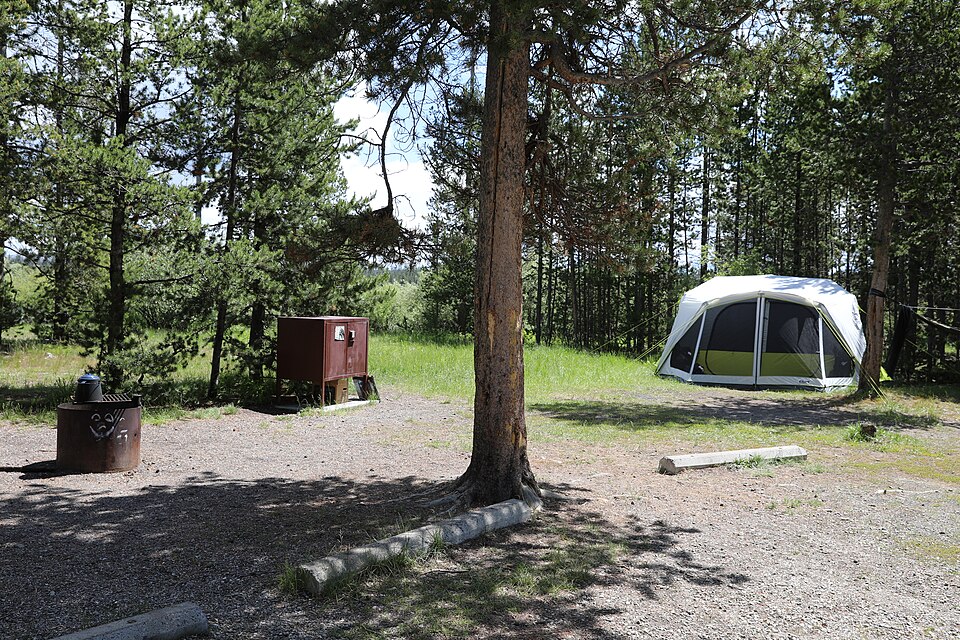
Lock in a stay for this season
Harvest Hosts stays on the way to Mount Washington
Partner link · Harvest Hosts
Winter: A Different Kind of Mountain Trip
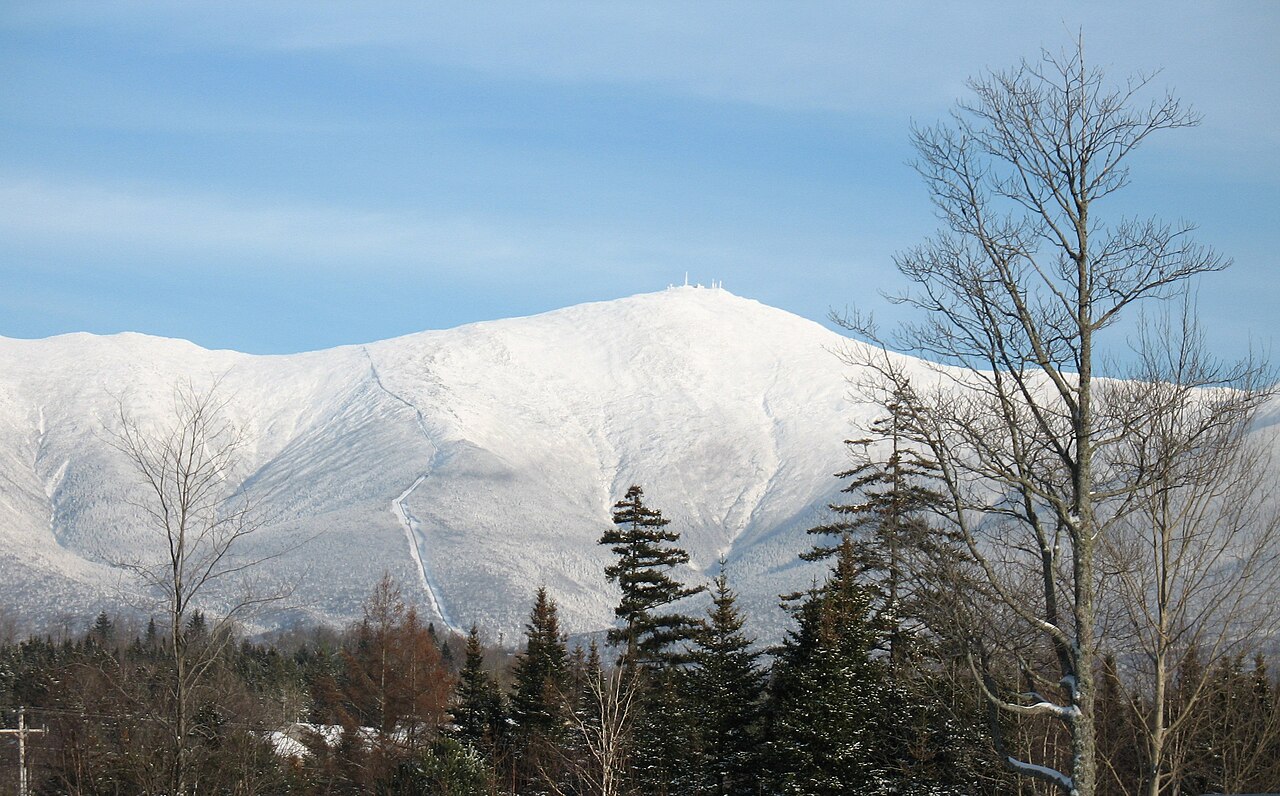
Winter Mount Washington is not an extension of the summer hiking season. Severe cold, powerful winds, blowing snow, and limited visibility can turn exposed terrain into a serious mountaineering environment. A summit hike calls for winter mountain experience, appropriate equipment, and conservative decision-making; a casual summer hiking background is not enough preparation. Guided instruction may be appropriate for travelers developing those skills.
For a less technical vacation, base your days around established downhill or cross-country ski areas, maintained winter walking options, and views of the Presidential Range from the valleys. Check each operator’s current conditions and access policies. Do not assume summer roads, trailhead facilities, or summit transportation are available in winter. Lodging demand often increases around ski weekends and school holidays. Confirm parking arrangements, heating, and winter vehicle access when booking a cabin, particularly if the listing is outside a town center.
Choosing Dates and Booking Around the Weather
For most first-time visitors, a summer or early-fall stay of two to four days provides a useful balance of access and flexibility. Keep more than one day available for the summit, and move that outing to the clearest suitable forecast window. Midweek travel often means less competition for parking and lodging, though good-weather days still attract hikers and sightseers.
Book lodging and any must-do railway departure before arranging smaller activities. Reserve farther ahead for holiday weekends, foliage season, and unusual accommodations with limited inventory; there is no single booking deadline that fits every trip. Read weather-related operating and refund policies rather than assuming a canceled outing will be refunded. Before departure, check Mount Washington State Park, White Mountain National Forest, the Mount Washington Observatory forecast, and official transportation sites for current conditions and reservations. Recheck the mountain forecast each morning.
More ways to book Mount Washington
 Illustrative · Rizka
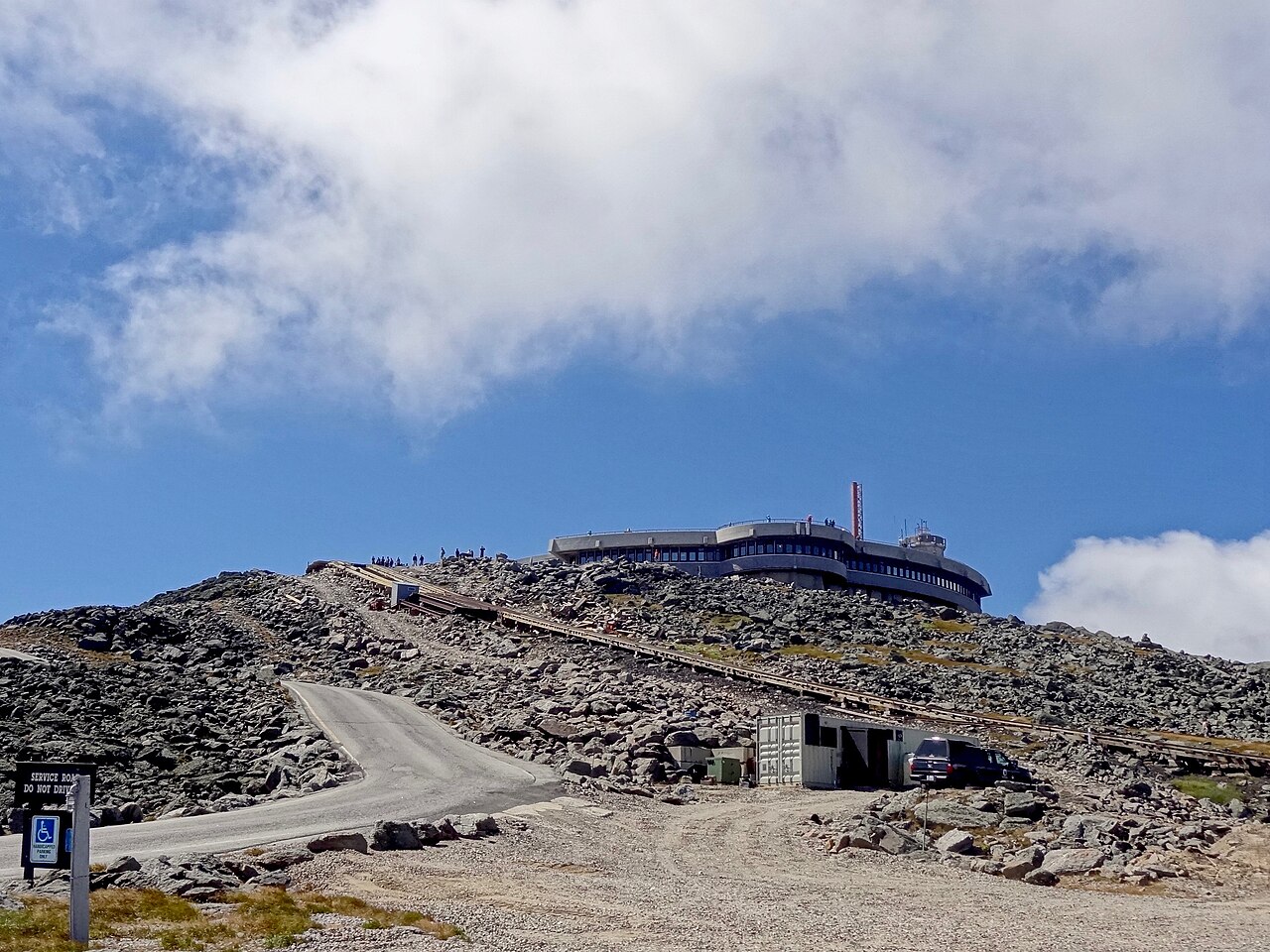
Mount Washington Auto Road
One of the classic ways to experience Mount Washington.
Varies (estimate)
Partner link · Viator