
Mount Washington glamping usually means staying in the surrounding valleys rather than sleeping on the mountain itself. Depending on the property, the experience may involve a furnished tent, a yurt-style structure, or a small cabin with a real bed and outdoor seating. Use the mountain as your daytime destination, then choose your overnight base according to road access, bathroom arrangements, heating, and which side of the Presidential Range you want to explore.
What Glamping Means Near Mount Washington
Glamping is a broad lodging label, not a consistent list of amenities. A furnished tent may provide a bed and lighting but require a walk to shared bathrooms, while a small cabin may include heat, plumbing, and a kitchenette. Some properties offer a campground setting with neighboring sites; others emphasize a more secluded wooded location. Verify the actual accommodation type rather than relying on photographs or the word luxury.
For a Mount Washington trip, practical comforts matter more than decorative details. Ask whether bedding is included, whether the structure has dependable heat, and how far you must walk from parking with your bags. Confirm charging outlets, potable water, cooking rules, and food storage arrangements. Mountain weather can make a damp evening feel cold even in summer. Glamping accommodations are generally in surrounding communities or lower-elevation settings, not substitutes for the specialized lodging and camping rules of the alpine zone.
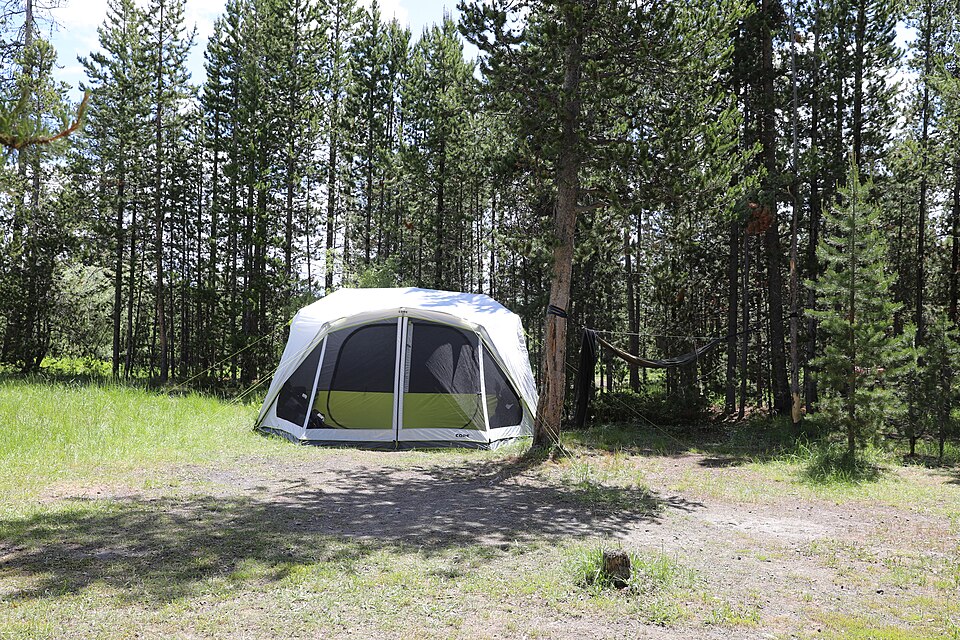
Eastern Bases: Jackson, North Conway, and Gorham
Search around Jackson and the wider Mount Washington Valley if you want access to restaurants, groceries, and outings through Pinkham Notch. North Conway provides a larger concentration of visitor services, while a more rural address may trade convenience for quieter surroundings. Check the actual map location: a listing described as near Mount Washington can still require a substantial drive to your chosen trailhead or summit transportation departure.
Gorham and nearby northern communities are another useful search area, especially if your plans focus on Route 16 and the mountain’s eastern side. Availability of furnished tents, cabins, and other outdoor lodging varies, so do not assume every town has every style. Compare bathroom access, neighboring-site spacing, road noise, and nighttime arrival instructions. If the Auto Road is your main activity, verify the route to its base from the property before booking rather than choosing by the mountain name alone.
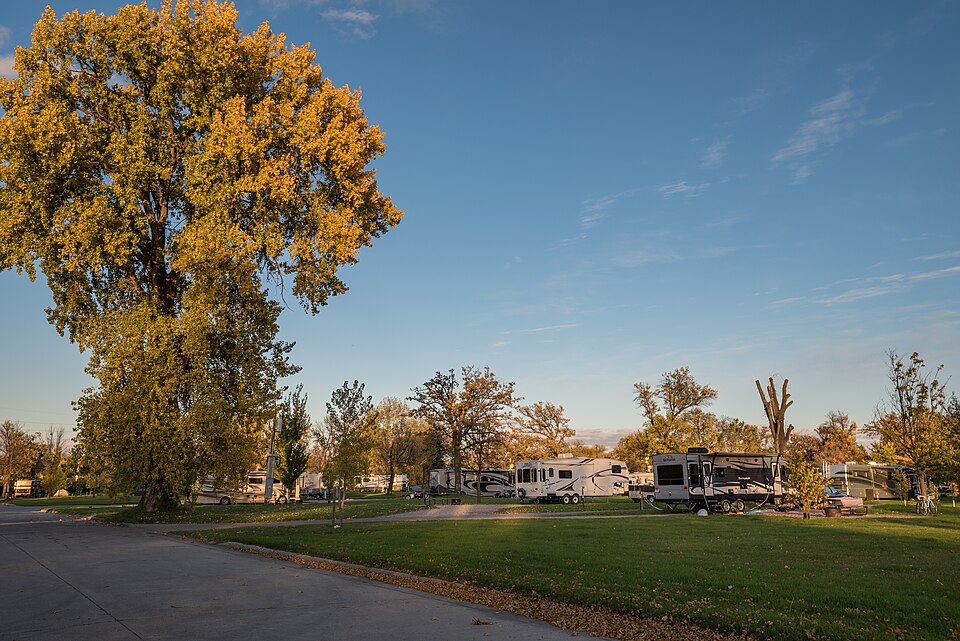
Western Bases: Bretton Woods and Twin Mountain
Look around Bretton Woods, Twin Mountain, and the broader western White Mountains if the Cog Railway or Crawford Notch is central to your plans. Cabin-style accommodations may fit this side of the trip particularly well, but inspect individual listings for the amenities you actually want. A rustic exterior does not establish whether a unit has private plumbing, a kitchen, or enough insulation for a cold night.
The western side also works for travelers who prefer a quieter evening after sightseeing rather than returning to the busier Mount Washington Valley. Plan grocery stops and meals in advance, since a rural property may not have walkable dining. Check the full drive to the railway departure point and any intended trailheads. East-side and west-side attractions are not linked by a public road across the summit, so a stay on one side does not eliminate the need to drive around the range.
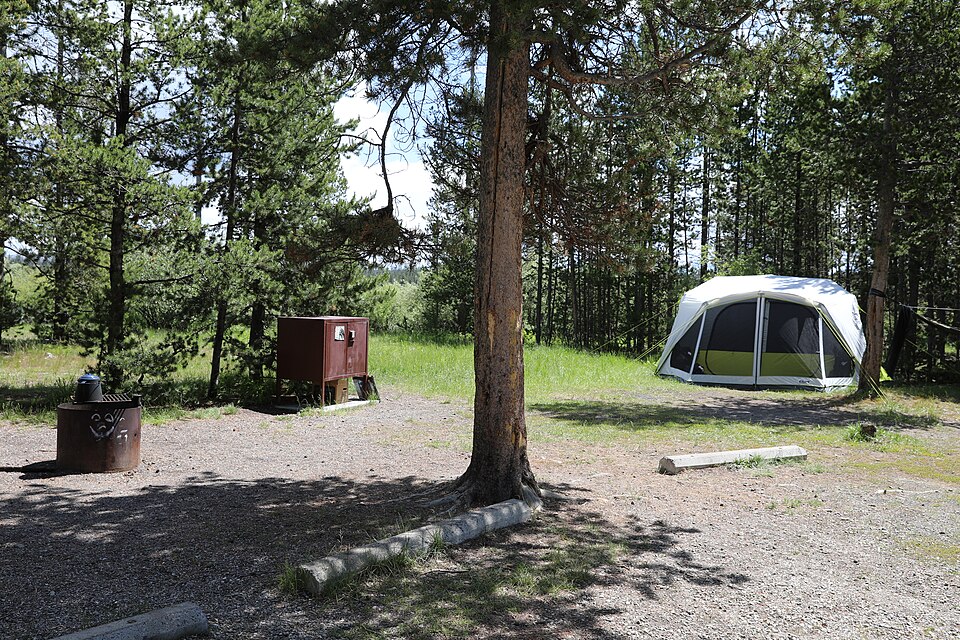
Choose the Season and Reserve the Right Comforts
Summer and early fall are generally the most straightforward seasons for tent-based glamping near Mount Washington. Even then, nights can be cool and extended rain can make an unheated structure uncomfortable. Ask about heaters, extra blankets, ventilation, and covered cooking or sitting areas. Spring stays require particular attention to mud, lingering snow, and whether seasonal bathrooms or water systems are operating.
Foliage weekends and summer holidays can bring strong lodging demand. Book once your dates and accommodation needs are clear, especially when you require a private bathroom or a pet-friendly unit. Confirm minimum stays, cancellation terms, and weather policies before paying. For winter, choose a property explicitly equipped and operated for winter stays, with plowed access and adequate heating. Check Mount Washington State Park, White Mountain National Forest, and official attraction sites for current conditions and reservations; a year-round cabin does not mean year-round summer-style mountain access.
Glamping vs. Camping vs. an RV
Glamping suits travelers who want outdoor evenings without packing a full sleeping setup. Traditional camping generally gives you more control over equipment and may cost less, but requires a suitable tent, sleeping system, cooking supplies, and a plan for wet weather. An RV provides shelter and storage, yet adds vehicle logistics, campsite size limits, and questions about hookups or generator rules. Compare rough total costs, including cleaning charges and equipment needs.
None of these options removes the need for responsible food storage or weather planning. Follow property and forest guidance for wildlife, fires, waste, and quiet hours. Use locally sourced firewood when fires are permitted, and check restrictions before lighting one. If traveling by RV, verify parking and vehicle restrictions for every attraction, particularly the Auto Road. For any accommodation, reserve through the property’s official channel when practical and confirm which amenities are included rather than assuming campground access means full services.