
Use this Mount Washington itinerary as a flexible sequence rather than a promise to summit on a particular day. A two- to four-day stay gives you time to explore the valleys and choose a suitable weather window for your main mountain outing. No airport or transfer distance was supplied for this trip, so compare arrival airports and actual routes to your chosen lodging before booking flights or setting your first-day schedule.
Day 1: Arrive and Get Oriented
Choose your base before choosing your flight. North Conway and Jackson work well for the eastern valleys and Pinkham Notch; Gorham is convenient for northern approaches, while Bretton Woods and the Twin Mountain area suit western access. Boston Logan and Portland International Jetport are airport options worth comparing, but neither is at the mountain. Check actual drive times for your arrival day and allow extra room for traffic, weather, and stops.
After checking in, pick up groceries or trail food and take a short local walk rather than committing to a late mountain ascent. If you have daylight and suitable conditions, visit Pinkham Notch for orientation or make a brief scenic drive near your base. Review the higher-summits forecast that evening. Decide whether Day 2 is appropriate for your summit plan, and confirm transportation reservations, trailhead access, or parking instructions before going to bed.
Day 2: Make This Your Mountain Weather Window
Use the most suitable day of your stay for Mount Washington itself. For a transportation-based visit, choose either the Auto Road on the east side or the Cog Railway on the west side and follow the operator’s arrival guidance. Bring layers and allow time to experience the summit without assuming clear views. Check current summit facilities through Mount Washington State Park before departure.
Experienced hikers can instead plan a researched summit route suited to current conditions and the entire group’s fitness. Start early, carry the necessary mountain equipment, and establish turnaround criteria before leaving the trailhead. This is not a day to add an unfamiliar technical shortcut or rely on a ride down. If high winds, thunderstorms, ice, or limited visibility make the plan unsuitable, move the summit outing to another day. Substitute lower-elevation sightseeing, but check those conditions too.
Day 3: Waterfalls and the Eastern Valleys
After a demanding mountain day, slow the pace with a lower-elevation outing around Pinkham Notch. The walk to Crystal Cascade makes a logical option for visitors who want forest and moving water without another summit objective. Glen Ellis Falls is another established area attraction, though stairs, wet surfaces, and changing access conditions mean it is not suitable for every traveler. Choose one outing rather than collecting stops hurriedly.
Continue into Jackson or North Conway for lunch and unstructured valley time, or head toward Gorham if that better fits your base. Keep wildlife viewing incidental: drive attentively and stop only where parking is permitted, never in a travel lane. If Day 2 was washed out and Day 3 offers a better mountain forecast, swap the days. The waterfall and town plan is deliberately easier to rearrange than a reserved summit departure.
Day 4: See the Western Side or Start Home
With a fourth day, explore the western side of the Presidential Range and Crawford Notch. Route 302 provides mountain scenery and access to established trailheads, with Bretton Woods and nearby communities serving as practical stops. Pick a short walk based on the latest trail report and your remaining energy. A valley viewpoint can be more enjoyable than another steep climb after a full mountain day.
Avoid scheduling a major hike immediately before a flight or a long drive home. Trail travel can take longer than expected, especially on wet rock or crowded routes, and mountain roads deserve an unhurried driver. If you have only two days, keep Day 1’s arrival plan and use Day 2 for your highest-priority feasible outing. With three days, omit this western loop unless your lodging is already on that side; minimizing backtracking leaves more time outdoors.
Practical Planning: Transport, Costs, and Backups
A car is generally the most practical way to connect lodging, trailheads, and attractions around Mount Washington. The mountain separates east- and west-side activities, so check routes instead of judging proximity from a straight-line map. Download directions before leaving town, and do not assume reliable mobile service at every trailhead. Confirm whether parking passes or other access fees apply to your selected stops.
Build a rough budget around lodging, rental car or fuel, meals, parking, and optional summit transportation. Road and railway outings add a separate expense, while self-catering can reduce restaurant spending; actual costs vary by season and accommodation. Keep one changeable day rather than purchasing nonrefundable activities for every morning. Before travel, consult Mount Washington State Park, White Mountain National Forest, the Observatory forecast, and official operators for current conditions and reservations. Winter versions of this itinerary require substantially different activities and preparation.
More ways to book Mount Washington
 Illustrative · Diego Angel
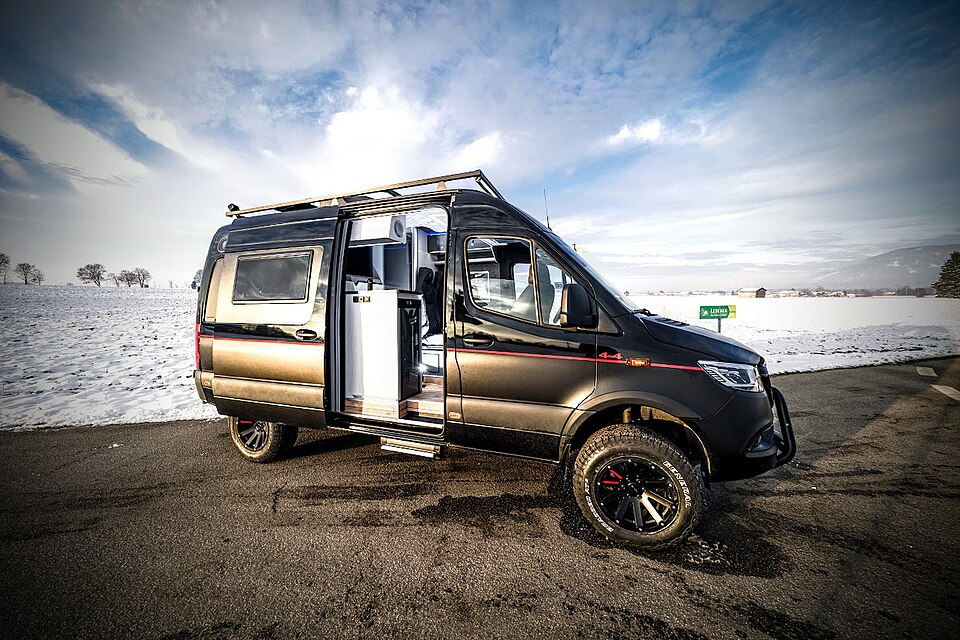
Sprinter Adventure Van
Small enough to park at the trailhead, comfy enough to sleep in.
$189/day (estimate)
Direct link · RVshare