
Mount Hood offers more than a distant summit view: you can walk beside a forest river, paddle beneath the mountain, explore a historic lodge, or spend a day on snow. The most satisfying visit usually combines one major outing with a slower stop nearby instead of trying to circle the entire mountain in a rush. Choose activities by elevation and current conditions, because lake roads, alpine trails, and ski facilities follow different seasonal rhythms.
Explore Timberline Lodge and the Mountain Above It
Timberline Lodge is one of Mount Hood’s signature stops, both for its mountain setting and its historic craftsmanship. Built during the 1930s, the lodge offers a closer look at woodwork, stonework, and the region’s history of mountain recreation. It is an active lodging property, so respect posted access rules and give guests space. Public access, dining, and any interpretive activities should be checked before your visit.
Outside, take time to appreciate how quickly the forest gives way to a more exposed alpine landscape. In snow-free conditions, experienced hikers can explore sections of the Pacific Crest Trail near the lodge. Choose a turnaround point based on weather, daylight, and trail conditions rather than making distance the goal. Snowfields may persist well into summer, and there is limited shelter above the trees. A lodge visit is not the same undertaking as climbing Mount Hood’s summit.
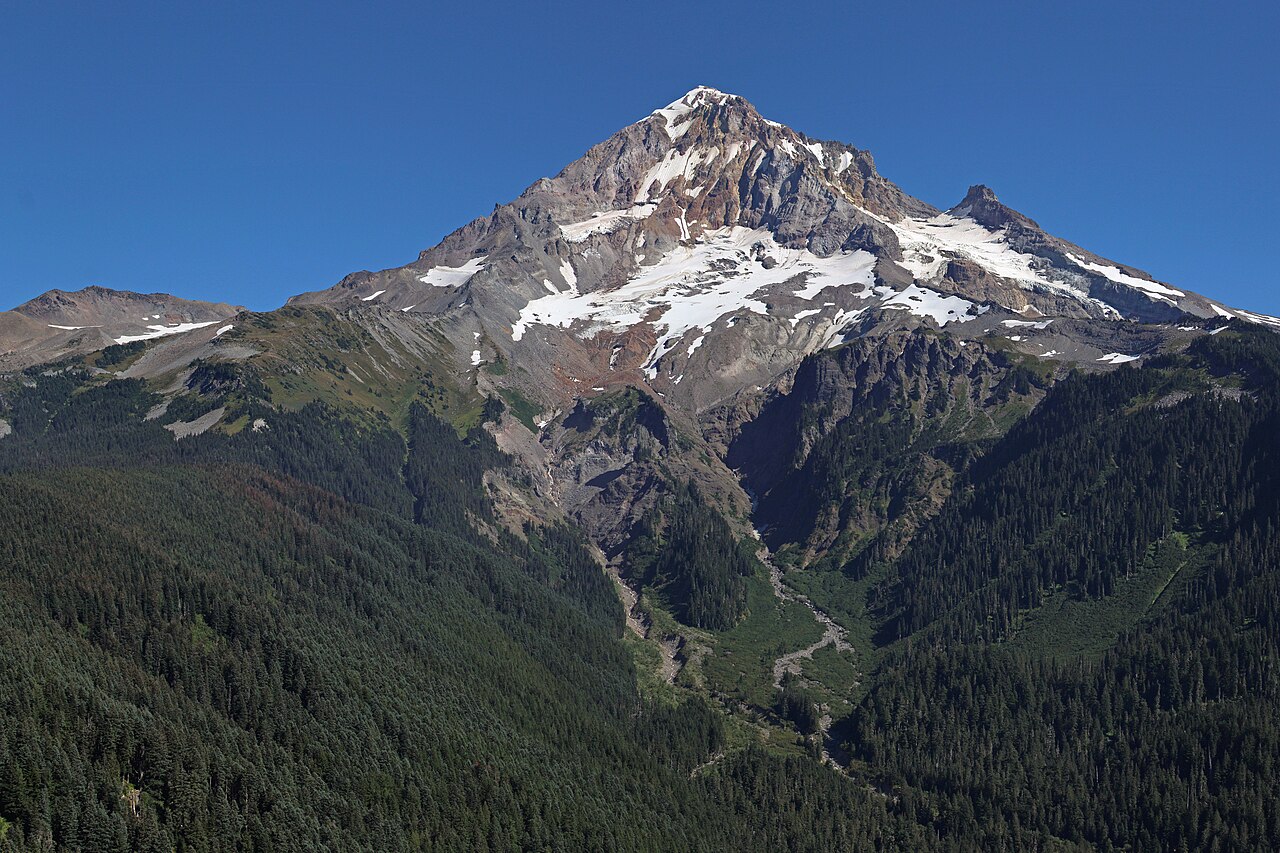
Choose a Lake Day at Trillium Lake or Lost Lake
Trillium Lake is a classic place to see Mount Hood reflected in water when wind and visibility cooperate. Its shoreline paths, picnic opportunities, and campground make it especially appealing for a relaxed outing. Expect company on summer weekends, and use designated parking rather than crowding road shoulders. Seasonal access changes substantially when snow arrives, so a lake visit may require a different plan outside summer.
Lost Lake offers another well-known mountain-and-water setting on the northwestern side of Mount Hood. It works best as a dedicated outing rather than a quick add-on to a packed Government Camp day. If paddling is part of your plan, check launch rules and any rental availability in advance; do not assume equipment will be available. Wear a properly fitted life jacket, account for cold water, and leave shoreline vegetation undisturbed when choosing a place to rest.
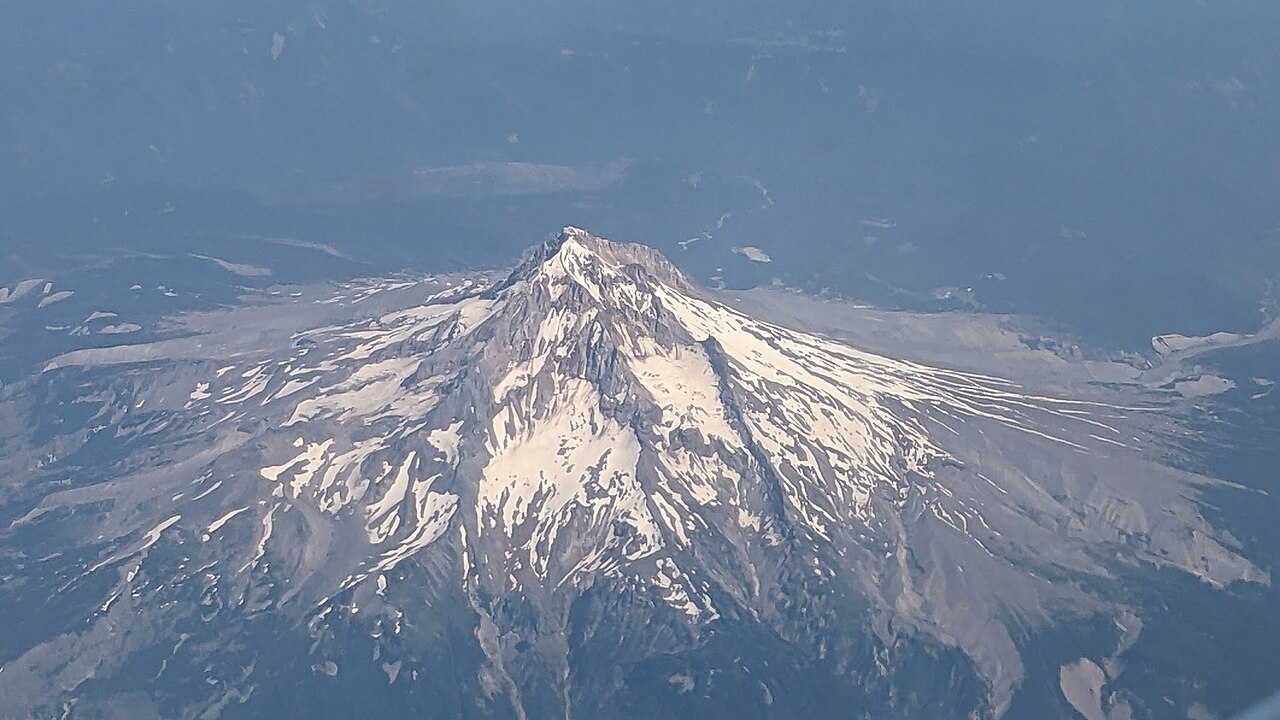
Hike Forest Trails and Drive Around the Mountain
For a forest-focused hike, consider the Old Salmon River Trail near Welches. Its river setting and big trees offer a different experience from the open slopes near Timberline. Farther up the mountain, Mirror Lake is a popular hiking destination, while continuing toward Tom, Dick and Harry Mountain involves a more demanding outing. Consult current trail descriptions, elevation gain, parking requirements, and snow reports before deciding which route fits your group.
For a scenic drive, US 26 and OR 35 connect the mountain’s southern and eastern sides, with Hood River providing access to the Columbia River Gorge. Add I-84 only if you want a larger loop and have time for the extra driving. Plan a few deliberate stops instead of pulling over wherever a view appears. Forest roads can be rough, seasonal, or closed, so do not rely on navigation shortcuts.
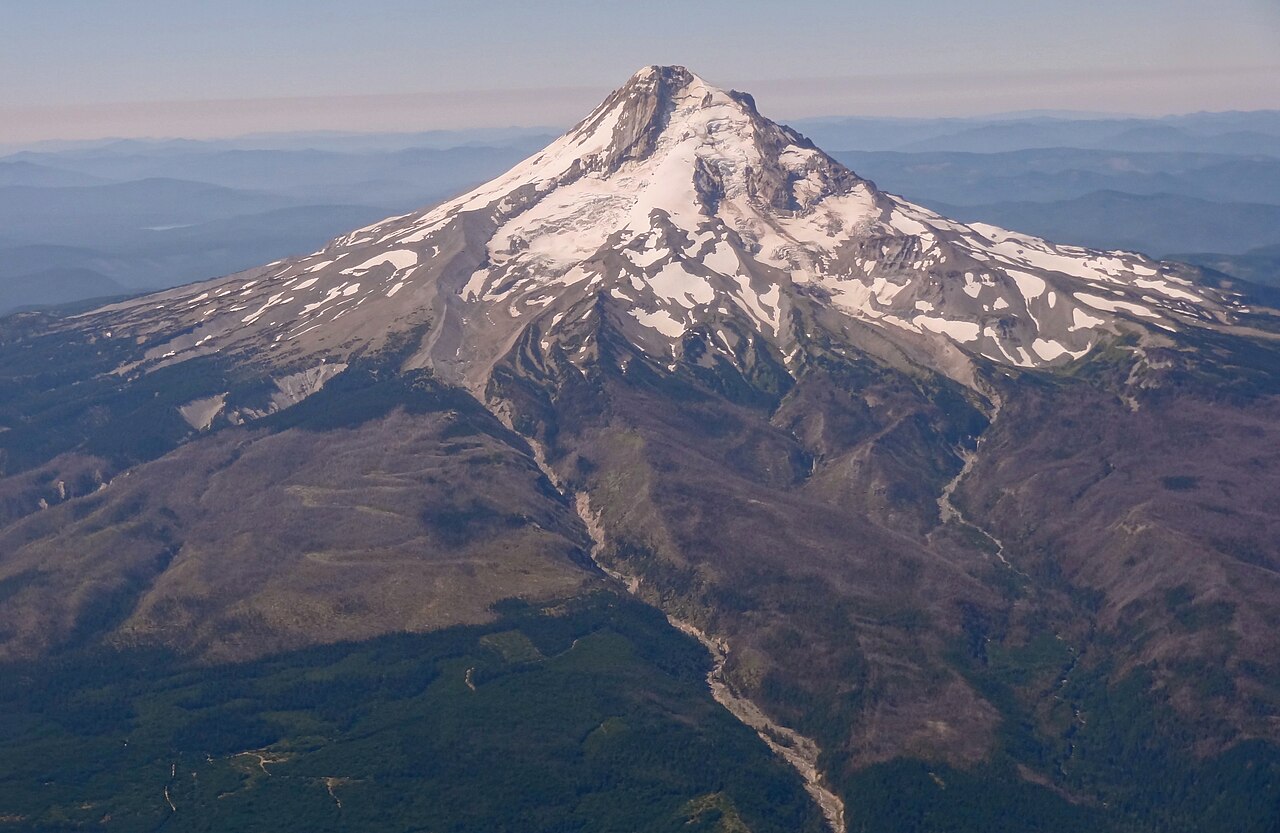
Make It a Family Outing and Watch for Wildlife
With kids, a shorter outing often leaves more room for the details that make Mount Hood memorable. Choose a modest shoreline walk at Trillium Lake, look for fallen cones and animal tracks along a forest trail, or explore the craftsmanship inside Timberline Lodge. Let children help choose a turnaround landmark, and carry snacks, water, and extra layers even when the planned walk is brief.
Birds, squirrels, and other small forest animals are more realistic everyday wildlife sightings than large mammals. Deer and elk occur in the region, but sightings are never guaranteed. Watch quietly from a distance and never feed animals, including the bold ones around picnic areas. Binoculars add interest without encouraging children to approach wildlife. Keep food secured at campsites and follow posted storage rules. If visiting with a dog, check leash requirements and whether your chosen recreation area allows pets.
Plan for Rain, Snow Sports, and Changing Access
Rain does not have to cancel a Mount Hood visit, but it should change the plan when visibility, trail footing, or road conditions deteriorate. Timberline Lodge provides a sheltered historic stop, subject to current public access. Government Camp’s Mt. Hood Cultural Center and Museum is another established option; check its official schedule rather than assuming it is open every day. A relaxed meal can also be a better choice than forcing a wet summit-view hike.
If snow sports are your priority, compare the terrain and current operations at Timberline, Mount Hood Meadows, and Mt. Hood Skibowl. Lessons, rentals, and lift access have separate availability and costs. Check the official Mount Hood National Forest website for closures, trail conditions, recreation passes, and campground reservations, and consult individual ski areas for operations. In cold weather, check Oregon road conditions before driving, even if the lower valleys are only rainy.