
This Mount Hood itinerary is built around a summer or early-fall visit, when lake access and day hiking are usually easier to combine. Portland International Airport is a common arrival point, but drive time to the mountain varies with your lodging location, traffic, and weather, so leave the arrival day light. Base yourself around Welches, Rhododendron, or Government Camp for the southern side, or choose Hood River if you prefer a town base northeast of the mountain.
Day 1: Arrive and Settle into the Forest
After arriving at Portland International Airport, collect your vehicle and check road conditions before heading toward Mount Hood. The southern gateway communities are generally reached via US 26, but use current navigation for the airport connection. Buy groceries and any essential supplies before settling into your lodging, especially if your cabin or campsite is away from a town center. Avoid scheduling a prepaid activity close to your flight’s arrival.
If daylight and energy allow, take a short walk along the Old Salmon River Trail near Welches. This gives you a forest introduction without making the first day depend on clear summit views. Choose your turnaround early enough to return comfortably before dark. Travelers staying in Government Camp can instead keep the afternoon local and save the river walk for another day. Finish by checking tomorrow’s mountain forecast and confirming campground or lodging instructions.
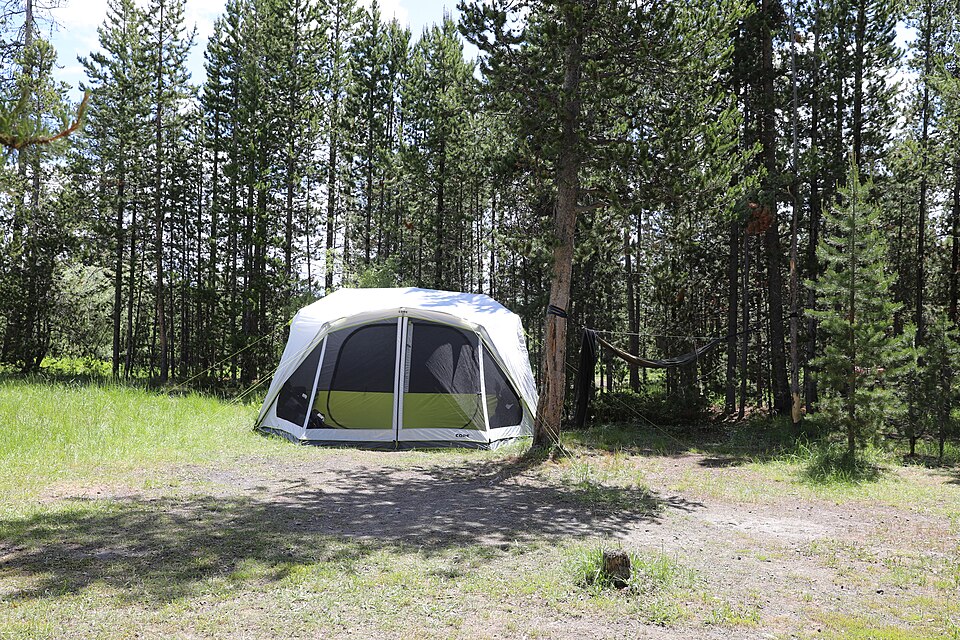
Day 2: Timberline Lodge and Trillium Lake
Start with Timberline Lodge, allowing time to explore its historic interior where public access is permitted and enjoy the mountain setting outside. If trails are clear and the weather is settled, add a short out-and-back walk on a nearby established trail. Do not make a high-elevation hike automatic: lingering snow, strong wind, or poor visibility are good reasons to keep this stop focused on the lodge.
Later, head to Trillium Lake for a picnic and shoreline walk if the access road and recreation area are open. Bring your own lunch to avoid making the day depend on nearby food service. On busy weekends, consider reversing the order and reaching the lake early, though parking is never guaranteed. Keep an alternate stop in mind if lots are full. Return to your base for dinner rather than adding a long evening drive around the mountain.
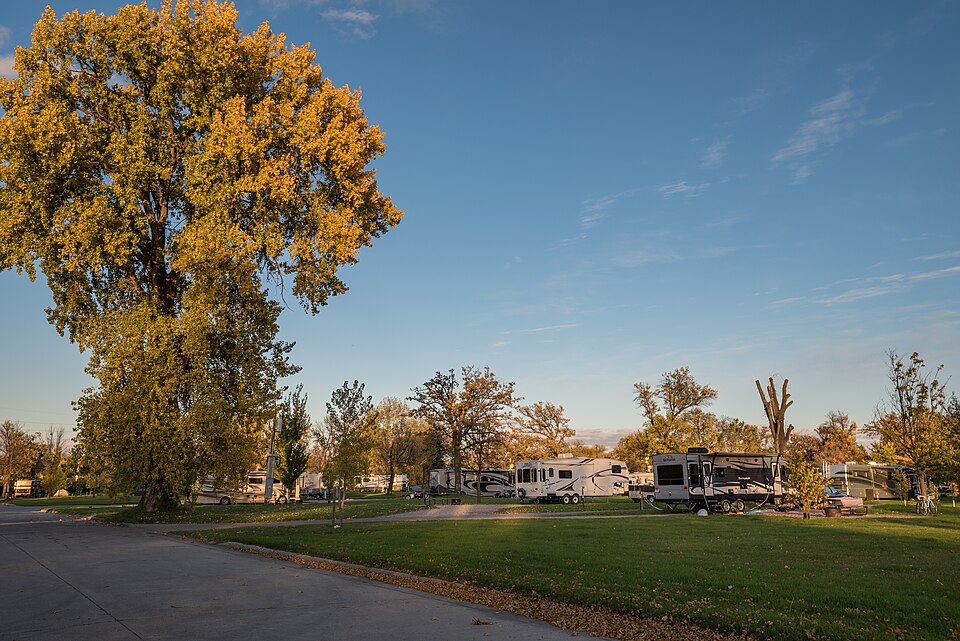
Day 3: Choose One Main Hike or a Water-Focused Day
Use your third day for the activity that matters most to your group. For hiking, Mirror Lake is a well-known option when conditions are suitable. Stronger hikers may consider continuing toward Tom, Dick and Harry Mountain, but should assess the additional distance, climbing, weather exposure, and remaining daylight. Check current trailhead parking and pass requirements before leaving your lodging, and carry navigation rather than relying entirely on cell service.
For a gentler alternative, make Lost Lake your main destination and allow generous time for the drive. Walk along the shore, bring a picnic, or paddle if you have suitable equipment and conditions cooperate. Do not combine Lost Lake with an ambitious hike elsewhere simply to fill the day. If rain or snow disrupts both options, shift to the Mt. Hood Cultural Center and Museum in Government Camp, subject to its current schedule.
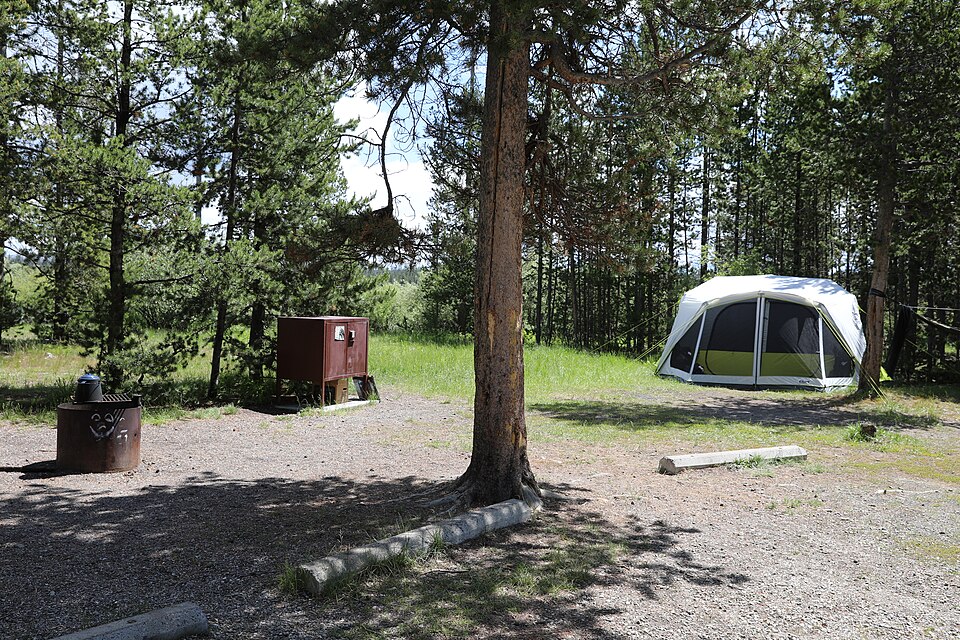
Day 4: Hood River Valley and the Trip Home
If you have a fourth day, consider following OR 35 along Mount Hood’s eastern side toward the Hood River Valley. This adds a different perspective on the mountain and brings you into orchard country. Seasonal farm visits can be appealing, but access and activities vary, so confirm individual stops before making a detour. Hood River also offers a walkable town setting and Columbia River scenery after several forest-focused days.
Returning toward Portland via I-84 creates a larger loop rather than retracing the entire southern approach. Leave a substantial buffer if you have a flight, and skip optional stops when traffic or weather slows the trip. For a two-day visit, keep Days 1 and 2 and head home without the northern loop. For three days, choose either the dedicated hike or the Hood River Valley drive based on your interests and departure schedule.
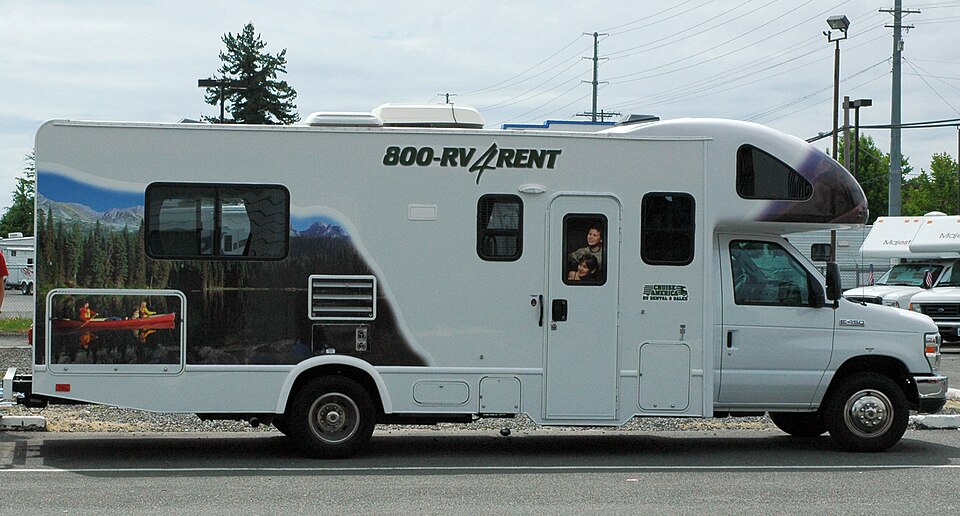
Practical Tips: Bases, Reservations, and Seasonal Changes
Stay in one base for a short trip unless your route clearly benefits from moving. Welches and Rhododendron suit forest cabins and access to the Salmon River area; Government Camp places you closer to several mountain recreation stops. Hood River suits travelers who also want time in the Gorge, but it changes the daily driving pattern. Compare total lodging costs, including cleaning fees and parking, rather than the advertised nightly amount alone.
Reserve lodging and popular campgrounds ahead for summer weekends and winter holidays. Check the official Mount Hood National Forest website for current conditions, permits, closures, and reservation links. In winter or snowy spring conditions, replace summer lake and hiking plans with appropriately chosen snow activities, not improvised walks on buried trails. Check Oregon road reports, traction requirements, and rental-car restrictions. Carry offline maps, and leave extra time between mountain activities and your flight.

More ways to book Mount Hood
 Illustrative · Diego Angel
Sprinter Adventure Van
Small enough to park at the trailhead, comfy enough to sleep in.
$189/day (estimate)
Direct link · RVshare