
The best time to visit Mount Hood depends on whether you want snowy slopes, open hiking trails, or a quiet cabin weekend beneath Oregon’s tallest mountain. Summer usually offers the widest range of hiking and camping options, while spring and fall reward flexible travelers with changing scenery and fewer people outside peak weekends. Elevation matters here: rain in Government Camp can coincide with snow higher on the mountain, and a sunny forecast does not mean every trail is clear.
Spring: Snow Sports and Lower-Elevation Walks
Spring on Mount Hood is a transition season, not an early guarantee of summer hiking. Snow can linger around Government Camp, Timberline Lodge, and the mountain’s higher lakes long after Portland gardens turn green. Skiing may remain an option, but operating schedules depend on conditions and the individual ski area. For a mixed trip, pair time on the mountain with lower-elevation walks near the Salmon River or a scenic outing through the Hood River Valley.
Pack waterproof layers and shoes that can handle mud. A trail described as easy in summer can become difficult to follow under snow, so choose routes based on current reports rather than mileage alone. Spring weekends can still draw ski traffic along US 26. Reserve lodging ahead for school breaks and popular weekends, while keeping outdoor plans flexible enough to shift downhill when weather changes.
Summer: The Broadest Choice of Trails and Campsites
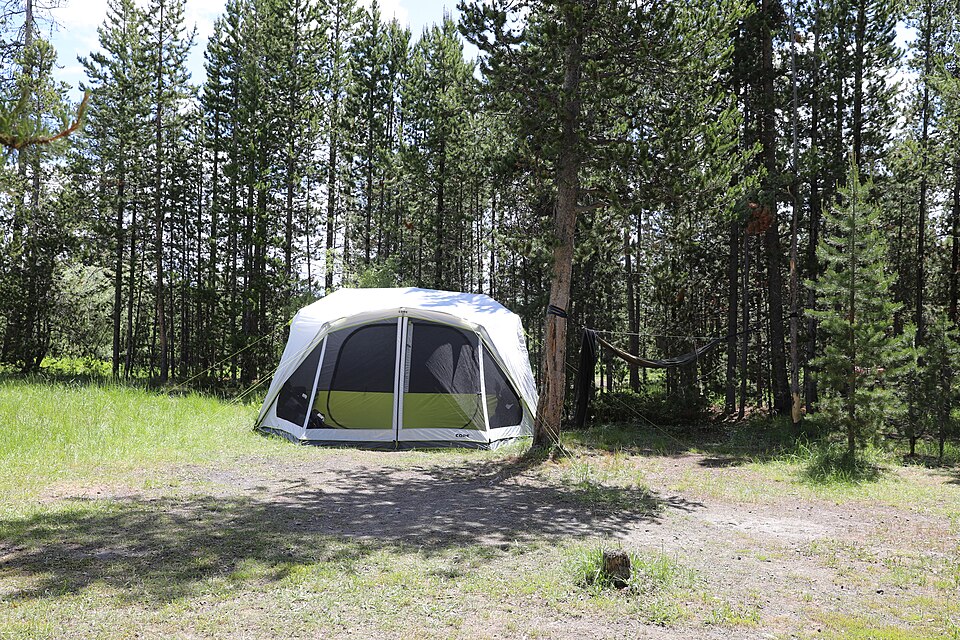
For most first-time visitors interested in hiking, lakes, and camping, summer is the simplest season to plan around. Trillium Lake, Lost Lake, and trails near Timberline become major draws as access improves. Even then, early summer can leave substantial snow on higher routes, including sections of the Timberline Trail. Check trail conditions before committing to an alpine hike or assuming a seasonal road has opened.
July and August bring strong demand for campgrounds, lake access, and lodging around Government Camp. Book reservable campsites when their official booking windows open, especially for weekends. Start popular outings early, and have a second destination ready if parking is full. Afternoon sun can feel intense at elevation, while evenings cool quickly. Wildfire smoke can also affect visibility and plans, making cancellation terms and a flexible itinerary useful parts of summer trip planning.
Fall: Quieter Weekdays and Fast-Changing Conditions
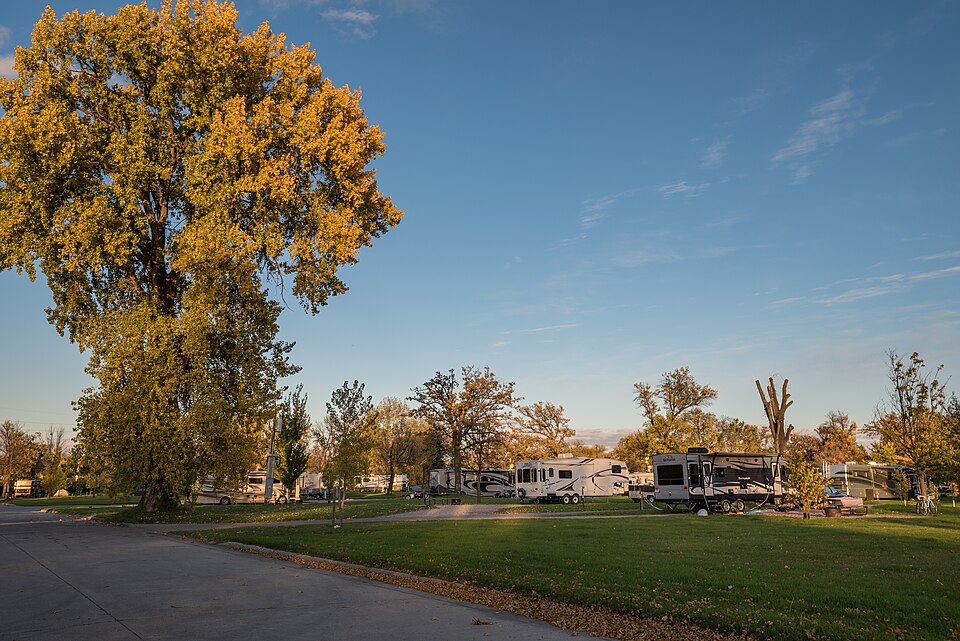
Early fall can be a rewarding time for hiking around Mount Hood, particularly when summer crowds ease and trails remain accessible. The Hood River Valley adds orchard scenery to a mountain trip, and deciduous trees bring color along lower roads and river corridors. There is no fixed date for peak foliage or the first meaningful snowfall, so build your visit around flexible activities rather than one guaranteed seasonal moment.
September weekends can still be busy at Trillium Lake and popular trailheads. Later in fall, shorter days and colder nights become more important than crowd levels. Seasonal campgrounds, services, and roads may close as weather shifts. Bring a warm layer even for a short lake walk, and avoid treating an autumn forecast in Portland as a mountain forecast. Check Mount Hood National Forest updates before leaving, especially when your route uses secondary roads.
Lock in a stay for this season
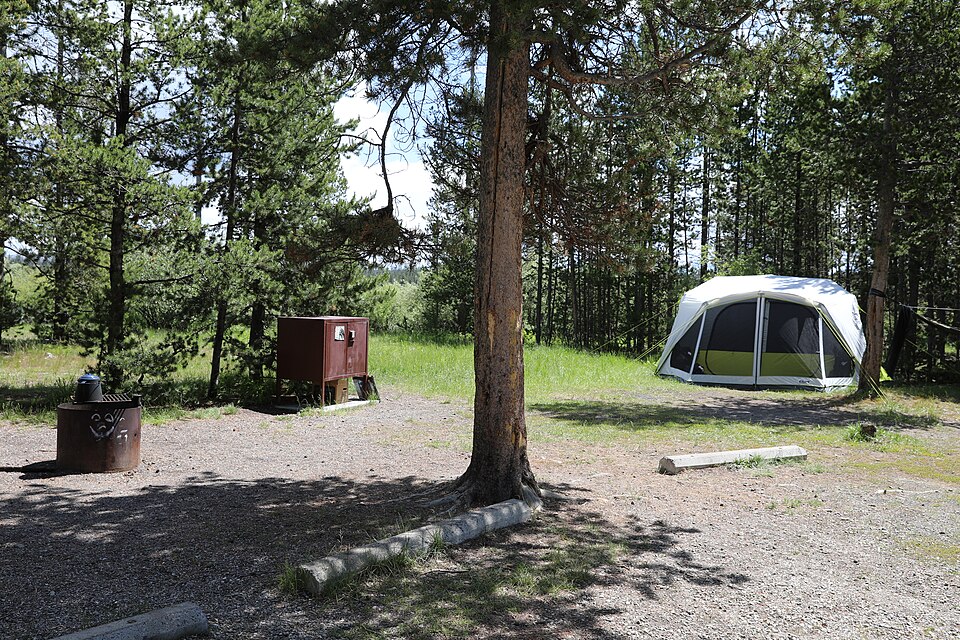
Harvest Hosts stays on the way to Mount Hood
Partner link · Harvest Hosts
Winter: A Separate Season for Skiing and Snow
Although spring through fall suits many general sightseeing trips, winter deserves consideration if skiing or snowshoeing is your priority. Mount Hood Meadows, Timberline, and Mt. Hood Skibowl are established winter recreation areas, each with its own terrain, schedules, and reservation policies. Government Camp is a practical base for travelers who want a mountain setting without making a daily trip from the Portland area.
Winter also changes the transportation equation. US 26 and OR 35 can have snow, ice, traction requirements, and delays. Check Oregon road reports and your rental vehicle’s winter-equipment rules before departure. Designated Sno-Parks may require a seasonal permit, separate from other recreation passes. For snowshoeing, choose marked routes suited to your experience and consult avalanche information when relevant. Reserve holiday lodging well ahead, but remember that weather can alter lift operations and access regardless of your booking.
When to Reserve and How to Choose Your Dates
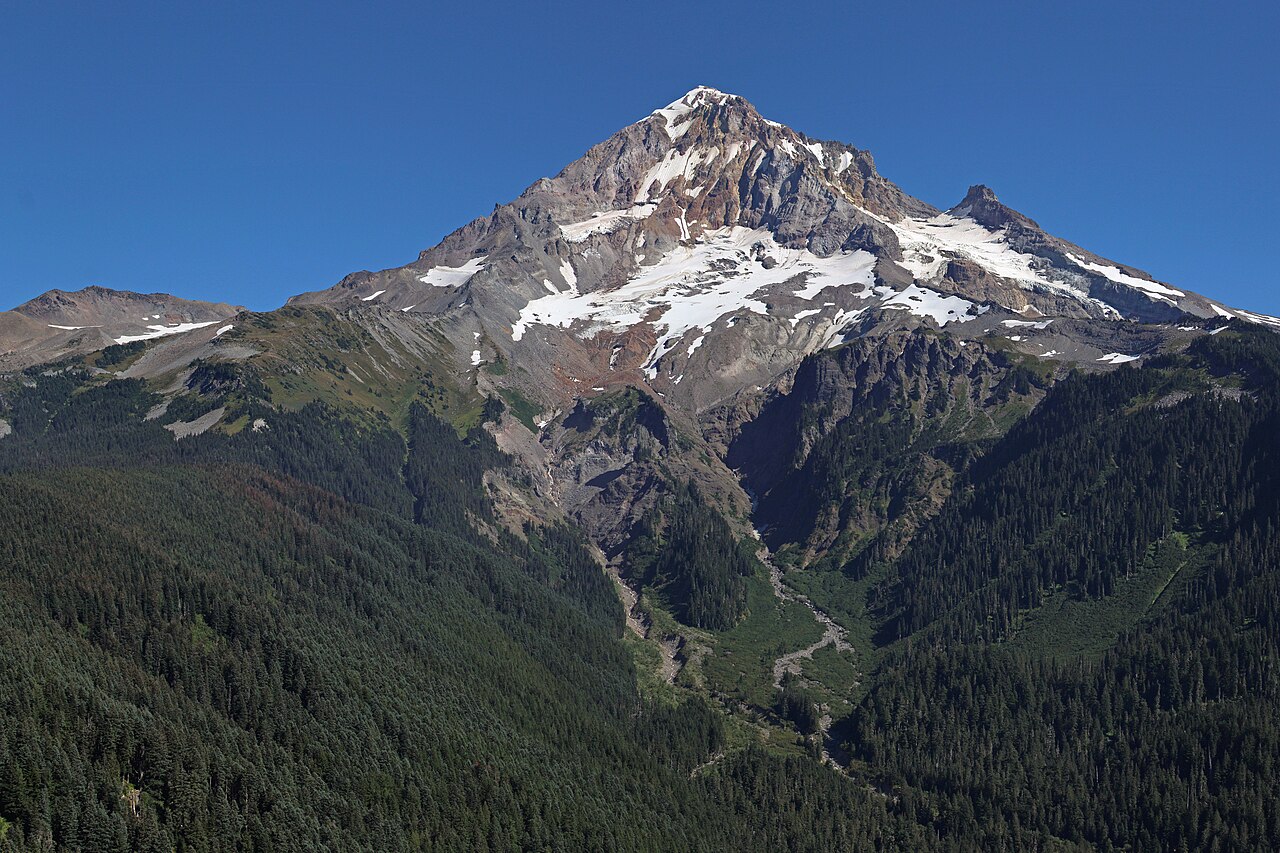
Choose dates by your main activity first, then by your tolerance for crowds. For a first visit centered on lakes and day hikes, a summer weekday stay offers a useful balance of access and manageable logistics. For skiing, focus on the operating calendar of your chosen area. For quieter lodging stays, spring and late fall can work well if you are comfortable replacing a high-elevation outing with a lower forest walk.
Reservation timing varies by campground, lodging property, and activity; there is no single Mount Hood booking window. Check Recreation.gov for participating federal campgrounds and individual operators for cabins or ski products. Verify current conditions, closures, permits, and reservation links on the official Mount Hood National Forest website. Mount Hood is not a national park, so the Forest Service, rather than an NPS park page, is your main public-land planning resource.
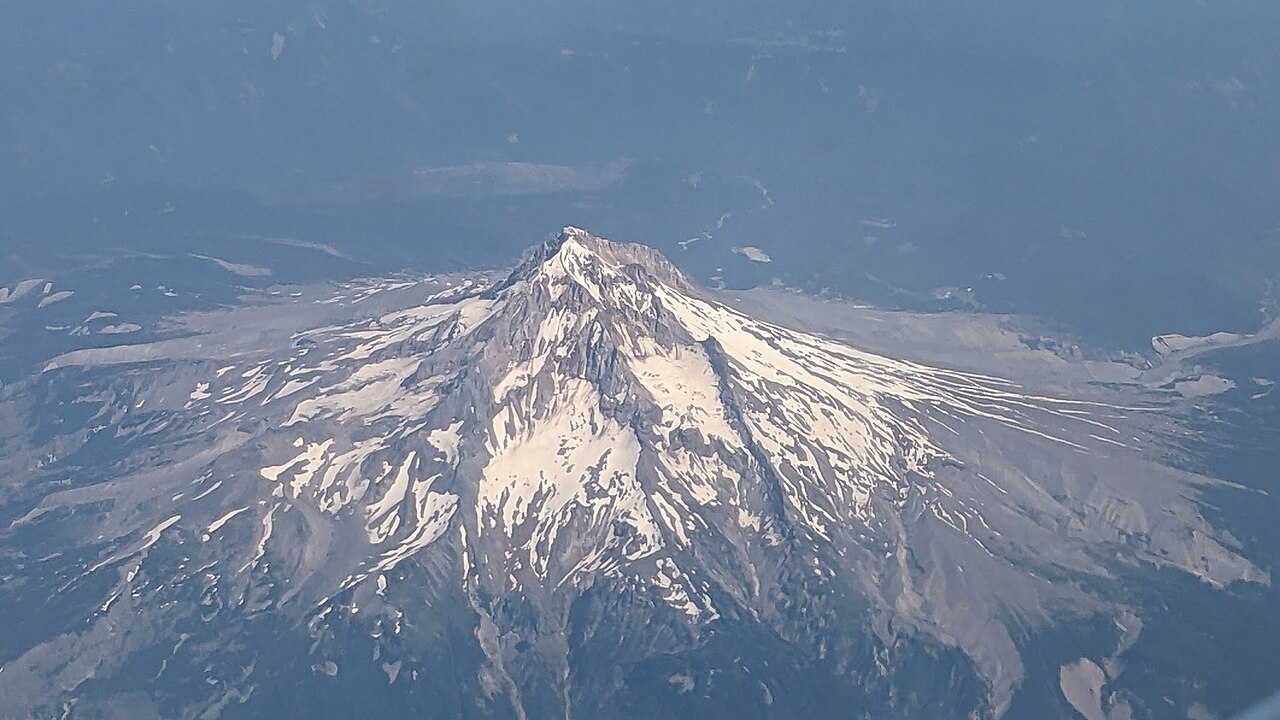
More ways to book Mount Hood
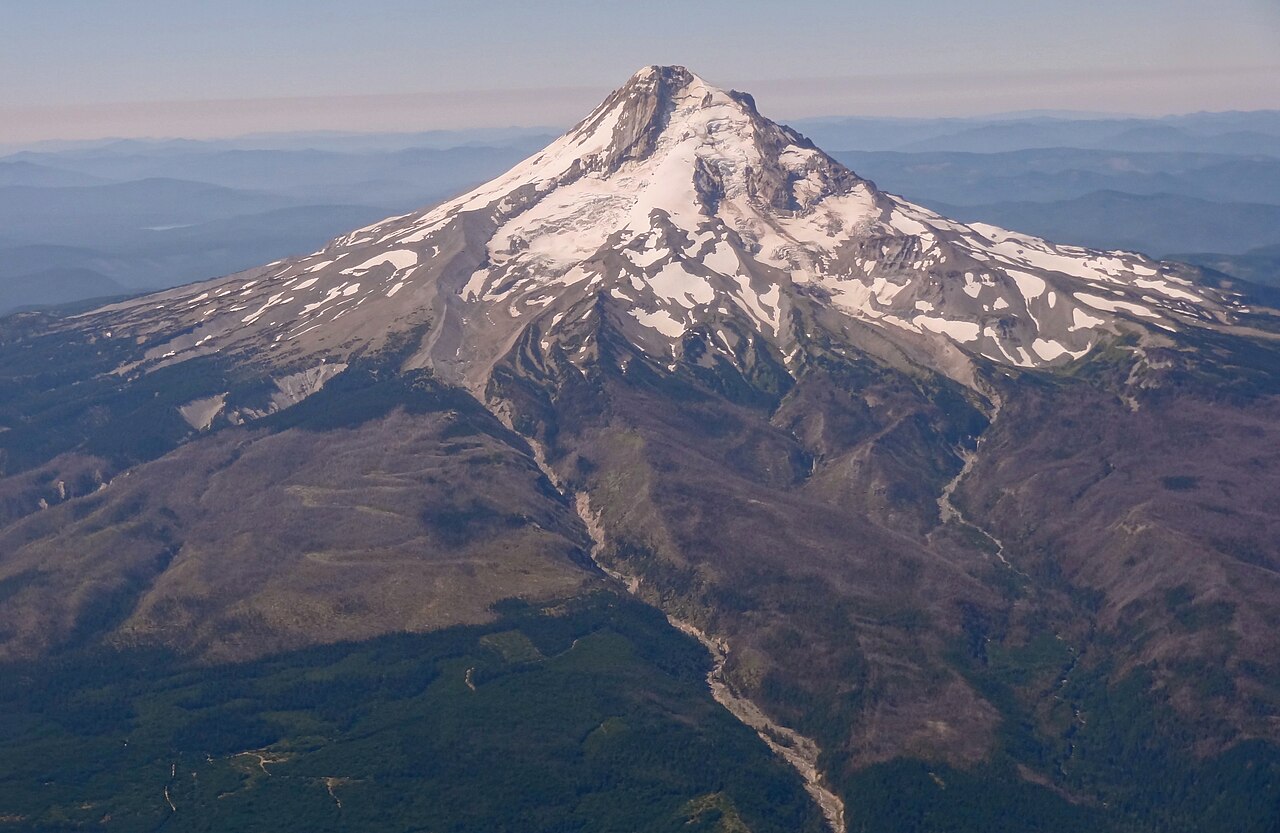 Illustrative · Rizka
Trillium Lake Camping
One of the classic ways to experience Mount Hood.
Varies (estimate)
Partner link · Viator