
Mount Hood glamping can mean a furnished tent, a yurt-style stay, or a small cabin that puts you close to the forest without requiring a full camping setup. The label is broad, so the useful question is what comfort you actually need: a real bed, reliable heat, a private bathroom, or a kitchen. Choose an area based on the outings you want, then verify the property’s amenities and seasonal access rather than assuming every glamping stay works the same way.
What Glamping Looks Like Around Mount Hood
Around Mount Hood, glamping is more useful as a description of comfort than as a precise lodging category. Listings may include furnished canvas tents, yurts, compact cabins, or other small structures on private land. Traditional vacation cabins can meet the same need even when they are not marketed as glamping. Availability changes, so search by structure and amenities instead of expecting one standard type of stay throughout the region.
Look closely at bathroom arrangements, bedding, electricity, cooking facilities, and the distance between parking and your unit. A comfortable bed does not necessarily come with indoor plumbing or effective cold-weather heat. Ask whether bathrooms are shared, whether hot water is available, and whether the kitchen is indoors or outside. Photographs may emphasize summer scenery while leaving access details unclear. Verify that the property is legally bookable for your dates and read the cancellation terms before committing.
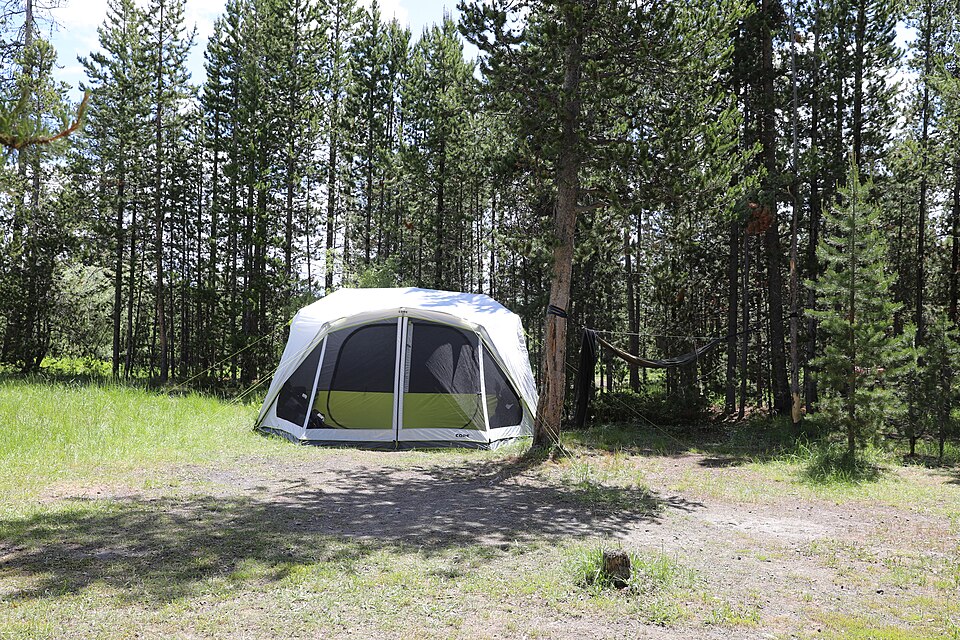
Where to Look: Southern Gateways and Government Camp
Welches, Wemme, and Rhododendron are useful search areas along the US 26 corridor on Mount Hood’s western approach. They put you near forest scenery and the Salmon River area while keeping access to groceries and other services relatively straightforward. A cabin among trees here can suit travelers who want quiet evenings and day trips uphill rather than a stay in a ski-oriented village.
Government Camp is a better search area if proximity to mountain recreation matters more than a secluded lower-elevation setting. It is convenient for trips toward Timberline and several southern-side trailheads, though convenience does not mean every attraction is walkable. Snow is a larger logistical factor here outside the warmer months. For any listing, check the actual map location, driveway conditions, parking arrangement, and distance to your planned outings. A broad Mount Hood label can cover properties with very different daily driving requirements.
Northern and Eastern Options: Parkdale and Hood River
Parkdale and the Hood River Valley offer another base for a Mount Hood trip, particularly if you want to combine mountain scenery with orchards and time near Hood River. Search for cabin-style or other furnished outdoor-oriented stays in this area, but confirm the exact location before booking. Rural surroundings do not automatically mean a mountain view, river access, or permission to wander neighboring farmland.
Hood River works well when restaurants, supplies, and Columbia River outings are part of your plans. The tradeoff is a different drive to southern-side destinations such as Government Camp and Trillium Lake. Lost Lake belongs in a separately planned outing rather than being treated as next door to every northern property. Choose this side when your itinerary genuinely includes the valley or Gorge. For a short stay focused mainly on Timberline and the US 26 corridor, a southern gateway usually simplifies logistics.
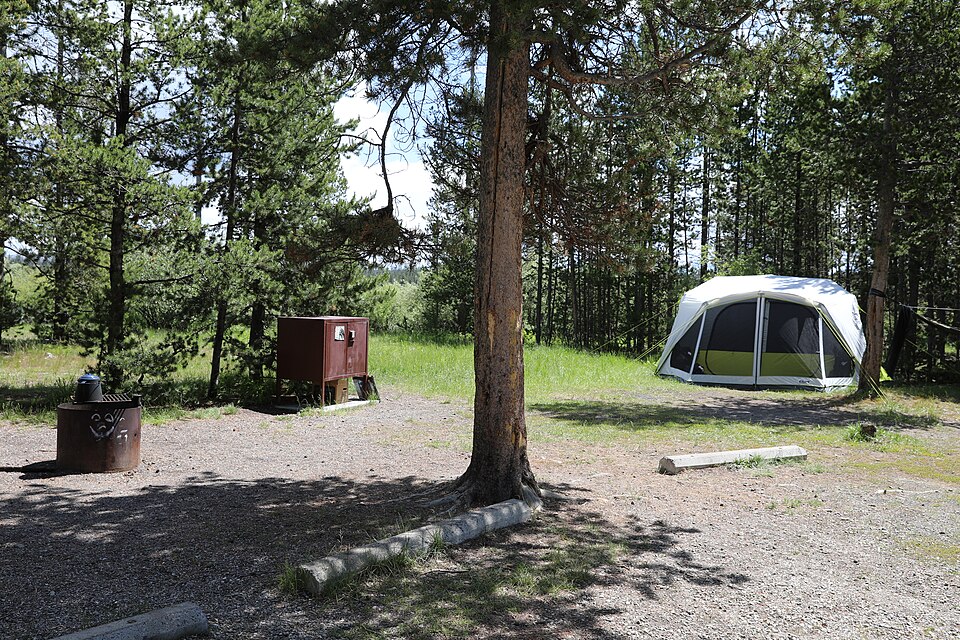
Pick the Season and Verify Weather Readiness
Summer is generally the easiest season for tent-style glamping because nights are less demanding and more recreation roads are accessible. Even then, bring warm sleepwear and ask what bedding is supplied. Shoulder-season stays can be appealing for quieter surroundings, but spring moisture and fall cold make heating, waterproofing, and covered cooking space important. Higher-elevation properties may face snow when lower gateways are simply wet.
For winter, prioritize a genuinely winterized structure rather than assuming a canvas tent or yurt is comfortable in all conditions. Ask who clears the driveway, whether traction equipment may be needed, and what happens if access is disrupted. In warmer months, verify current fire restrictions before planning a campfire; a supplied firepit does not override a burn restriction. Check the official Mount Hood National Forest website for nearby recreation conditions and Oregon road reports for the journey to your stay.
Glamping vs. Camping vs. RV: Costs and Tradeoffs
Glamping usually trades a higher lodging cost for less equipment hauling and setup. As a rough planning guide, a furnished private stay may cost in the low hundreds of dollars per night or more, with large differences by season, amenities, and fees. Tent camping at a developed campground is generally less expensive, but you supply the shelter, bedding, and cooking gear. Neither option guarantees quiet neighbors or a private-feeling site.
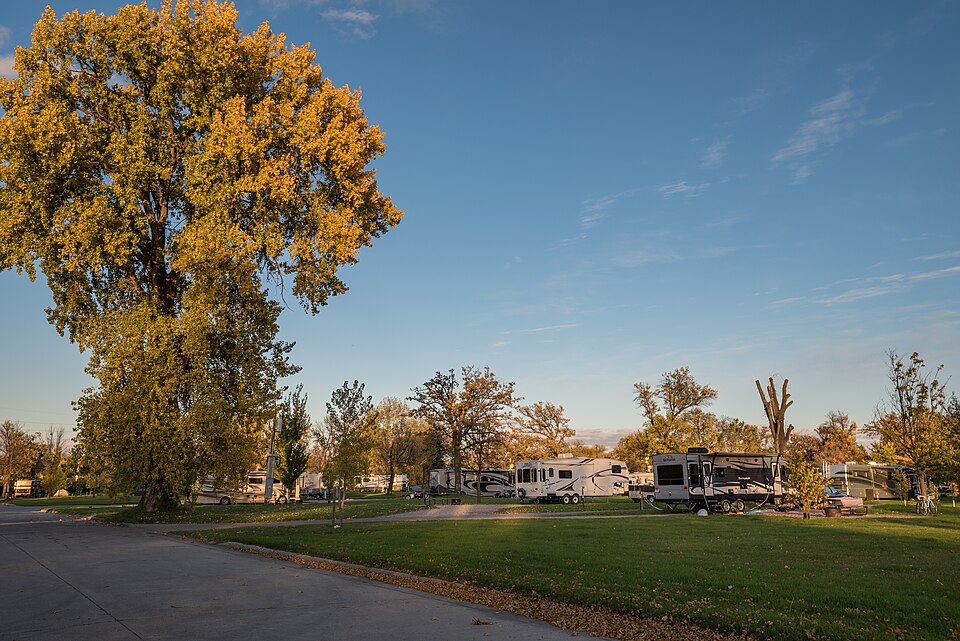
An RV provides a familiar sleeping and cooking space, but adds vehicle rental or ownership costs, fuel, and campsite logistics. Verify site length, hookups, dump-station access, and seasonal road suitability rather than assuming all forest campgrounds accommodate your rig. For glamping, compare the full checkout total and bathroom setup. For camping or RV sites, check official campground information and reservation links through Mount Hood National Forest or Recreation.gov. Choose around your comfort needs, not the marketing label.