
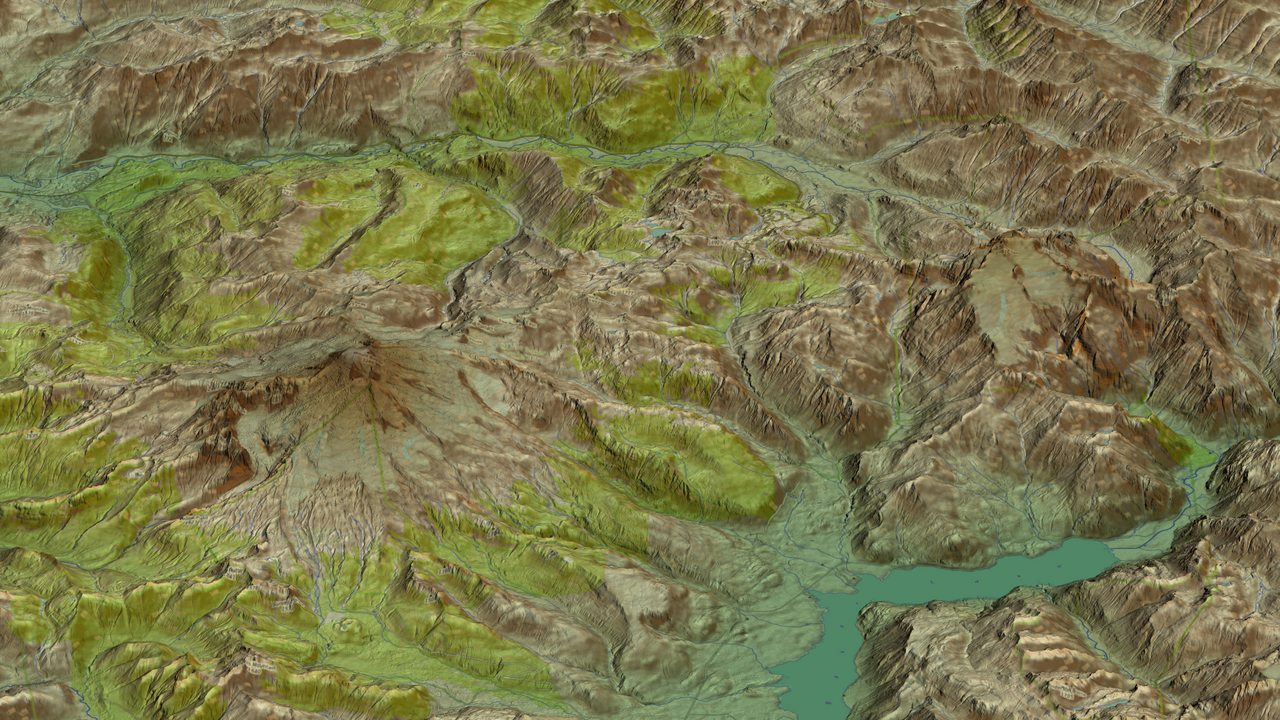
Mount Baker rewards visitors who leave space between the headline stops. You can spend a day following the highway toward alpine viewpoints, another on a substantial hike, and a third exploring the forested Nooksack valley. Most first visits center on the Mount Baker Highway corridor through Glacier to Heather Meadows, where seasonal road access and lingering snow determine which activities make sense for your dates.
Drive Mount Baker Highway to Heather Meadows
Mount Baker Highway, State Route 542, is the main scenic approach from Bellingham through Maple Falls and Glacier. The route moves from settled lowlands into dense forest before climbing toward Heather Meadows. Treat the drive as an outing rather than a commute: curves, changing weather, and worthwhile stops all call for an unhurried pace.
When the upper road is open, continue to Artist Point for broad alpine views. Mount Shuksan is a major visual landmark here, and it is easy to mistake its dramatic profile for Mount Baker without checking a map. Picture Lake is another classic stop for Shuksan scenery when the lake is ice-free. Use designated parking and developed walking routes, and keep off fragile meadow vegetation. Check official road status first, since the final highway section is seasonal and can remain snow-covered into summer.
Choose an Alpine Hike That Fits the Conditions
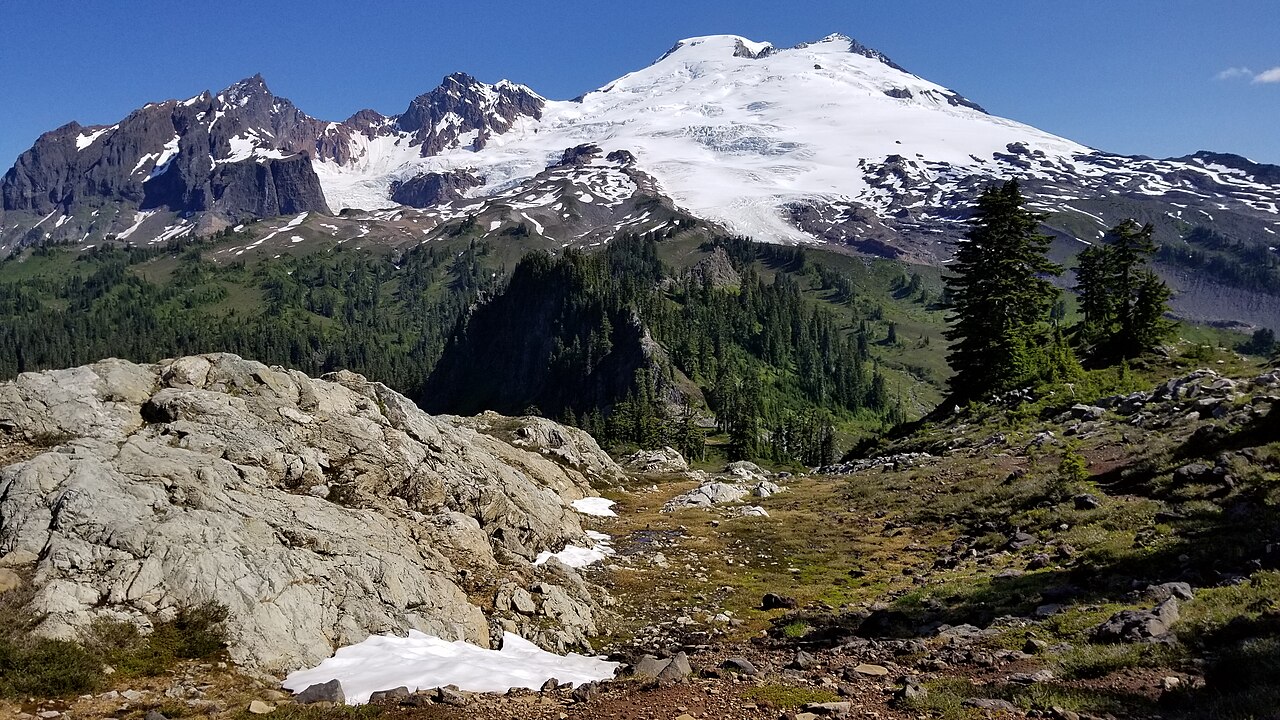
For a substantial summer hike, consider the Chain Lakes Loop once snow conditions and trail reports support your plans. Its appeal comes from changing perspectives: alpine lakes, open slopes, and views toward the surrounding peaks. It is not simply a flat lakeside stroll, so review elevation gain, route connections, and your starting point before setting out.
The Heather Meadows area also offers shorter developed walks that can suit a lighter day when clear of snow. Heliotrope Ridge, reached from a different access road off the highway corridor, provides a more demanding outing toward Mount Baker’s glaciated landscape; creek crossings can be a serious obstacle. Do not assume access roads or crossings are passable because a trail appears on a map. Mount Baker’s summit is a technical glaciated mountaineering objective, not an extension of a regular day hike.
Find Waterfalls, Lakes, and Wildlife Without Rushing
Nooksack Falls is a rewarding lower-elevation stop when the approach road is accessible. The waterfall drops into a steep, confined gorge, so enjoy it from the designated overlook rather than looking for a route down to the water. Elsewhere along the valley, river scenery offers a quieter contrast to the open alpine country above.
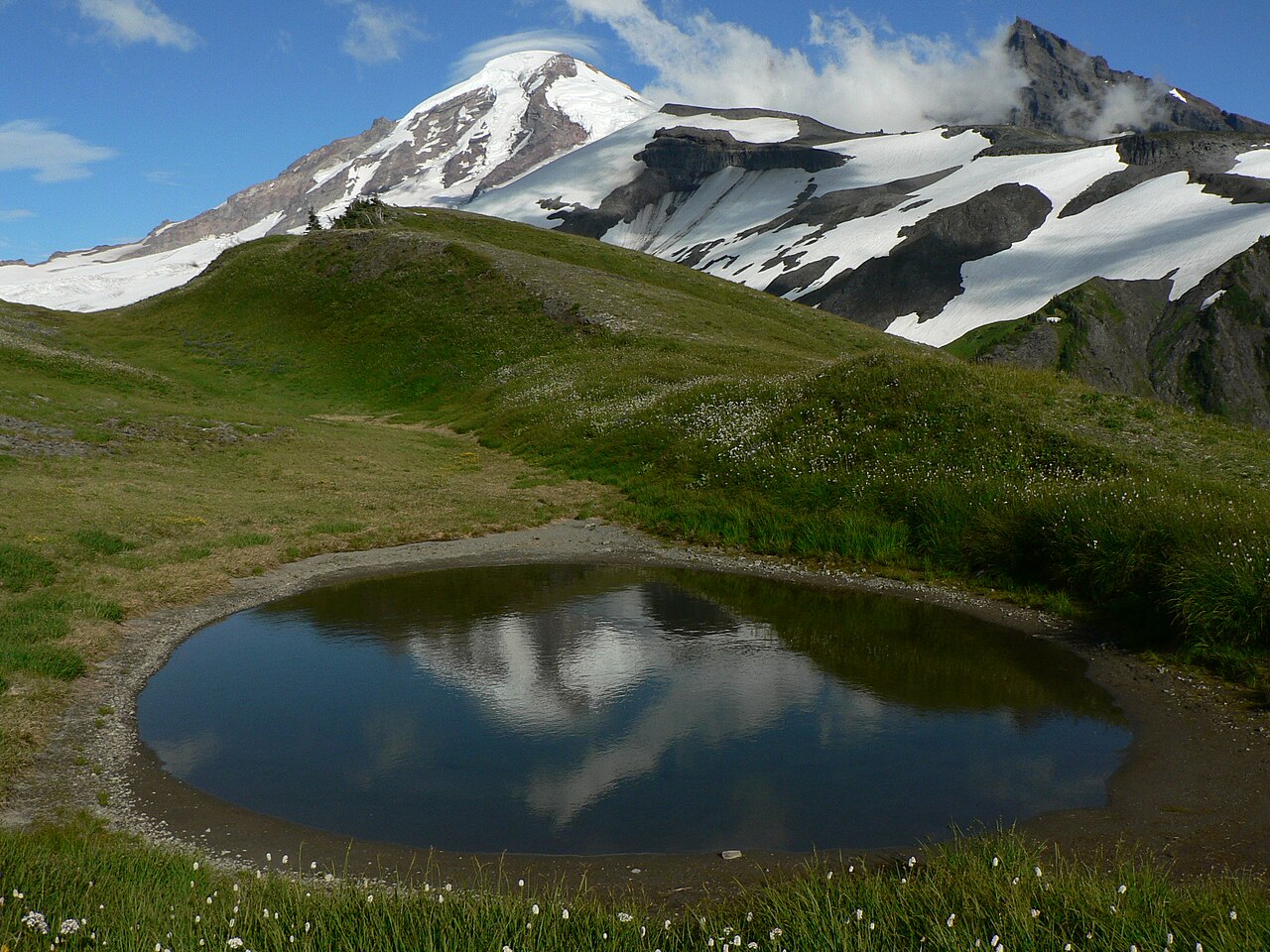
At higher elevations, lakes and wet meadows provide opportunities to watch birds and notice the smaller details of the mountain landscape. Listen for marmot calls on rocky slopes and watch for wildlife from a distance, without expecting a sighting. Never feed animals or leave food unattended. Lake edges and stream banks can be sensitive habitat, so stay on established routes. For any fishing plans, check Washington’s current license requirements and regulations for the specific water rather than assuming every alpine lake follows the same rules.
Build a Family Day Around Short Stops
With children, a series of manageable outings often works better than one ambitious trail. Start with a forest stop along the highway, add Nooksack Falls if access is open, and save energy for Picture Lake or a short walk around Heather Meadows. Even brief outings can feel adventurous when snow patches, mountain reflections, and volcanic scenery are part of the day.
Choose walks based on current surfaces, not just published distance. Snow, stairs, and uneven ground can make a nominally short route awkward for strollers or young walkers. Carry layers and snacks in the car, and have lunch before everyone is tired and cold. Developed restrooms may be seasonal, so use available facilities along the way. Around lakes, steep viewpoints, and roadside snowbanks, keep children close and follow posted boundaries rather than treating the scenic area as an unrestricted playground.
Plan for Ski Days and Rainy-Day Changes
In winter, Mt. Baker Ski Area is the main developed option for downhill skiing and snowboarding. Check its official site for current operations, lessons, equipment arrangements, and conditions before driving up. Backcountry routes beyond managed terrain require separate avalanche knowledge and preparation; they are not casual alternatives when resort plans change.
On a rainy summer day, reconsider exposed alpine hikes rather than assuming the forecast will improve at elevation. A short lower-forest walk can still be worthwhile in light rain if trail conditions are appropriate, followed by a relaxed meal in a gateway community. For a fuller indoor day, head back toward Bellingham for museums, shops, or other city activities, checking individual venues for current hours. Before every outing, consult the official Forest Service site for closures, recreation passes, and reservations, and keep your route flexible when weather limits visibility.