
The best time to visit Mount Baker depends on whether you picture alpine trails, deep snow, or a quiet cabin near the forest. This corner of Washington changes dramatically with elevation, so a green valley does not mean the mountain trails are clear. For a two- to four-day trip, choose your main activity first, then match your dates to road access, daylight, and the latest mountain forecast.
Spring: Valley Walks and a Mountain Still Under Snow
Spring brings fresh growth around Maple Falls and Glacier, but Mount Baker’s upper slopes usually remain firmly in snow season. Lower forest outings can work well between rainstorms, while popular alpine hikes may still require winter travel skills and equipment. Do not treat a trail’s summer mileage as a useful guide to its spring difficulty.
The lower Nooksack River corridor offers a different kind of mountain visit: mossy trees, roadside views, and time in a cabin after a damp walk. Nooksack Falls can be a worthwhile stop when its access road is open; stay within the designated viewing area above the steep gorge. Ski-area operations depend on conditions and the seasonal schedule. Before booking around skiing or an upper-elevation outing, check the official operator and Forest Service pages rather than assuming spring dates mean predictable access.
Summer: Aim for Alpine Access, Not Just Warm Dates
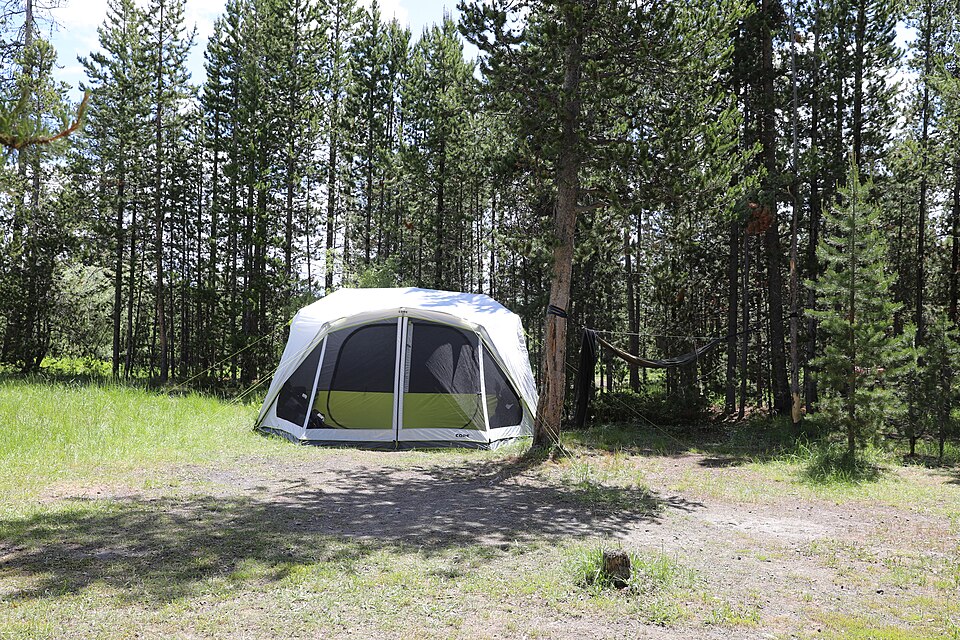
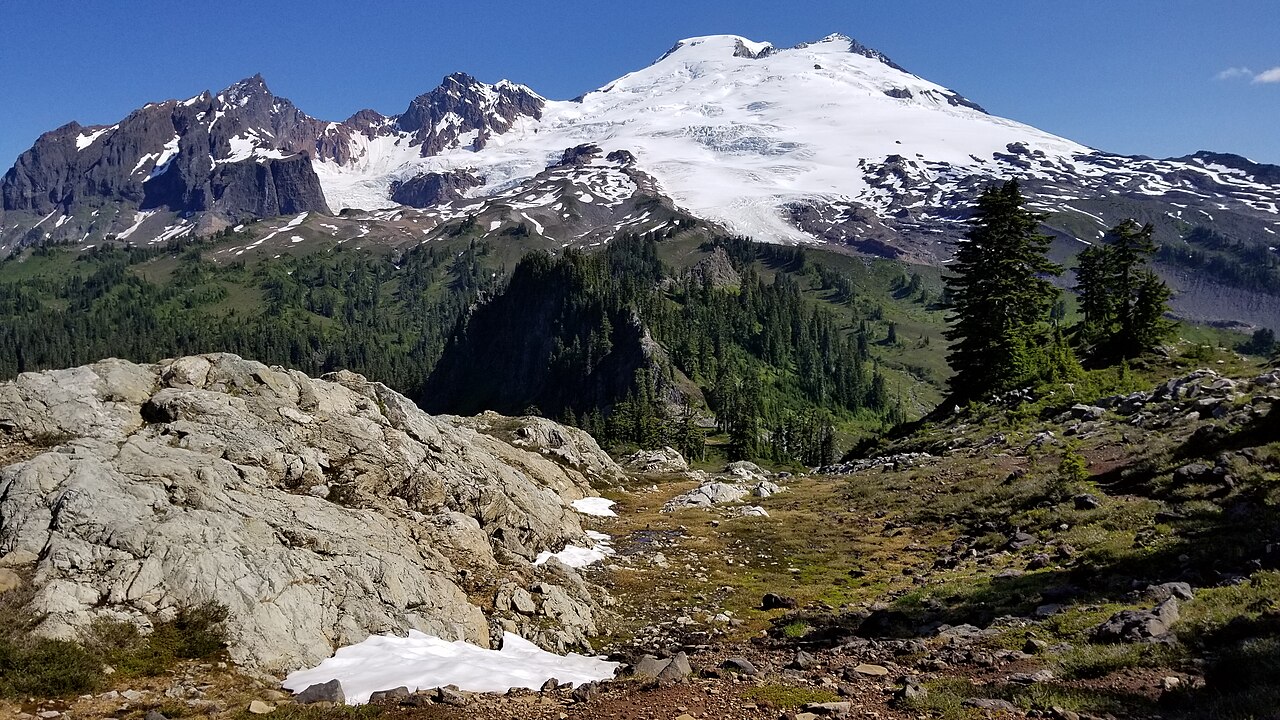
Summer is the easiest season to build a hiking-focused trip, but early summer and late summer can look very different. Deep snow may linger around Heather Meadows and Artist Point long after lower valleys warm up. The final stretch of Mount Baker Highway to Artist Point opens seasonally, with timing determined by snow removal and conditions rather than a dependable calendar date.
Late summer generally offers the broadest choice of alpine walks, longer hikes, and roadside viewpoints. Once trails are clear, Picture Lake, Artist Point, and the Chain Lakes area provide classic scenery featuring Mount Shuksan and Mount Baker. Wildflower timing shifts with snowmelt and elevation. Bring sun protection, layers, and insect repellent, and check for smoke before departure. For quieter visits, favor weekdays and reach the upper highway early without parking outside designated spaces.
Fall: Colorful Slopes and a Shorter Planning Window
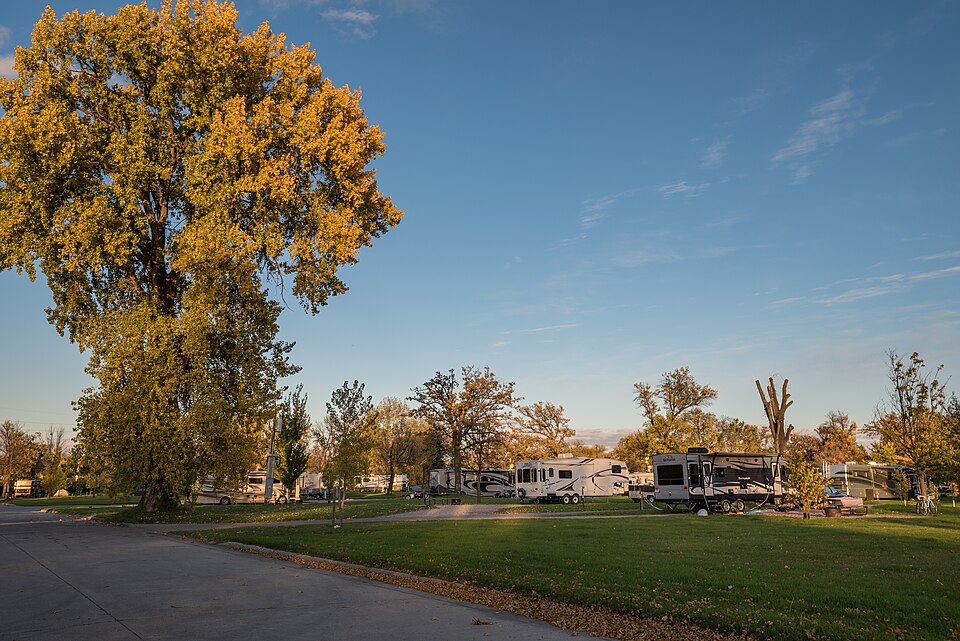
Early fall can be a rewarding time for clear-weather hiking around Mount Baker. Huckleberry foliage adds red and orange to the upper slopes, and cooler temperatures can make sustained climbs more comfortable. Conditions are often especially appealing before the first significant mountain snowfall, though that window varies each year and cannot be booked with certainty.
As daylight shrinks, choose routes with enough margin for a slow descent and unexpected navigation delays. Rain, ice, and fresh snow can arrive while valley roads still look completely autumnal. Artist Point access may close as winter weather develops, so keep a lower-elevation alternative ready. Weekdays can feel quieter than peak summer, but sunny fall weekends still attract plenty of visitors. Check trail reports, the mountain forecast, and official road updates close to your trip, not only when making lodging reservations.
Lock in a stay for this season
Harvest Hosts stays on the way to Mount Baker
Partner link · Harvest Hosts
Winter: Ski Trips Rather Than Summer Trail Itineraries
Winter shifts the focus toward Mt. Baker Ski Area and snowy scenery along the accessible portion of the highway. This is a separate trip style from a summer visit to Artist Point: the highway’s upper seasonal section is closed to vehicles, and familiar summer trails are not maintained walking routes through the snow.
For resort skiing, plan around current lift operations, mountain weather, and your ability level. Check Washington transportation guidance for traction requirements before driving up, and allow room in your schedule for storms or delays. Snowshoeing and backcountry skiing require their own preparation; terrain beyond maintained resort areas can involve avalanche exposure and difficult navigation. Consult the Northwest Avalanche Center forecast and choose terrain within your training. A cabin in Glacier or farther down the valley gives you flexibility when weather changes your plans.
Crowds, Weather, and When to Reserve
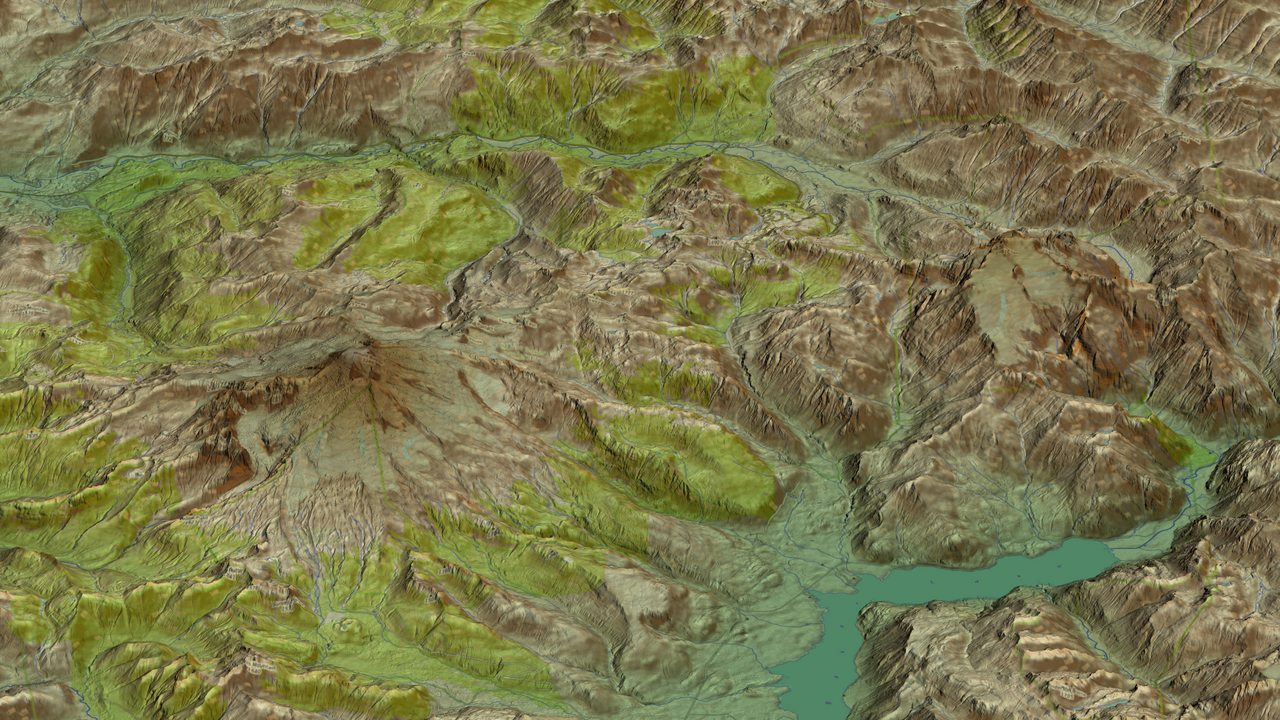
Book lodging once your dates are firm if you are targeting summer weekends, holidays, or popular winter ski periods. Small gateway communities have fewer lodging choices than a city, and properties suited to larger groups can disappear from availability earlier. Campground reservation systems and booking windows vary, so use official listings rather than assuming every site follows the same schedule.
Weather deserves a final check shortly before departure. Valley sunshine can coexist with cold wind, cloud, or lingering snow at Heather Meadows. Summer smoke can also affect visibility and outdoor plans. Keep one flexible day or a shorter backup outing in your schedule. For current road openings, trail conditions, recreation passes, and campground reservations, start with the official Mount Baker-Snoqualmie National Forest site and Washington State Department of Transportation. Use the ski area’s official site for winter operations.
More ways to book Mount Baker
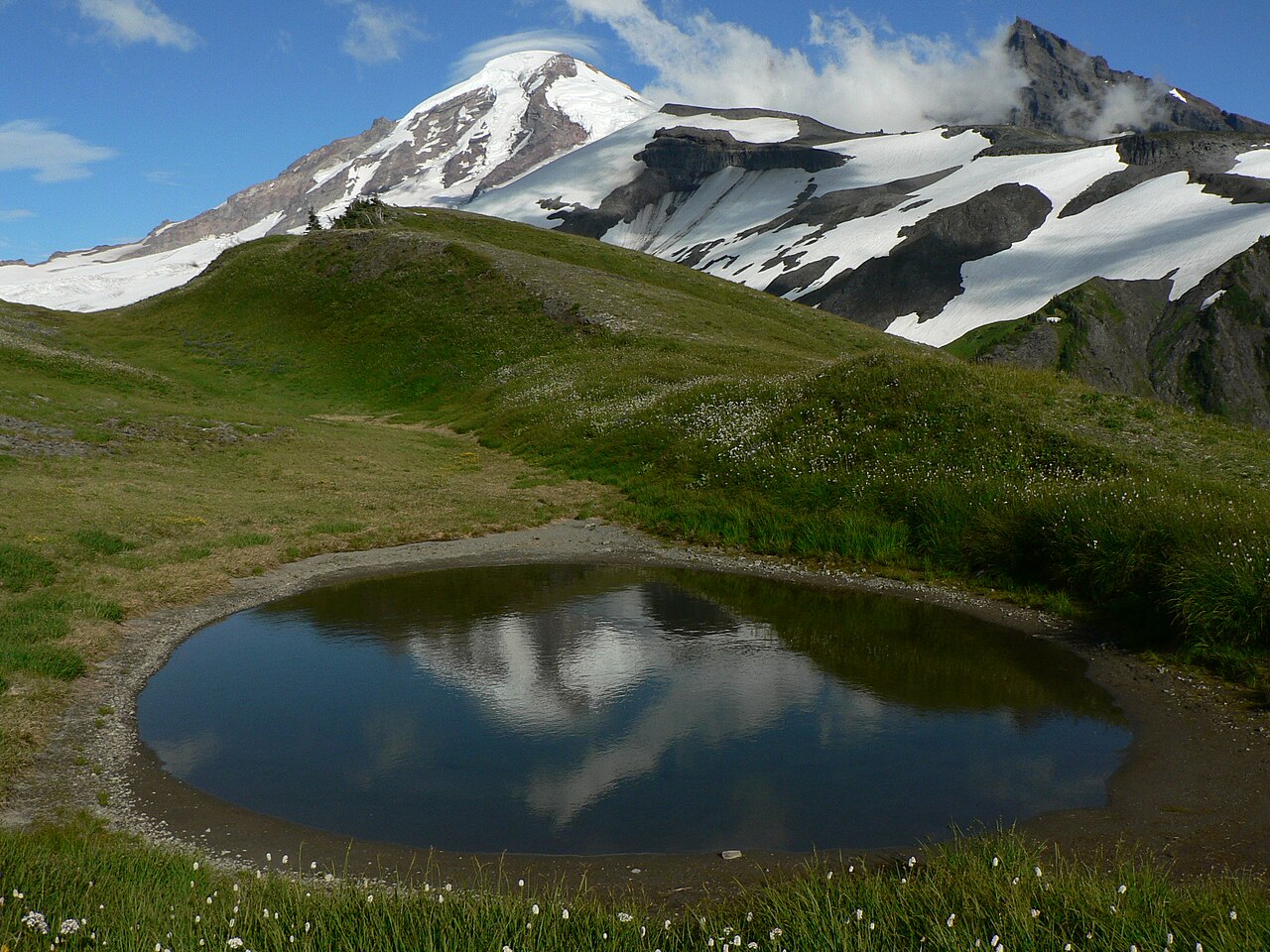 Illustrative · Walter Siegmund (talk)
Mt. Baker Ski Area Skiing
One of the classic ways to experience Mount Baker.
Varies (estimate)
Partner link · Viator