
Mount Baker glamping is usually about staying comfortably in the forested foothills, then driving to trails, snowy slopes, and alpine viewpoints. Think furnished outdoor accommodations or cabin-style stays rather than a guaranteed luxury tent beside a high mountain lake. Around Glacier, Maple Falls, and the wider foothills, the most useful comparison is not the label on a listing but its location, weather protection, bathroom setup, and access to your planned activities.
What Glamping Looks Like Around Mount Baker
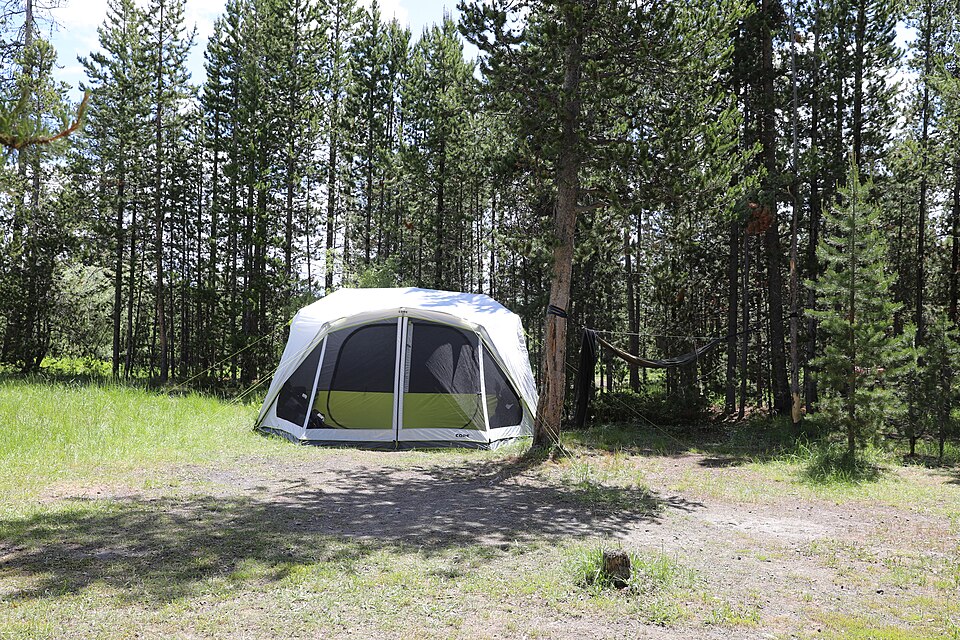
The term glamping can cover very different experiences near Mount Baker. A listing might describe a furnished tent, a small cabin, or another compact structure with a bed and outdoor seating. Availability changes, so treat these as accommodation types to look for rather than a promise that every style is offered in each gateway town.
Read the practical details before focusing on photographs. Ask whether the bathroom is private, whether drinking water is provided, and whether cooking happens indoors or in a shared outdoor space. A woodsy setting does not necessarily mean seclusion, and a mountain-area address does not guarantee mountain views. Check heating, bedding, electricity, and the walk from parking to the unit. In this wet climate, a covered place to sit and dry gear may be more valuable than decorative extras or an open-air lounge.
Where to Base Yourself: Glacier, Maple Falls, or Farther West
Glacier is a useful search area if your priority is spending time along the upper Mount Baker Highway corridor. It keeps you farther up the valley than Maple Falls or Bellingham, though alpine trailheads still require a drive. Look closely at a property’s actual address, since accommodation described as near Mount Baker can be spread across a broad area.
Maple Falls and nearby foothill communities offer another base for forest stays and trips up the highway. Farther west, the Deming area can suit travelers who want a rural setting while staying closer to lower-valley services. Bellingham offers the widest city-style support for meals, shopping, and rainy-day alternatives, but adds driving for mountain outings. Compare the route to your intended trailhead, not simply distance to the volcano on a map. Different sides of Mount Baker are not interchangeable for daily access.
Choose a Stay That Matches the Season
Summer is the simplest season for tent-style comfort, though cool nights and rain remain possible. If your main goal is alpine hiking, check likely trail access separately from accommodation availability: an open glamping property in the valley says nothing about snow at Artist Point. Insect screens and a covered cooking area are useful features during warmer months.
Spring and fall call for stronger weather protection. Prioritize dependable heat, dry storage for boots, and a bathroom arrangement you will still appreciate during steady rain. Winter stays need closer scrutiny, especially if you plan to ski. Confirm whether the accommodation operates year-round, how its driveway is maintained, and what vehicle access the host requires. Check road conditions independently before travel. Outdoor tubs, fireplaces, and other amenities can have weather-related restrictions, so verify availability instead of building the entire trip around one feature.
Glamping vs. Camping vs. an RV Stay
Glamping generally trades some independence for ready-to-use shelter and bedding. It can make sense for travelers flying in, couples wanting less setup, or families who prefer not to pack a complete campsite. The tradeoff is that comfort varies widely, and the nightly rate may not include every fee or amenity shown in the listing.
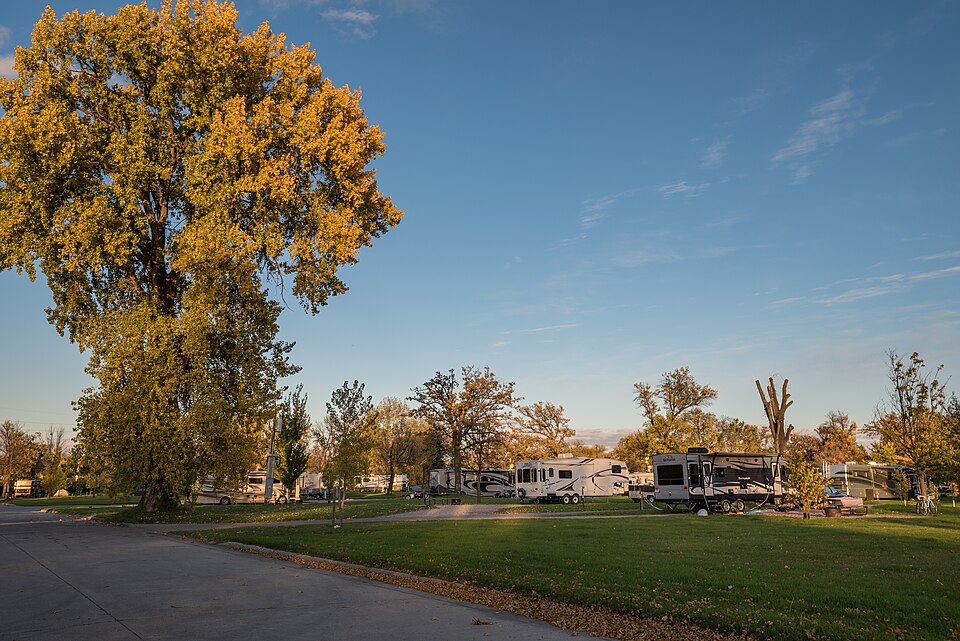
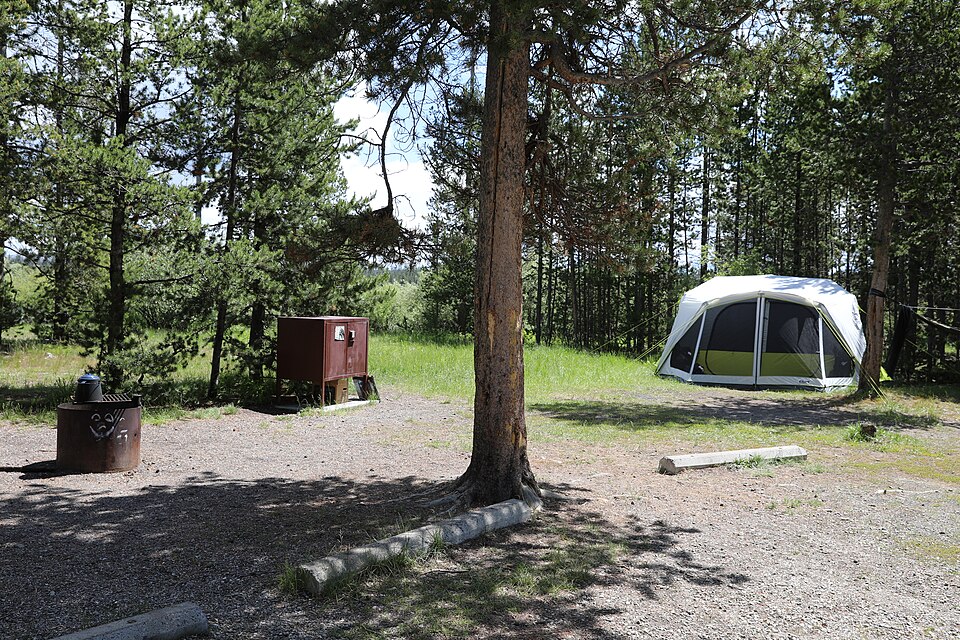
Traditional camping brings you closer to a simpler outdoor routine and can cost less, but you supply more gear and handle wet-weather setup yourself. Developed campground facilities and reservation requirements vary. An RV adds enclosed living space, yet suitable sites, hookups, vehicle length limits, and road access all need checking. Do not assume scenic pullouts allow overnight stays or that mountain recreation areas provide RV services. Compare the full arrangement: shelter, bathrooms, cooking, parking, driving, and the effort required each morning before heading toward the mountain.
Booking, Rough Costs, and Responsible Stays
Expect furnished stays to cost more than a basic campsite, while larger cabins and amenity-heavy properties can move into a higher budget range. These are rough comparisons, not price guarantees. Compare the full booking total, including cleaning charges, taxes, pet fees, and minimum-stay requirements. Reserving once your dates are settled gives you more choice for summer weekends and popular ski periods.
Before paying, confirm cancellation terms, bathroom details, heating, kitchen equipment, and whether linens are included. Ask about mobile service and download directions in advance. Follow posted food-storage guidance, keep wildlife away from meals and trash, and check current fire restrictions before using any outdoor fire feature. Private lodging does not include permission to use nearby public recreation sites without required passes. Consult the official Mount Baker-Snoqualmie National Forest site for current conditions, campground reservations, closures, and recreation requirements before planning each day.