
This Mount Baker itinerary is built for a snow-free hiking trip, with three core days and an optional fourth. Base yourself in Glacier or Maple Falls for convenient access to the highway corridor, or choose Bellingham for more city services. Upper-road openings and trail conditions vary, so use the sequence as a flexible framework rather than a promise that every alpine stop will be accessible on your dates.
Day 1: Arrive and Settle Into the Nooksack Valley
Bellingham International Airport is a practical regional arrival option, while Seattle-Tacoma International Airport offers another starting point farther south. No fixed airport drive time is assumed here: your actual journey depends on the airport, lodging location, traffic, and mountain weather. Check a current route estimate after choosing your flight and accommodation, and arrange transportation suitable for your plans.
From Bellingham, follow Mount Baker Highway toward Maple Falls and Glacier. Pick up groceries and supplies before heading deeper into the valley, where services become more limited. If daylight, weather, and access allow, make Nooksack Falls your first scenic stop. Otherwise, settle into your lodging and save the waterfall for another day. Use the evening to check the official Forest Service road and trail updates, review the mountain forecast, and choose tomorrow’s hike based on conditions rather than ambition.
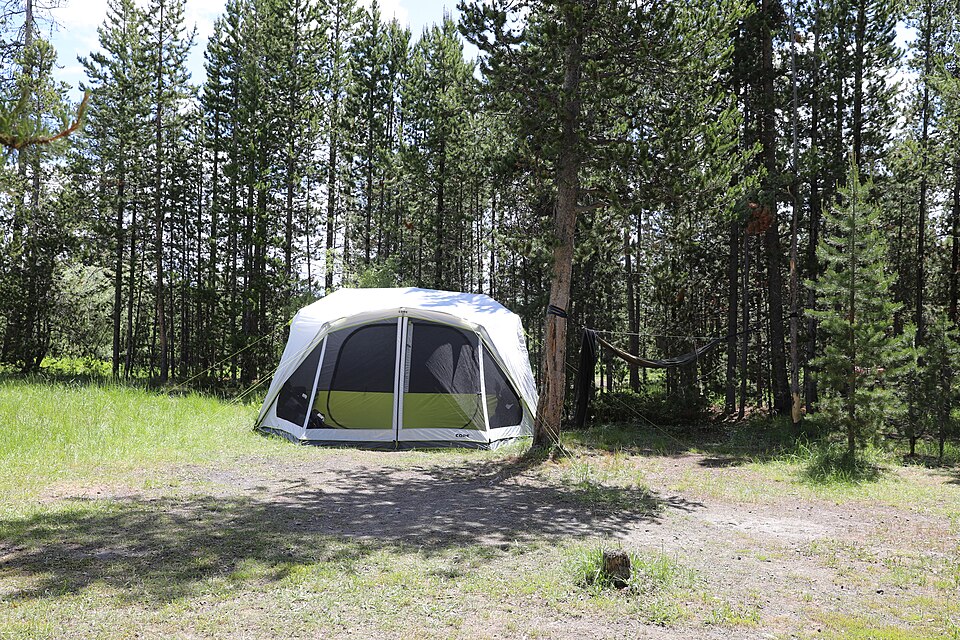
Day 2: Picture Lake, Heather Meadows, and Artist Point
Make your first full day a high-country introduction. Drive toward Heather Meadows early, using designated pullouts rather than stopping in the roadway for photographs. Visit Picture Lake when its paths are accessible, then continue to Artist Point if the upper highway is open. These stops help orient you to Mount Shuksan, Mount Baker, and the surrounding ridgelines.
Add a short developed walk or a moderate out-and-back appropriate to current conditions. Leave enough energy for the return drive, especially if you are still adjusting after travel. Pack lunch, water, and warm layers rather than depending on food service at the top of the highway. If cloud obscures the peaks, focus on nearby scenery without wandering off marked routes. If snow blocks your intended walk, switch plans; the presence of other footprints does not establish a suitable route.
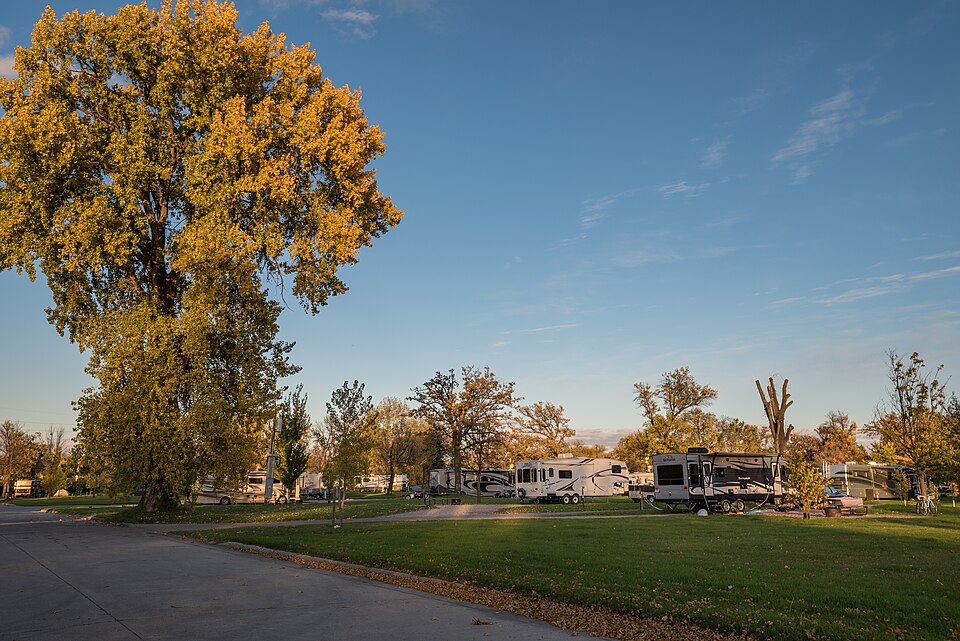
Day 3: Choose One Main Hike
Use your third day for the trip’s longest outing, provided weather and trail conditions cooperate. The Chain Lakes Loop is a strong option for prepared hikers seeking lakes and varied alpine views. Study the route before departure because trail junctions, starting points, and elevation changes matter more than the simple idea of walking a loop.
An alternative is Heliotrope Ridge, approached from a separate forest road near Glacier. Confirm road access and recent crossing reports, and be ready to turn back if water conditions exceed your abilities. Neither option should be treated as a casual snow-season walk. Start with a clear turnaround time and carry navigation, extra clothing, food, and water. If your group wants a gentler day, repeat the upper highway’s shorter walks instead. Returning to a favorite viewpoint in better light can be more satisfying than forcing a difficult route.
Day 4: Keep a Weather Buffer or Explore Bellingham
An optional fourth day gives your trip breathing room. If earlier clouds hid the mountains, use a clearer morning for the scenic drive or a short hike you postponed. If you have already had good alpine weather, spend time in the lower valley before returning toward Bellingham. Avoid adding a demanding hike just because there is an empty space in the schedule.
Bellingham works well for a waterfront stroll, a meal, or an indoor stop when mountain weather deteriorates. Keep departure-day plans close to your onward route, with a generous buffer before a flight. For a two-day version of this trip, combine arrival with a valley stop, then devote the second day to Heather Meadows and Artist Point when accessible. Save longer trails for another visit rather than compressing several major outings into a rushed mountain day.
Practical Tips for Lodging, Passes, and Winter Changes
Choose your base before judging daily drive lengths. Glacier places you farther along the mountain corridor, Maple Falls offers another valley base, and Bellingham adds city conveniences at the cost of more driving to upper-elevation sights. Compare lodging by total trip cost, including groceries, fuel, cleaning fees, and parking. Treat any budget figures you encounter as rough estimates, especially during busy seasons.
Some developed recreation sites require a pass or fee, and requirements differ by location. Check the official Mount Baker-Snoqualmie National Forest site for current passes, closures, and campground reservations. For a winter trip, replace the summer alpine days with planned ski-area visits and appropriate lower-elevation downtime; do not transfer the hiking schedule directly onto snow-covered terrain. Check Washington transportation updates, the ski area’s official site, and avalanche information when relevant. Download maps before leaving reliable mobile coverage.

More ways to book Mount Baker
 Illustrative · Diego Angel
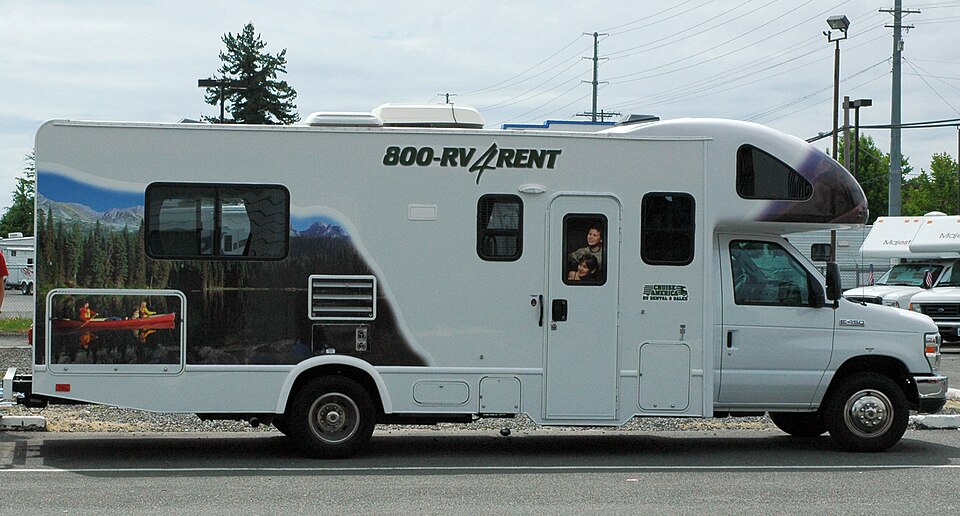
Sprinter Adventure Van
Small enough to park at the trailhead, comfy enough to sleep in.
$189/day (estimate)
Direct link · RVshare