
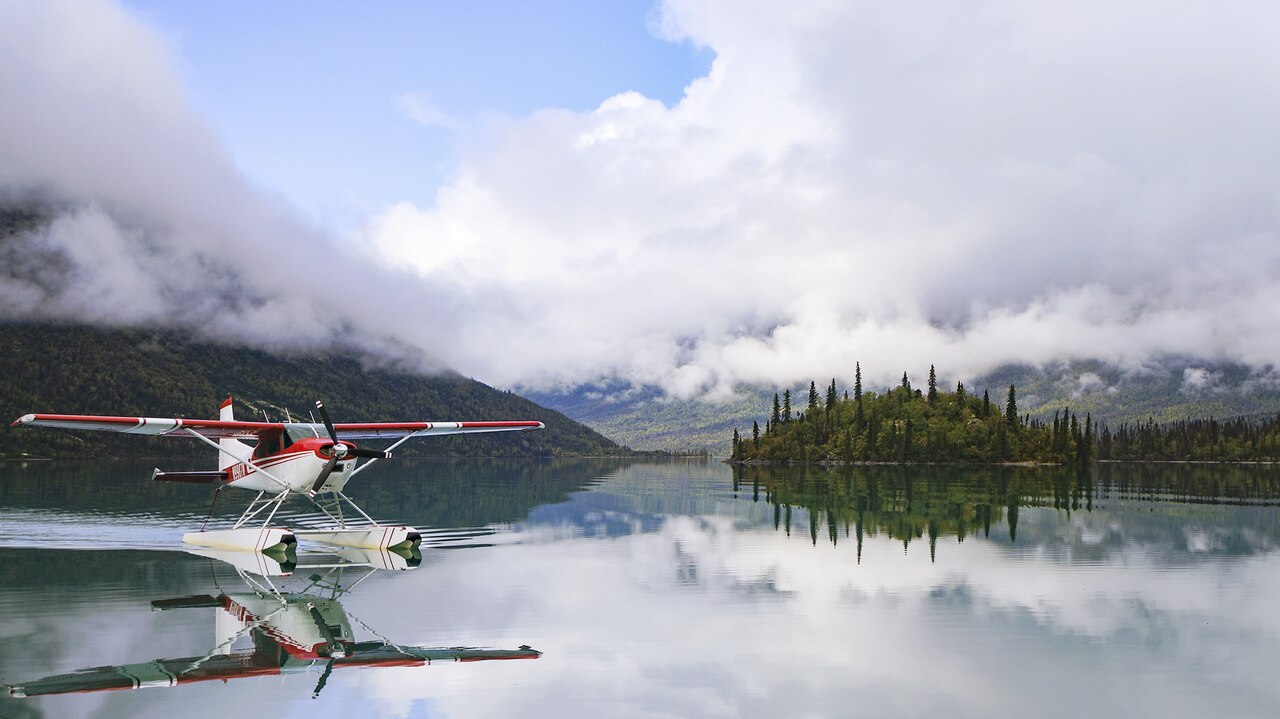
Lake Clark National Park offers a raw and visceral connection to the Alaskan wilderness. Spanning four million acres, the park encompasses steaming volcanoes, jagged granite spires, and the largest lake in the state. Because there are no roads leading into or through the park, every activity here begins with a sense of adventure, typically involving a floatplane or a sturdy pair of hiking boots to navigate the untamed terrain.
World-Class Brown Bear Viewing
One of the most sought-after things to do in Lake Clark is observing brown bears in their natural habitat. Unlike other famous bear-viewing spots that may use platforms, Lake Clark offers a more intimate and grounded experience, particularly along the Cook Inlet coast at Silver Salmon Creek and Chinitna Bay. Here, bears congregate in large numbers to graze on protein-rich salt marsh grasses and hunt for clams in the intertidal flats during low tide.
As the summer progresses and salmon begin their upstream journey, the bears shift their focus to the rivers. Watching a thousand-pound grizzly sprint through shallow water to catch a leaping sockeye salmon is a quintessentially Alaskan sight. Visitors typically join guided day trips from Anchorage or Kenai, landing directly on the beach in small planes. These professional guides ensure that bear encounters remain safe for both humans and wildlife, allowing for incredible photography opportunities while respecting the natural behavior of these powerful animals.
Hiking the Tanalian Trail System
For those staying in the gateway community of Port Alsworth, the Tanalian Trail system provides the most accessible hiking in the park. This well-maintained network of trails offers a range of difficulties, from gentle woodland walks to strenuous mountain ascents. The hike to Tanalian Falls is a favorite, leading visitors through dense stands of spruce and birch to a powerful waterfall where the Tanalian River drops over ancient lava flows. The mist from the falls is refreshing on a warm summer day.
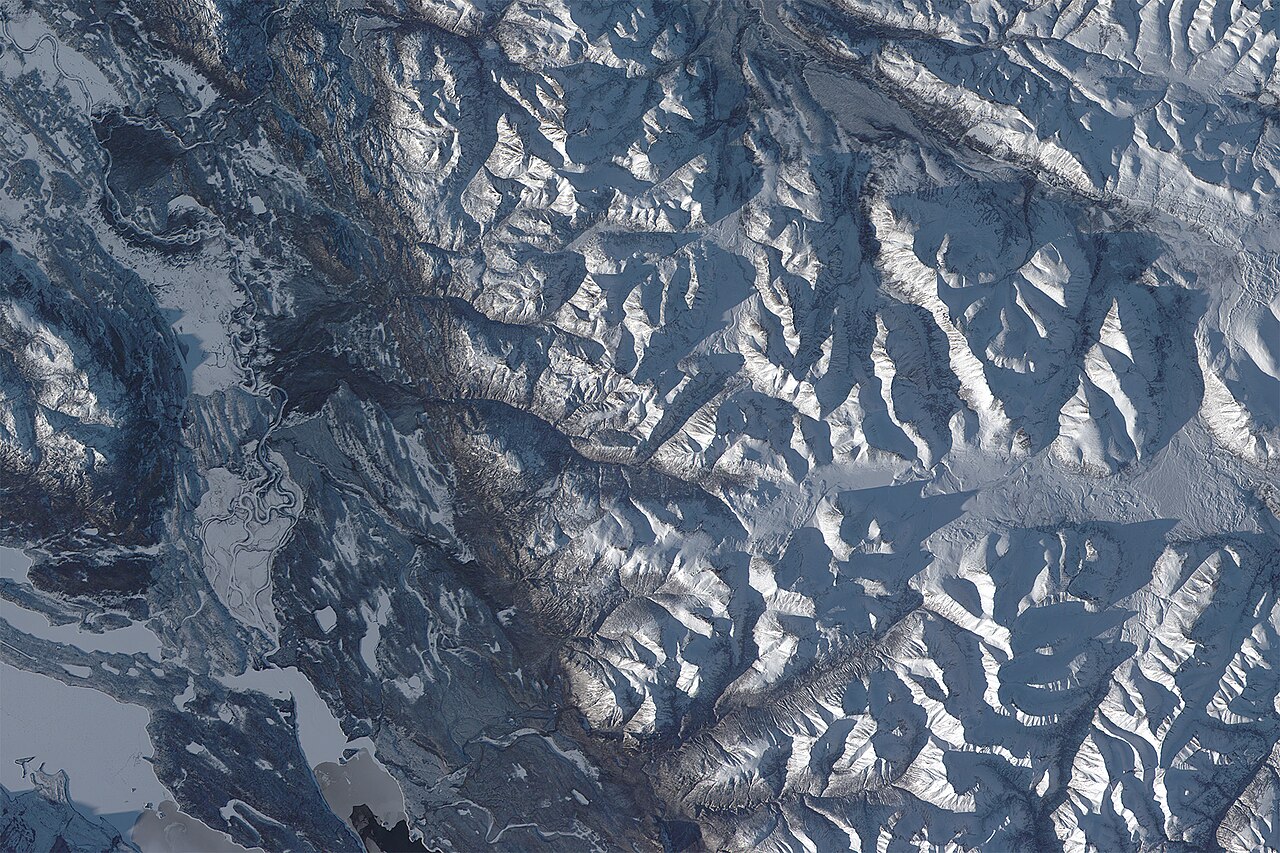
For a more challenging adventure, the trail continues up to Kontrashibuna Lake, a stunning glacial lake surrounded by steep mountains. Those looking for a full-day workout can tackle the climb to the summit of Tanalian Mountain. The ascent is steep, but the reward is a 360-degree panoramic view of Lake Clark, the surrounding peaks, and the sprawling wilderness. It is one of the few places in the park where you can get a true bird's-eye view of the complex geography that defines this region.
Kayaking and Boating on Lake Clark
The parkâs namesake lake is over 40 miles long and is renowned for its striking turquoise color, caused by 'glacial flour'âfine silt suspended in the water from melting glaciers. Kayaking or canoeing on the lake is the best way to appreciate its massive scale and the silence of the wilderness. Paddlers can explore hidden coves, navigate near the mouths of rushing streams, and look for bald eagles nesting in the towering trees along the shoreline.
Motorized boat tours are also available from Port Alsworth, providing a faster way to see the distant reaches of the lake. These tours often visit the historic Dick Proenneke Cabin at Upper Twin Lake. Proenneke was a naturalist who lived alone in the wilderness for over 30 years, and his hand-built cabin remains a testament to self-sufficiency. Visiting the site requires a separate floatplane trip, but it is a pilgrimage for many who admire the 'One Man's Wilderness' philosophy. Whether by paddle or motor, being on the water is essential to the Lake Clark experience.
Fishing for Salmon and Trout
Lake Clark is a premier destination for anglers seeking a true wilderness fishing experience. The park sits at the headwaters of the Kvichak River system, which hosts the world's largest sockeye salmon run. During the peak of the summer, the rivers and streams are thick with salmon returning to spawn. Anglers can also find trophy-sized rainbow trout, Arctic char, and Arctic grayling in the clear mountain streams and high-altitude lakes.
Because the park is so remote, the fishing pressure is extremely low compared to other parts of Alaska. You can spend an entire day on a river without seeing another human soul, sharing the space only with the occasional eagle or bear. Many visitors choose to stay at remote fishing lodges that provide expert guides and specialized gear. If you are fishing independently, be sure to follow all state regulations and practice bear-aware techniques, especially when handling fish. Catch-and-release is common to help preserve the pristine ecology of these fragile waterways.
Rainy Day Activities and Flightseeing
Weather in Alaska is notoriously fickle, and rainy days are a common occurrence in Lake Clark. While heavy rain might limit hiking or kayaking, it creates a moody and beautiful atmosphere in the park. Low-hanging clouds cling to the mountainsides, and the waterfalls become even more thunderous. Many visitors spend rainy afternoons in Port Alsworth, visiting the small park visitor center to learn about the Dena'ina Athabascan culture and the natural history of the region. Local lodges often have cozy common areas where you can relax with a book and watch the weather roll across the lake.
If the clouds stay high enough, a rainy day can still be a great time for a flightseeing tour. From the air, the park's two active volcanoesâMount Redoubt and Mount Iliamnaâare breathtaking sights. You can see the steam venting from the craters and the massive glaciers that wrap around their slopes. A flight gives you a perspective on the vastness of the park that is impossible to gain from the ground, revealing hidden valleys and turquoise alpine pools.