
A trip to Lake Clark National Park is unlike a visit to any other American park. With no road access, your journey begins with a scenic flight that serves as your introduction to the vast Alaskan bush. This 3 to 5-day itinerary focuses on the gateway of Port Alsworth, offering a mix of accessible hiking, water exploration, and the deep solitude that defines this Southwestern Alaska treasure.
Day 1: Arrival and Tanalian Falls
Your journey begins at the Kenai Municipal Airport (ENA), where you will board a small bush plane for the roughly 30 to 45-minute flight across Cook Inlet. The flight itself is a highlight, offering views of the massive glaciers and the smoking peaks of the Aleutian Range. Upon landing on the gravel airstrip at Port Alsworth, drop your gear at your lodge or campsite. Port Alsworth is a small, hospitable community that serves as the park's primary hub.
Spend your first afternoon stretching your legs on the Tanalian Falls Trail. This 4-mile round-trip hike is relatively moderate and winds through a beautiful forest of birch and spruce. The trail leads to a dramatic overlook of the falls, where the river crashes over ancient basalt rocks. If you have extra energy, continue another half-mile to the shores of Kontrashibuna Lake. The deep blue water framed by rugged peaks is the perfect spot for a first-day picnic. Return to Port Alsworth for a quiet evening by the lake, watching the sun set over the water.
Day 2: Water Exploration or Proenneke Cabin
On your second day, get out on the water to experience the scale of Lake Clark. You can rent a kayak or canoe to explore the shoreline near Port Alsworth, paddling toward the islands that dot the bay. The water is incredibly clear, and the silence is punctuated only by the sound of your paddle. If you prefer a guided experience, book a boat tour that can take you further up the lake to see the dramatic transition from the lush coastal forest to the high alpine tundra.
Alternatively, for a truly iconic Lake Clark experience, arrange a floatplane charter to Upper Twin Lake to visit the Dick Proenneke Cabin. Walking through the cabin that Proenneke built by hand using local timber and simple tools is a moving experience for many visitors. You can see his ingenious craftsmanship and gain a deeper understanding of what it means to live in harmony with the wilderness. Note that this requires a significant additional expense and is weather-dependent, so check with local air taxis early in your planning process.
Day 3: Bear Viewing and Departure
For your final day, dedicate your time to wildlife. While bears can be spotted near Port Alsworth, the most reliable viewing occurs along the coast. Many visitors arrange for their return flight to Kenai or Anchorage to include a 'bear stop' at Silver Salmon Creek or Chinitna Bay. Landing on a remote beach is a thrill in itself. Once on the ground, you can watch brown bears grazing in the meadows or searching for clams at low tide. Seeing these massive creatures in their natural environment is an experience you will never forget.
After your bear-viewing session, your pilot will fly you back to the mainland. As you cross the mountains once more, look down for sightings of Dall sheep on the high ridges or moose in the marshy lowlands. Arriving back at the airport, you'll feel miles away from the quiet wilderness you just left. Make sure to check the NPS site for any updated travel advisories before your departure, as weather in the Alaska Range can shift rapidly, potentially affecting your flight schedule.
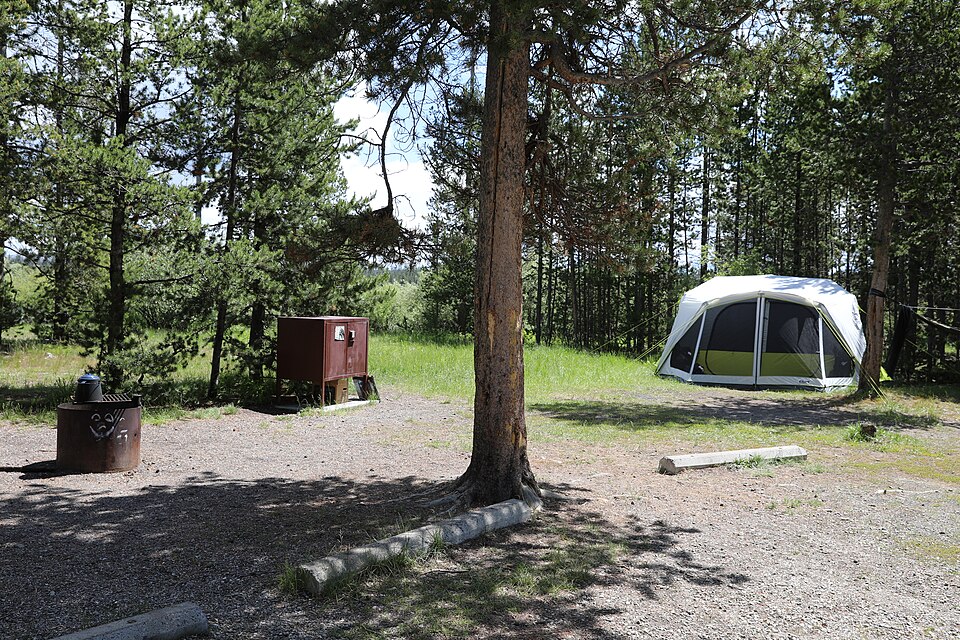
Where to sleep
Harvest Hosts stays on the way to Lake Clark National Park
Partner link · Harvest Hosts
Tips for a Smooth Journey
Logistics in Lake Clark require a bit more effort than a typical road-trip park. First, remember that everything you need must be flown in. If you are camping, ensure you have all your supplies, as there are no large grocery stores in the park. Pack in layers, as temperatures can fluctuate 20 degrees in a single day, and high-quality rain gear is non-negotiable. Waterproof boots are highly recommended for hiking, as many trails can be muddy or require small stream crossings.
Communication is limited; cell service is spotty at best and non-existent in the backcountry. Consider carrying a satellite communication device for emergencies. Most importantly, remain flexible. Small plane travel is entirely dependent on visibility and wind. It is not uncommon for flights to be delayed by several hours or even a day. Build a 'buffer day' into your overall Alaska itinerary so that a weather delay in Lake Clark doesn't cause you to miss your flight home from Anchorage.
Budgeting and Planning
A trip to Lake Clark is a significant investment. The average daily budget of roughly $650 accounts for the high cost of air charters, which are the only way in and out. While there is no entrance fee for the park, the logistical expenses add up quickly. Lodging in Port Alsworth typically includes meals, which helps manage costs, but independent travelers should be prepared for higher-than-average prices for any local services or supplies they might need.
Reservations for air taxis and lodges should be made months in advance, especially for the peak months of July and August. If you are planning a guided bear-viewing day trip, these often sell out by early spring. For those on a tighter budget, camping at the NPS-maintained sites near Port Alsworth is the most affordable way to stay, though you still have to account for the flight costs. Regardless of how you choose to visit, the pristine beauty of this roadless wilderness is a rare treasure that justifies the effort and expense.

More ways to book Lake Clark National Park
 Illustrative · Diego Angel
Sprinter Adventure Van
Small enough to park at the trailhead, comfy enough to sleep in.
$189/day (estimate)
Direct link · RVshare