
While Lake Clark is a rugged wilderness, you don't have to sacrifice comfort to experience its beauty. The concept of 'glamping' here often takes the form of high-end wilderness lodges and remote camps that provide a cozy sanctuary against the elements. These accommodations offer a unique blend of rustic Alaskan charm and modern amenities, allowing you to enjoy the sounds of the loons and the sight of the northern lights from a plush bed.
What Glamping Looks Like in the Bush
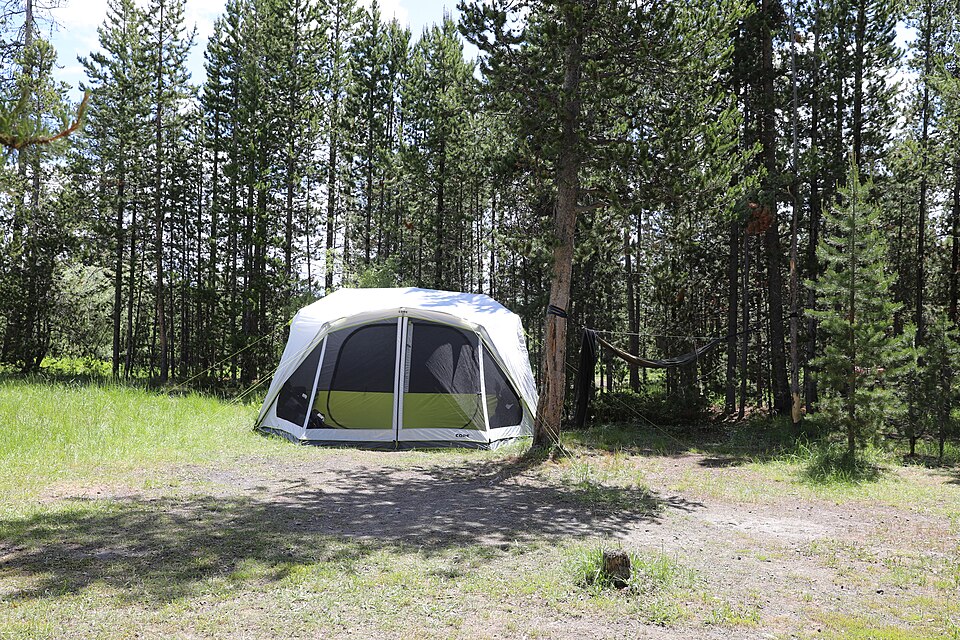
Glamping in Lake Clark National Park is different from the luxury tent resorts you might find near more accessible parks. Here, it usually means staying in beautifully crafted timber lodges or sophisticated wall-tent camps located in the gateway community of Port Alsworth or along the remote Cook Inlet coast. These sites offer real mattresses, warm linens, and often private decks with views of the turquoise lake or the towering mountains. Many of these locations operate entirely off-grid, utilizing solar power and specialized water systems to provide comforts like hot showers in the middle of the wilderness.
Meals are a significant part of the glamping experience here. Because these lodges are remote, they often provide all-inclusive dining featuring local Alaskan ingredients. Expect to enjoy fresh-caught salmon, wild berries, and hearty homemade breads. After a day of hiking or bear viewing, returning to a heated cabin or a sturdy, weather-proof tent where a gourmet meal is waiting is the ultimate way to experience the backcountry without the traditional hardships of camping.
Gateway Locations for Luxury Stays
Port Alsworth is the primary location for those seeking a more comfortable stay. As the park's main hub, it hosts several family-run lodges that offer a range of 'glamping-style' accommodations. You can find private cabins that feel like high-end homes, complete with large windows overlooking the water. Staying in Port Alsworth also provides the benefit of being near the park's only maintained trail system, making it easy to balance luxury with adventure.
For a more immersive wildlife experience, you might look toward the coastal areas like Silver Salmon Creek. Here, specialized lodges offer a glamping-adjacent experience focused on bear viewing. These accommodations are designed to put you as close to the wildlife as possible while maintaining a safe and comfortable environment. The feeling of being in a remote camp, surrounded by miles of untamed coast, while still having access to a warm fire and a soft pillow, defines the modern Alaskan luxury experience. These locations are only accessible by bush plane, adding to the exclusivity and sense of adventure.
Glamping vs. Traditional Camping
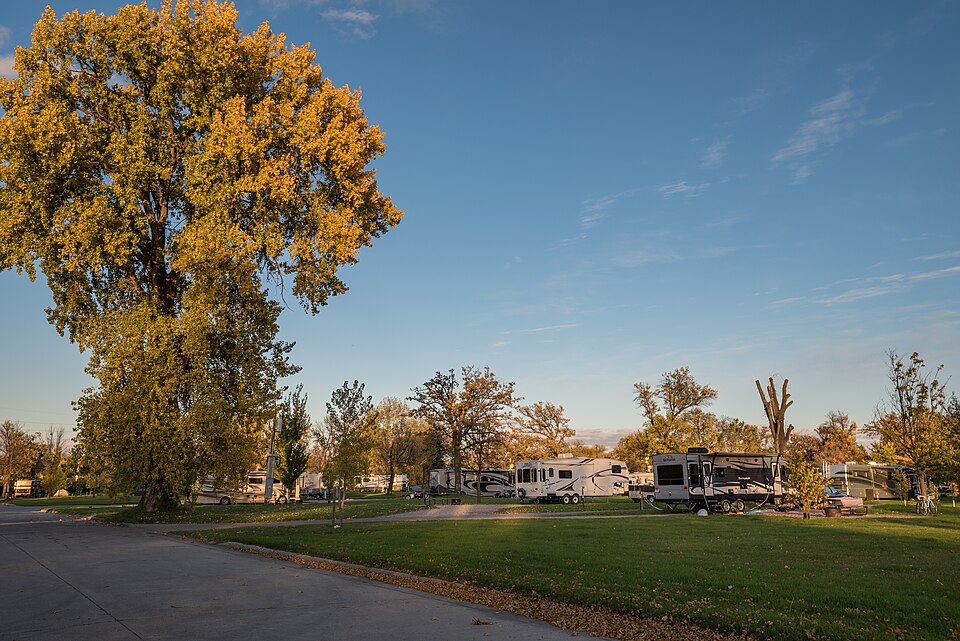
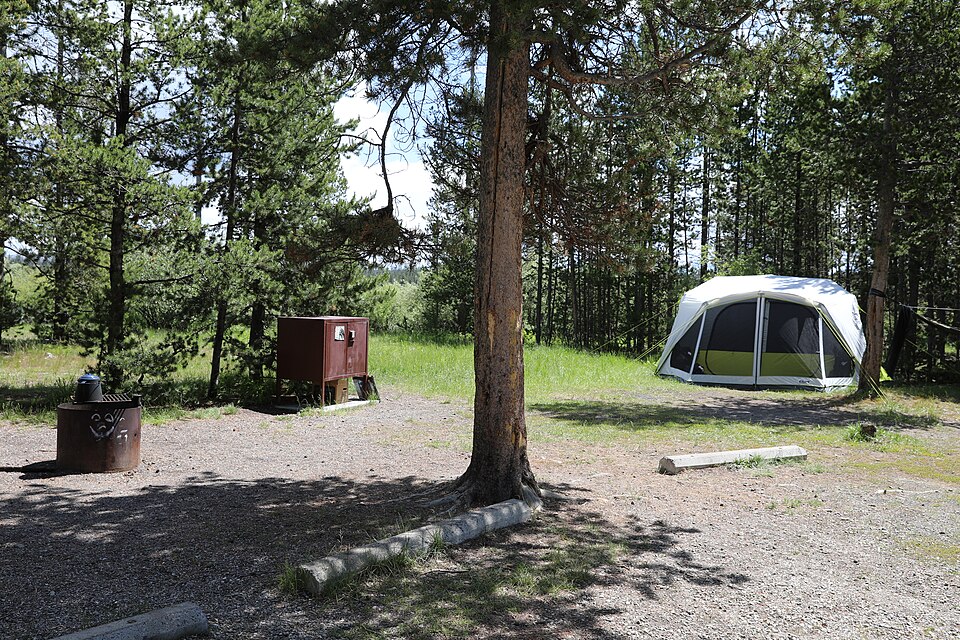
The choice between glamping and traditional camping in Lake Clark often comes down to your comfort level with the environment and your budget. Traditional camping requires you to fly in all your gear, including bear-resistant food containers, and be prepared for rain and wind. It offers the most direct connection to the land and is significantly more affordable, but it demands a high level of physical effort and wilderness skill. There are no designated campgrounds with hookups for RVs, as there are no roads to drive them on.
Glamping, by contrast, removes the logistical burden of gear and food preparation. It is an excellent option for families, photographers with heavy equipment, or those who want to spend their time focusing on the scenery rather than camp chores. While the daily budget for a lodge or glamping stay is much higherâoften exceeding the $650 average when factoring in guided activitiesâit provides a safety net and a level of comfort that can make the unpredictable Alaskan weather much more enjoyable. For many, the ability to dry out gear by a wood stove after a rainy hike is worth the extra cost.
Where to sleep
Harvest Hosts stays on the way to Lake Clark National Park
Partner link · Harvest Hosts
Seasonality and Availability
The glamping and lodge season in Lake Clark is quite short, mirrors the peak summer months of June through August. Most luxury accommodations do not open until the snow has cleared and the lakes are ready for floatplane landings. Because there are only a handful of these establishments within the park's vicinity, they tend to book up a year in advance. Many visitors return to the same lodges year after year, creating a small, dedicated community of wilderness enthusiasts.
If you are planning a trip, it is vital to check the official National Park Service site for a list of authorized commercial operators. This ensures that the lodge or camp you choose meets safety and environmental standards. During the shoulder seasons of late May or September, some locations may offer reduced rates, but you must be prepared for colder temperatures and more limited services. The 'best' time for glamping is typically July, when the weather is warmest and the long hours of daylight allow you to fully enjoy the outdoor decks and common areas of your chosen retreat.
Packing for a Luxury Wilderness Stay
Even if you are staying in a high-end lodge, you are still in the Alaskan bush. Your packing list should reflect the environment. High-quality waterproof hiking boots and a premium rain jacket are essential, as you will still be spending most of your day outdoors. While your lodge may provide binoculars, bringing your own pair will enhance your wildlife viewing from your porch or the boat. Casual, comfortable layers made of wool or synthetic materials are better than cotton, which stays cold and wet.
Don't forget to pack insect repellent and a head net, as mosquitoes can be quite active in the early summer, even near the luxury camps. Most glamping sites have limited storage space, and bush planes have strict weight limits for luggage, so it is important to pack efficiently. Use soft-sided duffel bags rather than hard-shell suitcases, as they are much easier for pilots to fit into the small cargo holds of the planes. By packing smart, you can ensure that your transition from the plane to your luxury wilderness home is as smooth as possible.