
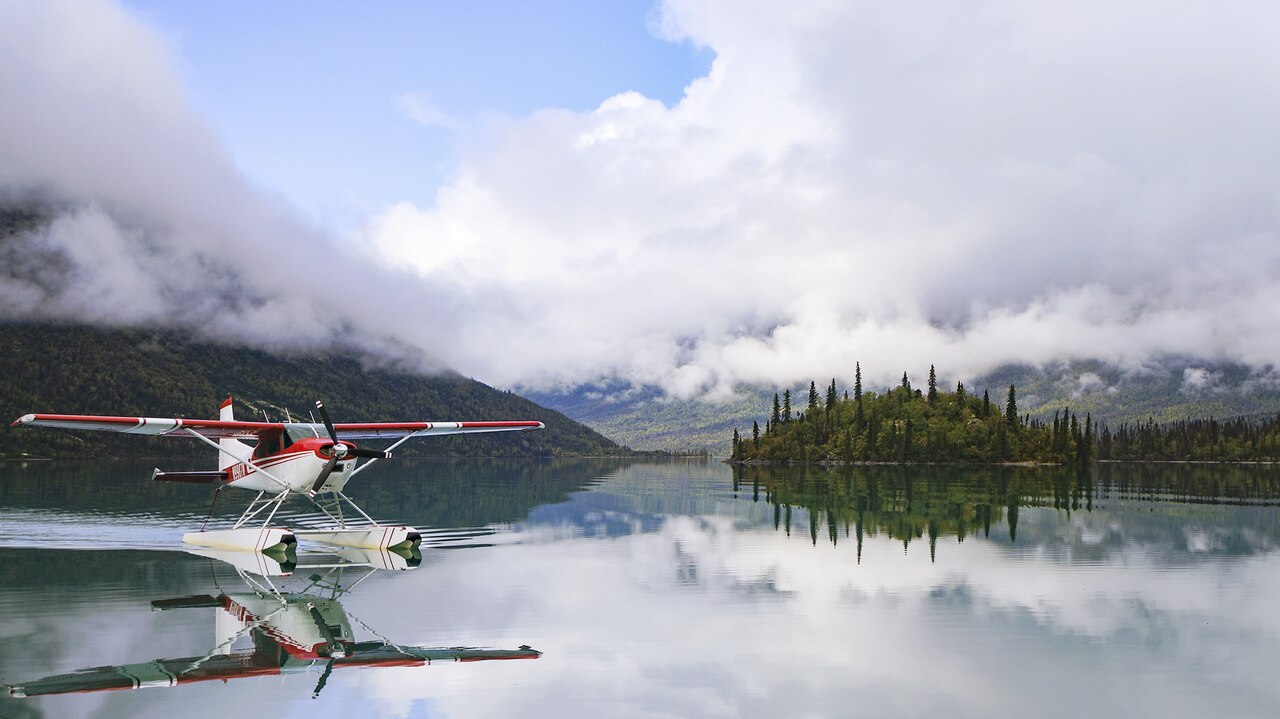
Lake Clark National Park is a massive roadless wilderness that requires careful timing to experience its full beauty. While the park is technically open year-round, the harsh subarctic climate of Southwestern Alaska dictates a very narrow window for comfortable exploration. Most visitors arrive between June and August when the landscape is vibrant, the lakes are thawed, and bush planes can safely land on gravel beaches or water.
Summer: The Peak Season
Summer is widely considered the best time to visit Lake Clark because the weather is relatively mild and the days are incredibly long. From late June through early August, you can expect temperatures to range from the 50s to the 60s, though it can occasionally reach the 70s. This is the prime window for hiking the Tanalian Trails and kayaking the turquoise waters of the park's namesake lake.
During these months, the tundra is lush and green, and wildflowers like fireweed and lupine blanket the meadows. This is also when the salmon runs begin, drawing brown bears to the coastal areas and inland streams. Because the park is remote and lacks roads, summer flight conditions are generally more stable, allowing air taxis to operate frequently from Anchorage or Kenai. However, this is also the most popular time, so planning logistics several months in advance is essential to secure space on flights and in local lodges.
Lock in a stay for this season
RV parks near Lake Clark National Park on RoverPass
Partner link · RoverPass
Fall: Colors and Bear Activity
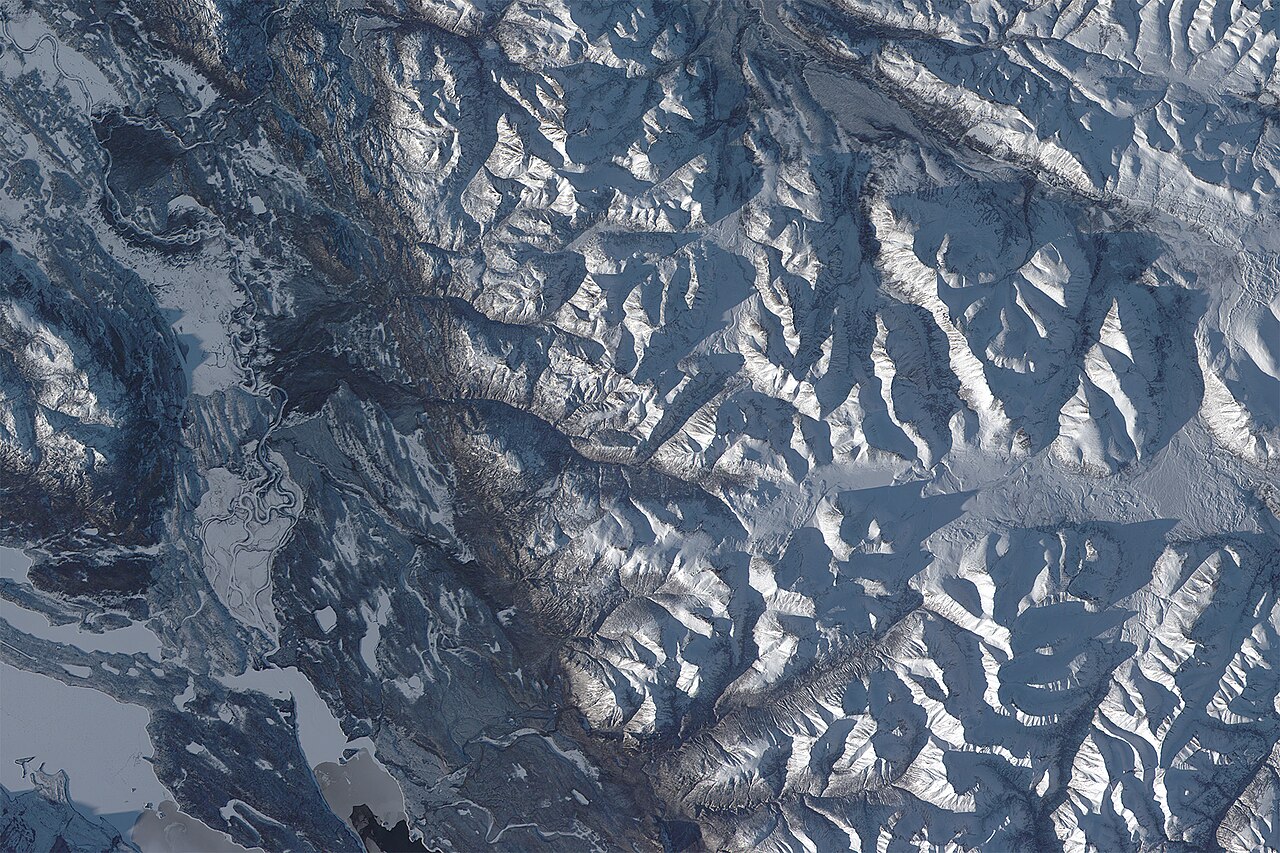
September brings a dramatic transformation to Lake Clark as the tundra turns brilliant shades of gold, orange, and red. The air becomes crisp, and the first dustings of snowâlocally called 'termination dust'âbegin to appear on the high peaks of the Chigmit Mountains. While the window is short, early September offers some of the most spectacular photography opportunities in the park.
Bear viewing remains excellent in the fall as bruins fatten up for hibernation on the late salmon runs. You will also notice a significant drop in visitor numbers, providing an even deeper sense of solitude. However, the weather becomes increasingly unpredictable during this time. Storms moving in from the Cook Inlet can cause flight delays or cancellations, so travelers should build flexibility into their schedules. Most visitor services and guided operations begin to wind down by mid-September as the freezing temperatures arrive and daylight hours begin to shrink rapidly across the Alaskan wilderness.
Lock in a stay for this season
Campsites near Lake Clark National Park on Campspot
Partner link · Campspot
Winter: The Frozen Frontier
Winter in Lake Clark is only for the most experienced and self-sufficient wilderness travelers. From November through April, the park is locked in ice and snow, with temperatures often dropping well below zero. The large lakes, including Lake Clark itself, eventually freeze over, and the landscape becomes a silent, white expanse. While the park remains open, there are no maintained facilities or services during this time.
Access becomes much more difficult as bush planes must switch to skis to land on frozen surfaces. Those who do visit in winter come for activities like cross-country skiing, snowshoeing, or ice fishing, often staying in private cabins in Port Alsworth. The primary draw of winter is the absolute stillness and the potential to see the Aurora Borealis on clear, dark nights. However, the extreme cold and limited daylight make this a challenging season that requires specialized gear and expert knowledge of Arctic survival. Most casual tourists should avoid this season in favor of the warmer months.
Lock in a stay for this season
Harvest Hosts stays on the way to Lake Clark National Park
Partner link · Harvest Hosts
Spring: The Great Thaw
Spring arrives late in Southwestern Alaska, typically spanning from May to early June. During this period, the park transitions from winter's grip to the awakening of summer. The ice on the lakes begins to break up, a process that can be both beautiful and loud as massive sheets of ice grind against each other. This is a time of transition for wildlife as well, with migratory birds returning and bears emerging from their dens with new cubs.
Travel during late May can be rewarding for those who enjoy solitude, but many hiking trails remain muddy or covered in deep snow at higher elevations. The weather is often cool and damp, with frequent spring showers. It is important to note that many lodges and guide services do not fully open until the second or third week of June when the ground has dried sufficiently and the risk of late-season storms has diminished. If you visit now, be prepared for varying conditions.
Crowds and Reservations Timing
Lake Clark is one of the least-visited parks in the National Park System, largely due to its remote location and lack of road access. Even during the peak of July, you will never encounter 'crowds' in the traditional sense. However, because infrastructure is so limited, the few available lodges and air taxi seats fill up very quickly. To ensure you get your preferred dates during the summer, it is wise to start booking at least six to nine months in advance.
Always check the official National Park Service website for current conditions, as weather can change rapidly regardless of the season. Budgeting for your trip should account for the high cost of bush plane charters, which are the only way to reach the heart of the park. Expect to spend a significant amount on transportation and guided services, as this is one of the more expensive parks to access. Planning ahead ensures that you can experience the wild beauty of the Chigmit Mountains without logistical headaches.

More ways to book Lake Clark National Park
 Illustrative · Axelspace Corporation
Tanalian Falls Hike
One of the classic ways to experience Lake Clark.
Varies (estimate)
Partner link · Viator