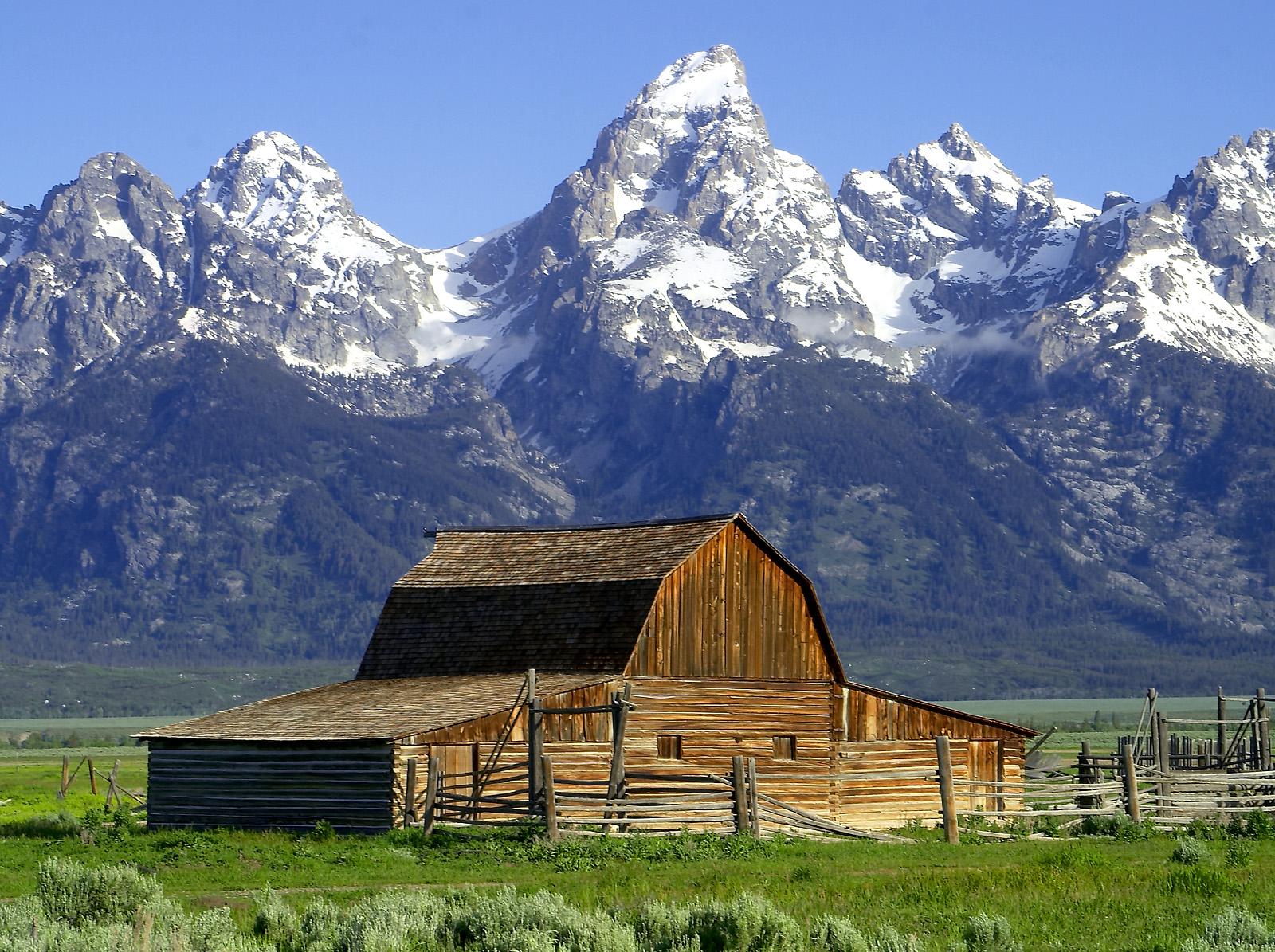
Jackson Hole is the valley; Jackson is the town where many visitors sleep, eat, and regroup between outings. That distinction helps when planning things to do in Jackson Hole, because a downtown walk, a Jenny Lake hike, and a day at Teton Village involve different travel plans. For a two- to four-day stay, choose a few strong anchors instead of trying to cover every trail, viewpoint, and river activity.
Start With Grand Teton's Lakes and Trails
Grand Teton National Park provides the valley's signature mountain scenery, with options ranging from roadside lake views to demanding canyon hikes. Taggart Lake is a popular introduction to forest, open terrain, and mountain reflections. The Jenny Lake area offers lakeshore walking and routes toward Hidden Falls and Inspiration Point, but distance and effort depend on your starting point and whether seasonal boat service is operating.
Pick a hike based on current trail conditions, not just mileage. Elevation, lingering snow, uneven footing, and afternoon weather can make an outing more demanding than it looks on a map. Carry water, layers, navigation, and appropriate bear-country equipment, and learn how to use it. Parking fills at major trailheads, so start early and identify a backup. Check the official park website for closures, wildlife guidance, boat information, and any route-specific advisories before leaving town.

Book this experience
Jackson Hole Mountain Resort Skiing
Varies (estimate) · Partner link · Viator
Build a Scenic Drive Around a Few Good Stops
A scenic drive works well on an arrival day or when your legs need a break. US Highway 89/191 and the seasonally accessible Teton Park Road offer different perspectives on the range. Schwabacher Landing, Snake River Overlook, and the Mormon Row Historic District are established places to appreciate the valley's landscape and history. Their access roads and surfaces vary, so check conditions rather than assuming every stop is suitable year-round.
Choose several stops and give each time instead of racing through a checklist. Morning and evening light can be appealing for photography, but wildlife and changing weather deserve more attention than a schedule. Pull completely into designated parking areas, never stop in a travel lane for a picture, and respect closures around historic structures or habitat. Pack a picnic and use established picnic areas; food and trash need careful storage in bear country.

Watch Wildlife or Spend Time on the Snake River
The Snake River threads through Jackson Hole, creating opportunities for scenic floating, wildlife watching, and photography. A guided scenic float and a whitewater trip are different experiences: whitewater outings generally use the canyon south of Jackson, while scenic trips emphasize river landscapes and quieter observation. Ask operators about the actual route, age requirements, physical expectations, and seasonal water conditions before choosing an outing.
For wildlife viewing on land, bring binoculars and spend time scanning from established pullouts rather than driving constantly between sightings. Moose, elk, bison, and bears live in the wider region, but no particular sighting is assured. Follow posted distance rules and never feed or surround an animal. The National Elk Refuge is especially associated with winter elk concentrations, not a guaranteed summer herd-viewing stop. Independent paddling requires its own preparation; check current park rules for permits, boat inspections, and aquatic invasive species requirements.

Keep Family Days Short, Varied, and Flexible
With kids, a short lakeshore walk followed by a picnic often works better than an all-day march toward a distant viewpoint. Start around Jenny Lake or another accessible developed area, choosing a turnaround point that matches your family's energy. Ask at a park visitor center about current Junior Ranger materials and ranger-led activities; availability and schedules vary by season. Indoor exhibits can also help children connect the mountains with the animals and habitats around them.
In Jackson, Town Square makes an easy orientation stop, and the antler arches are a recognizable photo backdrop. Teton Village can offer a different setting for a relaxed afternoon, with mountain sightseeing options when lifts and associated activities operate. Check age, height, and reservation requirements before promising a particular attraction. Carry snacks, sun protection, warm layers, and a backup plan, and leave enough time between stops that parking and bathroom breaks do not derail the day.
Plan for Rain, Rest Days, and Winter Alternatives
A wet day is a good time for the National Museum of Wildlife Art, which sits north of Jackson and focuses on art inspired by animals and the natural world. Confirm current admission details and hours directly before visiting. Downtown galleries, a leisurely lunch, and browsing local shops can fill the rest of an afternoon without forcing an exposed mountain outing during thunderstorms or poor visibility.
If showers are brief, a visitor center and short scenic stops may still fit, but do not treat a car-based plan as permission to ignore road conditions. In winter, shift the outdoor focus toward resort skiing, snowshoeing, or cross-country skiing on suitable routes. Lessons and guided outings can be useful when an activity is new to you. Budget separately for equipment and instruction, since costs vary considerably. Before each outdoor day, consult the official Grand Teton National Park site for current conditions and access updates.