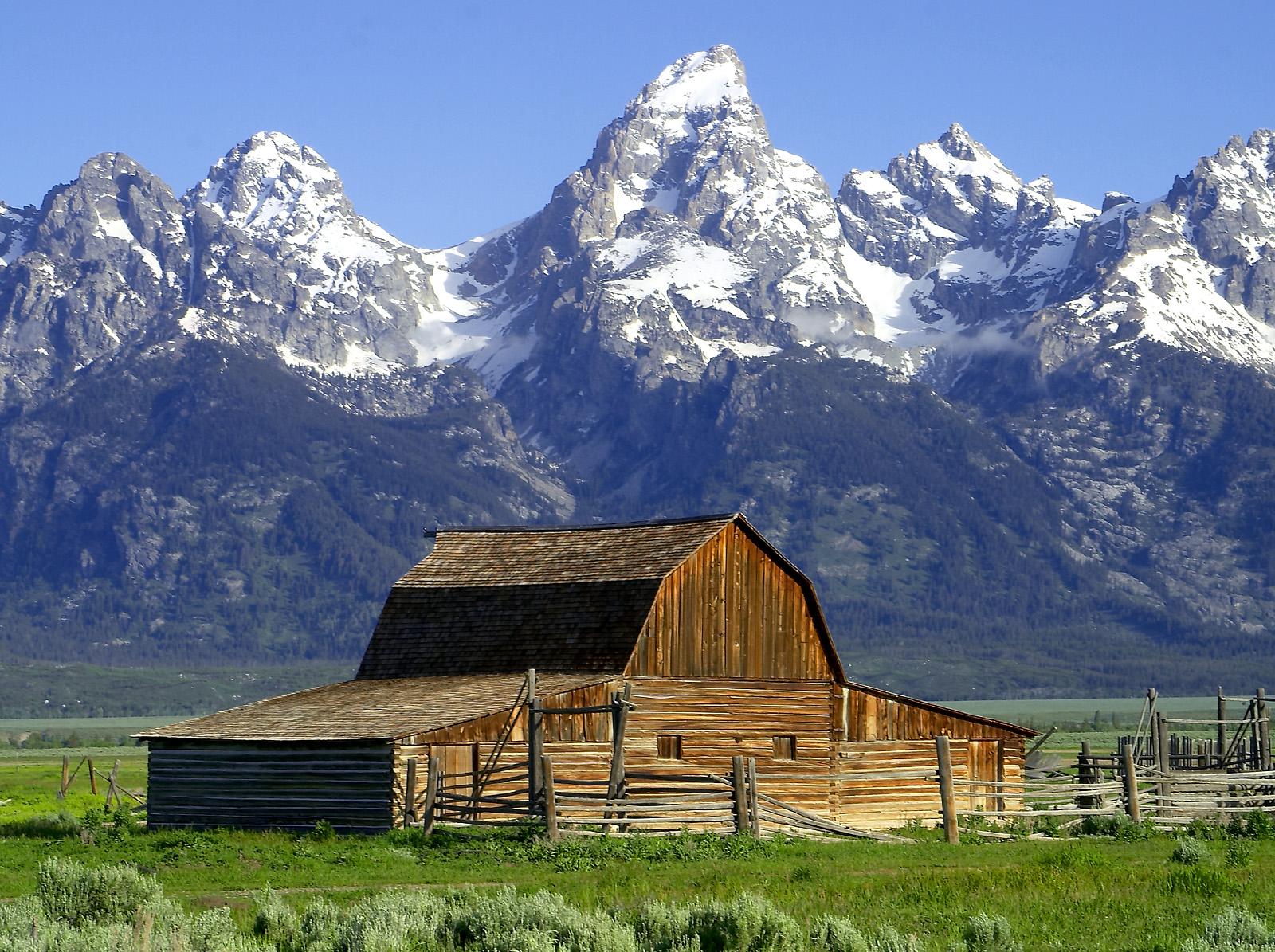
Jackson Hole glamping usually means choosing some outdoor atmosphere without bringing a complete camping setup, but the label covers very different stays. A furnished tent, a simple cabin, and a fully equipped cottage do not offer the same comfort or facilities. Start with the location and amenities your group needs, then verify the actual accommodation rather than assuming every listing includes a private bathroom, dependable heat, or easy park access.
What Glamping Looks Like Around Jackson Hole
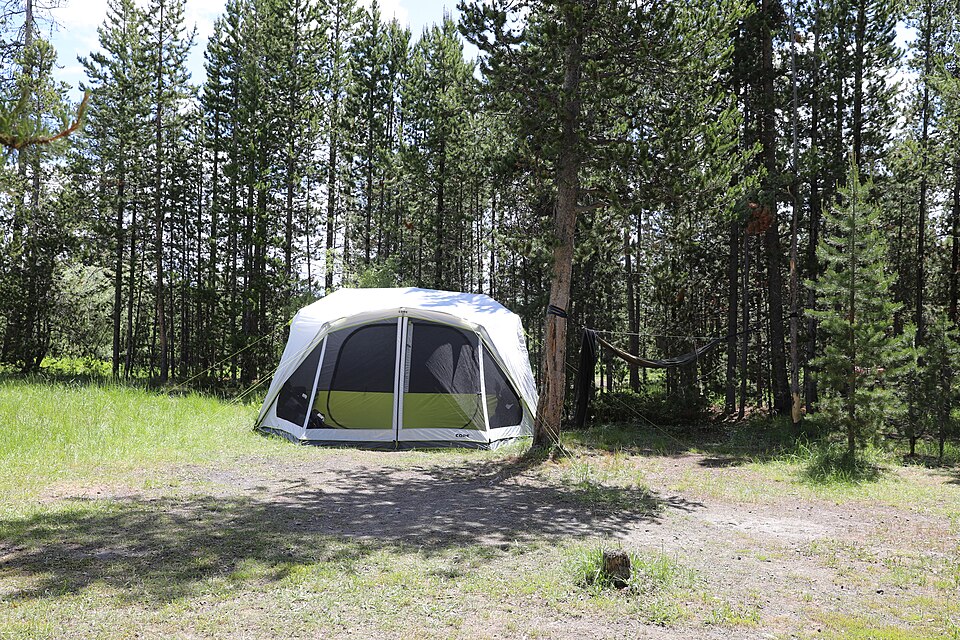
Think of glamping here as a spectrum rather than a standardized lodging category. Depending on current inventory, searches may surface furnished canvas tents, rustic cabins, or small structures in campground-style settings. Some emphasize bedding and an outdoor sitting area; others provide more conventional indoor comforts. Photos can make these stays look similar even when bathrooms, cooking arrangements, and protection from cold are very different.
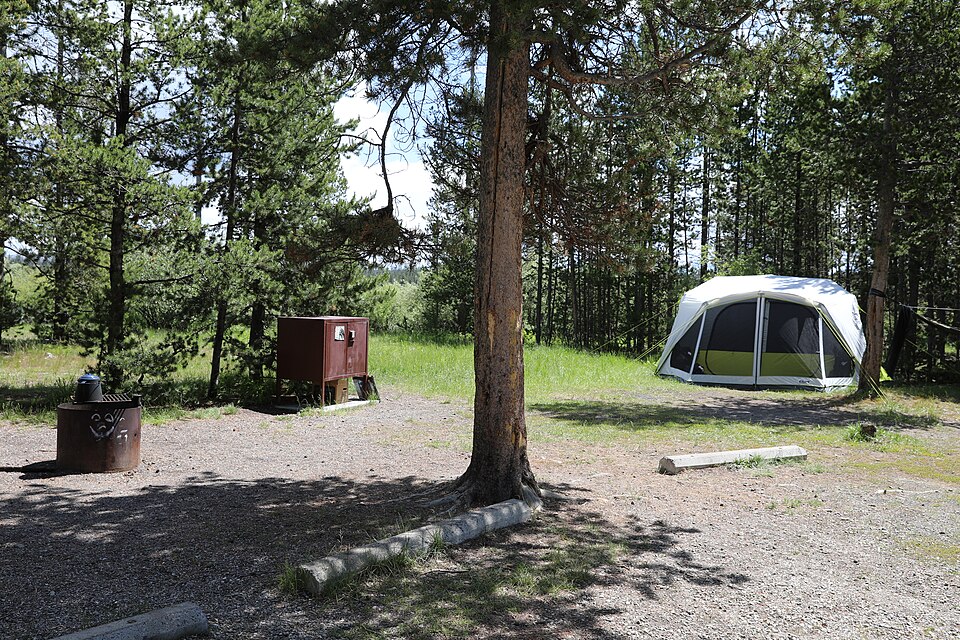
Before booking, ask whether the unit has electricity, heat, potable water, bedding, and an attached bathroom. Confirm whether showers are shared, how far you walk to them, and whether towels are supplied. Find out where food must be stored and whether cooking is allowed at the unit. In bear country, an attractive porch or picnic table is not automatically an acceptable food-storage area. Check cancellation terms and the exact sleeping layout, particularly if children or anyone with mobility needs will be joining you.
Where to Look: Jackson, Wilson, and the Wider Valley
Jackson works well if easy access to groceries, dining, and town activities matters more than a secluded setting. Look carefully at the map: a listing marketed with the Jackson Hole name may sit outside the central valley. Wilson and the area toward Teton Village offer a west-side base, but you should verify the practical driving route to your chosen park destinations rather than judging convenience by straight-line distance.
North of Jackson, the Moose and Moran areas can suit travelers prioritizing Grand Teton, though accommodation types and services differ by location. Listings around Alpine or across Teton Pass near Victor and Driggs may broaden your search, but they add travel and, for Idaho stays, a mountain-pass crossing. Those are separate bases, not interchangeable neighborhood choices. Check seasonal roads, weather exposure, and access to groceries before booking. Do not assume a park campground offers furnished accommodations simply because an outside listing describes the area as glamping-friendly.
Choose the Season for the Structure, Not Just the View
Summer is the simplest season for a tent-style stay, yet nights can still feel cold, especially in lightly insulated structures. Ask what bedding and heating are actually provided and bring layers for evenings outdoors. Canvas also offers less separation from wind, rain, neighboring campers, and early daylight than a conventional room. If restful sleep is a priority, consider how comfortable your group is with those tradeoffs.
Spring and fall require closer attention to opening dates, overnight temperatures, and whether water systems or bathrooms remain available. A cabin may extend the comfortable season, but only if its heating and facilities meet your needs. Winter calls for explicitly winterized lodging and dependable access, not simply a tent advertised with a cozy blanket. Confirm parking and snow-clearing arrangements. For any season, check the official Grand Teton National Park website for current conditions and seasonal access before building your activities around the stay.
Glamping Versus Tent Camping and RV Travel
Glamping reduces the equipment you need to transport and the time spent setting up camp. The tradeoff is usually a higher lodging cost than a basic campsite, without necessarily gaining all the privacy or weather protection of a hotel. Compare the final booking total and included amenities; cleaning charges, bedding arrangements, and cooking access can affect value more than the headline description.
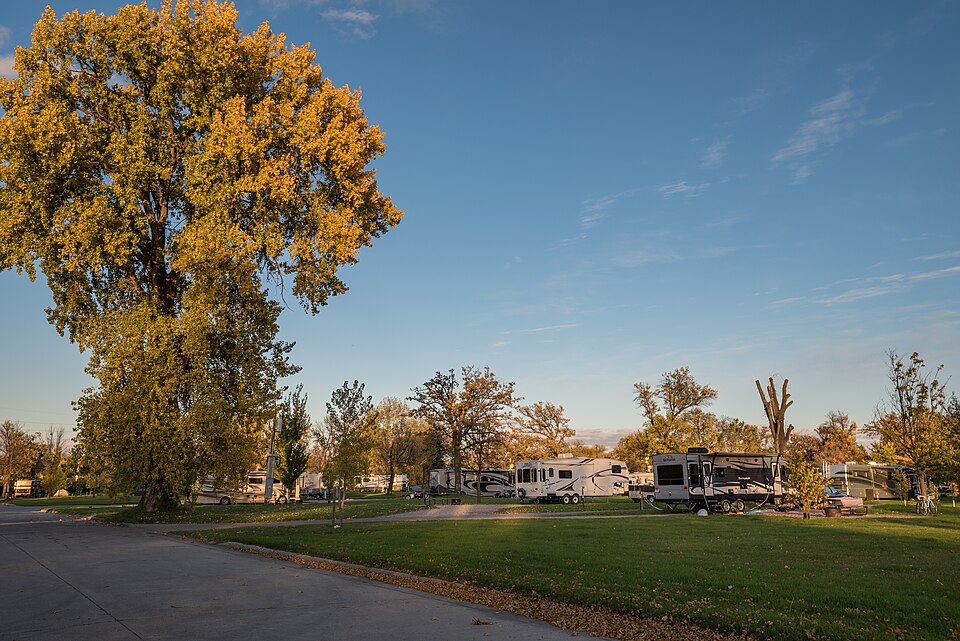
Tent camping gives you greater control over your setup but requires suitable shelter, sleeping equipment, food storage, and a plan for wet or cold weather. RV travel provides a different level of shelter and storage, yet brings vehicle-size limits, campsite availability, hookup questions, and rental or fuel expenses. Not every campground has full hookups, and not every site fits every vehicle. Public campground reservations are separate from private glamping bookings. Check official park reservation links, site specifications, and current rules before committing to either camping or an RV itinerary.
Book a Stay That Supports Your Actual Trip
For a two- to four-day visit, location can matter more than a dramatic tent interior. Estimate the repeated travel between your lodging, Jackson, and your main trailheads, then decide how much driving you want each morning. Ask about parking, check-in procedures, cooking equipment, and access after dark. A remote-feeling stay is less relaxing if you discover that every meal requires another long drive.
Reserve early for popular summer dates, and treat all cost comparisons as rough estimates until you see the complete booking total. Confirm fire restrictions before planning campfire dinners; a fire ring does not mean fires are currently permitted. Bring a headlamp, warm layers, and footwear suitable for walking to shared facilities. Follow the property's food-storage instructions and local wildlife rules. Before departure, recheck weather, road conditions, and official Grand Teton National Park updates, along with any reservations needed for activities beyond your accommodation.