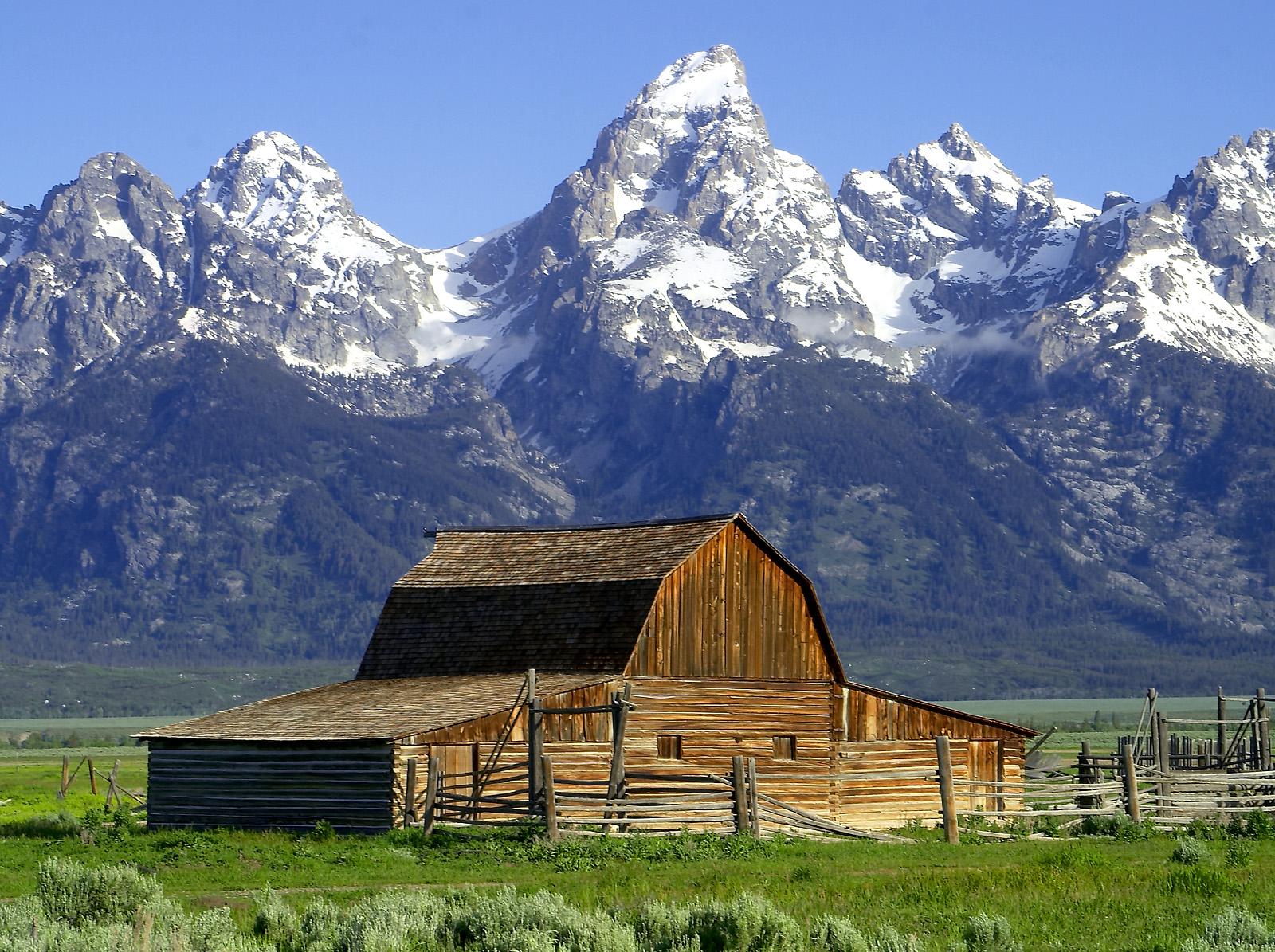
The best time to visit Jackson Hole depends on whether you want clear hiking trails, ski days, or a quieter look at the Tetons. Summer offers the broadest access to Grand Teton National Park, while fall brings cooler mornings and winter centers on snow sports. Spring can work for flexible travelers, but mountain trails and seasonal roads may remain snowbound well after the town of Jackson starts to thaw.
Spring: Wildlife Watching and Flexible Plans
Spring in Jackson Hole is a transition rather than a reliable early hiking season. Snow can linger across the valley, higher trails stay buried longer, and muddy conditions can limit lower-elevation walks. March often still feels like winter; April and May bring a mix of thawing ground, chilly rain, and occasional snow. Pack waterproof footwear and layers rather than planning around warm afternoons.
Wildlife watching and valley scenery make better anchors than ambitious mountain routes. Use established pullouts, bring binoculars, and give animals plenty of room, especially when young are present. Some park roads, visitor facilities, campgrounds, and local services operate seasonally, so a map alone does not tell you what is accessible. Spring may bring fewer visitors outside holiday periods, but reduced services can offset that advantage. Check the official Grand Teton National Park website before committing to specific drives or trailheads.
Summer: The Broadest Access, With the Biggest Crowds
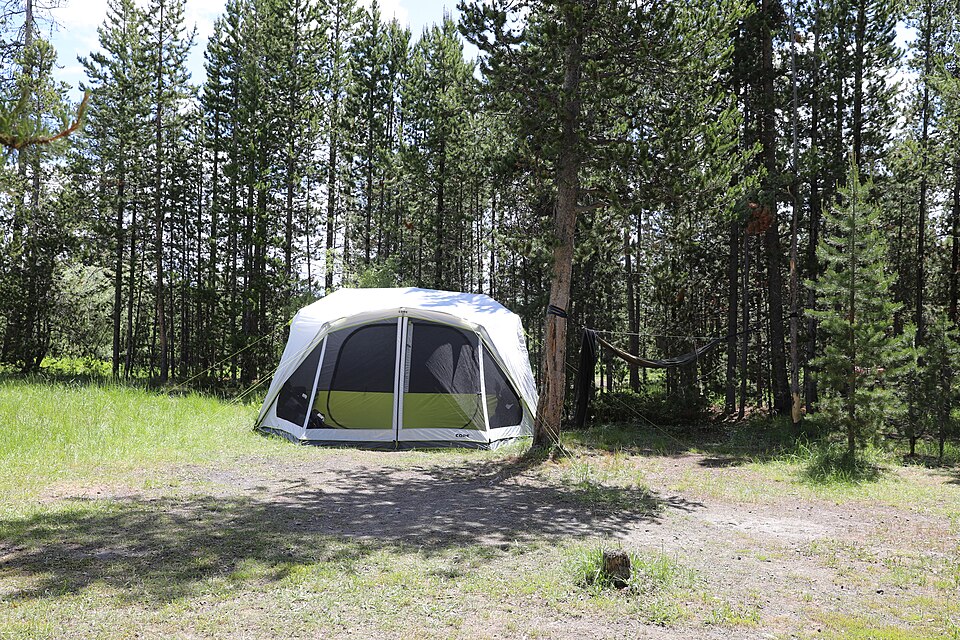
Summer is the most straightforward choice for a first visit focused on hiking, lakes, and scenic drives. Long daylight hours make it easier to combine a morning trail with an afternoon around Jackson or a lakeshore picnic. Lower trails generally become accessible before high passes, where snowfields can linger into summer. Afternoon thunderstorms are possible, so start exposed hikes early and reassess conditions as you go.
Jenny Lake, Taggart Lake, and popular roadside viewpoints draw heavy traffic during the busiest months. Arrive early, keep a backup trail in mind, and avoid building your day around finding midday parking at one famous stop. Reserve lodging and campgrounds as soon as your dates are firm, especially for holiday weekends. If a boat ride or guided activity is central to your trip, check its booking requirements too. Summer lodging costs are often relatively high, particularly near major park access points.
Fall: Cool Mornings, Color, and Shorter Days
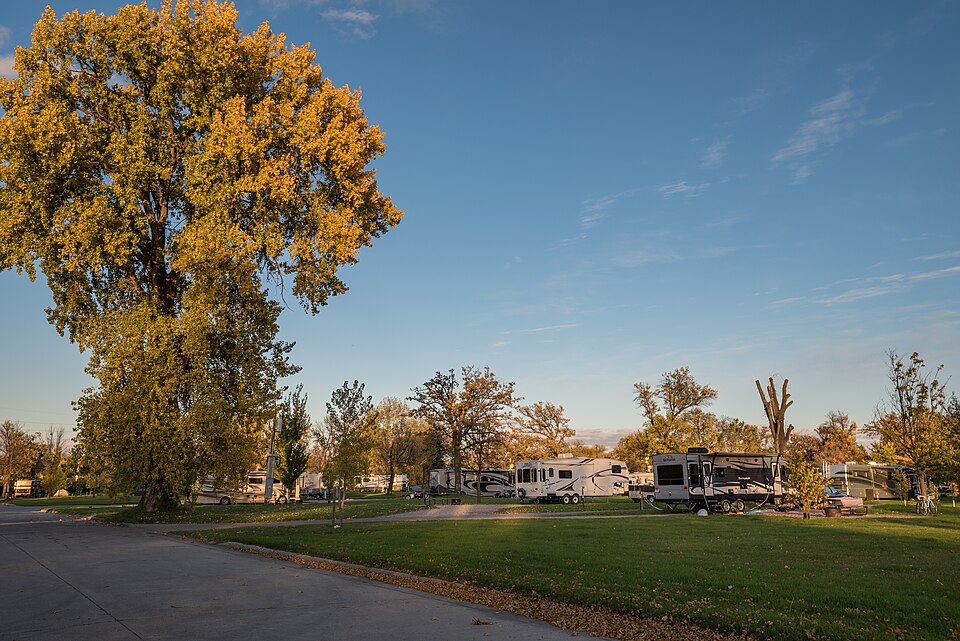
Fall suits travelers who want crisp air, changing cottonwoods and aspens, and a less hurried pace than midsummer. September often offers useful hiking weather, although mountain storms can arrive at any time. By October, shorter days and colder nights make flexible plans increasingly important. Foliage timing varies with elevation and weather, so treat color as a welcome possibility rather than a fixed-date event.
Elk breeding season adds interest to wildlife viewing, but it also calls for generous distance and careful behavior around animals. Watch from designated areas and never approach for a closer photograph. Popular fall weekends can still be busy, and some accommodations, boat services, and restaurants reduce operations as the season progresses. Book your base ahead, then confirm which activities remain available. For hikes, bring traction only when appropriate to your skills and the route; snowy conditions may simply mean choosing a lower, shorter outing.
Lock in a stay for this season
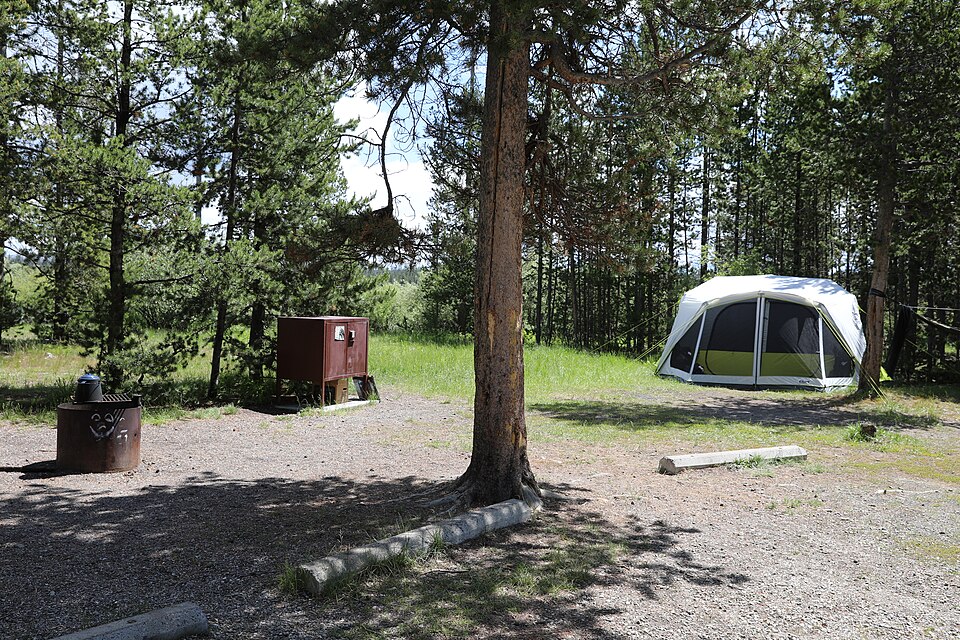
Harvest Hosts stays on the way to Jackson Hole
Partner link · Harvest Hosts
Winter: Skiing and a Different Kind of Park Visit
Winter is the clear choice if downhill skiing is the main reason for your trip. Teton Village is convenient for Jackson Hole Mountain Resort, while staying in Jackson puts you closer to town dining and Snow King Mountain. Ski conditions depend on snowfall and weather, and holiday periods can bring substantial demand for lodging, lessons, and rentals. Arrange those pieces early rather than assuming you can book everything after arrival.
Grand Teton National Park remains compelling in winter, but this is not the summer road-trip experience. Seasonal road closures change access, and snow travel requires suitable equipment and preparation. Cross-country skiing, snowshoeing, and organized wildlife outings can complement resort days. Expect cold mornings, possible flight disruptions, and winter driving conditions. Choose a lodging location that reduces unnecessary driving, and check current road reports alongside official park information. Backcountry skiing is a separate undertaking requiring avalanche knowledge, equipment, and informed planning.

Book this experience
Jackson Hole Mountain Resort Skiing
Varies (estimate) · Partner link · Viator
When to Reserve and How to Choose Your Dates
For a two- to four-day first visit centered on hiking, summer through early fall usually provides the simplest framework. Choose winter for skiing, and spring for a flexible trip emphasizing scenery and town time rather than guaranteed trail access. If quieter roads matter most, consider weekdays outside major holidays, while remembering that popular viewpoints can remain busy even beyond peak summer.
Start with lodging, then reserve any essential campground, guided activity, or rental equipment. There is no single booking window for the whole valley: public campgrounds, private lodging, and concession-operated activities follow different systems. Check the official Grand Teton National Park website for current conditions, road access, campground reservation links, and backcountry permit requirements. Recheck the forecast and closures shortly before departure. Keep one weather-flexible day in your plan, and compare total trip costs rather than room rates alone, including transportation, parking where applicable, equipment, and meals.

More ways to book Jackson Hole
 Illustrative · US Department of Education
Snake River Rafting
One of the classic ways to experience Jackson Hole.
Varies (estimate)
Partner link · Viator