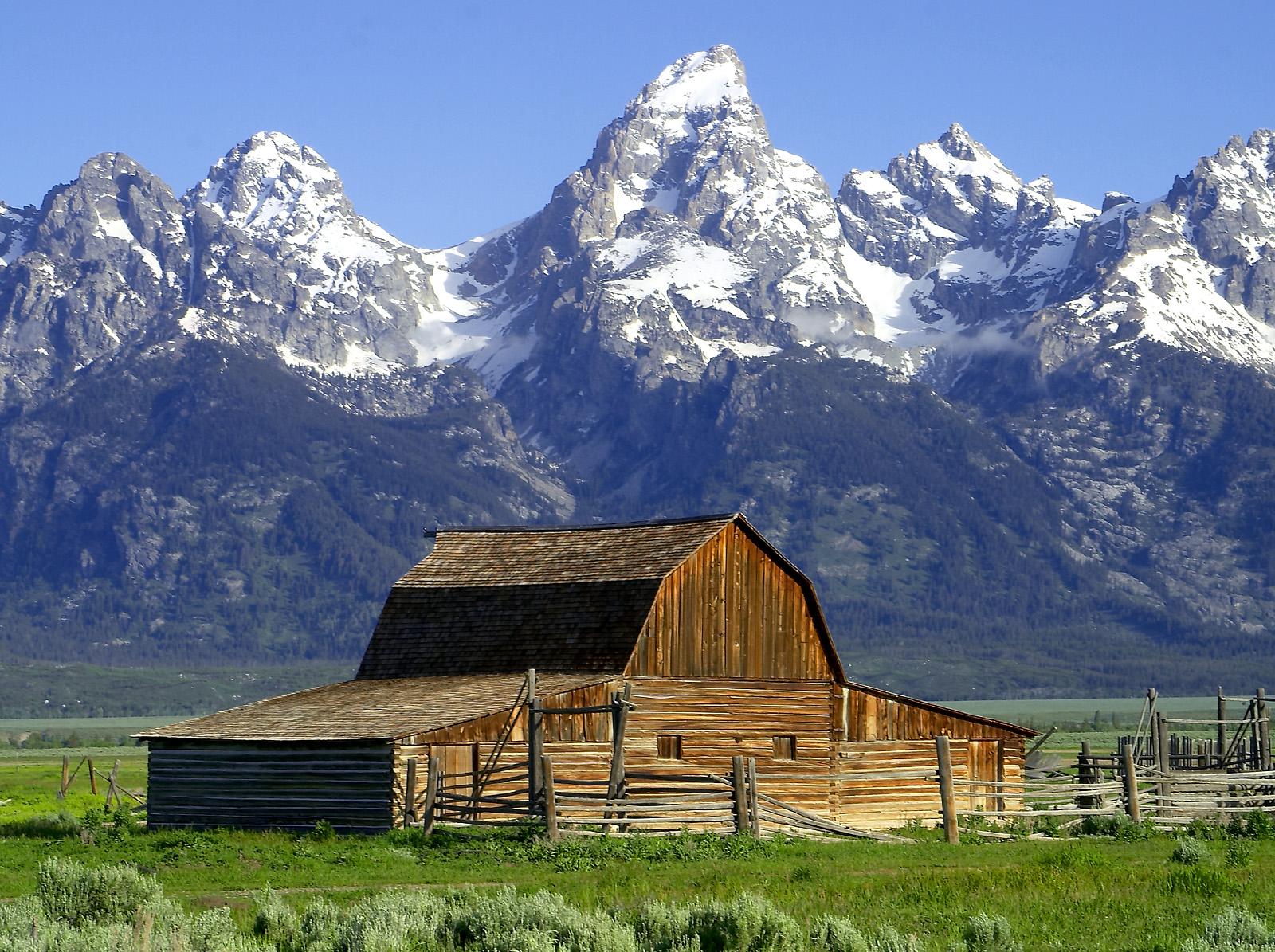
This Jackson Hole itinerary is designed for summer and early fall, when seasonal roads and many hiking routes are more likely to be accessible. Use Jackson or Teton Village as your base, and keep the first day light enough to absorb travel delays. Two days cover a useful introduction; three or four allow a river outing, a second park day, and more room to adapt to mountain weather.
Day 1: Arrive, Settle In, and Get Your Bearings
Jackson Hole Airport, JAC, sits within Grand Teton National Park and is the nearest commercial airport for the valley. Your ground transfer depends on whether you stay in Jackson, Teton Village, or farther north, so confirm the actual route and transportation arrangements with your lodging. Avoid relying on a single drive-time estimate: traffic, wildlife, weather, and your precise destination can all change the journey.
After checking in, take an easy walk around Jackson's Town Square and pick up food for the next day's picnic. If daylight and energy allow, choose one nearby scenic stop rather than starting a major park loop. Use the evening to review trail conditions, download maps, and organize water, layers, and bear-country supplies. Reserve dinner if a particular meal matters to you, but leave the arrival schedule forgiving. An early night is useful before the next morning's trailhead start.
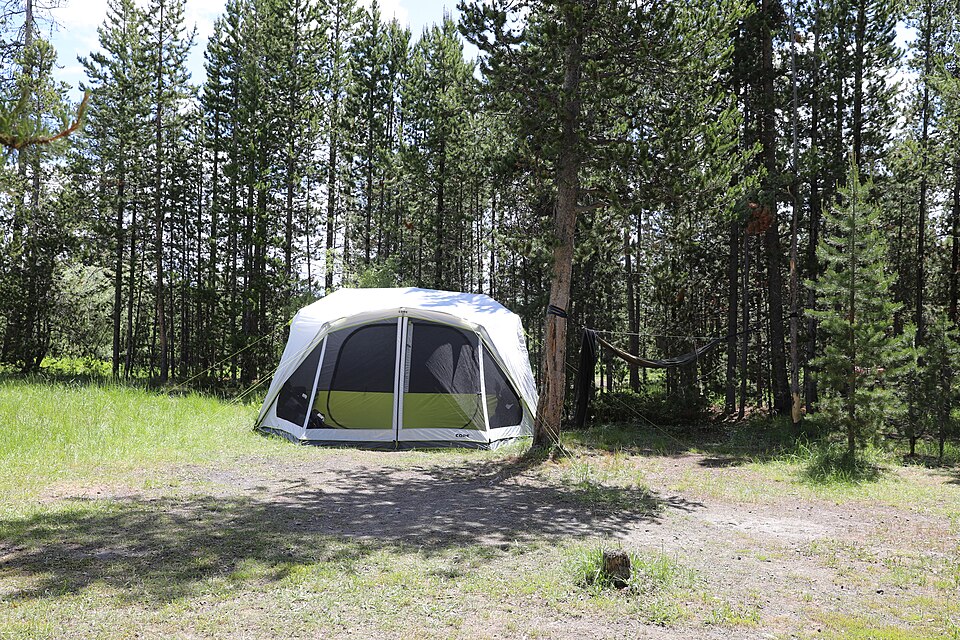
Day 2: Hike and Explore Grand Teton
Start early and make one hike the centerpiece of your first full park day. Taggart Lake is a practical option for many visitors seeking mountain scenery without committing to a long canyon route. Alternatively, head to Jenny Lake and choose a lakeshore walk or a route toward Hidden Falls. Check current conditions and understand how using a seasonal boat changes your distance, timing, and return arrangements.
After the hike, eat at an established picnic area and spend the afternoon on a few scenic stops. Teton Park Road, when open, provides access to several developed areas and viewpoints. Resist adding another substantial hike simply because the map looks compact. Parking, photography, and walking between stops take time. If thunderstorms develop, leave exposed terrain and revise your afternoon. Return to your base with enough energy to enjoy dinner and decide whether the following day should emphasize water, wildlife, or recovery.
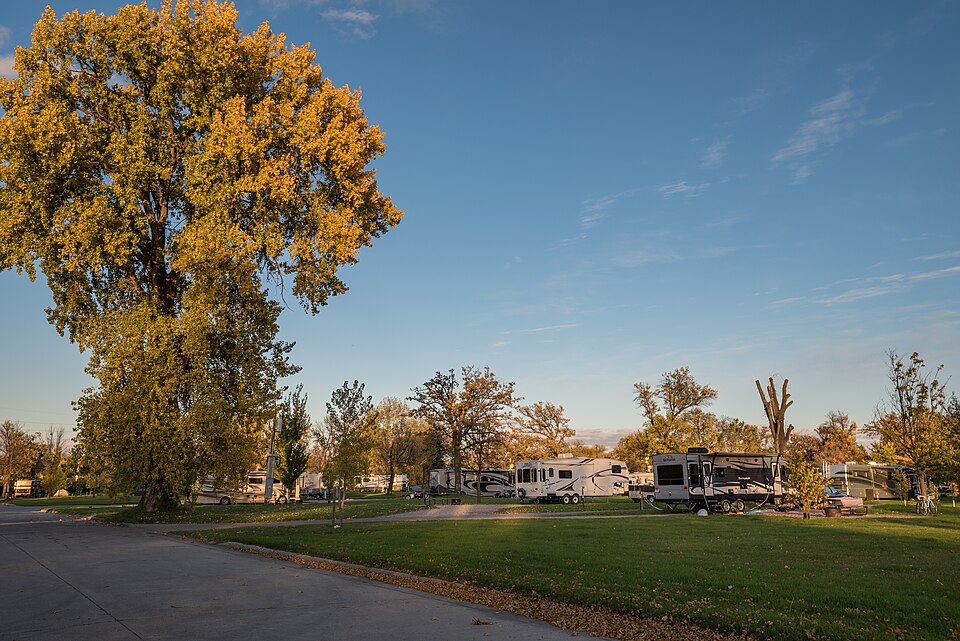
Day 3: Choose a River Trip or a Slower Wildlife Day
Use your third day for an experience that feels different from hiking. A guided Snake River scenic float offers a river-level view of the valley, while a whitewater outing south of Jackson emphasizes rapids and active participation. Book the type of trip that suits your group, and confirm meeting location, transportation, age requirements, equipment, and weather policies. Do not assume that every river departure starts near your hotel.
If you prefer land, build a relaxed morning around established wildlife-viewing pullouts and the Mormon Row Historic District, checking access first. Wildlife sightings are unpredictable, so value the scenery and history even when animals remain out of view. Spend the afternoon in Jackson or at the National Museum of Wildlife Art. This is also your weather-swapping day: if Day 2 was stormy, move the main hike here and substitute indoor activities for the wetter period.
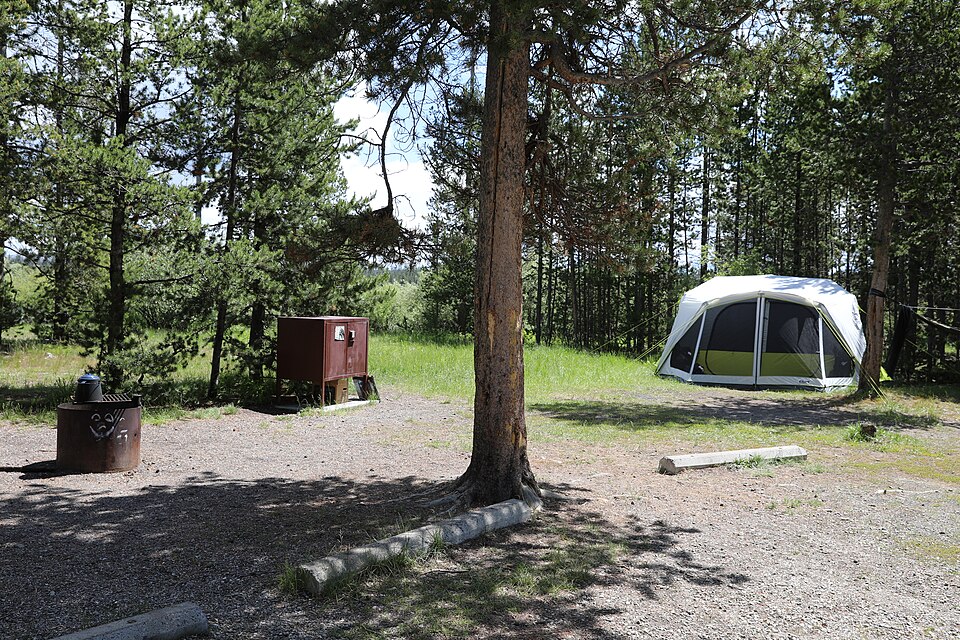
Day 4: Add Another Landscape Without Rushing
For a fourth day, return to Grand Teton with a different focus rather than repeating the busiest stops. Explore the Jackson Lake area, walk a suitable lakeshore section, or spend time around Colter Bay when facilities and trails are open. The northern part of the park rewards unhurried stops, and it helps to pack lunch instead of making every meal depend on seasonal services.
Another option is Teton Village for mountain sightseeing, subject to lift operations and weather. Choose this if your group wants a change of setting with less driving through the park. Avoid treating Yellowstone as a quick add-on before an afternoon flight; its distances and sightseeing needs deserve separate planning. On departure day, leave a generous buffer for packing, returning equipment, road delays, and airport procedures. If you have only two days, keep Days 1 and 2 rather than squeezing all four days into a rushed circuit.
Booking, Transportation, and Seasonal Adjustments
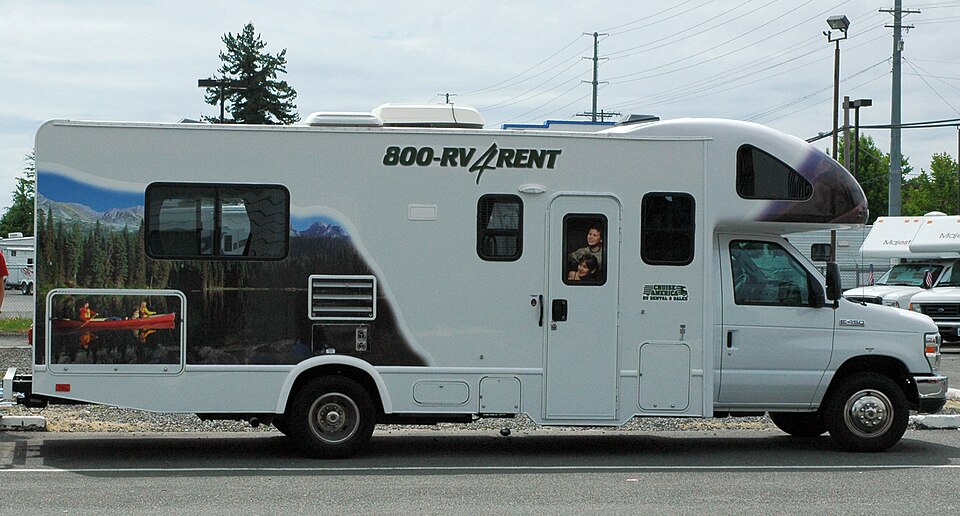
A vehicle is useful for this itinerary because park viewpoints and trailheads are spread out. Jackson and Teton Village have transit connections, but local buses are not a substitute for comprehensive transportation to every park stop. Check current routes if you want a lower-driving trip, and arrange any necessary tours or transfers before arrival. Choose lodging based on your main activities rather than assuming all valley addresses are equally convenient.
Reserve accommodations first, followed by essential guided trips, rentals, and any campground stays. Budget for lodging, food, transportation, park entry, and paid activities; summer and ski-season costs can be substantial. Consult the official Grand Teton National Park website for current conditions and reservation requirements. In spring, replace snowbound hikes with accessible valley outings. In winter, rebuild the plan around skiing or other snow activities rather than following this summer driving route through seasonal closures.

More ways to book Jackson Hole
 Illustrative · Diego Angel
Sprinter Adventure Van
Small enough to park at the trailhead, comfy enough to sleep in.
$189/day (estimate)
Direct link · RVshare