
Covering more than a million acres across the rugged ridges of Virginia and West Virginia, the George Washington National Forest is a premier destination for outdoor enthusiasts. Whether you are looking to conquer high-altitude peaks, explore subterranean wonders, or simply enjoy a quiet afternoon by a mountain stream, the forest offers an incredible diversity of landscapes. This guide highlights the essential experiences that define a trip to this historic Appalachian wilderness.
Hiking the Rugged Ridges
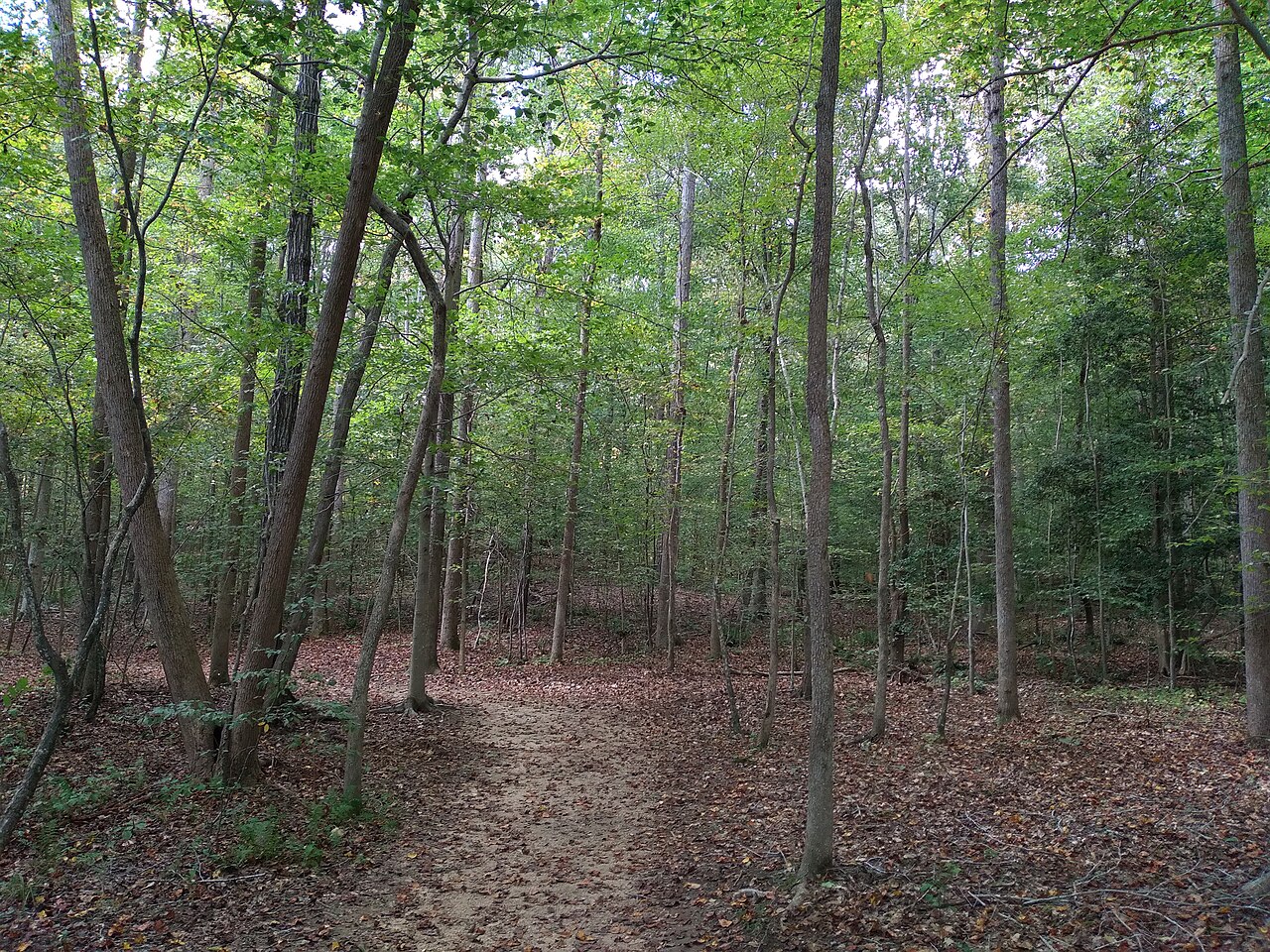
Hiking is the heartbeat of the forest, with hundreds of miles of trails ranging from gentle valley walks to strenuous ridge climbs. A significant portion of the Appalachian Trail winds through these woods, offering hikers a chance to step onto one of the world's most famous long-distance paths. For those seeking panoramic views, a hike to the summit of High Knob or the rocky outcrops of Big Schloss provides breathtaking vistas of the surrounding mountain ranges.
The terrain is characterized by its 'ridge and valley' structure, meaning many trails involve steep ascents followed by rewarding walks along high, narrow spines of rock. Always carry a detailed map, as the vastness of the forest can be disorienting, and trail markings may vary in clarity. For a more secluded experience, explore the trails within the designated wilderness areas, where the lack of mechanized noise allows for a deep immersion in nature. Remember to pack plenty of water, as ridgeline springs can be unreliable during the drier months.
Scenic Drives and Overlooks
For those who prefer to see the sights from the comfort of their vehicle, the forest is home to some of the most scenic mountain roads in the Eastern United States. The drive up to Reddish Knob, one of the highest points in Virginia, offers a 360-degree view of the Shenandoah Valley to the east and the Allegheny Mountains to the west. The road winds through dense hardwoods and past sheer rock faces, providing numerous pull-offs for photography or a quick picnic.
State Route 39, known as the Maury River Scenic Byway, is another excellent route that follows the path of the water through deep gorges and lush forests. Along these drives, keep an eye out for the historic iron furnaces and stone structures that hint at the region's industrial past. These roads are particularly stunning during the autumn months when the foliage turns the mountainside into a vibrant mosaic of color. Always check for seasonal road closures, especially during the winter months when ice can make high-altitude driving hazardous.
Water Adventures and Fishing
The George Washington National Forest is crisscrossed by pristine mountain streams and dotted with peaceful lakes, making it a haven for water lovers. Sherando Lake, often referred to as the 'Jewel of the Blue Ridge,' features a sandy beach and designated swimming areas that are perfect for families. The surrounding recreation area offers plenty of space for picnicking and light hiking around the water's edge.
Anglers will find ample opportunities to cast a line for native brook trout in the cold, clear headwaters of the forest's many creeks. The James and Shenandoah Rivers also offer sections suitable for kayaking, canoeing, and inner-tubing, providing a different perspective of the forest from the valley floor. Fishing in the forest requires a valid Virginia fishing license and occasionally a national forest stamp, so be sure to secure the proper permits before heading out. Whether you are looking for a challenging day of fly fishing or a lazy afternoon floating downstream, the forest's water features are a refreshing centerpiece of the landscape.
Wildlife Viewing and Nature Study
The diverse ecosystems within the forest support a wide array of wildlife, providing endless opportunities for nature study and birdwatching. As you move through different elevations, you may encounter white-tailed deer, wild turkeys, and even the occasional black bear. The forest is also a critical habitat for various migratory birds; spring and fall are excellent times to spot warblers, hawks, and eagles as they move along the Appalachian flyway.
For those interested in geology, the forest's limestone formations are a highlight. The region is famous for its 'karst' topography, which includes sinkholes, springs, and impressive limestone caves. While some caves are managed for conservation and require special access, the visible rock layers along road cuts and hiking trails offer a fascinating look at millions of years of geological history. Bring a pair of binoculars and a field guide to help identify the many species of trees and plants, from the towering hemlocks in the deep hollows to the stunted oaks on the windswept ridges.
Family Activities and Rainy Day Options
Visiting with children is a rewarding experience, as many of the forest's recreation areas are designed with families in mind. Short, educational nature trails near visitor centers provide a great introduction to the local environment without being too taxing for little legs. On days when the weather doesn't cooperate for outdoor hiking, the gateway cities of Harrisonburg, Staunton, and Lexington offer charming indoor alternatives.
You can explore local history museums, visit a frontier culture center, or browse unique shops and galleries that showcase Appalachian crafts. These towns also provide a variety of dining options, from cozy cafes to historic taverns, perfect for refueling after a morning of exploration. Additionally, several commercial caverns are located just outside the forest boundaries; these subterranean wonders remain at a constant temperature year-round, making them an ideal rainy-day activity for visitors of all ages. Always check the official park website for current conditions and event schedules to make the most of your family trip.