
For those who love the idea of the great outdoors but prefer a comfortable mattress and a warm shower to a sleeping bag, glamping near George Washington National Forest offers the perfect compromise. This region of the Appalachian Mountains has seen a rise in elevated outdoor accommodations, allowing visitors to immerse themselves in the forest's rugged beauty without sacrificing modern comforts. From safari-style tents to cozy mountain yurts, the area surrounding the forest is a premier destination for luxury nature stays.
What Glamping Looks Like Here
Glamping in the Virginia mountains typically takes the form of well-appointed canvas wall tents, geodesic domes, or refurbished vintage trailers situated on private land bordering the national forest. These sites often feature 'real' beds with high-quality linens, wood-burning stoves for chilly mountain nights, and private decks that offer unobstructed views of the Blue Ridge ridges. Many hosts provide additional touches like locally roasted coffee, artisanal breakfast baskets, and pre-chopped firewood.
The goal of glamping here is to provide a seamless connection to nature. You might wake up to the sound of songbirds and the smell of pine, but instead of crawling out of a cramped tent, you can step onto a wooden porch to watch the mist rise off the valleys. It is an ideal option for couples seeking a romantic getaway or for families who want to experience the wilderness without the logistical challenges of traditional camping gear. Prices vary based on the level of luxury, but you can expect a unique, curated experience that highlights the local landscape.
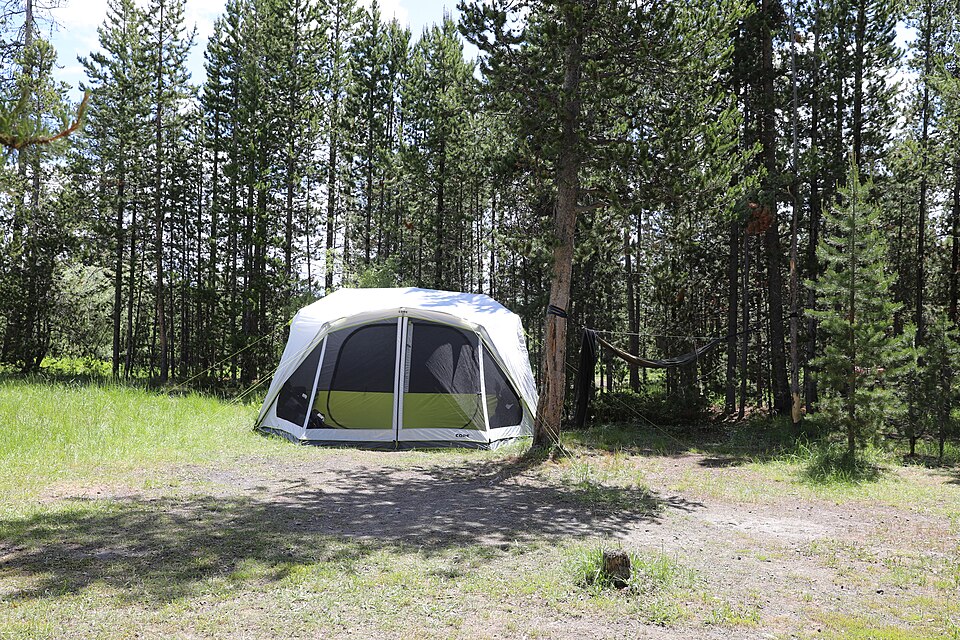
Where to sleep
RV parks near George Washington National Forest on RoverPass
Partner link · RoverPass
Top Gateway Areas for Luxury Stays
The best glamping opportunities are usually found just outside the forest boundaries in the scenic areas surrounding Harrisonburg, Staunton, and Lexington. The Shenandoah Valley, which sits between the George Washington National Forest and Shenandoah National Park, is a hotspot for these types of accommodations. In the countryside near Staunton, you might find yurts tucked into rolling hills with views of the distant mountain peaks.
Near Harrisonburg, several properties offer luxury tent setups that provide easy access to the forest's North River Ranger District. Staying in these gateway areas allows you to enjoy the solitude of the mountains during the day while being close enough to town to enjoy a gourmet dinner or visit a local brewery in the evening. Some glamping sites are even located on working farms or vineyards, adding an extra layer of Virginian charm to your stay. Always research the specific location to ensure it aligns with the hiking trails or scenic drives you plan to visit, as the forest is vast and driving times can add up.
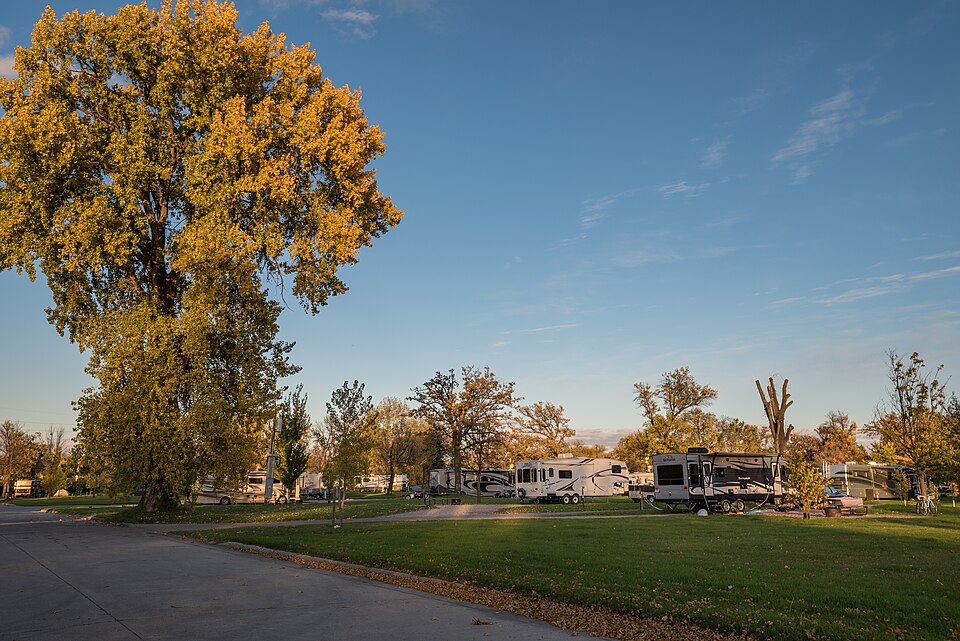
Where to sleep
Campsites near George Washington National Forest on Campspot
Partner link · Campspot
Glamping vs. Traditional Camping
Choosing between glamping and traditional camping depends entirely on the type of experience you desire. Traditional camping in the national forestâwhether in a developed campground like Todd Lake or a primitive backcountry spotâis about self-reliance and simplicity. It is the more budget-friendly option and puts you directly inside the forest boundaries, often right at the trailhead. However, it requires significant gear, including tents, sleeping pads, and cooking equipment.
Glamping, on the other hand, removes the 'work' of camping. You don't have to worry about setting up a tent in the rain or sleeping on uneven ground. While the cost is higherâcloser to a hotel stayâthe convenience is unmatched for those with limited time or gear. Glamping also extends the 'camping' season; many luxury tents and yurts are equipped with heaters or heavy insulation, making a stay in the late fall or early spring much more comfortable than it would be in a standard nylon tent. It is the perfect choice for those who want the sights and sounds of the forest with the amenities of a boutique hotel.
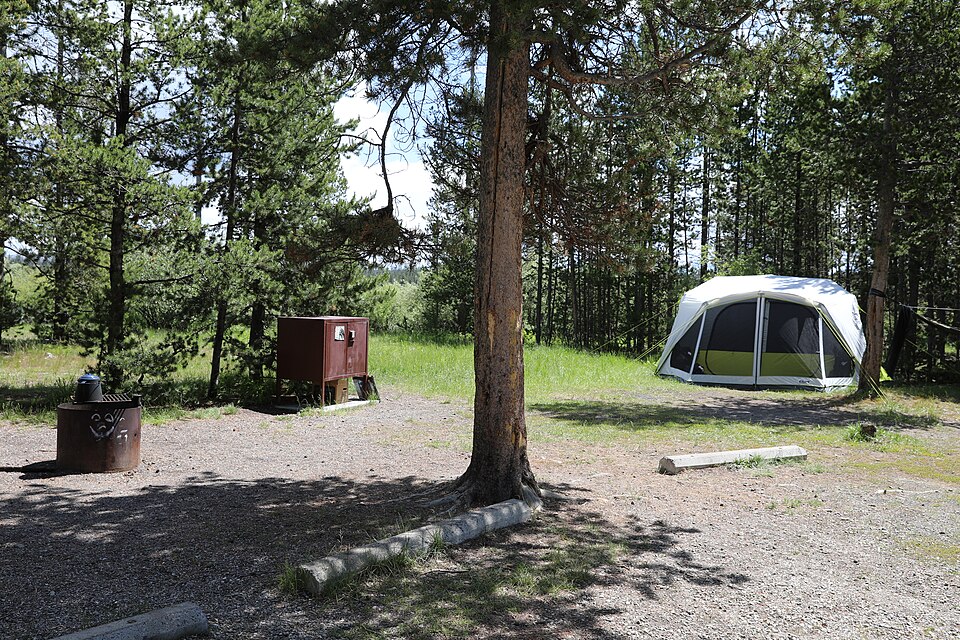
Where to sleep
Harvest Hosts stays on the way to George Washington National Forest
Partner link · Harvest Hosts
RV Travel and Road Trip Comfort
For many visitors, RVing is the ultimate middle ground between camping and glamping. The George Washington National Forest has several campgrounds designed to accommodate RVs, offering a level of comfort that exceeds a tent while still being budget-conscious. While many forest sites do not offer full hookups (water, sewer, and electricity), they provide a stable, hard-sided shelter and the ability to bring your own kitchen and bathroom.
If you are on an RV road trip, you can enjoy the flexibility of moving between different areas of the forest, from the northern ridges to the southern gorges. However, be mindful that mountain roads can be narrow, and some campgrounds have strict length limits. For those who don't own an RV, there are local rental services that will deliver and set up a travel trailer at a specific site for you, providing a 'stationary' glamping experience. This is a great way to enjoy the forest's many RV-friendly spots without the stress of driving a large vehicle through mountain passes.
Best Seasons for a Luxury Stay
While the forest is beautiful year-round, the best time for glamping is during the shoulder seasons of spring and fall. April through June offers the freshest greenery and blooming wildflowers, while September through November provides the iconic autumn foliage and crisp, cool air that is perfect for sitting by a fire pit. Summer is also popular, though you'll want to ensure your glamping site offers good ventilation or fans, as the valley humidity can sometimes reach the higher elevations.
Winter glamping is becoming more common in the area, particularly in hard-sided structures like yurts or small cabins that can withstand the snow. There is something incredibly peaceful about watching a snowfall through a large window while staying warm inside. Regardless of when you go, it is essential to check the official Forest Service site for any seasonal alerts that might affect your travel, such as road closures or nearby trail maintenance. Booking your glamping site early is highly recommended, as these unique properties often fill up months in advance, especially for peak foliage weekends in October.