
Tucked away in the Appalachian Mountains, George Washington National Forest offers a vast landscape of ridges, valleys, and hidden wonders. This three-day itinerary is designed to help you experience the highlights of the forest, from its highest peaks to its most serene waters, while using the convenient gateway cities for supplies and rest. Whether you are arriving via Shenandoah Valley Regional Airport or driving in from the coast, this plan balances adventure with the natural tranquility of the Blue Ridge.
Day 1: Arrival and High Mountain Vistas
Begin your journey by arriving at Shenandoah Valley Regional Airport (SHD). From the airport, it is a scenic 40-minute drive of approximately 24 miles to the heart of the forest. Your first stop should be the historic town of Harrisonburg to pick up supplies, local maps, and a picnic lunch. Head west into the forest toward Reddish Knob, one of the highest points in Virginia. The drive to the summit is paved but winding, leading you to a stunning 360-degree overlook.
Spend your afternoon taking in the views and exploring the nearby trails that trace the ridge between Virginia and West Virginia. This area is perfect for getting your bearings and witnessing the scale of the forest. As evening approaches, head to your chosen campsite or lodging in the North River Ranger District. If you have time, stop by a local stream to watch the sunset reflect off the water before settling in for a quiet night under the stars.
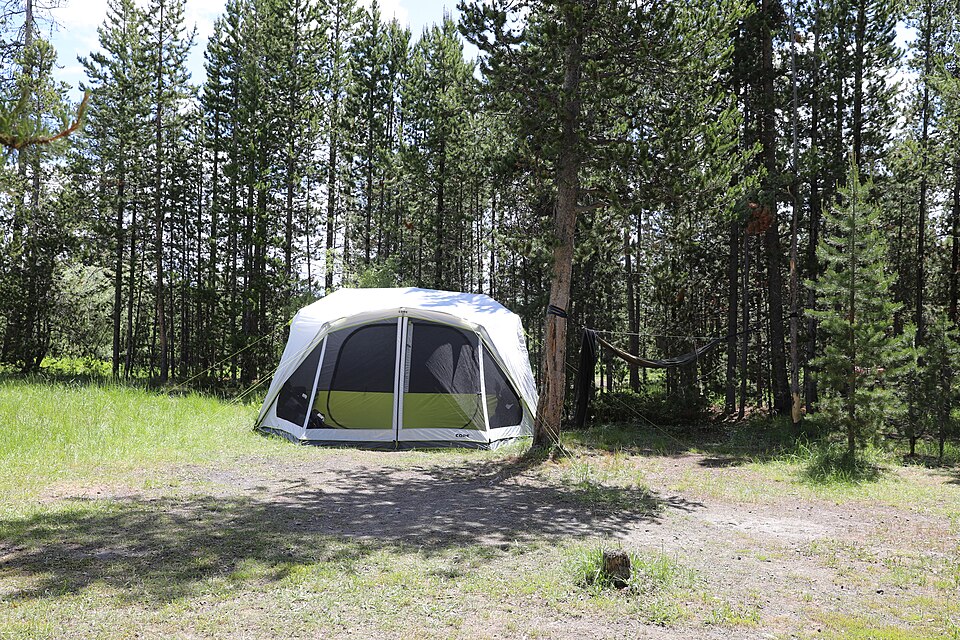
Where to sleep
RV parks near George Washington National Forest on RoverPass
Partner link · RoverPass
Day 2: Lakes, Waterfalls, and Deep Woods
Dedicate your second day to the water features and lush valleys of the forest. Start early and head south toward the Sherando Lake Recreation Area. Known locally as the 'Jewel of the Blue Ridge,' this area offers a beautiful setting for a morning swim or a relaxing walk around the lakeshore. There are several well-marked trails nearby, such as the Blue Loop, which provides gentle terrain suitable for all skill levels.
After a morning by the lake, drive toward the Saint Mary's Wilderness. Here, you can hike along the Saint Mary's River to discover hidden waterfalls and deep swimming holes carved into the rock. The trail can be rocky and requires several stream crossings, so wear sturdy footwear. This area feels truly wild and offers a great contrast to the more developed recreation sites. In the late afternoon, make your way toward the town of Staunton for a hearty dinner at one of the local farm-to-table restaurants before returning to the forest for the night.
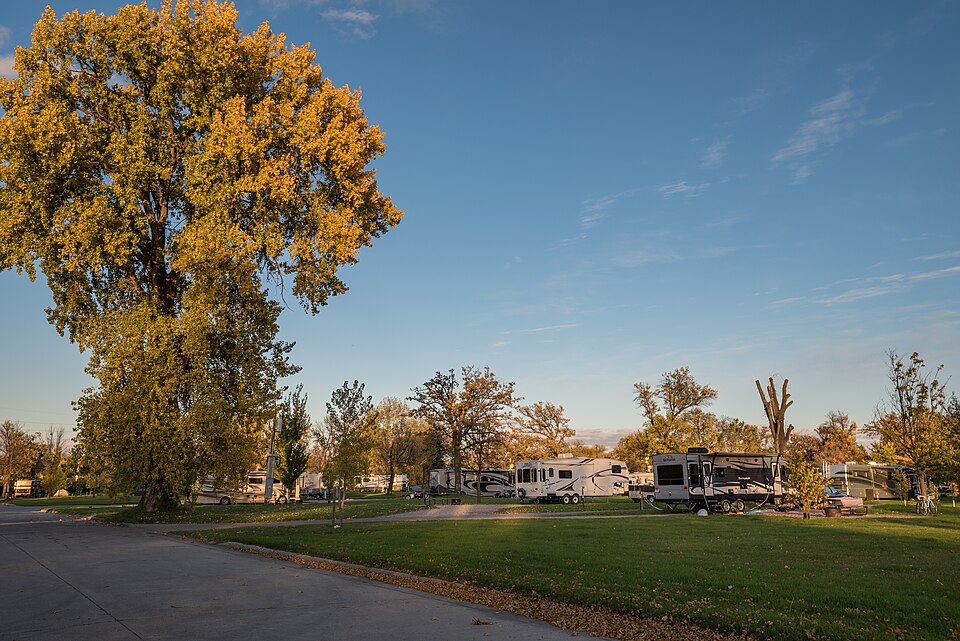
Where to sleep
Campsites near George Washington National Forest on Campspot
Partner link · Campspot
Day 3: Historic Trails and Scenic Byways
On your final day, explore the southern reaches of the forest near Lexington. Start with a hike up to Big Schloss or Tibbet Knob in the Wolf Gap area. These trails offer some of the most iconic rocky outcrops and panoramic views in the entire forest. The hike to Big Schloss is moderately strenuous but rewards you with a narrow bridge across a rocky chasm and vistas that seem to go on forever.
After your hike, take a leisurely drive along the Maury River Scenic Byway (State Route 39). This route follows the river through Goshen Pass, a dramatic water-carved gorge with steep rock walls and rushing rapids. There are plenty of spots to pull over and enjoy the scenery or take a final short walk along the water. As your trip comes to a close, head back toward the airport or your next destination, perhaps stopping in Lexington to see the historic architecture and grab a final souvenir of your Appalachian adventure.
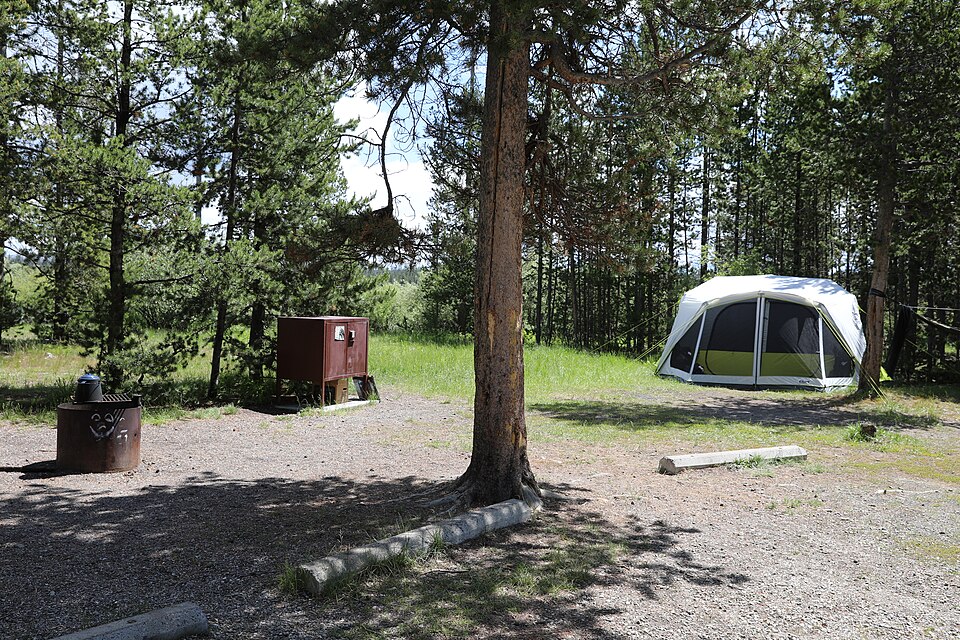
Where to sleep
Harvest Hosts stays on the way to George Washington National Forest
Partner link · Harvest Hosts
Travel Tips and Essential Gear
To ensure a smooth trip, keep a few logistical tips in mind. Cell service is notoriously spotty or non-existent within the forest, so download offline maps and carry a physical guidebook. Weather in the mountains can be unpredictable; even in summer, a sudden rainstorm can drop temperatures quickly, so always carry a lightweight rain jacket and extra layers. Sturdy, broken-in hiking boots are a must, as the limestone and sandstone trails can be quite taxing on the feet.
If you plan to use an RV, be aware that some forest roads are narrow and steep with sharp switchbacks. Check the official Forest Service website for vehicle length recommendations for specific campgrounds. Lastly, always practice Leave No Trace principlesâpack out everything you pack in to help preserve the pristine nature of the wilderness for future visitors. A small emergency kit, extra water, and a high-protein snack should be in your daypack for every hike, regardless of the distance.
Budgeting and Reservations
Planning your budget for a 2-4 day trip is relatively straightforward. While there is no general entrance fee for the George Washington National Forest, you should account for small day-use fees at places like Sherando Lake. A daily budget of approximately $115 per person generally covers fuel, campsite fees, groceries, and a few meals in the gateway cities. This estimate can vary depending on whether you choose primitive camping or more developed lodging options.
Reservations for popular campgrounds, especially during the peak fall foliage season or summer holiday weekends, should be made several months in advance through the official federal reservation portal. If you prefer a more spontaneous trip, look for 'dispersed camping' areas where you can set up camp for free in designated sections of the forest, though these lack amenities like water and toilets. Checking the official Forest Service site for current alerts, fire bans, and trail conditions is the final essential step before you set out on your journey.

More ways to book George Washington National Forest
 Illustrative · Diego Angel
Sprinter Adventure Van
Small enough to park at the trailhead, comfy enough to sleep in.
$189/day (estimate)
Direct link · RVshare