
The George Washington National Forest is a vast expanse of Appalachian beauty that transforms dramatically with the turning of the calendar. While the forest is open year-round, the experience shifts from the lush greenery of spring to the vibrant, fiery hues of autumn. Understanding the nuances of Virginia's mountain weather and the timing of peak crowds is essential for planning a successful trip into these rugged ridges and deep limestone valleys.
Spring Blooms and Rushing Waters
Spring, particularly from April through June, is widely considered the best time to visit George Washington National Forest for those who enjoy moderate temperatures and active wildlife. As the mountain laurel and rhododendrons begin to bloom, the forest floor awakens with wildflowers like trillium and wild columbine. This is the peak season for photographers and nature observers who wish to see the landscape at its most vibrant.
During these months, daytime temperatures typically hover in the comfortable 60s and 70s, though evenings can remain quite brisk at higher elevations like Reddish Knob. The spring runoff also ensures that the forest's many streams and hidden waterfalls are flowing at their maximum capacity, providing excellent conditions for fly fishing or simply enjoying the sound of rushing water. Be prepared for occasional rain showers, which are common in the Blue Ridge during the transition from winter to summer. It is always wise to pack layers and waterproof gear.
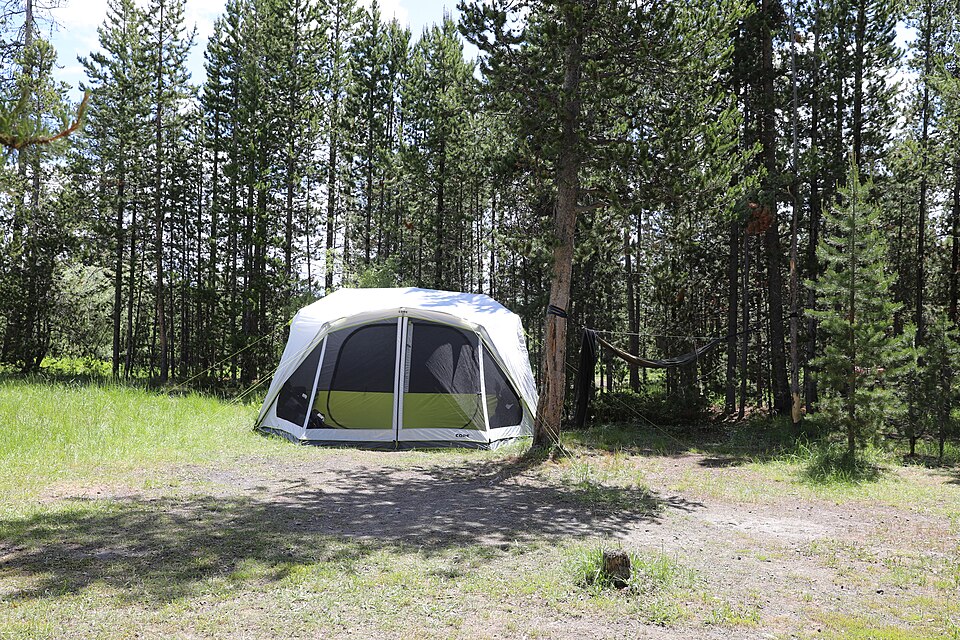
Lock in a stay for this season
RV parks near George Washington National Forest on RoverPass
Partner link · RoverPass
Summer Highs and Mountain Escapes
Summer in the George Washington National Forest offers a cool respite from the humidity found in Virginia's coastal plains and urban centers. July and August bring the warmest weather, but the dense tree canopy and higher altitudes keep the trails significantly cooler than the surrounding valley floors. This is the prime season for water-based activities, such as swimming in Sherando Lake or paddling along the gentle stretches of the James River that wind through the forest boundaries.
However, summer is also the busiest time for family campers and RV travelers. Popular sites often fill up quickly, and popular trailheads may see increased foot traffic on weekends. Despite the popularity, the sheer scale of the forestâover a million acresâmeans you can still find solitude if you venture onto the lesser-known backcountry trails. Afternoon thunderstorms are a frequent occurrence in the Appalachian summer, so hikers should aim to reach summits early in the day to avoid potential lightning risks.
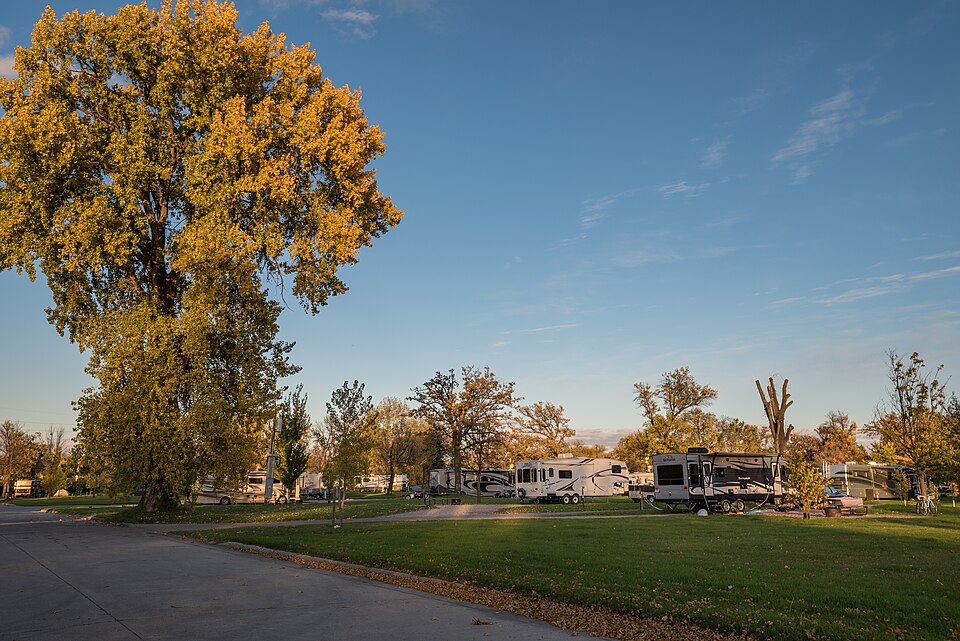
Lock in a stay for this season
Campsites near George Washington National Forest on Campspot
Partner link · Campspot
The Magic of Fall Foliage
Fall is arguably the most spectacular season in the George Washington National Forest. From late September through early November, the ridges turn into a tapestry of gold, orange, and deep crimson as the hardwoods prepare for winter. The air becomes crisp and dry, creating the most stable hiking conditions of the year. Visibility from overlooks along the Ridge and Valley province is often at its peak, offering views that stretch for miles into the Shenandoah Valley and West Virginia.
Crowds tend to peak in mid-October when the foliage is at its most vibrant, particularly near gateway cities like Harrisonburg and Staunton. If you plan to visit during this window, it is highly recommended to check the official NPS or Forest Service sites for current foliage reports and to secure any necessary reservations well in advance. The cool nights are perfect for campfires, but be mindful of seasonal fire restrictions that may be in place if the autumn has been particularly dry.
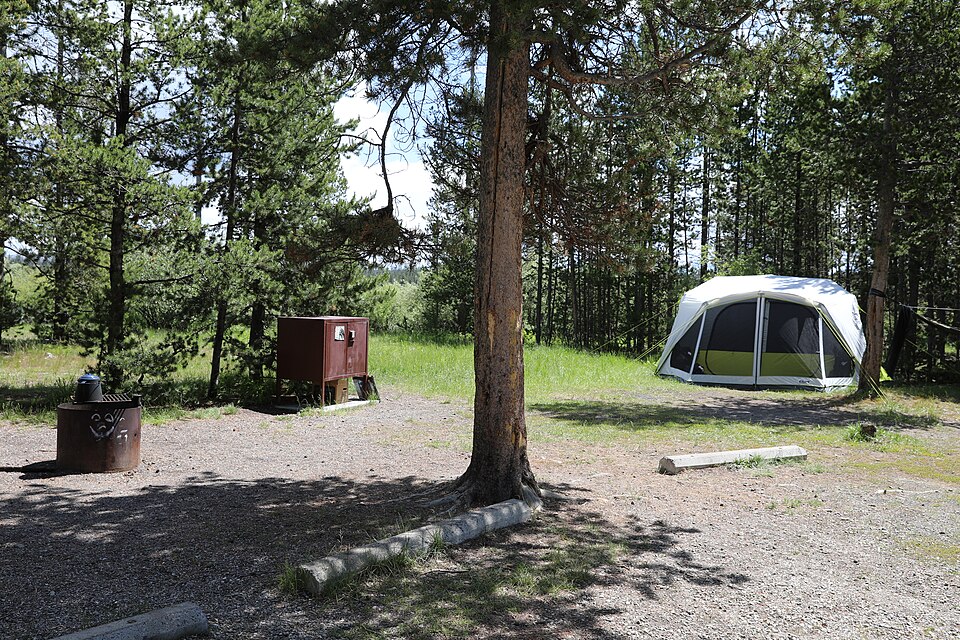
Lock in a stay for this season
Harvest Hosts stays on the way to George Washington National Forest
Partner link · Harvest Hosts
Winter Solitude and Stark Beauty
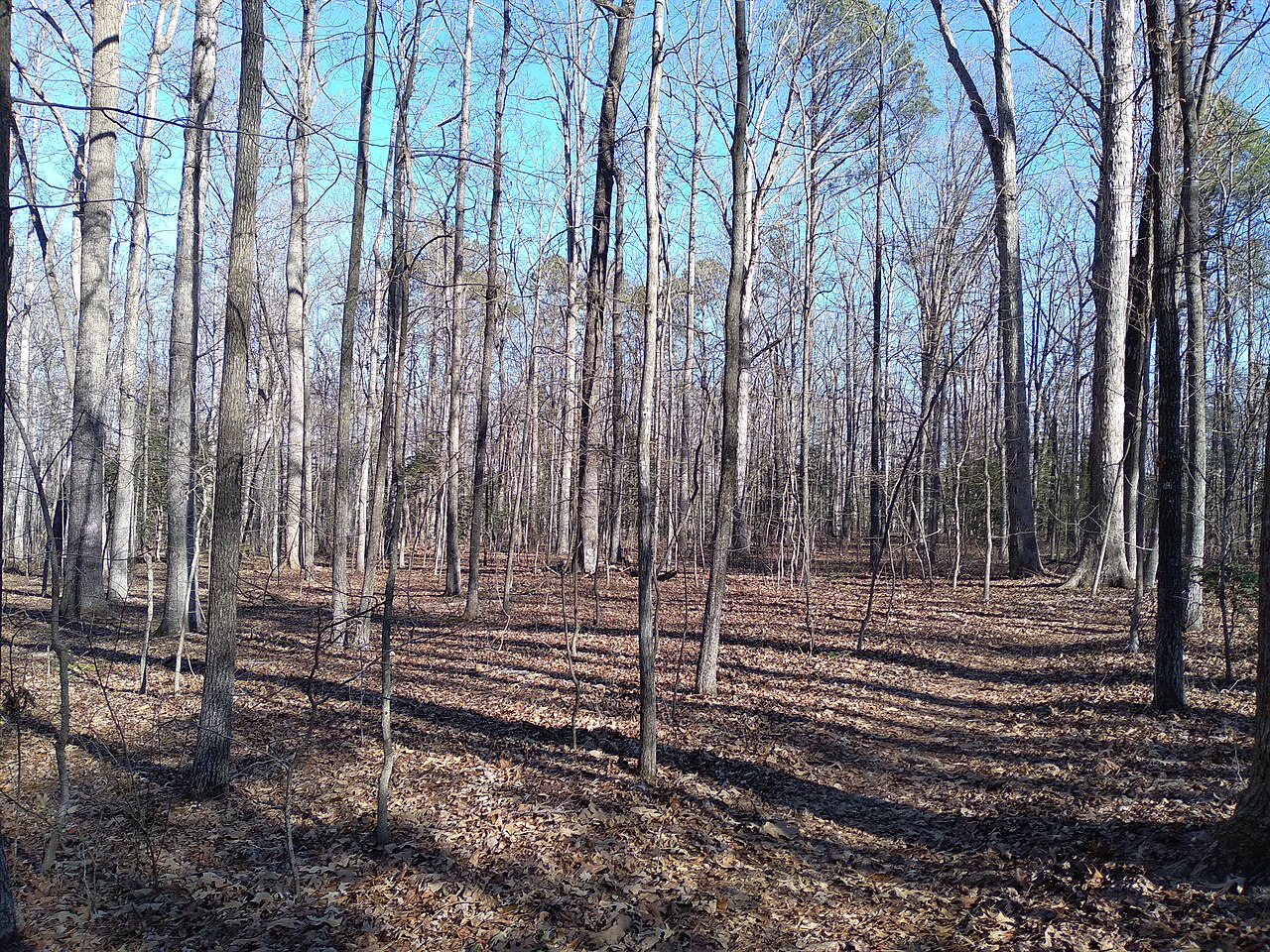
Winter offers a completely different perspective on the Appalachian wilderness. From December through March, the forest sheds its leaves, revealing the intricate limestone geology and rugged rock formations that are often hidden during the warmer months. While some secondary forest roads may close due to snow or ice, the main access points remain open for those seeking quietude and a true sense of isolation.
Daytime temperatures can range from freezing to the mid-40s, and snow is common at higher elevations. This is the season for experienced hikers who enjoy the challenge of cold-weather trekking and the rewards of unobstructed views. The lack of foliage means you can see much further through the woods, making it an excellent time for spotting hardy wildlife like white-tailed deer or soaring birds of prey. Ensure your vehicle is equipped for mountain winter driving, as conditions can change rapidly when moving from the valley floor to the high mountain passes.
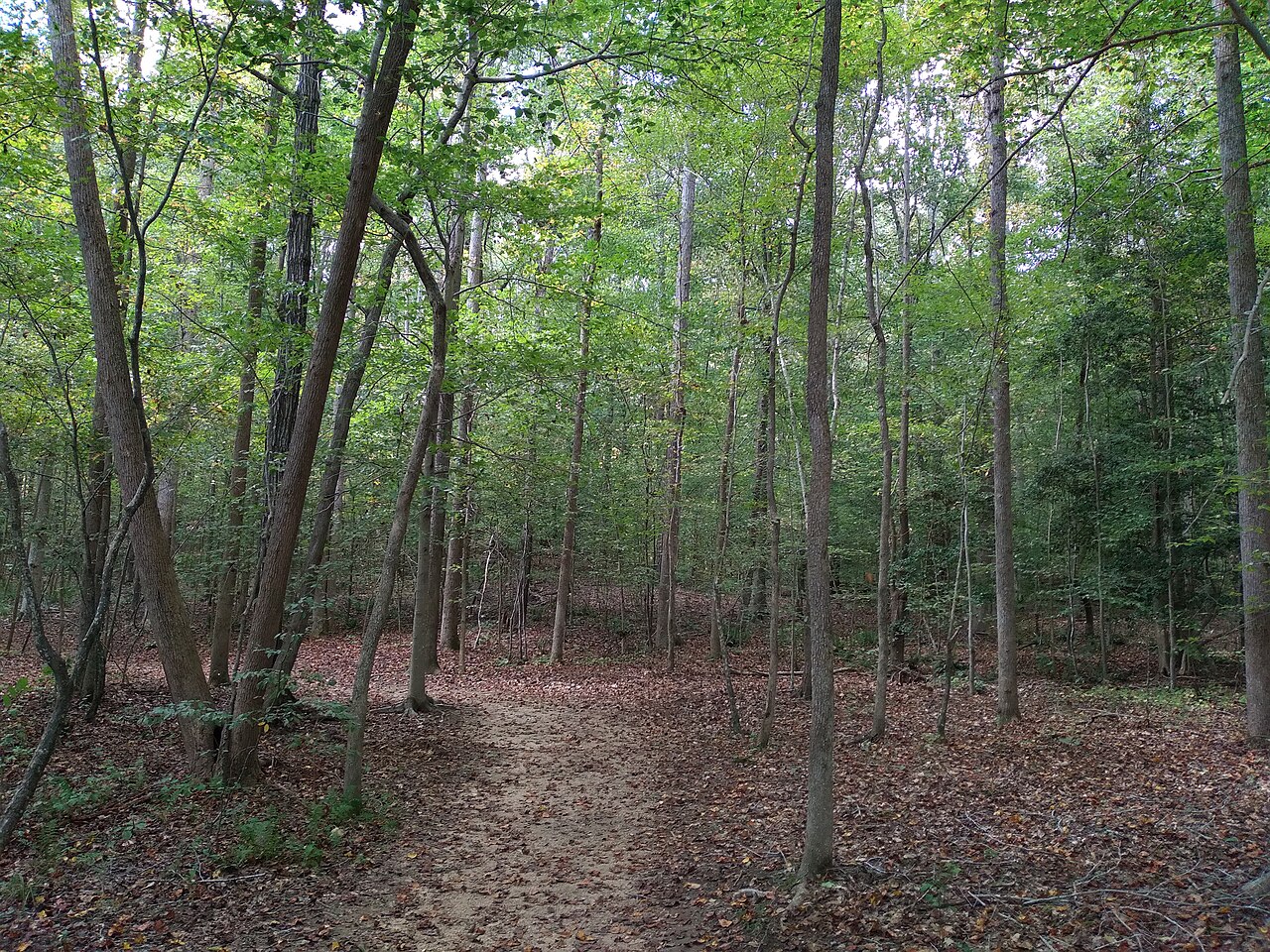
Navigating Crowds and Reservations
To make the most of your visit, timing your arrival is just as important as choosing the season. Weekends from May through October are the most popular, so if your schedule allows, a mid-week trip will offer significantly more privacy at overlooks and trailheads. Many of the developed campgrounds operate on a first-come, first-served basis, but the most popular spots near water features or major trail systems do take reservations through federal booking platforms.
Always check the official Forest Service website before you depart for the latest information on road closures, prescribed burns, or temporary trail maintenance. While the forest does not require a general entrance fee like a National Park, certain recreation areas may have day-use fees for parking or facility access. By planning ahead and arriving early in the morning, you can enjoy the serenity of the Blue Ridge Mountains without the pressure of large crowds, ensuring a peaceful connection with the great outdoors.
More ways to book George Washington National Forest
 Illustrative · OSU Special Collections & Archives : Commons
Massanutten Mountain Biking
One of the classic ways to experience George Washington National Forest.
Varies (estimate)
Partner link · Viator