
Gates of the Arctic National Park is a place where the concept of 'things to do' revolves entirely around self-reliance and immersion in a vast, roadless wilderness. There are no paved roads, no visitor centers with gift shops, and no maintained trails within the park boundaries. Instead, visitors find a landscape of staggering scale where they can forge their own paths across the tundra. Whether you are an experienced mountaineer or a backcountry paddler, the park offers a raw connection to nature that is increasingly rare in the modern world.
Backpacking and Cross-Country Hiking
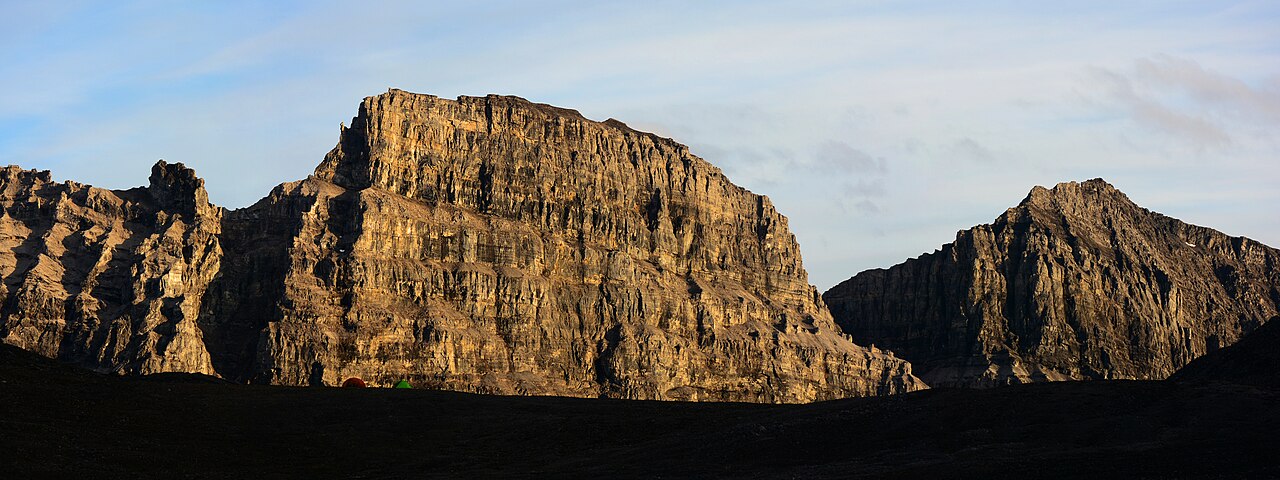
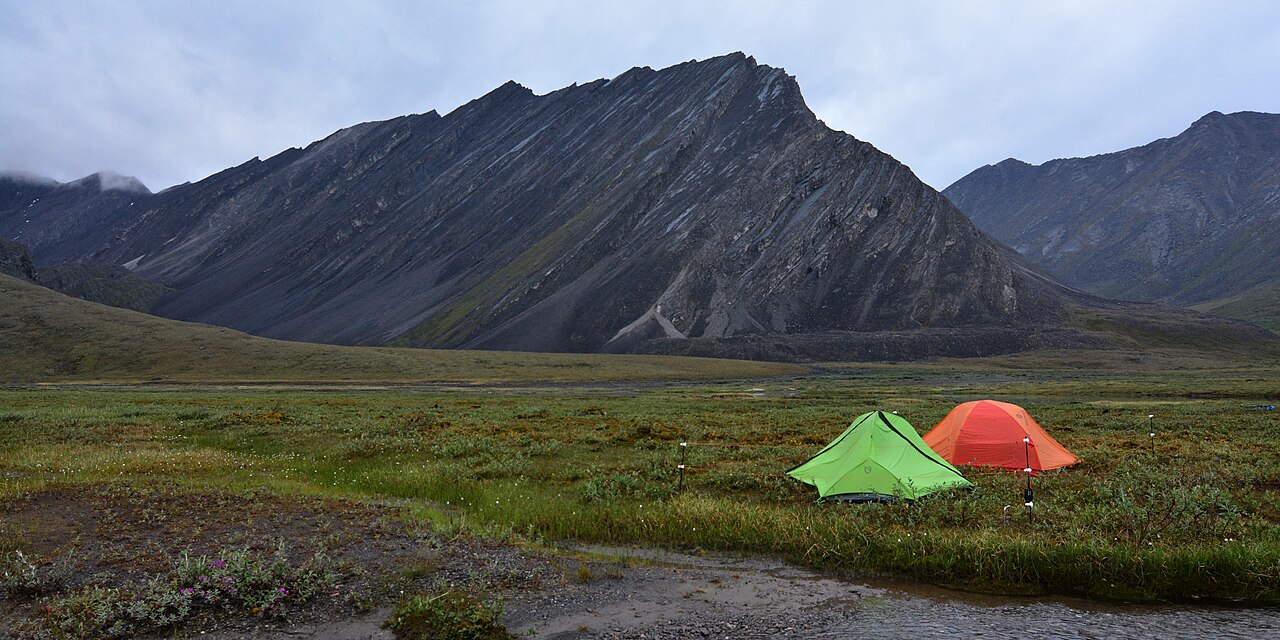
Hiking in Gates of the Arctic is a true off-trail experience. Without maintained paths, backpackers must navigate using topographic maps and GPS, finding their own way through brush, over mountain passes, and across squishy muskeg. One of the most iconic destinations is the Arrigetch Peaks, a cluster of jagged granite spires that rise dramatically from the valley floor. The hike into this area is strenuous and requires navigating steep talus slopes, but the views of the 'fingers outstretched' rock formations are unparalleled.
Another popular trekking route involves crossing the Continental Divide. Hikers can start in one drainage and work their way over high passes to emerge in another river system. This type of travel requires a high level of fitness and outdoor skill, as the terrain is often uneven and physically demanding. When planning your route, it is important to remember that progress is much slower here than on a groomed trail; most hikers find that five to seven miles a day is a productive pace given the thick vegetation and creek crossings.
Floating the Arctic Rivers
For many, the best way to see the park is by water. Several Wild and Scenic Rivers flow through the heart of the Brooks Range, including the Noatak, Kobuk, Alatna, and John Rivers. A float trip allows you to cover more distance with less physical strain than backpacking while providing a front-row seat to the changing scenery. The Noatak River is a favorite for its long, relatively gentle stretches that wind through expansive valleys, making it ideal for multi-day canoe or inflatable kayak expeditions.
The Alatna River is another gem, known for its clear water and the spectacular backdrop of the Endicott Mountains. Rafters often fly into Circle Lake or Takahula Lake to begin their journey. While some sections of these rivers offer calm floating, others can feature technical rapids or sweepers (fallen trees) that require experienced paddling skills. River travelers must also be prepared for fluctuating water levels, which can rise rapidly after a heavy rain in the mountains, potentially stranding groups on gravel bars or making river crossings dangerous.
Wildlife Viewing and Birding
Gates of the Arctic is a vital sanctuary for arctic wildlife. The park is home to the Western Arctic Caribou Herd, and if your timing coincides with their migration, you might witness thousands of animals moving across the landscape. Seeing these herds navigate the mountain passes is a powerful reminder of the ancient rhythms of the North. In addition to caribou, the park supports populations of grizzly bears, wolves, wolverines, and Dall sheep. Observing these animals in a habitat without human interference is a highlight for many visitors.
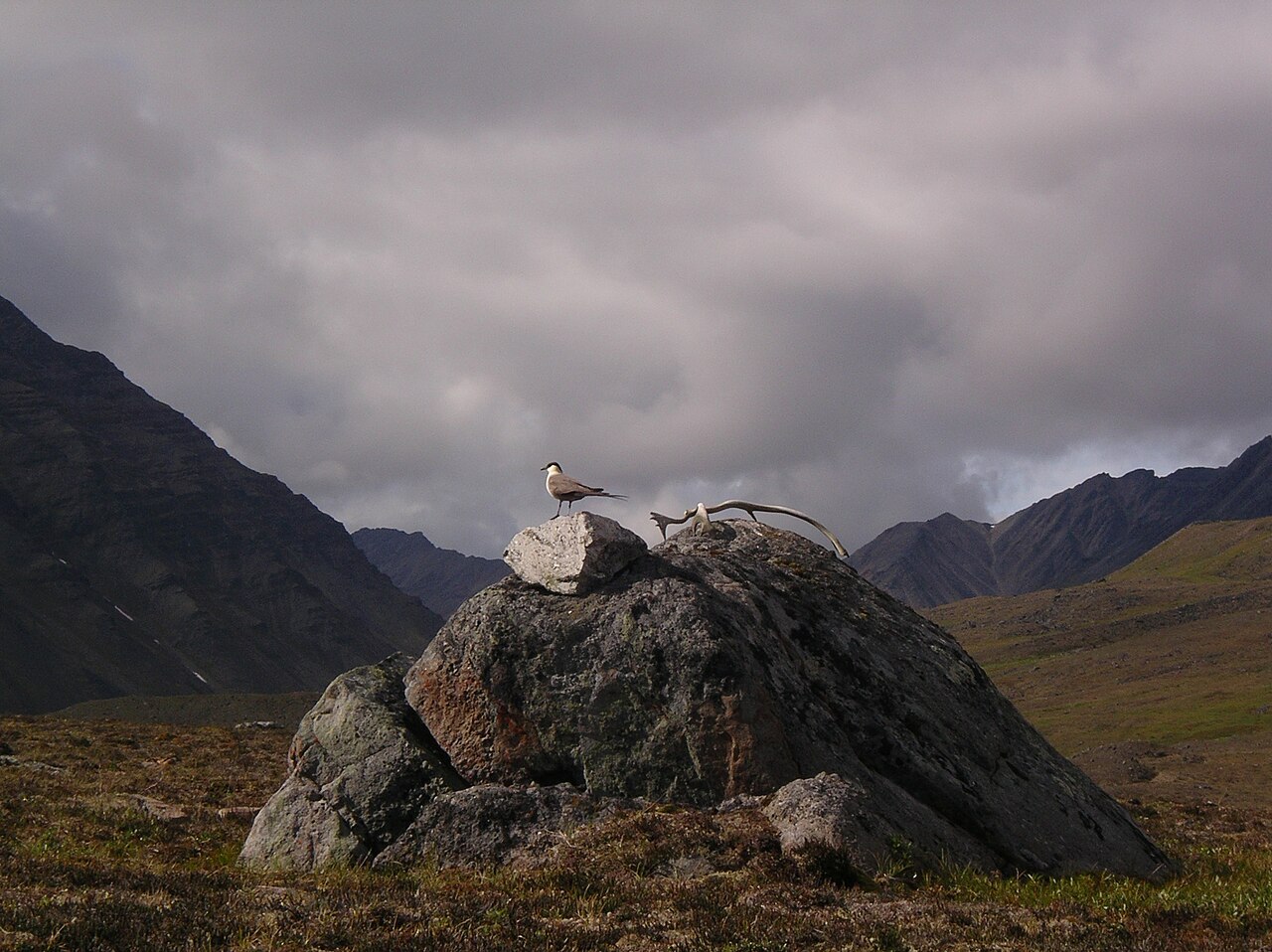
Birdwatchers will also find the park rewarding during the summer months. Migratory birds travel from all over the world to breed in the arctic tundra. You might spot peregrine falcons nesting on cliffs, northern wheatears, or various species of waterfowl in the alpine lakes. Because the animals here are truly wild and unaccustomed to humans, it is essential to maintain a respectful distance. Using binoculars or a long camera lens is the best way to enjoy wildlife viewing without disturbing their natural behaviors or putting yourself at risk.
Cultural Immersion in Anaktuvuk Pass
While most of the park is uninhabited, the village of Anaktuvuk Pass sits nestled in a spectacular valley within the park borders. This is the home of the Nunamiut people, the Inland Iñupiat, who have lived in the Brooks Range for generations. A visit to the village offers a rare look at a community that maintains deep ties to the land and the caribou. The Simon Paneak Memorial Museum in the village is an excellent place to learn about the history, culture, and survival techniques of the Nunamiut.
Visiting Anaktuvuk Pass is one of the few ways to experience the park without a technical backcountry expedition, as scheduled flights run from Fairbanks. However, visitors should remember that this is a private residential community, not a tourist attraction. It is important to be respectful of local privacy and to check the official park site for guidance on visiting the village. Hiking around the village provides immediate access to stunning mountain scenery, but you should always be mindful of where village lands end and federal wilderness begins.
Photography and the Midnight Sun
For photographers, the light in Gates of the Arctic is legendary. During the summer, the sun lingers near the horizon for hours, creating an extended 'golden hour' that can last all night. The low angle of the sun emphasizes the textures of the mountains and casts long, dramatic shadows across the tundra. Whether you are capturing the crystalline reflections in a mountain lake or the intricate patterns of arctic mosses and lichens, the visual opportunities are endless.
Rainy days, which are common in the arctic, shouldn't deter photographers. The mist clinging to the granite peaks of the Brooks Range adds a moody, ethereal quality to the landscape. To make the most of your trip, bring plenty of extra batteries and memory cards, as there are no places to recharge gear once you leave the gateway cities. Keeping your equipment dry is also a priority, so high-quality waterproof cases or dry bags are essential. The parkâs lack of light pollution also makes it a premier spot for astrophotography or capturing the aurora borealis if you visit during the darker nights of late August.