
The term 'glamping' takes on a very different meaning in the context of the Alaskan Arctic. Within the borders of Gates of the Arctic National Park, there are no luxury tents, no running water, and no amenities. However, in the gateway communities and at a few exclusive wilderness lodges located on private land within or near the park, you can find a level of comfort that feels like true luxury after days in the wild. These options provide a comfortable base for exploring one of the worldâs most remote regions.
What Glamping Looks Like in the Arctic
In the Brooks Range, glamping typically means staying in a remote wilderness lodge that is accessible only by bush plane. These lodges often feature cozy log cabins, communal dining areas where hearty meals are served, and sometimes even a wood-fired sauna. While they may not have the white-tented aesthetic of glamping in the desert, they offer the 'glamour' of a warm bed, a roof over your head, and professional guides who can lead you on daily excursions into the park.
These lodges are usually situated on beautiful lakes or rivers, such as the shores of Walker Lake or near the Alatna River. Staying at a lodge allows you to experience the rugged beauty of the park during the day while returning to a prepared meal and a comfortable seat by a fireplace in the evening. This is an excellent option for those who want to see the arctic wilderness without the physical strain of hauling a heavy backpack over tussocks or sleeping on the frozen ground.
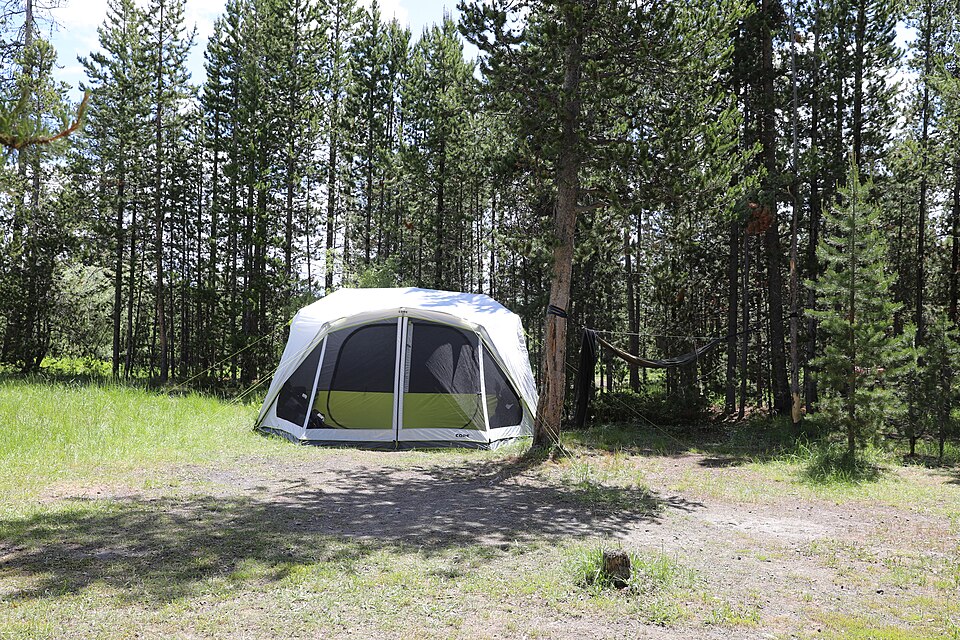
Where to sleep
RV parks near Gates of the Arctic National Park on RoverPass
Partner link · RoverPass
Gateway Lodging in Bettles and Coldfoot
Bettles and Coldfoot are the primary gateway communities for the park, and they offer the most accessible 'comfort' options. Bettles, located just south of the park, is a historic bush flying hub. Lodging here typically consists of simple but clean rooms in a lodge setting. The experience is intimate and focused on the outdoors, with the lodge acting as a central gathering point for pilots and adventurers. You can expect home-cooked meals and a wealth of local knowledge from the staff who live and work in the arctic year-round.
Coldfoot, located on the Dalton Highway, started as a truck stop and now serves as a base for arctic tours. The accommodations here are more functionalâoften converted pipeline housing unitsâbut they provide a dry place to sleep and a hot shower. From Coldfoot, you can take day tours into the park via air taxi. While neither town offers a 'five-star' resort experience, the ability to recharge in a bed after a week in the backcountry is a luxury that cannot be overstated.
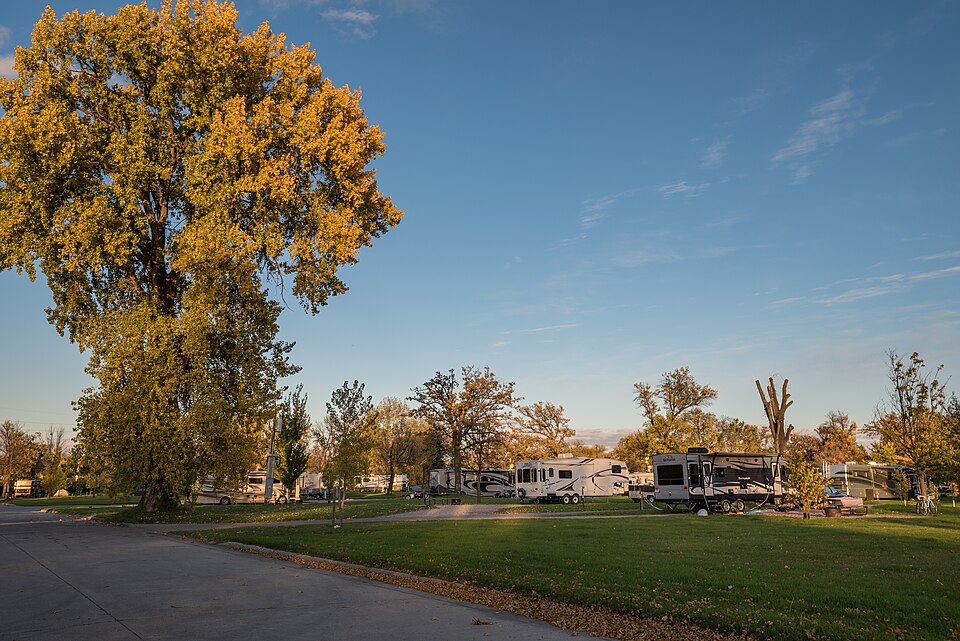
Where to sleep
Campsites near Gates of the Arctic National Park on Campspot
Partner link · Campspot
The Realities of Backcountry Camping
For the vast majority of visitors, the only way to stay inside the park is via traditional backcountry camping. There are no designated campsites, so you must choose your own spot each night. This requires a high degree of self-reliance and the right gear. A sturdy, four-season tent is a must, as arctic winds can be fierce and storms can blow in without warning. You must also be proficient in 'Leave No Trace' principles to protect the fragile tundra ecosystem.
Camping in the park means carrying everything you need, including your stove, fuel, and all your food in bear-resistant containers. Water must be treated or filtered from rivers and lakes. While this is the polar opposite of glamping, there is a unique satisfaction in sitting outside your tent at midnight, watching the sun hover over the horizon in total silence. If you choose this route, be sure to check the official park site for the latest regulations on campsite selection and bear safety.
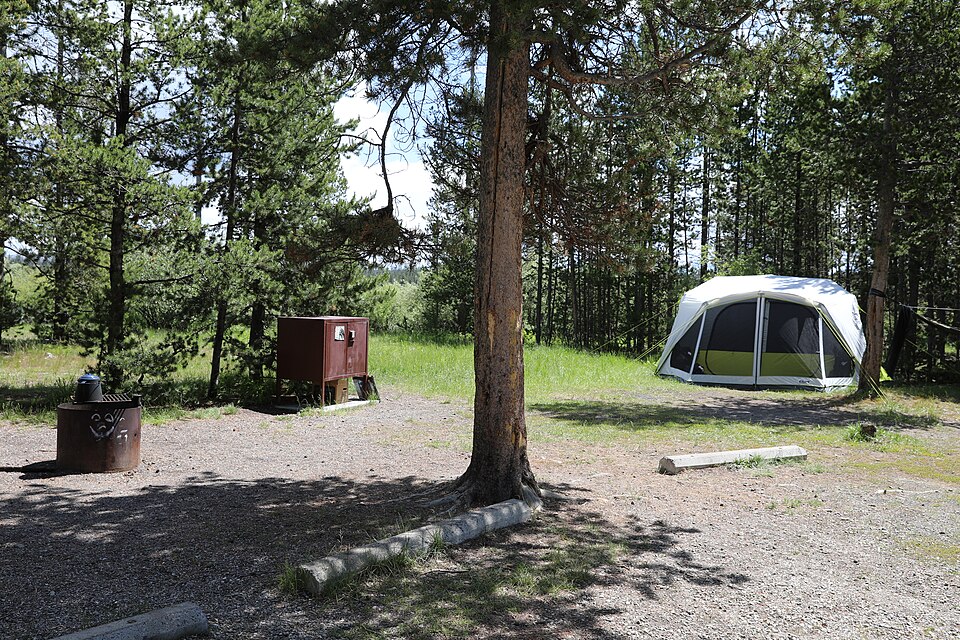
Where to sleep
Harvest Hosts stays on the way to Gates of the Arctic National Park
Partner link · Harvest Hosts
RV Travel and the Dalton Highway
While you cannot drive an RV into Gates of the Arctic, many travelers use the Dalton Highway as a way to get close to the park. The Dalton is a rugged, mostly gravel road that parallels the Trans-Alaska Pipeline. Driving an RV or a camper van up the 'Haul Road' to Coldfoot or Wiseman allows you to have a mobile base camp. From these points, you can book a flight-seeing tour that flies you over the Gates of the Arctic, providing a spectacular view of the Frigid Crags and Boreal Mountain.
Be aware that driving the Dalton Highway is an adventure in itself. It is a remote road used primarily by heavy semi-trucks, and there are very few services. Flat tires and cracked windshields are common. If you choose this method, ensure your vehicle is in top condition and that you carry multiple spare tires. Staying in an RV in Coldfoot or the nearby historic village of Wiseman offers a bit more comfort and protection from the elements than tent camping, but you are still very much in a wilderness environment.
Choosing Your Arctic Experience
The choice between a lodge stay (arctic glamping), gateway town lodging, or backcountry camping depends on your budget, physical ability, and what you want to get out of the trip. A wilderness lodge stay is the most expensive option, often costing several thousand dollars for a multi-day package, but it offers safety and comfort. Backcountry camping is the most affordable way to see the park's interior, though the 'daily budget' is still high due to the necessary air taxi flights, which can easily cost hundreds of dollars per person.
Regardless of where you stay, the peak season is June through August. In late August, those staying in lodges or gateway towns have a better chance of comfortably watching the aurora borealis, as the nights begin to get dark enough to see the lights. Always remember that in the Arctic, plans must remain flexible. Whether you are in a lodge or a tent, the weather dictates the schedule. Checking the official park site for current updates on bush plane operations and park accessibility is a vital part of your planning process.