
Choosing the best time to visit Gates of the Arctic National Park is a matter of balancing extreme conditions with the raw beauty of the Brooks Range. As one of the northernmost parks in the United States, the window for traditional exploration is remarkably short, spanning from late June through early August. During this period, the land is bathed in the perpetual glow of the midnight sun, and the vibrant tundra comes alive with wildflowers and migrating caribou. Planning for this remote wilderness requires an understanding of Alaska's rapid seasonal shifts.
The Summer Window and the Midnight Sun
The brief summer season from late June to early August is widely considered the best time to visit Gates of the Arctic. During the summer solstice, the sun does not set, providing twenty-four hours of daylight for hiking, paddling, and photography. This constant light is a surreal experience, allowing for flexible travel schedules since you never have to worry about setting up camp in the dark. However, the arctic summer is fleeting. Temperatures typically range from the 50s to the 70s Fahrenheit, but sudden drops are common.
By July, the snow has usually melted from the lower passes, though high-altitude trekking may still require navigating snowfields. This is also the peak time for insect activity; mosquitoes can be incredibly dense in the river valleys and marshy areas, making head nets and protective clothing essential. Despite the bugs, the accessibility of the backcountry and the lush green landscape make mid-summer the most popular time for bush plane drops.
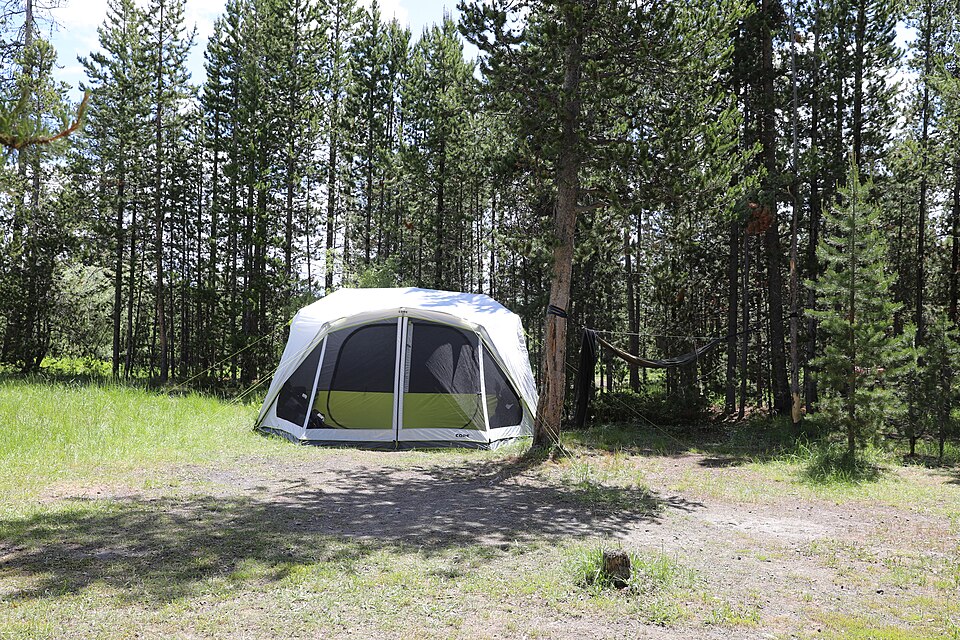
Lock in a stay for this season
RV parks near Gates of the Arctic National Park on RoverPass
Partner link · RoverPass
Autumn Colors and Early Winter Prep
August marks the rapid transition into autumn in the Brooks Range. By the middle of the month, the tundra transforms into a vibrant mosaic of deep reds, oranges, and golds. The mosquitoes begin to die off as the first overnight frosts occur, making for much more comfortable hiking conditions. This is an excellent time for photographers seeking the contrast of the dark jagged peaks against the fiery ground cover. However, the days begin to shorten quickly, and the risk of early-season snowstorms increases significantly.
Visitors in late August may also have their first opportunity to witness the aurora borealis as the night sky returns. While the weather becomes less predictable and river levels can change rapidly due to late-summer rains, the lack of insects and the stunning visual palette offer a unique reward. Travelers must be prepared for freezing temperatures and should have high-quality gear rated for winter conditions if they plan to stay through the end of the month.
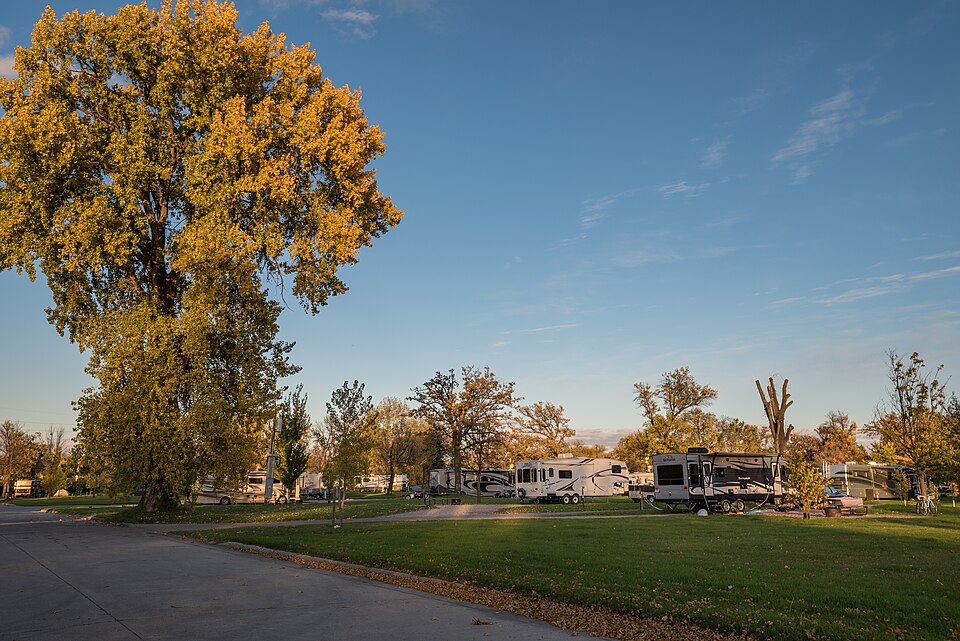
Lock in a stay for this season
Campsites near Gates of the Arctic National Park on Campspot
Partner link · Campspot
The Harsh Realities of Winter and Spring
From September through May, Gates of the Arctic is gripped by a severe arctic winter. While the park remains open, it is only accessible to those with extreme winter survival skills and specialized equipment. Temperatures can plummet to forty degrees below zero or lower, and the region experiences months of polar night where the sun never rises above the horizon. Travel during this time is typically limited to dog mushing or winter expeditions. The landscape is buried under deep snow, and the rivers are frozen solid.
Spring, or 'breakup,' occurs in May and early June. This is perhaps the most challenging time to visit, as the melting snow turns the tundra into a boggy, impassable mess and causes rivers to swell with dangerous ice chunks and high-velocity runoff. Most air taxi operators will not fly into the backcountry during breakup because the landing strips and gravel bars are too soft or submerged. If you are looking for a standard backpacking or float trip, it is best to wait until the ground stabilizes in late June.
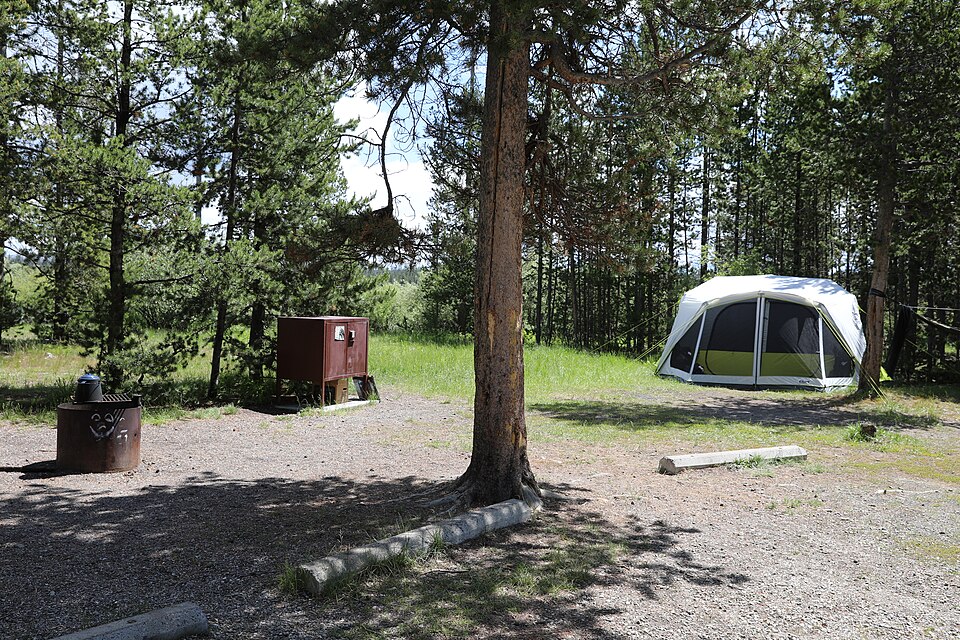
Lock in a stay for this season
Harvest Hosts stays on the way to Gates of the Arctic National Park
Partner link · Harvest Hosts
Crowds and Solitude in the Backcountry
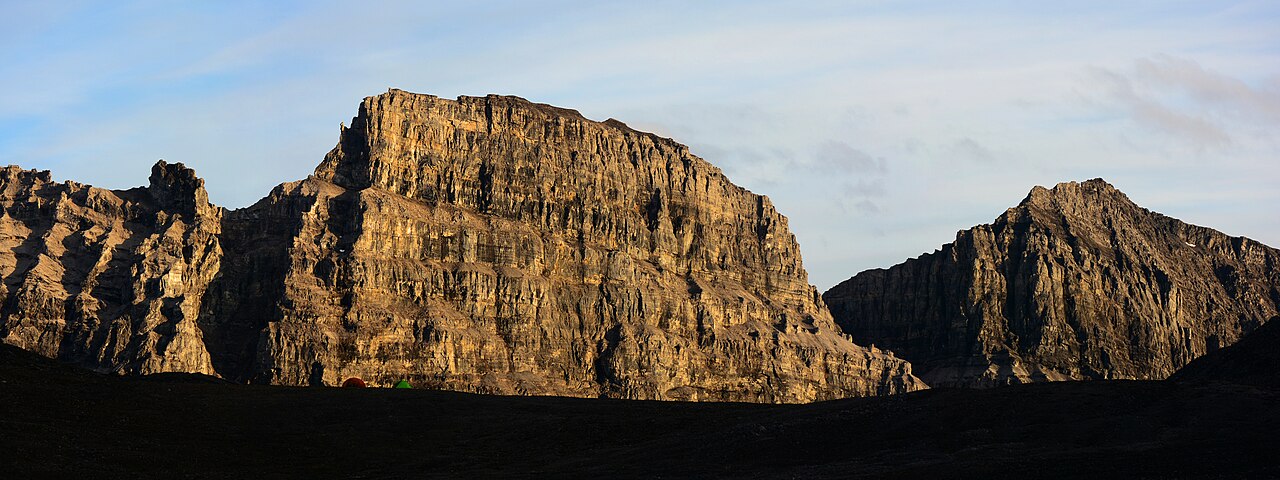
Unlike most national parks in the Lower 48, 'crowds' are non-existent in Gates of the Arctic. The park sees fewer visitors in a year than many parks see in a single morning. However, there is a relative concentration of activity during the peak summer weeks. Most visitors arrive via air taxi from Bettles or Coldfoot, and you may see other groups at popular drop-off points like Walker Lake or the Arrigetch Peaks area. Even at its busiest, the sense of isolation is profound, and you can easily go days without seeing another human soul.
To ensure the highest level of solitude, consider scheduling your trip for the fringes of the summer season, such as the first week of July or the second week of August. Regardless of when you go, it is vital to check the official NPS site for current conditions and any registration requirements. Because there are no established trails or facilities, the park service manages the impact through education rather than strict permit quotas, but communicating your plans with rangers is a critical safety step.
Planning and Reservations Timing
Because accessing the park requires coordinating bush plane flights, reservations must be made many months in advance. Air taxi services in Bettles and Coldfoot have limited capacity and serve as the primary gateways for hikers and rafters. Booking your flight by January or February for a summer trip is highly recommended. These services are the biggest expense of the trip, with costs fluctuating based on fuel prices and the distance of the drop-off point. You should also build 'weather days' into your schedule, as bush planes are frequently grounded by fog or storms.
In addition to flight logistics, you must coordinate your gear rentals or shipping well in advance. There are no stores inside the park to buy fuel, food, or forgotten equipment. If you are flying into Anaktuvuk Pass, a Nunamiut Eskimo village within the park, you must respect local customs and private lands. Checking the official park site for the latest guidance on bear-resistant food containers and voluntary backcountry registrations will ensure your trip is compliant with current wilderness management policies.
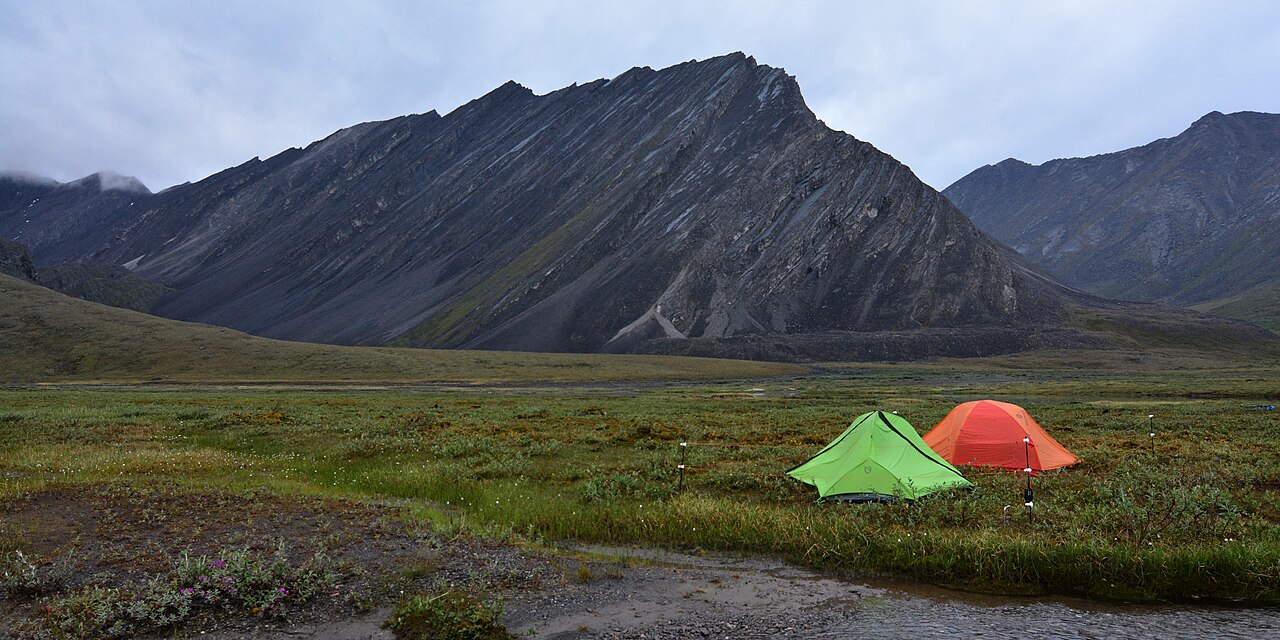
More ways to book Gates of the Arctic National Park
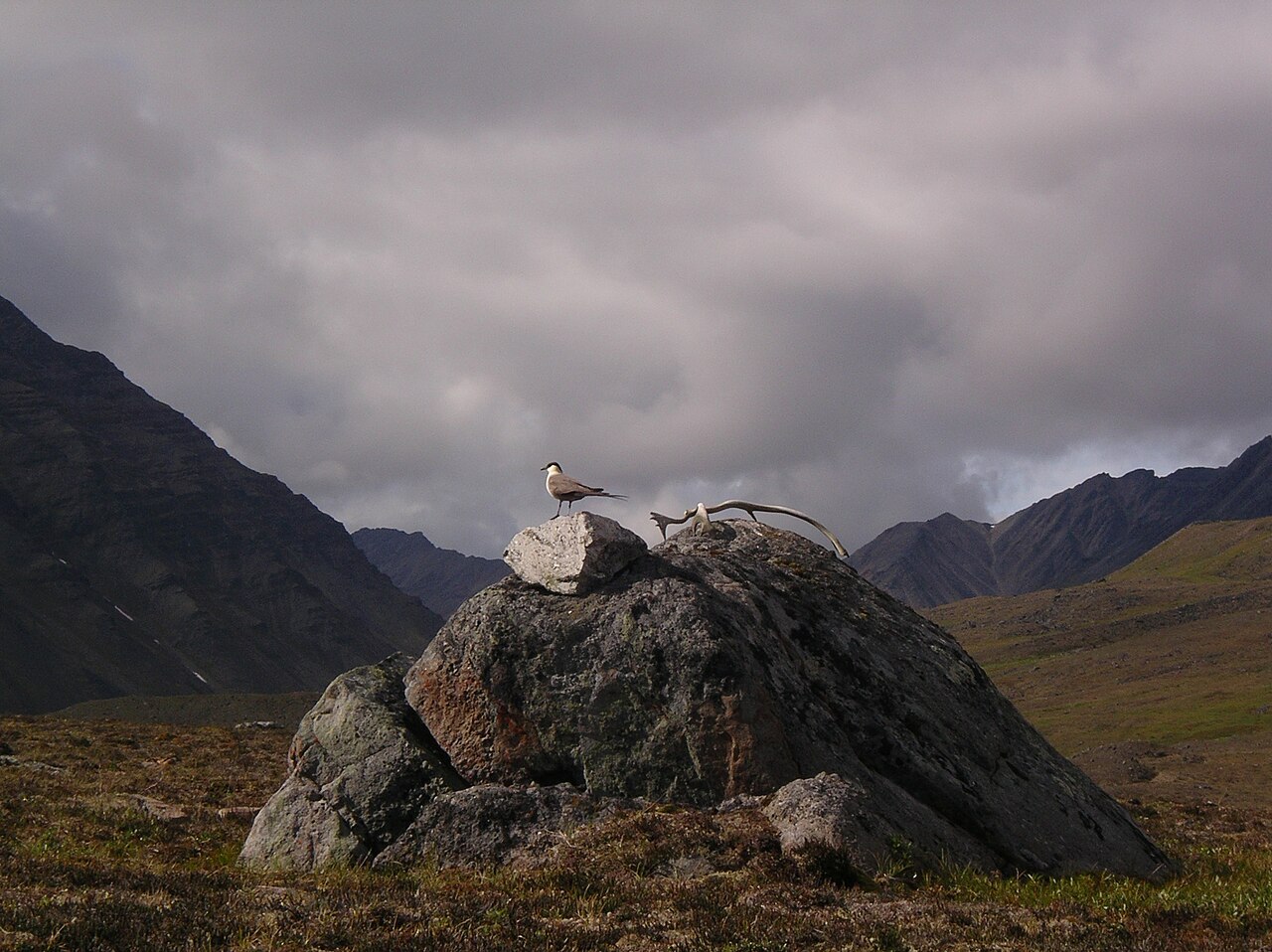 Illustrative · NPS
Arrigetch Peaks Trekking
One of the classic ways to experience Gates of the Arctic.
Varies (estimate)
Partner link · Viator