
Planning a Gates of the Arctic itinerary is unlike planning a trip to any other national park. There are no roads to drive and no set campgrounds. Your journey will begin in Fairbanks and rely on small bush planes to transport you into the heart of the Brooks Range. This eight-day sample itinerary focuses on a fly-in backpacking and base-camping trip, providing a balance of adventure and the flexibility needed to handle the unpredictable arctic weather.
Day 1-2: The Journey North from Fairbanks
Your adventure begins in Fairbanks, the primary hub for Northern Alaska. Spend your first day finalizing your gear, purchasing bear-resistant food containers, and checking in with the National Park Service information center. On Day 2, you will take a scheduled flight to one of the gateway communities like Bettles or Coldfoot. These small outposts are the last vestiges of civilization before you enter the park. Expect to spend the night in one of these villages, as bush plane departures are highly dependent on visibility and weather conditions.
Use this time to weigh your gear and meet with your air taxi pilot. Every pound counts on a small aircraft, so be prepared to trim unnecessary items. Bettles is a charming, historic flight hub where you can soak in the atmosphere of bush pilot culture. Ensure you have all your permits and paperwork in order, and take a final look at the weather maps. The flight from Bettles into the park is a scenic highlight in itself, passing over the jagged peaks of the Brooks Range and vast, unnamed river valleys.
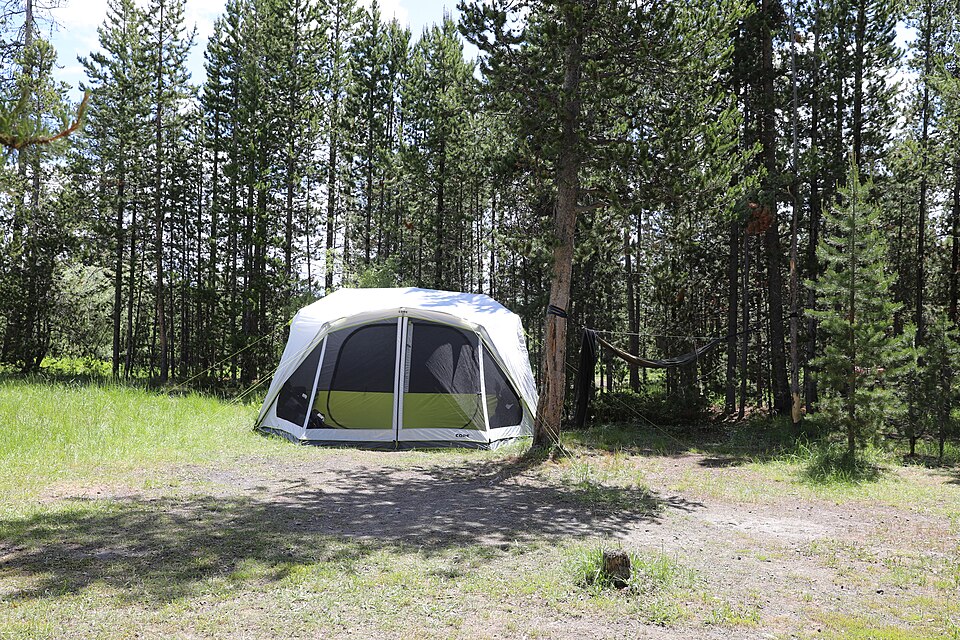
Where to sleep
RV parks near Gates of the Arctic National Park on RoverPass
Partner link · RoverPass
Day 3-4: Landing at Walker Lake
On Day 3, weather permitting, you will board a floatplane for the flight into the park. A popular and stunning destination is Walker Lake, a large, deep-blue lake surrounded by rugged mountains and boreal forest. The landing on the water is a thrill, and as the plane departs, the silence of the wilderness quickly settles in. Spend your first afternoon setting up a secure camp, ensuring your food is stored far away from your sleeping area to prevent bear encounters.
Day 4 is dedicated to exploring the shores and ridges around Walker Lake. Since there are no trails, you can choose your own adventure. A climb to a nearby ridge will reward you with a panoramic view of the lake and the surrounding peaks. The terrain here transitions from forest to open tundra, offering a variety of plant life and birdwatching opportunities. Keep an eye out for loons on the lake and perhaps a grizzly bear foraging on the slopes. The midnight sun allows you to hike late into the evening without fear of losing light.
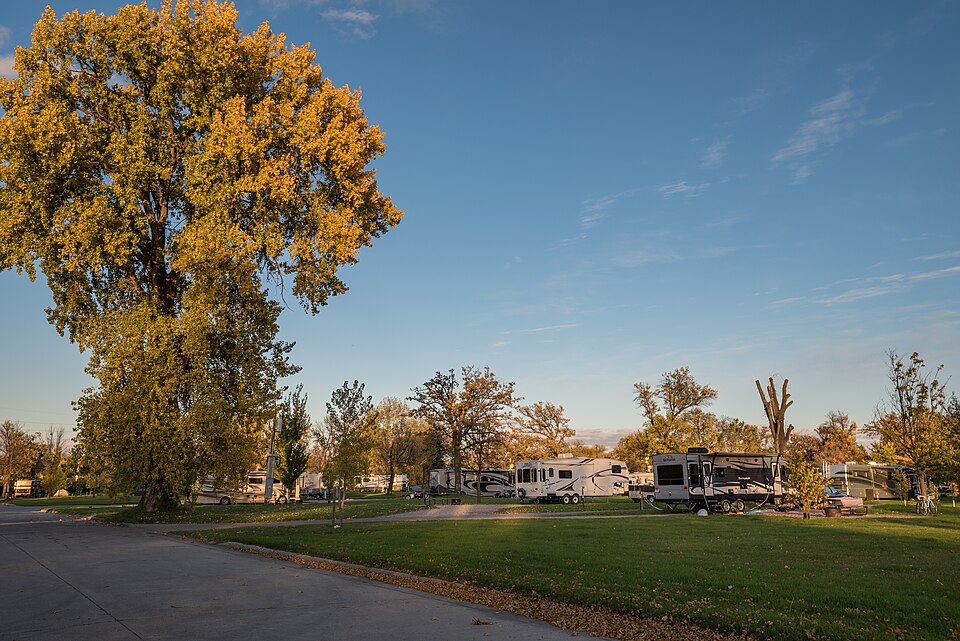
Where to sleep
Campsites near Gates of the Arctic National Park on Campspot
Partner link · Campspot
Day 5-6: Trekking the Upper Alatna Drainage
On Day 5, pack up your camp for a multi-day trek toward the Upper Alatna River drainage. This involves navigating through 'tussocks'âclumps of grass that can make walking difficult and slow. The goal is to reach a high vantage point overlooking the river valley. The scale of the landscape is deceptive; what looks like a short walk can take hours due to the uneven ground. By Day 6, you should reach a suitable spot for a second base camp near the river.
The Alatna River valley is exceptionally scenic, often cited as one of the most beautiful areas in the park. Spend Day 6 exploring the riverbank, looking for animal tracks in the soft silt. Wolves and caribou frequently use these river corridors as natural highways. If you brought a packraft, you could spend a few hours floating a calm section of the river, but always wear a PFD and stay alert for obstacles. The sense of isolation here is absolute, and the lack of human noise is profound.
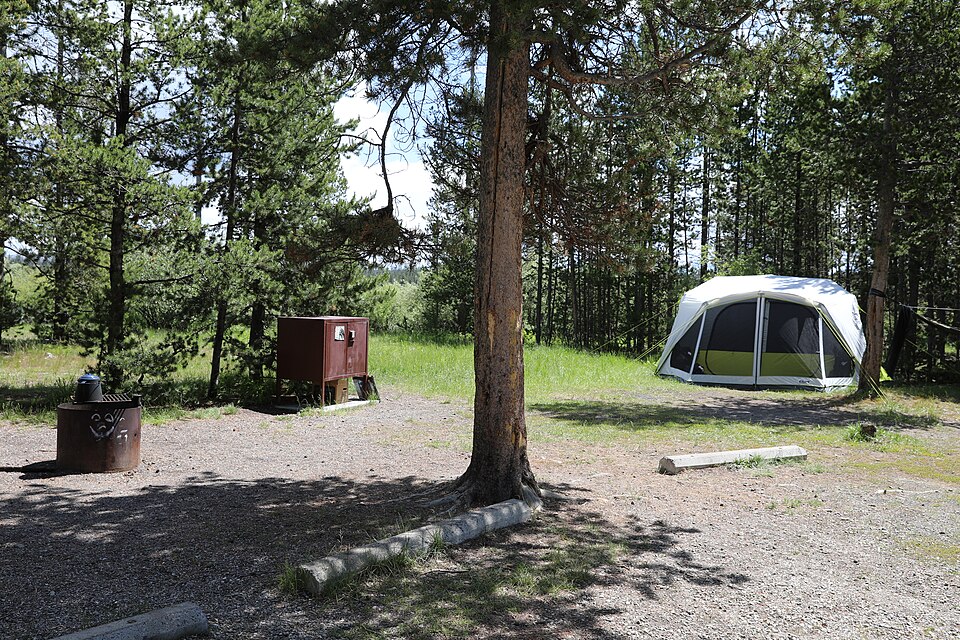
Where to sleep
Harvest Hosts stays on the way to Gates of the Arctic National Park
Partner link · Harvest Hosts
Day 7: The Arrigetch Peaks Viewpoint
If your bush plane logistics allow for a move, Day 7 could be spent near the Arrigetch Peaks area, or you can continue exploring the Alatna drainage. The Arrigetch Peaks are the crown jewel of the park's geology, with granite spires that pierce the sky. Even if you aren't a technical climber, the sight of these mountains from the valley floor is breathtaking. Take this day to push a bit further into the high country, perhaps reaching a glacial cirque or a high alpine pass.
As this is your final full day in the backcountry, take time to reflect on the experience. The arctic wilderness demands a slower pace and a higher level of awareness than most travelers are used to. Ensure you leave no trace of your visit; in this fragile environment, a fire ring or a crushed patch of moss can take years to recover. Prepare your gear for the return flight, keeping essential items like your satellite communication device and warm layers easily accessible.
Day 8: Departure and Return to Fairbanks
On your final day, you will wait at your designated pickup point for the bush plane. It is common for flights to be delayed by several hours or even a day due to weather, so having extra food and a patient mindset is crucial. Once the plane arrives, the flight back to Bettles or Coldfoot offers one last chance to see the park from above, providing a different perspective on the vast distances you covered on foot.
After returning to the gateway town, you will catch your scheduled flight back to Fairbanks. The transition back to the sounds of cars and the sight of buildings can be jarring. Most travelers enjoy a hot meal and a long shower in Fairbanks while scrolling through photos of a landscape that few people ever get to see in person. A trip to Gates of the Arctic is a significant undertaking, requiring months of planning and a high daily budget, roughly estimated at four hundred and fifty dollars when accounting for air taxis and specialized gear, but the memories are priceless.
More ways to book Gates of the Arctic National Park
 Illustrative · Diego Angel
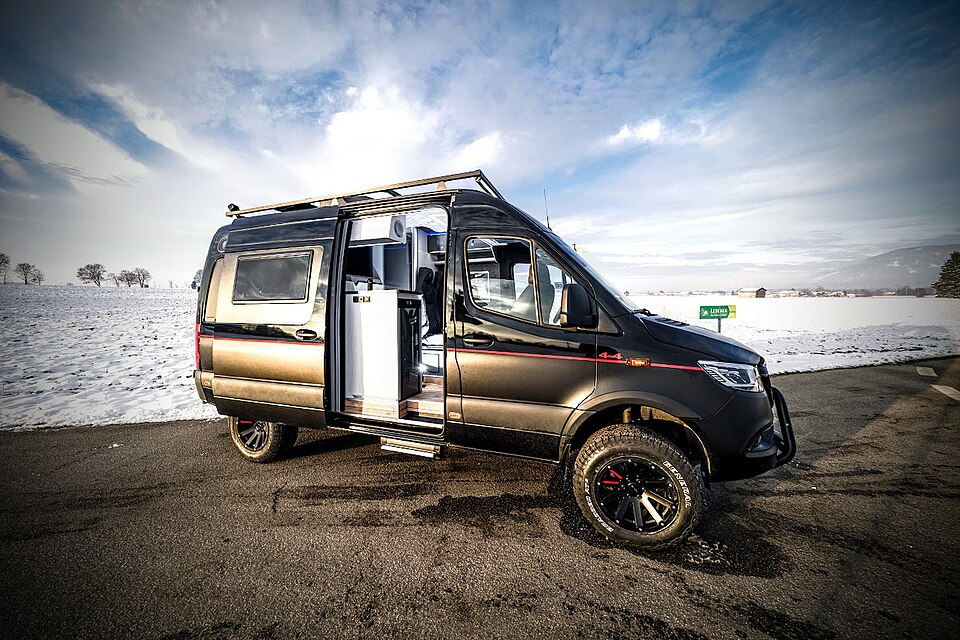
Sprinter Adventure Van
Small enough to park at the trailhead, comfy enough to sleep in.
$189/day (estimate)
Direct link · RVshare