
The Everglades rewards travelers who slow down: a short boardwalk walk can reveal wading birds, turtles, and alligators, while a drive south introduces landscapes that change from pine rocklands to mangroves. Rather than trying to cover every entrance in one day, choose a section of the park and combine a few land-based stops with one longer experience. Give yourself two to four days if you want time for both wildlife viewing and a guided water outing.
Start with the Anhinga Trail and Shark Valley
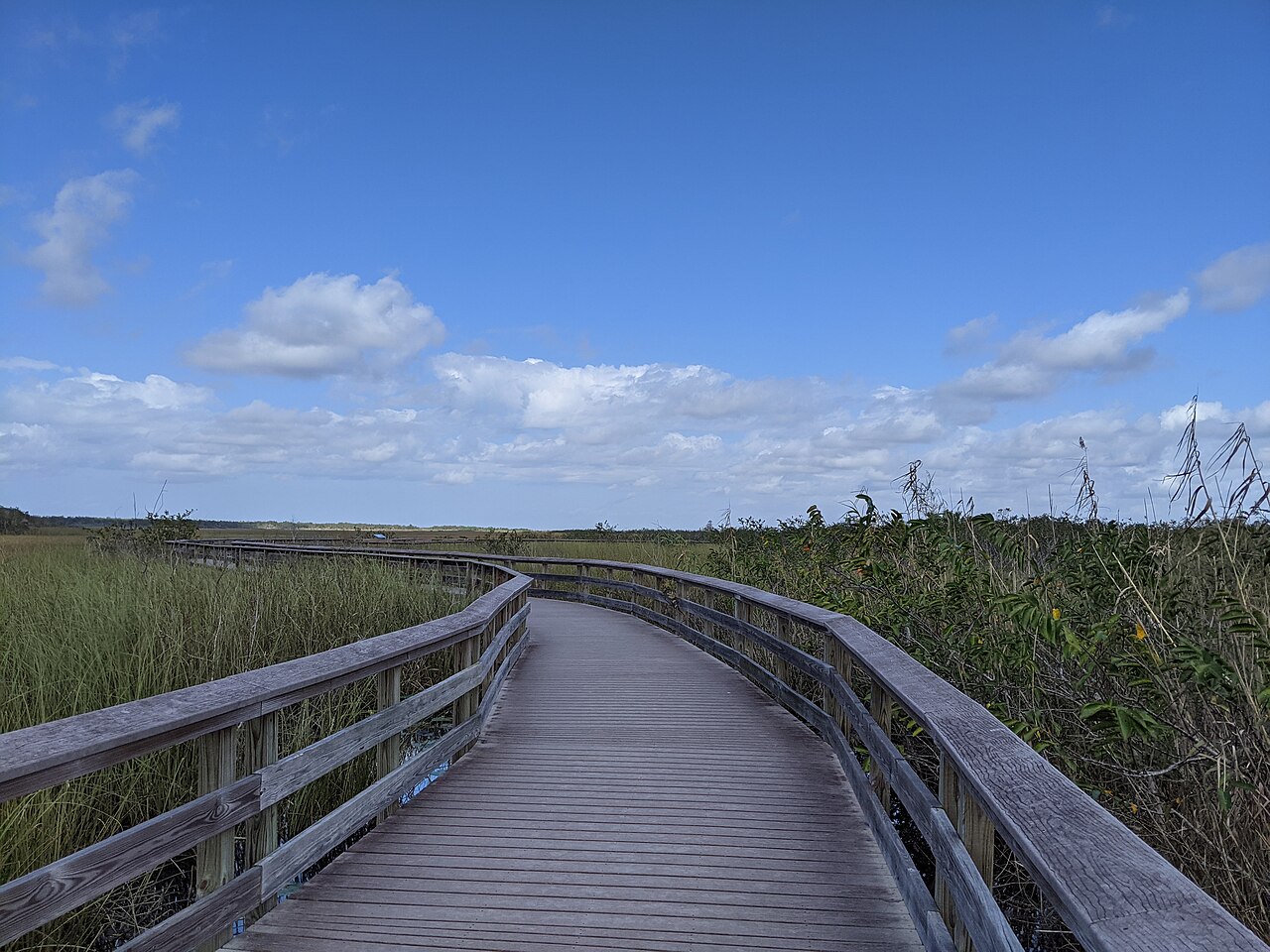
The Anhinga Trail at Royal Palm is a strong introduction to the park's freshwater wetlands. Its short paved and boardwalk route offers close views of the habitat without requiring a long hike. Wildlife varies by season and water level, so linger quietly instead of treating the walk as a quick photo stop.
Shark Valley offers another perspective through its paved 15-mile loop and observation tower. Visitors can explore by bicycle or on a guided tram tour, subject to current availability. Walking a short section is also worthwhile; reaching the tower on foot is a much longer commitment. Reserve tours when needed, carry water, and give all wildlife ample space on the path.
Drive the Main Park Road and Take Short Walks
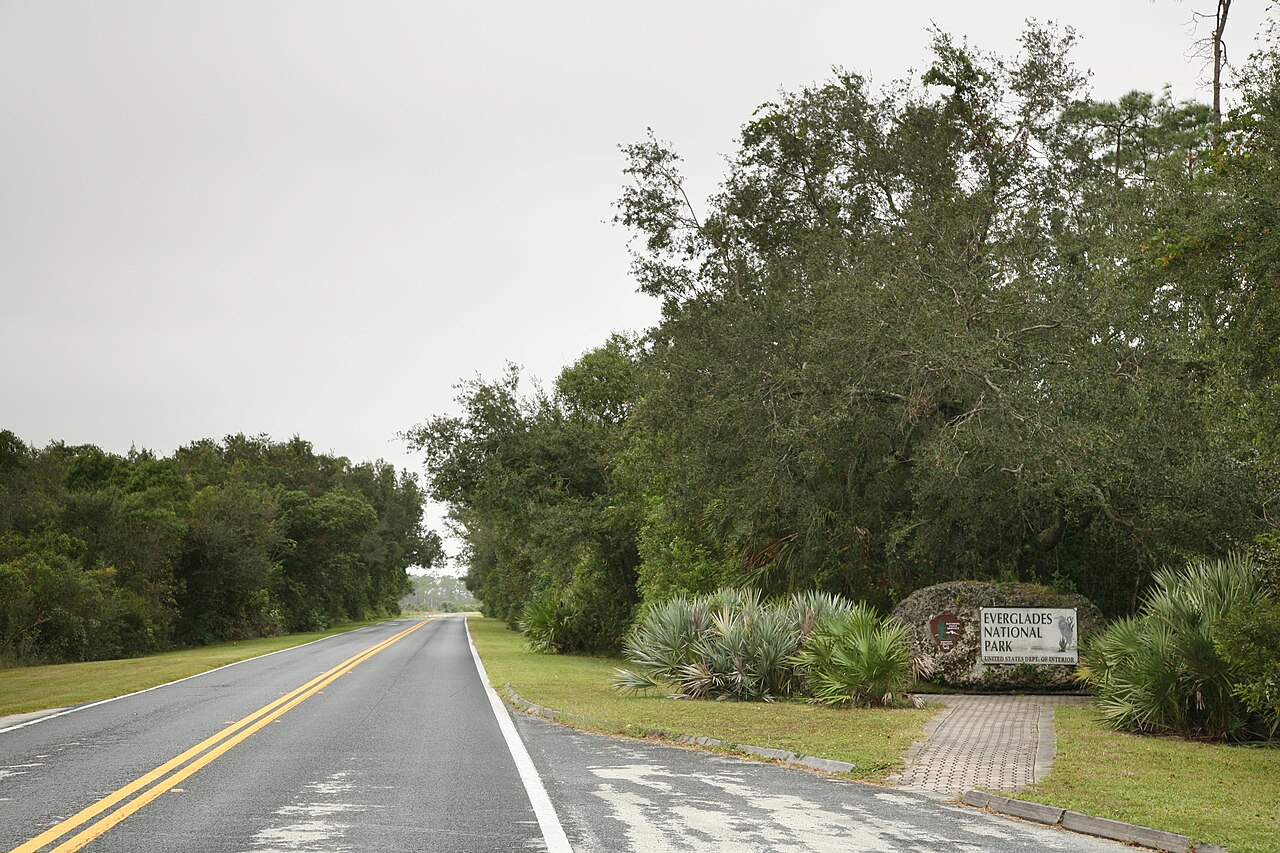
From the Homestead side, follow the main park road toward Flamingo for a cross-section of Everglades habitats. Royal Palm is a useful early stop, while the Pa-hay-okee overlook and Mahogany Hammock offer contrasting views along the broader route. Check trail status before setting out, since maintenance, flooding, or storm damage can change access.
This is a scenic drive built around observation rather than dramatic elevation. Allow time to pull over only in designated places, read interpretive signs, and notice how vegetation changes as you approach Florida Bay. Fuel up before entering the park and bring food and water. Do not assume every stop has shade, restrooms, or a place to buy lunch.
Get on the Water at Flamingo or the Gulf Coast
A guided boat trip or paddling outing reveals mangrove shorelines and waterways that are difficult to appreciate from the road. Flamingo provides access to Florida Bay and nearby inland waters, while the Everglades City side introduces the Ten Thousand Islands region. These are separate destinations, not quick stops on the same park road.
For a first visit, a guided outing can help with route selection and interpreting wildlife and habitat. Independent paddlers need to account for wind, tides where relevant, navigation, and rapidly changing weather. Confirm launch access, equipment arrangements, and any permit requirements through official sources. Watch manatees, dolphins, crocodiles, and birds from a respectful distance if encountered; sightings are never assured.
Keep Family Visits Short, Curious, and Flexible
With kids, a few well-chosen stops usually work better than a full day of continuous driving or walking. Begin with the Anhinga Trail, then add a shaded break and another short walk if everyone still has energy. Ask at an open visitor center about Junior Ranger materials and ranger-led activities available during your visit.
Bring binoculars if you have them, and turn observation into a simple challenge: look for different bird shapes, turtle basking spots, or changes in the plants. Pack snacks, water, hats, and insect repellent. Stay on designated routes, supervise children near water, and never approach or feed wildlife. Check accessibility details beforehand if you need stroller-friendly surfaces or step-free facilities.
Build a Realistic Rainy-Day Backup
Brief showers do not always end an Everglades day, but lightning and heavy rain can interrupt almost every outdoor activity. Use an open visitor center for exhibits, orientation, and ranger advice, while recognizing that the park has limited indoor attractions. Check the official park/NPS site for current conditions, facility status, tour reservations, and weather-related changes before leaving your lodging.
During thunderstorms, postpone boardwalk walks, cycling, and paddling rather than pushing through a timed schedule. If widespread storms are forecast, shift your main park outing to another day and use your Miami or Homestead base for indoor activities. A spare shirt, rain jacket, and dry bag help with ordinary showers, but they do not replace a weather backup.