
Everglades glamping can mean a furnished tent close to the wetlands or a more comfortable outdoor-oriented stay in a gateway community, but amenities vary widely and the setting is still hot, humid South Florida. Start by choosing which park entrance you want to explore, because a lodging option near one side can be inconvenient for another. The most useful comparison is not simply tent versus cabin, but shade, insect screening, cooling, bathrooms, and the amount of driving your stay requires.
What Glamping Looks Like in the Everglades
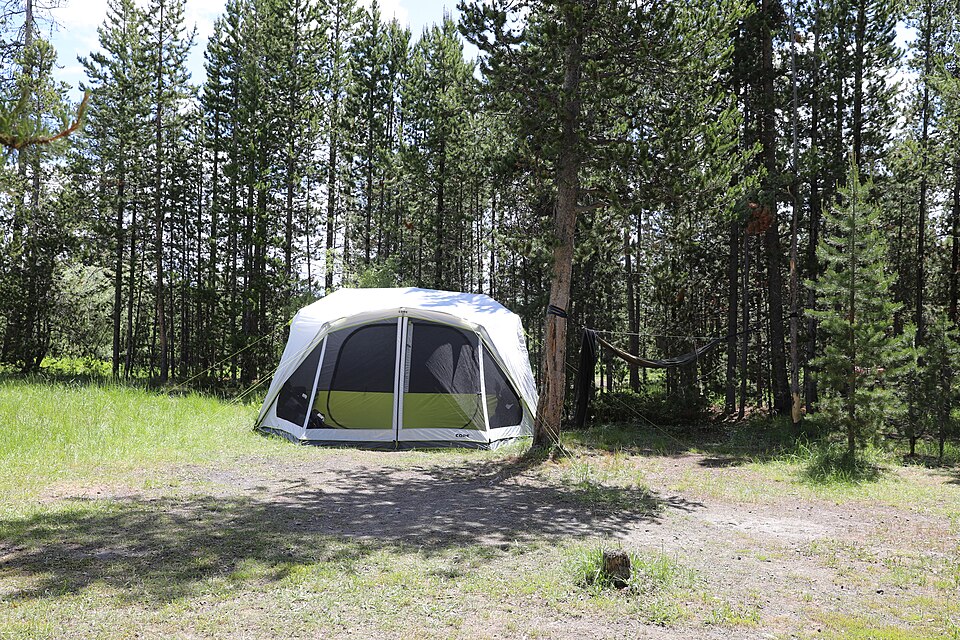
Think of glamping here as a step between conventional camping and a hotel, not a promise of resort-style comfort. Flamingo has established eco-tent accommodations within the park, offering a furnished-tent experience near Florida Bay. Confirm current operating seasons, furnishings, bathroom arrangements, and reservation details through the official park site and its linked lodging information.
Elsewhere, outdoor-oriented listings may use the glamping label for cabins, furnished tents, or RV-based stays. Read the actual amenity list instead of relying on the label. Ask whether cooling means a fan or air-conditioning, whether bathrooms are private or shared, and whether bedding is included. Screening, rain protection, and access to drinking water matter especially in this climate.
Choose a Gateway Area Before Choosing a Stay
Homestead and nearby Florida City are practical search areas for access to the main park entrance, Royal Palm, and the road to Flamingo. They also make it easier to buy supplies before heading into the park. Flamingo itself suits travelers who want to stay within the park and spend more time around Florida Bay, but it requires a substantial drive from the entrance.
Everglades City is the logical western gateway for the Ten Thousand Islands area. Miami offers more conventional lodging choices and can work for Shark Valley, though traffic affects travel time. These areas are not interchangeable. Map each listing against your planned activities, and do not assume a property marketed as near the Everglades is beside your intended entrance.
When to Go and When to Reserve
December through April usually offers the most comfortable conditions for sleeping close to the outdoors. Lower humidity and generally fewer mosquitoes make screened tents and outdoor seating more appealing, although insects can still be active. Cool fronts also occur, so a furnished tent may feel surprisingly chilly overnight compared with a climate-controlled room.
Start looking several months ahead for winter holidays and spring break, then confirm the property's actual booking window. Summer and early fall bring much greater heat, humidity, mosquito pressure, and weather uncertainty; some accommodations operate seasonally. Review weather-related cancellation terms and check the official Everglades National Park/NPS site for current conditions and reservation links before committing to an in-park stay.
Where to sleep
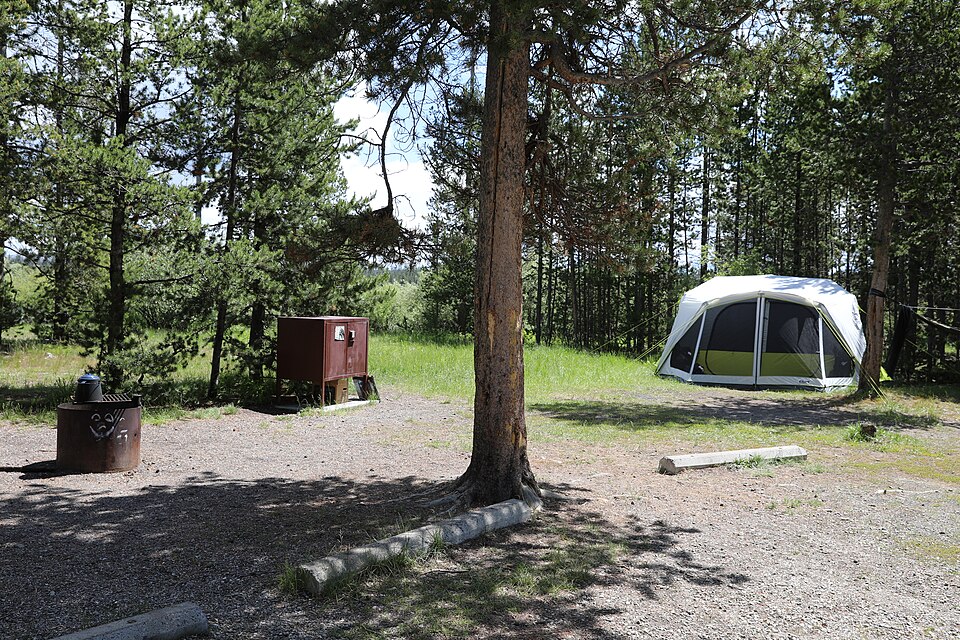
Harvest Hosts stays on the way to Everglades National Park
Partner link · Harvest Hosts
What to Pack for a Comfortable Stay
Pack lightweight long sleeves and pants, insect repellent, sunscreen, a brimmed hat, and comfortable walking shoes. Add a rain jacket, a headlamp, refillable water containers, and a small dry bag for electronics. A light warm layer is useful for winter evenings and breezy mornings near the bay. Download directions and reservation information before leaving a reliable connection.
Check what your accommodation supplies before packing bedding, towels, cooking equipment, or a cooler. Store food exactly as required by the property and park; a furnished tent does not remove wildlife concerns. Bring charging cables and a battery pack, and confirm whether outlets are available. If cooking is allowed, verify the designated setup and current fire restrictions rather than assuming you can build a campfire.
Glamping vs. Tent Camping vs. an RV
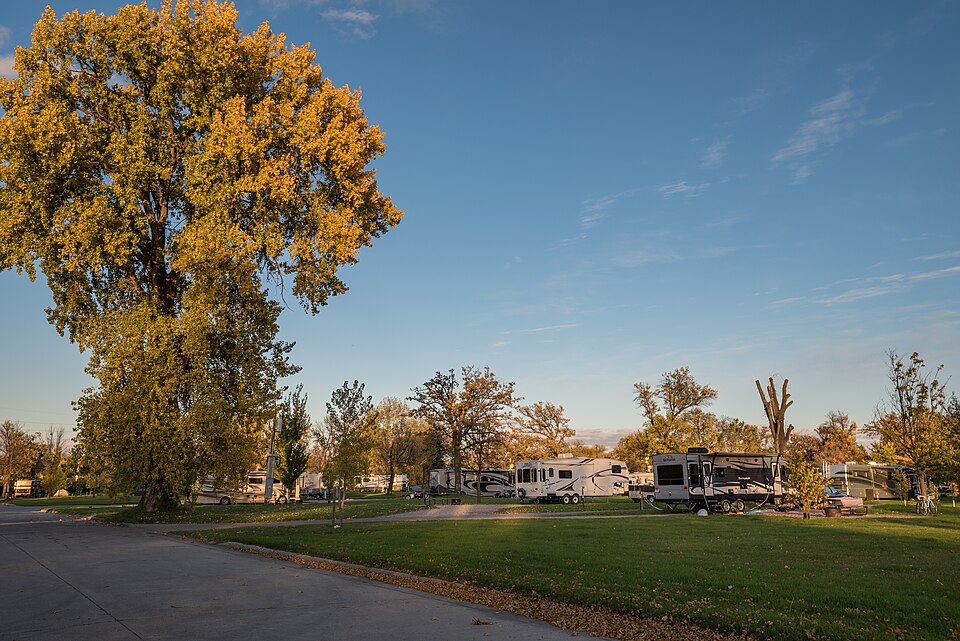
Glamping reduces setup and can provide a real bed, but it may still involve shared bathrooms, outdoor noise, and limited cooling. Tent camping generally costs less before equipment purchases, though you supply more gear and handle weather exposure yourself. An RV can offer enclosed living space and climate control, but campsite hookups and generator rules vary, and rental and fuel costs add up.
Compare the full trip rather than the nightly rate alone: equipment, cleaning charges, transportation, meals, and reservation terms all affect the total. Any cost estimate should be treated as rough and seasonal. For families or heat-sensitive travelers, a conventional room may be the more practical choice. Check official campground details, vehicle limits, and reservations before selecting an RV site.