
December through April is generally the most comfortable time to explore Everglades National Park, when South Florida's drier weather makes boardwalk walks, wildlife watching, and paddling easier to fit into a day. Winter and early spring also draw the largest crowds, especially around holidays and school breaks, so lodging and guided outings deserve some advance planning. Other months offer quieter visits, but heat, mosquitoes, thunderstorms, and tropical weather require more flexibility.
Winter: Comfortable Weather and Popular Wildlife Stops
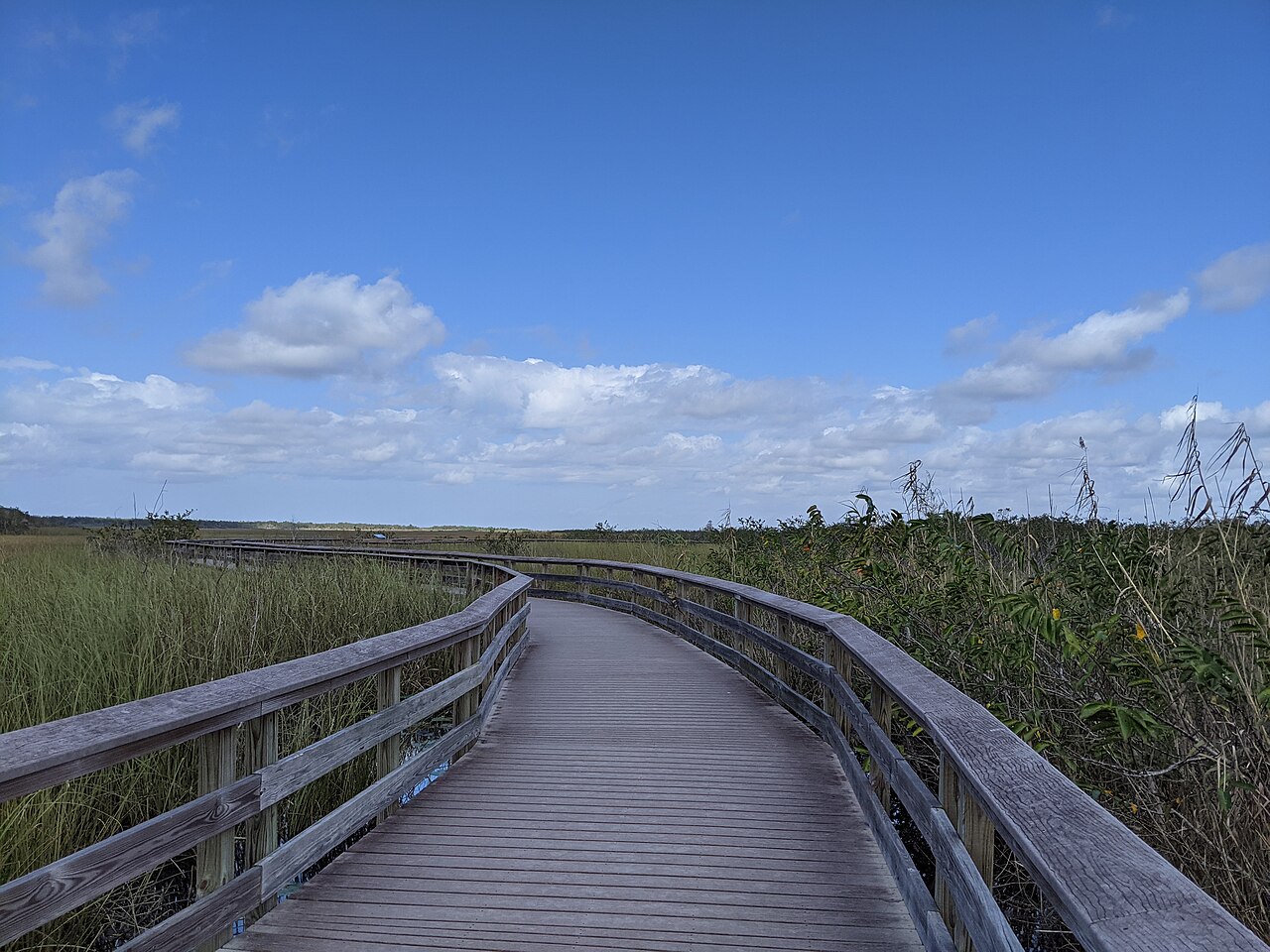
December through February usually brings lower humidity, fewer mosquitoes, and more comfortable walking weather than summer. As seasonal water levels fall, wildlife can concentrate around remaining water, making established viewing areas especially rewarding. The Anhinga Trail and Shark Valley are practical choices for visitors who want wildlife viewing without a long backcountry trip.
Winter is also a busy season. Holiday periods can bring parking pressure, fuller tours, and limited lodging choices near the park. Start popular outings early, carry an extra layer for cool mornings, and leave room in your schedule for changing weather. Cold fronts occasionally make boat trips feel much chillier than the forecast high suggests.
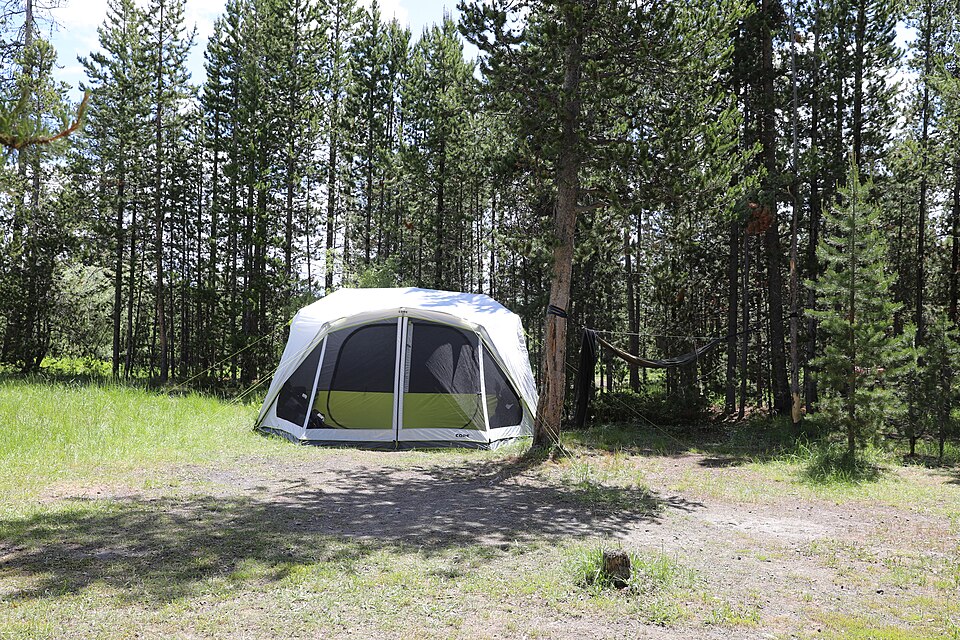
Lock in a stay for this season
RV parks near Everglades National Park on RoverPass
Partner link · RoverPass
Spring: A Good Window Before Summer Heat Builds
March and April remain appealing months for an Everglades trip, with generally drier conditions and plenty of opportunities for walking, cycling, and wildlife watching. Temperatures climb as spring progresses, so an early start becomes increasingly useful on exposed routes. Shark Valley's paved loop has little shade, and the full route is a substantial outing rather than a casual family stroll.
Spring break can keep visitor areas and gateway lodging busy even outside holiday weekends. Reserve the experiences that matter most before building the rest of your day around them. By May, summerlike heat, humidity, rain, and mosquitoes often become more noticeable. Treat late spring as a transition rather than assuming dry-season conditions will last.
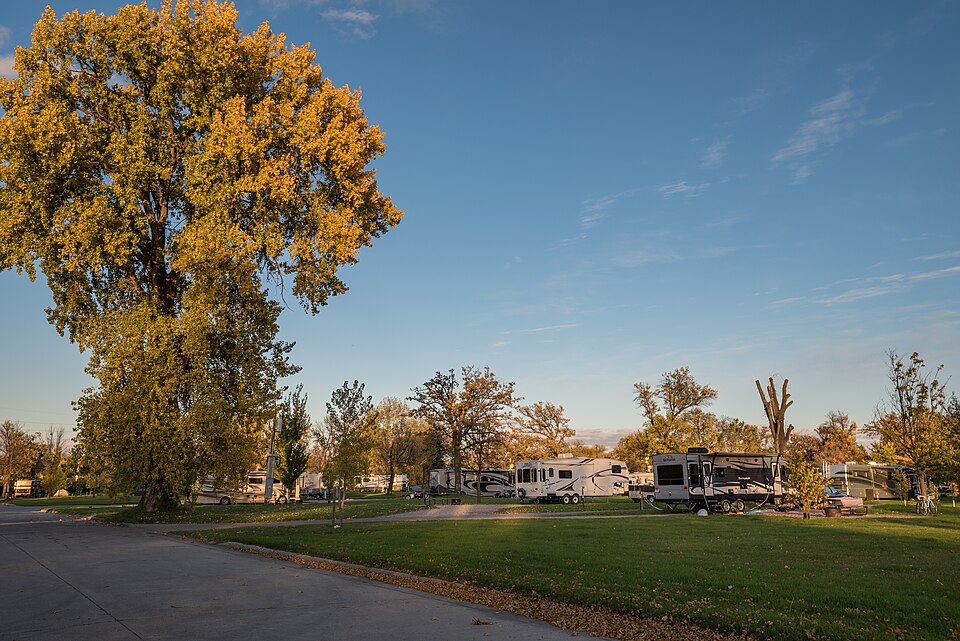
Lock in a stay for this season
Campsites near Everglades National Park on Campspot
Partner link · Campspot
Summer: Lush Landscapes, Heat, and Afternoon Storms
June through August falls within the wet season, when frequent rain reshapes the landscape and water spreads across the wetlands. Wildlife may be less concentrated near familiar viewing spots, though birds, reptiles, and changing skies still make short outings worthwhile. Expect high humidity, substantial heat, and persistent mosquitoes, particularly around sheltered vegetation and during calmer parts of the day.
Plan outdoor activities for the morning and keep afternoon plans flexible. Thunderstorms can disrupt paddling, cycling, and boat tours; an open shelter is not a substitute for appropriate lightning shelter. Carry water, sun protection, and insect repellent. Summer also overlaps Atlantic hurricane season, so follow forecasts and check official park alerts before driving out.
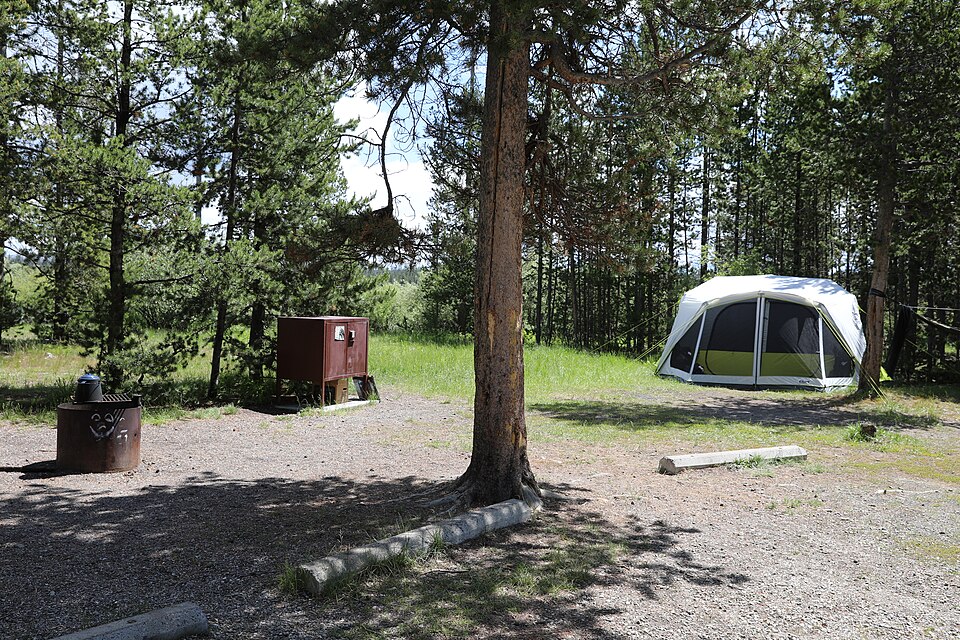
Lock in a stay for this season
Harvest Hosts stays on the way to Everglades National Park
Partner link · Harvest Hosts
Fall: A Wetter Start and a Gradual Seasonal Shift
September and October often retain summer's heat, humidity, and rain. Tropical weather can affect roads, visitor services, and coastal outings, so flexible reservations are useful. The Atlantic hurricane season runs through November, and a quieter visitor calendar does not mean conditions will be predictable. Avoid building a fall trip around a single boat departure or one remote access point.
November often brings a gradual shift toward more comfortable conditions, although the dry season does not arrive on a fixed date. Mosquito activity and water levels vary from year to year. Consider a mix of short boardwalk walks and optional guided activities, then adjust the balance using the forecast and current park conditions.
Crowds and When to Make Reservations
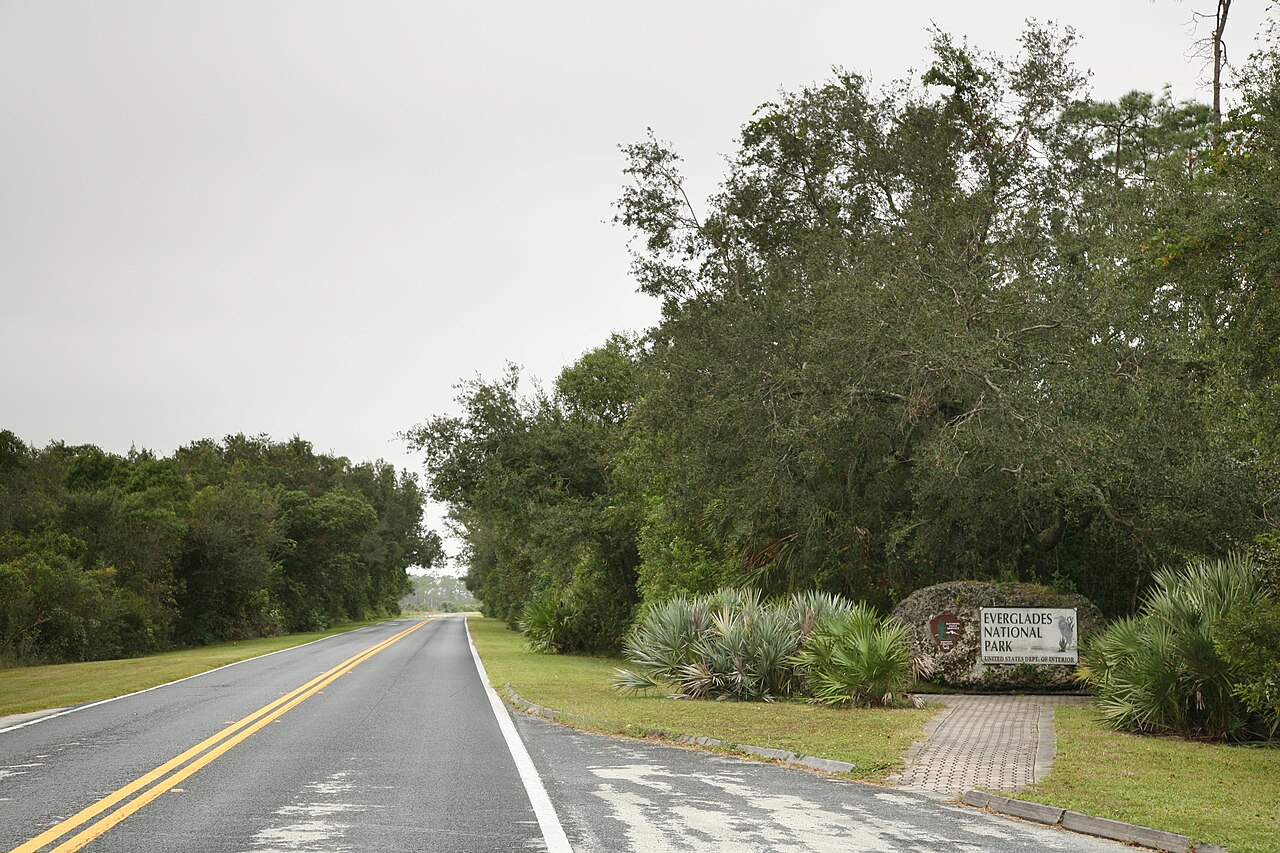
For a December–April visit, begin comparing lodging, campsites, and guided outings several months ahead, especially for holidays or spring break. Booking windows differ by operator and facility, so there is no single reservation deadline for the whole park. Check the official Everglades National Park/NPS site for current conditions, reservation links, entrance information, and any required backcountry permits.
Homestead works well for the main park road, Miami can suit a Shark Valley outing, and Everglades City serves the western side. Choose your base before booking timed activities because these areas are far apart by road. Keep at least one flexible block in your schedule, and review cancellation terms for weather-sensitive boat and paddling trips.
More ways to book Everglades National Park
 Illustrative · LittleOrphanDani
Ten Thousand Islands Kayaking
One of the classic ways to experience Everglades.
Varies (estimate)
Partner link · Viator